
Embarking on a journey to a new city, whether for leisure or business, involves a multitude of preparations. Beyond booking flights and accommodation, understanding the local nuances can significantly enhance your experience. For visitors to the vibrant metropolis of Chicago, one such seemingly minor detail that holds significant practical importance is knowing the local area codes. Far from being mere digits, these prefixes are vital for seamless communication, connecting with local services, making reservations, and truly immersing oneself in the city’s dynamic rhythm. In the context of tourism, knowing “what Chicago area code” signifies a readiness to engage with the city on a practical level, ensuring you can connect effortlessly, whether you’re calling a taxi, booking a table at a renowned restaurant, or simply getting in touch with a local contact. This guide aims to demystify Chicago’s communication landscape, offering insights crucial for any discerning tourist or traveler.

Navigating Chicago’s Communication Landscape: The Primary Area Codes
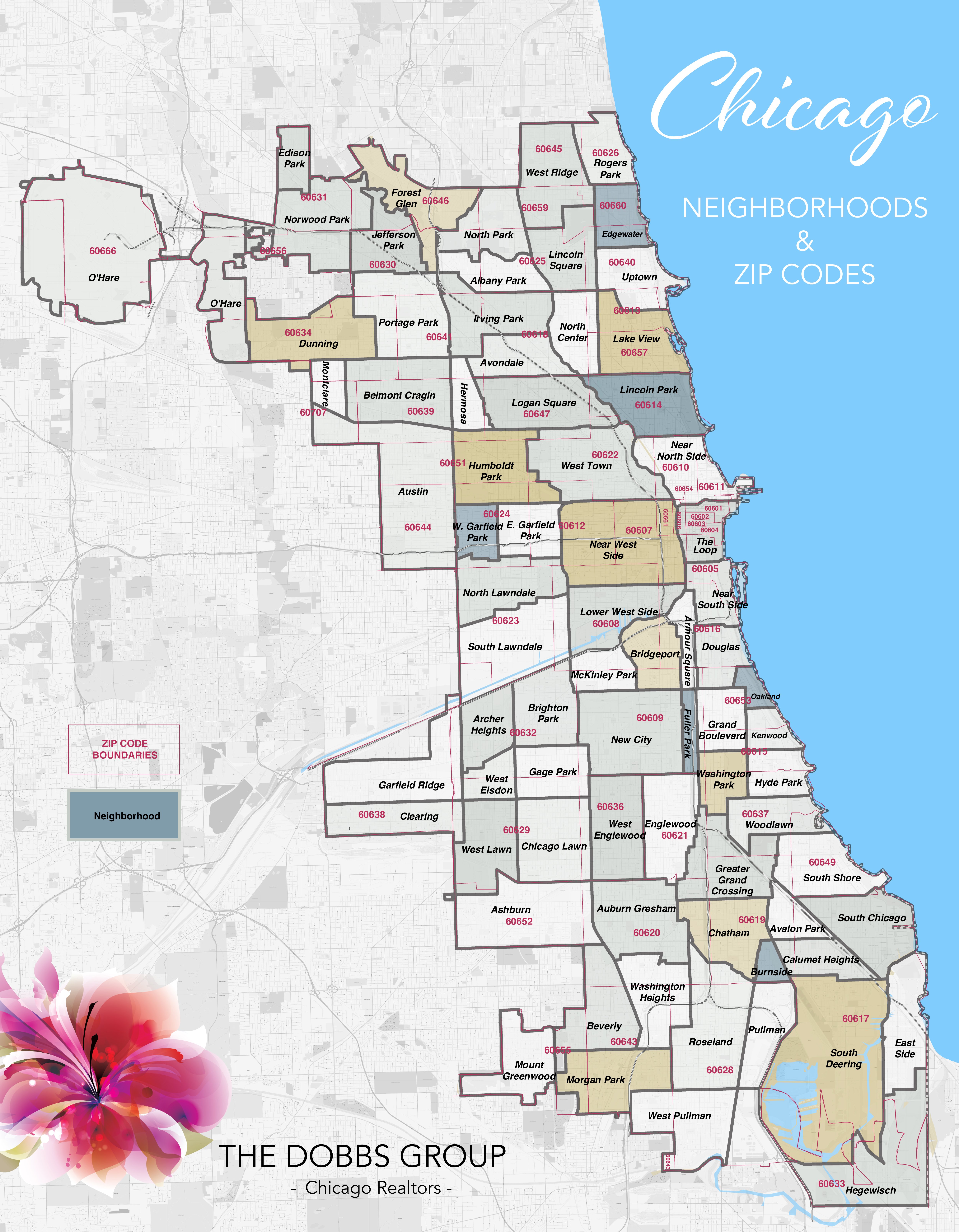
Chicago is a city of distinct neighborhoods, each with its own character and charm. Similarly, its area codes reflect a historical and practical division of its vast urban and suburban expanse. Understanding these numerical boundaries is an essential tip for any visitor looking to navigate the city efficiently.
The Dominant 312: Heart of Downtown
The 312 area code is synonymous with the very core of Chicago. It proudly encompasses Downtown Chicago, including the iconic business district of The Loop, as well as immediate surrounding areas such as River North, Streeterville, and parts of the Near North Side. This is where many of the city’s most famous landmarks, corporate headquarters, luxury hotels, and premier cultural institutions reside. For tourists, the 312 area code is often the first and most frequently encountered. If you’re staying in a central hotel, visiting the Art Institute of Chicago, or dining in a high-end restaurant near Millennium Park, you’ll predominantly encounter businesses and contacts bearing the 312 prefix. Historically, 312 is one of the original 86 area codes introduced in 1947, marking its foundational significance to the city’s identity. Recognizing this code instantly tells you that you are communicating with an entity situated right in the bustling heart of the city.
The Expansive 773: Covering the Neighborhoods
Stepping just beyond the immediate downtown core, you enter the realm of the 773 area code. This expansive prefix covers the vast majority of Chicago’s residential neighborhoods and a significant portion of its diverse cultural fabric. From the vibrant nightlife of Wicker Park and the leafy streets of Lincoln Park to the historic intellectual hub of Hyde Park on the South Side, the 773 area code connects you to the authentic local life that defines much of Chicago. Tourists venturing out to explore local breweries, neighborhood eateries, smaller art galleries, or community events will frequently interact with phone numbers beginning with 773. It signifies a connection to the broader urban tapestry, offering a glimpse into the everyday lives of Chicago residents beyond the tourist-heavy center.
The Overlays 872 and 464: Adapting to Growth
As Chicago continued to grow and demand for new phone numbers surged, the Illinois Commerce Commission introduced overlay area codes. The 872 area code was introduced as an overlay to the 312 region, while 464 was established to overlay the 773 region. What this means for visitors is crucial: these new prefixes do not denote a different geographical area. Instead, numbers with 872 now exist alongside 312 numbers in Downtown Chicago, and 464 numbers are found alongside 773 numbers throughout the rest of the city. The primary implication of these overlays is the mandatory adoption of 10-digit dialing. To successfully connect with any local number in Chicago, regardless of whether it shares your own area code, you must always dial the three-digit area code followed by the seven-digit local number. This is a fundamental tip for hassle-free communication during your visit.
Beyond the City Limits: Chicago Metropolitan Area Codes
While the 312, 773, 872, and 464 codes cover the city proper, the greater Chicago metropolitan area is vast, extending into numerous suburbs that play a significant role in the region’s economy and culture. Tourists often interact with these areas for airport transfers, specific attractions, or visiting friends and family.
Suburban Sprawl: The 847, 224, 630, 331, 708, and 464 Codes
The sprawling suburbs surrounding Chicago are covered by their own sets of area codes, often introduced as overlays to manage demand.
- 847 and 224 primarily serve the northern and northwestern suburbs, including key areas like Evanston, Schaumburg, and the O’Hare International Airport vicinity.
- 630 and 331 cover the western suburbs, home to bustling communities such as Naperville and Aurora.
- 708 and 464 (it’s important to note 464 also serves some suburbs in addition to being a city overlay) are assigned to the southern and southwestern suburbs, encompassing places like Oak Park and Orland Park.
For a tourist, these codes become relevant when planning excursions outside the city center, perhaps to visit a specific suburban attraction, attend a concert at an arena located in a suburb, or even when arranging ground transportation that originates from or travels through these areas.
Implications for Visitors and Travelers
Understanding these metropolitan area codes offers a broader geographic perspective of Chicago and its interconnected region. While your primary focus as a tourist will likely be within the city limits, knowing that a number starting with 847, for instance, indicates a location north of the city can be a helpful geographical cue. This awareness can assist in planning logistics, such as travel times, and in understanding the broader reach of services available within the greater Chicago area. For instance, a call to a shuttle service from O’Hare (often 847) or a car rental agency in a western suburb (likely 630) will require the appropriate area code.
Practical Tips for Tourists: Making the Call in Chicago
Armed with knowledge of Chicago’s area codes, tourists can approach communication with confidence. However, a few practical tips can ensure a truly smooth experience.
Mandatory 10-Digit Dialing
This cannot be stressed enough: due to the introduction of overlay area codes, 10-digit dialing is mandatory for all local calls within Chicago. Whether you are calling a 312 number from a 312 number, or a 773 number from a 773 number, you must always include the three-digit area code before the seven-digit local number. Failing to do so will result in a failed connection. For most mobile phone users, this is often a non-issue as modern smartphones typically default to including the area code. However, it’s a critical point to remember, especially if you’re using a landline or manually dialing numbers.
International Visitors and Dialing Codes
For international visitors, an additional layer of dialing is required. When calling any number in the United States from abroad, you must first dial the international access code for your country, followed by the United States country code (+1), and then the full 10-digit Chicago number (area code + local number). For example, if calling a Chicago number from Europe, it would be [International Access Code] + 1 + [Chicago Area Code] + [7-digit local number]. It is highly recommended for international tourists to consider purchasing a local SIM card or ensuring their international roaming plan is robust to avoid exorbitant charges and facilitate easy local communication.
Emergency Services and Key Contacts
In case of an emergency while visiting Chicago, remember that 911 is the universal emergency number for police, fire, and medical assistance. This number can be dialed directly without any area code, from any phone. For non-emergency situations, such as contacting the police for a non-urgent matter or seeking tourist information, these numbers will typically follow the 10-digit dialing rule, so ensure you have the correct area code and full number.
Chicago’s Digital Divide: Beyond Traditional Phone Calls
While area codes are fundamental to telephony, the modern travel experience increasingly leverages digital communication methods.
Connectivity in the Modern Age
Today’s tourists often rely on a plethora of digital tools to navigate a city. Chicago, as a major global city, offers extensive connectivity. Most hotels, cafes, restaurants, and many public spaces provide free Wi-Fi access. Travelers frequently use apps for ride-sharing (like Uber or Lyft), food delivery, digital ticketing for attractions, and instant messaging services, all of which often bypass the need for traditional phone calls and, by extension, direct interaction with area codes. This digital infrastructure allows for great convenience and often reduces the reliance on traditional communication methods for many day-to-day tourist activities.
The Enduring Relevance of Area Codes
Despite the rise of digital alternatives, the relevance of area codes endures. They are critical for official communications, contacting local businesses that may not have a strong app presence, making specific reservations (especially for smaller, local establishments), and for anyone who prefers or needs to communicate via traditional phone calls. More than just a number, an area code also provides a sense of place. For a seasoned traveler, encountering a 312, 773, or one of the suburban prefixes offers an immediate geographic context, enhancing their understanding of Chicago’s layout and the origin of a particular contact. They remain a foundational element of the city’s communication infrastructure and a subtle indicator of local identity.
Chicago by the Numbers: A Touristic Perspective
Integrating knowledge of Chicago’s area codes into your travel planning can add a layer of insight and practicality to your trip.
Planning Your Itinerary with Communication in Mind
When meticulously planning your Chicago itinerary, consider how area codes might play a role. If you’re booking a stay in a chic hotel in The Loop, expect its contact number to begin with 312 or 872. Conversely, if you’re reserving a table at a quaint, highly-rated bistro in Lincoln Park or Wicker Park, the prefix will likely be 773 or 464. This understanding helps in organizing your contacts and mentally mapping out the city. Calling ahead to confirm museum hours, make dinner reservations, or book a guided tour becomes a more confident and efficient process when you’re familiar with the correct dialing protocol.

A Sense of Place Through Prefixes
For the curious traveler keen on delving deeper into local culture, area codes offer a unique, albeit subtle, sense of place. They delineate regions, sometimes reflecting historical developments of urban expansion. Understanding that a 312 number signifies the bustling financial and cultural heart, while a 773 number indicates the diverse, residential neighborhoods, enriches one’s appreciation of Chicago’s multifaceted character. It’s a small piece of the puzzle that, when combined with architectural styles, local dialects, and culinary traditions, helps paint a more complete picture of this incredible city.
In conclusion, knowing “What Chicago Area Code?” is more than just memorizing numbers; it’s about equipping yourself with essential local information that facilitates smoother interactions, enhances your ability to connect with services, and ultimately enriches your overall tourism experience. By understanding the primary codes, the nuances of overlays, and the mandatory 10-digit dialing, visitors can navigate Chicago’s communication landscape with confidence. This practical knowledge is a valuable tip for anyone seeking to fully immerse themselves in the vibrant life and culture of the Windy City. So, whether you’re calling a local jazz club, confirming a reservation, or simply staying in touch, being numerically savvy will ensure your Chicago adventure is connected and seamless.
LifeOutOfTheBox is a participant in the Amazon Services LLC Associates Program, an affiliate advertising program designed to provide a means for sites to earn advertising fees by advertising and linking to Amazon.com. Amazon, the Amazon logo, AmazonSupply, and the AmazonSupply logo are trademarks of Amazon.com, Inc. or its affiliates. As an Amazon Associate we earn affiliate commissions from qualifying purchases.