
Nestled in the heart of the Mojave Desert, Las Vegas stands as a dazzling testament to human ambition, resilience, and a touch of daring ingenuity. Today, it’s a global icon, synonymous with vibrant nightlife, world-class entertainment, luxurious hotels, and an array of travel experiences catering to every whim. But the sparkling metropolis we know today began as a humble watering hole, a strategic stop in a vast, arid landscape. Its transformation from a desert outpost into the “Entertainment Capital of the World” is a fascinating saga interwoven with natural resources, pioneering spirit, economic shifts, and a calculated embrace of leisure and escapism. Understanding how Las Vegas got started provides invaluable context for its unique culture, its iconic landmarks, and its unparalleled status as a premier tourism destination.
The Arid Beginnings: A Strategic Stop in the Mojave
The story of Las Vegas doesn’t begin with neon lights or high-stakes tables, but with verdant meadows fed by natural springs in an otherwise unforgiving desert. This precious resource made the area a vital waypoint long before any permanent settlements existed, shaping its destiny as a place of convergence and rest.
Indigenous Roots and Early Explorers
Before European arrival, the area around present-day Las Vegas was inhabited by indigenous groups, including the Paiute people, who utilized the abundant spring water to sustain life and cultivate small gardens. The natural artesian springs created lush meadows, giving the area its Spanish name: “Las Vegas,” meaning “the meadows.” These verdant oases were crucial for survival in the harsh Mojave Desert.
The first documented non-native to visit the Las Vegas Valley was Rafael Rivera, a scout for Spanish merchant Antonio Armijo, in 1829. Rivera was part of a group seeking a new trade route between New Mexico and California. His discovery of the springs provided a much-needed respite along what would become known as the Old Spanish Trail. This established Las Vegas as a vital watering stop for travelers, traders, and explorers navigating the treacherous journey across the southwestern United States. The springs were so critical that they dictated the future town’s location, directly impacting its role in early American expansion and setting the stage for subsequent development and the establishment of basic accommodation for weary travelers.
The Railroad Arrives: Birth of a Town
The true catalyst for Las Vegas’s establishment as a formal settlement was the advent of the railroad. In the early 20th century, the San Pedro, Los Angeles and Salt Lake Railroad, later acquired by the Union Pacific Railroad, sought a halfway point between Salt Lake City and Los Angeles where trains could stop for water and coal. The natural springs of the Las Vegas Valley made it the ideal location.
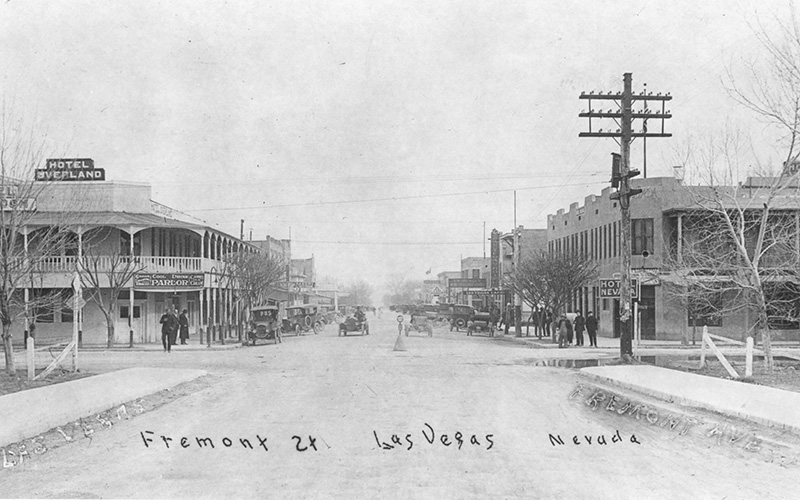
On May 15, 1905, the railroad held an auction to sell 1,200 lots of land adjacent to its tracks. This date is widely considered the official birth of modern Las Vegas. The auction drew speculators, entrepreneurs, and settlers eager to capitalize on the new rail hub. Businesses quickly sprang up to serve railroad workers and passengers, including hotels, boarding houses, and saloons. The initial layout of the town, centered around the railroad depot, formed what is now downtown Las Vegas and the Fremont Street Experience. This nascent community, driven by the practical needs of travel and transportation, was already laying the groundwork for its future as a service-oriented destination, offering accommodation and local culture to those passing through.
The Spark of Development: Water, Gambling, and Opportunity
The early 20th century brought two pivotal developments that dramatically altered the trajectory of Las Vegas: a massive federal infrastructure project that created a local economic boom and a groundbreaking legislative decision that would define its identity for decades to come.
The Hoover Dam’s Economic Jolt
The Great Depression hit the United States hard, but Las Vegas found an unlikely lifeline in a monumental federal project: the construction of the Hoover Dam on the Colorado River. Beginning in 1931, thousands of workers flocked to the remote Black Canyon to build what was then the largest concrete structure in the world. Many of these workers, along with their families, settled in Las Vegas, injecting desperately needed money and vitality into the struggling town.
The dam project transformed Las Vegas from a small railroad town into a bustling service center. Demand for housing, food, and entertainment soared. This influx of people and capital spurred the construction of new businesses, including hotels, restaurants, and entertainment venues, laying the foundation for its future as a tourism hub. The scale of the project was immense, and the need for recreation for thousands of laborers working in harsh conditions further fueled the demand for diversions. The Hoover Dam not only provided essential water and electricity for the burgeoning Southwest but also inadvertently created the first wave of tourism infrastructure for Las Vegas, attracting visitors to marvel at the engineering wonder and experience the local culture that had sprung up around it. Today, the Hoover Dam remains a major landmark and a popular attraction for visitors to Las Vegas, often combined with tours to the Grand Canyon.
Legalizing the Lure: Gambling’s Green Light
Perhaps the single most defining moment in Las Vegas’s history came in 1931. While many states were tightening their laws on gambling, Nevada was heading in the opposite direction. Facing economic hardship and seeking new sources of revenue, the state legislature passed a bill legalizing open gambling. This bold move, combined with the state’s already liberal divorce laws (which offered quick, easy divorces), positioned Nevada as an attractive destination for those seeking freedom from social constraints or a fresh start.
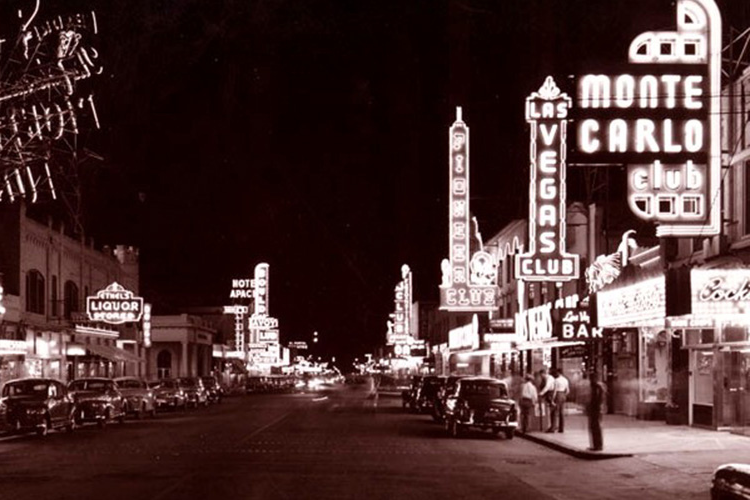
Las Vegas, with its growing population and infrastructure thanks to the Hoover Dam, was perfectly poised to capitalize on this legislative change. Small casinos and gaming parlors began to proliferate, first in downtown Las Vegas, catering to workers and travelers. The legalization provided a legitimate framework for what had largely been an underground activity, allowing it to blossom into a powerful economic engine. This decision wasn’t just about gambling; it was about creating a unique lifestyle proposition, offering an escape that other cities couldn’t legally provide. It transformed the city’s tourism appeal, shifting it from a mere waypoint to a destination built around specific activities and experiences.
The Golden Age of Glamour: Visionaries and The Strip’s Evolution
With legalized gambling as its foundation, Las Vegas was ripe for expansion. The post-World War II era saw the emergence of visionary entrepreneurs – some with dubious connections – who recognized the potential of combining elaborate hotels with gaming, creating the blueprint for the integrated resort experience that defines Las Vegas today.
Bugsy Siegel and The Dawn of Resort Living
The true genesis of the iconic Las Vegas Strip can be traced to Benjamin “Bugsy” Siegel. A notorious mobster with dreams of legitimate wealth, Siegel envisioned a glamorous, high-end resort that would attract not just locals, but wealthy tourists from Los Angeles and beyond. He chose a location outside the city limits, along Highway 91 (which would later become the Las Vegas Strip), to avoid city taxes and regulations.
On December 26, 1946, Siegel’s dream, the Flamingo Hotel and Casino, opened its doors. It was unlike anything Las Vegas had seen: luxurious accommodation, air conditioning (a novelty in the desert), a swimming pool, and star entertainment, all designed to make guests feel they were entering a different world. Though its initial opening was a financial disaster, the Flamingo quickly found its footing after a re-launch. Siegel’s vision of a sophisticated, all-encompassing resort experience proved immensely popular, paving the way for other developers to build similar establishments. The Flamingo Hotel is considered a landmark not just for its place in history but for setting the standard for the luxury travel and accommodation experiences that would define Las Vegas tourism.
The Rat Pack Era and Iconic Hotels
Throughout the 1950s and 1960s, the Las Vegas Strip blossomed. Inspired by the Flamingo’s success, new hotels and casinos rapidly appeared, each trying to outdo the last in terms of luxury, amenities, and entertainment. Iconic establishments like the Sahara, the Sands Hotel and Casino, the Riviera, Caesars Palace, and the Dunes defined this golden age.
This era was epitomized by the “Rat Pack” – Frank Sinatra, Dean Martin, Sammy Davis Jr., Peter Lawford, and Joey Bishop – who made the Sands Hotel their unofficial headquarters. Their legendary performances, impromptu appearances, and the glamorous lifestyle they embodied drew huge crowds and cemented Las Vegas’s reputation as a playground for adults, a place where anything was possible. Celebrity endorsements, live shows, and extravagant accommodations became key components of the Las Vegas experience, attracting tourists seeking not just to gamble, but to partake in a unique brand of luxury travel and entertainment. The hotels themselves became landmarks, architectural marvels, and symbols of a decadent, carefree lifestyle, further solidifying the city’s appeal as a premier destination for those seeking an unforgettable experience.
From Small-Time Bets to Mega-Resorts: Las Vegas Reinvented
The late 20th and early 21st centuries saw another dramatic transformation in Las Vegas. Corporate investment replaced much of the original mob influence, leading to the development of massive, themed mega-resorts and a conscious effort to diversify the city’s appeal beyond just gambling.
Corporate Giants and Theme-Based Wonders
By the 1970s and 80s, the landscape of Las Vegas began to shift. Corporate entities, attracted by the city’s robust tourism economy, started acquiring and developing properties. This ushered in an era of larger, more extravagant resorts. The advent of the mega-resort began with properties like the original MGM Grand Hotel and Casino (now Horseshoe Las Vegas) and the Circus Circus Hotel, which introduced family-friendly entertainment to the mix.
The 1990s marked a new pinnacle with the development of truly immersive, themed resorts. Mirage Las Vegas (1989) led the charge with its volcano and lush tropical atmosphere, followed by Excalibur’s medieval castle, Luxor’s pyramid, and New York-New York Hotel & Casino’s rendition of the New York skyline. These resorts weren’t just hotels; they were destinations in themselves, offering diverse accommodation options, multiple restaurants, elaborate shows, and unique attractions designed to capture the imagination of a broader audience. These architectural landmarks became tourist attractions in their own right, changing the entire concept of a hotel from a place to sleep to a comprehensive experience. Companies like MGM Resorts International and Caesars Entertainment became dominant forces, overseeing vast empires of hotels, resorts, and entertainment venues, continually pushing the boundaries of luxury travel and unique guest experiences.

Beyond Gambling: A Diversified Lifestyle Destination
Recognizing the need for sustainable growth and a wider appeal, Las Vegas strategically began to diversify its offerings beyond just gambling. While gaming remains central, the city has heavily invested in becoming a premier destination for conventions, fine dining, shopping, world-class shows, and outdoor adventures.
Today, Las Vegas boasts an incredible array of attractions that cater to every taste and lifestyle. The city is home to renowned resident performers like Cirque du Soleil and countless musical acts. Its culinary scene features celebrity chefs and Michelin-starred restaurants, making it a paradise for foodies. Luxury shopping, expansive spas, and vibrant nightlife options, from exclusive clubs to sophisticated lounges, abound. For those seeking cultural tourism or a break from the glitz, places like the Mob Museum, the Neon Museum, and the Springs Preserve offer historical and natural insights.
Moreover, its proximity to natural wonders like the Grand Canyon, Red Rock Canyon, and Lake Mead allows for an extension of the Las Vegas experience into outdoor activities, attracting a different segment of travelers. The Las Vegas Convention Center draws millions of business travelers annually, making the city a global hub for events and conferences. This strategic diversification has transformed Las Vegas into a truly multifaceted destination, offering an unparalleled blend of luxury travel, budget travel options, family trips, and business stays, solidifying its position as one of the most dynamic and visited cities in the world. The constant evolution of its hotels, attractions, and cultural experiences ensures that Las Vegas continues to redefine what a global entertainment capital can be.
LifeOutOfTheBox is a participant in the Amazon Services LLC Associates Program, an affiliate advertising program designed to provide a means for sites to earn advertising fees by advertising and linking to Amazon.com. Amazon, the Amazon logo, AmazonSupply, and the AmazonSupply logo are trademarks of Amazon.com, Inc. or its affiliates. As an Amazon Associate we earn affiliate commissions from qualifying purchases.