
For residents and visitors alike, understanding the intricacies of the legal system in any location provides a valuable sense of security and awareness. While the focus of many travelers and lifestyle enthusiasts might lean towards exploring vibrant cities like Dallas or enjoying the live music scene in Austin, it’s equally important to grasp the fundamentals of local jurisprudence. This article delves into a critical aspect of criminal justice in the Lone Star State: the timeline from indictment to trial in a Texas murder case. It’s a journey often fraught with complexity, significant legal strategy, and considerable human impact, taking much longer than many might initially assume.
The Texas criminal justice system, like others across the United States, is designed to ensure due process and a fair trial. However, the path from an arrest to a final verdict, especially in capital or serious felony cases like murder, is rarely straightforward or swift. Several factors contribute to the duration, making it a nuanced process that demands patience and thorough legal navigation.
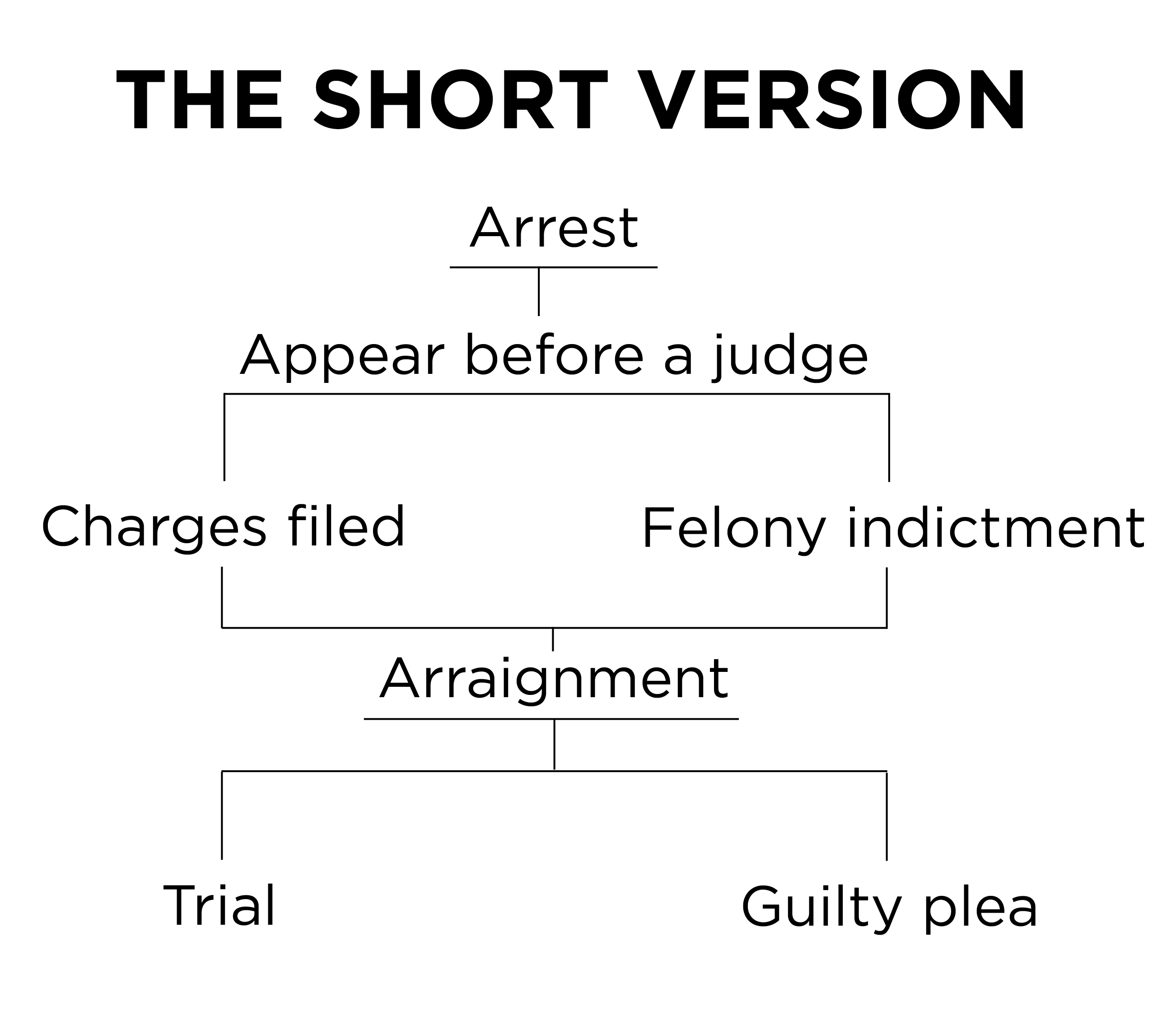
The Initial Steps: From Indictment to Arraignment
The journey through the criminal justice system in a Texas murder case begins long before an indictment, often with an arrest and a preliminary investigation. However, the indictment marks a pivotal shift, signaling that a grand jury believes there is sufficient evidence to formally charge an individual with a felony.
Understanding the Indictment
An indictment is a formal accusation issued by a grand jury, a body of citizens sworn to inquire into accusations of crime and to determine whether there is enough evidence to bring criminal charges against a person. In Texas, grand juries typically consist of 12 citizens. Unlike a trial jury, a grand jury’s role is not to determine guilt or innocence but rather to assess if there is “probable cause” to proceed with prosecution. For a murder case, the grand jury reviews evidence presented by the prosecutor, which might include witness testimonies, forensic reports, and other investigative findings. If at least nine of the 12 grand jurors agree, they will issue a “true bill,” which is the formal indictment.
The issuance of an indictment is a critical juncture. It means the state now has formal charges against the accused, and the case moves from the investigative phase into the more formal judicial process. While the time from arrest to indictment can vary, sometimes taking weeks or even months due to the complexity of the investigation and grand jury scheduling, the indictment itself is merely the formal gateway to potential trial proceedings.
The Significance of Arraignment
Following an indictment, the next significant step is the arraignment. This is the defendant’s first formal appearance in court after being indicted. During the arraignment, the defendant is formally informed of the charges against them. They will typically enter a plea, most commonly “not guilty” in murder cases, as cases that proceed to trial usually involve a contest of the charges. The judge will also address bail conditions, if they haven’t been set or reviewed already, and ensure the defendant has legal representation.
The arraignment generally occurs relatively quickly after an indictment, often within a few days or weeks, depending on court schedules and the defendant’s ability to secure counsel. While seemingly a minor procedural step, the arraignment sets the stage for all subsequent proceedings, confirming the defendant’s official status in the case and initiating the pre-trial phase. From this point forward, the clock effectively begins ticking towards a potential trial, though many complexities lie ahead.
Factors Influencing Trial Timelines in Texas Murder Cases
The period between indictment and trial in a Texas murder case is rarely short. It is subject to a multitude of variables that can significantly extend the timeline, often stretching from several months to well over a year, and in some highly complex or capital cases, even multiple years.
Case Complexity and Evidence Discovery
Murder cases are inherently complex. They involve high stakes for both the accused and the state, demanding meticulous attention to detail. The volume of evidence can be immense, including:
- Forensic evidence: DNA analysis, ballistics, fingerprinting, toxicology reports, medical examiner reports from the Texas Medical Center in Houston or other facilities.
- Witness testimonies: Both lay witnesses and expert witnesses.
- Digital evidence: Cell phone records, social media, surveillance footage.
- Physical evidence: Weapons, clothing, crime scene documentation.
The process of “discovery” is a crucial and often lengthy phase where both the prosecution and defense exchange information and evidence relevant to the case. The defense has a right to review all evidence the prosecution intends to use, as well as any exculpatory evidence (evidence that might suggest innocence). This can involve thousands of pages of documents, hours of video footage, and numerous reports requiring careful review by legal teams. The sheer volume and technical nature of this evidence, often necessitating independent expert analysis by the defense, can take many months to complete. Delays can occur if evidence is contested, additional analyses are required, or new evidence surfaces.
Court Dockets and Judicial Schedules
The availability of court resources significantly impacts trial timelines. Texas courts, particularly those handling felony cases in major metropolitan areas like Harris County, Dallas County, or Bexar County, are often inundated with a high volume of cases. Judges manage extensive dockets, juggling multiple trials, hearings, and administrative duties. Scheduling a murder trial, which can last for weeks, requires a clear slot on a judge’s calendar, and often, an available courtroom and jury pool.
Furthermore, the legal teams involved – prosecutors from the District Attorney’s office and defense attorneys – often have multiple cases pending simultaneously. Coordinating their schedules to find a mutually agreeable trial date adds another layer of complexity. Continuances, or requests to postpone a trial, are common and can be granted for various reasons, including further investigation, witness availability, or attorney conflicts. Each continuance pushes the trial date further into the future.
Pre-Trial Motions and Plea Bargaining
Before a trial can commence, numerous pre-trial motions are often filed by both the prosecution and defense. These motions address various legal issues and can include requests to:
- Suppress evidence: Argue that certain evidence was obtained illegally and should not be presented to a jury.
- Change of venue: Request the trial be moved to a different county due to extensive pre-trial publicity.
- Challenge witness testimony: Dispute the admissibility or credibility of certain witnesses.
- Sever co-defendants: Request separate trials for individuals charged in the same crime.
Each motion requires hearings, legal arguments, and a ruling from the judge. This process can be time-consuming, with some motions requiring extensive briefing and expert testimony. The rulings on these motions can dramatically impact the course of the trial, sometimes even leading to the dismissal of charges or significant changes in strategy.
Plea bargaining is another pervasive factor. While murder cases are less frequently resolved through plea deals than lesser felonies, negotiations still occur. Prosecutors and defense attorneys engage in discussions to explore potential plea agreements that might avoid a full trial. These negotiations can be protracted, involving multiple offers and counter-offers, and can significantly delay a trial date while options are explored. If a plea deal is eventually reached, the trial is averted; if not, the case proceeds, often after many months of negotiation.

The Role of Expert Witnesses and Investigations
In murder trials, expert witnesses play a pivotal role. These can include forensic pathologists, ballistic experts, DNA analysts, psychologists, and crime scene reconstructionists. Both the prosecution and defense often rely on their own experts to interpret complex scientific or technical evidence. Identifying, interviewing, preparing, and ensuring the availability of these experts for testimony can be a time-consuming process. Experts often have busy schedules, and coordinating their appearances requires significant lead time.
Furthermore, ongoing investigations, even after indictment, can uncover new evidence or require follow-up. Defense teams conduct their own independent investigations to challenge the state’s case, interviewing witnesses, revisiting crime scenes, and scrutinizing police procedures. This parallel investigative work is essential but contributes to the overall duration of the pre-trial phase.
The Journey to Trial: Average Timelines and Expectations
Given the confluence of factors discussed, establishing a precise timeline for a Texas murder trial after indictment is challenging. However, general expectations can be outlined.
General Criminal Case Timelines
For most felony cases in Texas, a trial typically occurs within 6 to 18 months after indictment. Simpler cases, or those where a defendant is eager for a quick resolution, might proceed faster, but this is less common for serious offenses. The Sixth Amendment to the U.S. Constitution guarantees a right to a speedy trial, and Texas law also includes provisions for this. However, what constitutes “speedy” is often open to interpretation and can be waived by the defense, particularly when more time is needed to prepare a robust defense. Delays caused by the defense are usually not counted against the state for speedy trial purposes.
Specifics for Murder Cases in Texas
For murder cases in Texas, the timeline is almost always on the longer end of the spectrum, and often exceeds the general felony average. It is not uncommon for a murder trial to commence 18 months to 2 years, or even longer, after the indictment.
Several factors specific to murder cases contribute to this extended duration:
- Severity of charges: The grave nature of a murder charge means that every aspect of the case is meticulously scrutinized. Errors or shortcuts are simply not an option for either side.
- Capital cases: If the murder case involves circumstances that could lead to the death penalty (capital murder), the pre-trial phase becomes even more extensive and prolonged. The discovery process is more rigorous, more motions are filed, and jury selection (voir dire) is far more exhaustive and time-consuming, often taking weeks on its own.
- Resources: Both prosecution and defense often allocate significant resources to murder cases, which can involve large teams of lawyers, investigators, and paralegels. This extensive resource allocation, while necessary, can also slow down certain processes as multiple parties coordinate.
In some high-profile or particularly complex cases involving multiple defendants, extensive forensic evidence, or international components, the period from indictment to trial can potentially extend to three years or more. These cases often involve intricate legal battles over evidence admissibility, complex scientific testimony, and exhaustive jury selection procedures.
The Impact of Plea Negotiations on Trial Dates
While plea negotiations might seem like a way to expedite cases, they often contribute to the delay of trial dates. As parties engage in extensive discussions, court dates are often continued to allow more time for negotiation. A trial date might be set, then reset multiple times, as the defense explores all avenues for a potential resolution without trial. It is only when all plea options have been exhausted and no agreement can be reached that both sides fully commit to the arduous process of preparing for trial, often leading to a final, firm trial date that could still be months away.
Navigating the Legal System: Advice and Considerations
Understanding the potential timeline for a murder trial in Texas underscores the profound impact such legal proceedings have on individuals, families, and communities. While this is not travel advice in the traditional sense, awareness of local laws and legal processes is an important aspect of a comprehensive understanding of any region, whether for long-term residency or even just extended visits, offering a deeper insight into the local lifestyle and societal structures.
The Importance of Legal Representation
For anyone facing serious criminal charges, especially murder, securing highly competent legal representation is paramount. An experienced criminal defense attorney familiar with Texas law and local court procedures can:
- Navigate the complex legal process: Guiding the defendant through each stage from arraignment to trial.
- Protect rights: Ensuring all constitutional and statutory rights are upheld.
- Conduct thorough investigations: Uncovering evidence that may support the defense.
- Negotiate effectively: Engaging with prosecutors regarding plea bargains.
- Present a strong defense: Strategically challenging the state’s case at trial.
Organizations like the State Bar of Texas can provide resources for finding qualified legal counsel, highlighting the professional standards expected of attorneys practicing in the state. The choice of legal counsel can significantly influence both the timeline and the outcome of a murder case.
Understanding Your Rights in Texas
For anyone interacting with the Texas legal system, whether as an accused, a witness, or simply an interested citizen, knowing fundamental rights is crucial. These rights include:
- Right to remain silent: The Fifth Amendment protects against self-incrimination.
- Right to an attorney: The Sixth Amendment guarantees the right to legal counsel.
- Right to a speedy and public trial: While “speedy” is relative, trials are generally open to the public.
- Right to confront witnesses: The right to cross-examine accusers.
- Right to compel witnesses: The ability to subpoena witnesses to testify on one’s behalf.
These rights are foundational to the American justice system and are rigorously protected in Texas. Understanding them provides an individual with critical safeguards within what can often feel like an overwhelming and protracted legal process.
In conclusion, the question of “How long after indictment is trial in Texas murder?” doesn’t have a simple answer. It’s a journey marked by careful legal procedures, extensive discovery, court scheduling challenges, and strategic pre-trial maneuvering. While general felony cases might go to trial in under two years, murder cases, particularly those involving complex evidence or capital charges, routinely extend beyond this, often taking 18 months to 3 years or even more. This extended timeline reflects the gravity of the charges and the commitment of the Texas justice system to ensure due process for all involved. For those who call Texas home or are considering an extended stay, appreciating the depth and rigor of its legal framework is as integral as exploring its diverse cultural and geographical landscapes.
LifeOutOfTheBox is a participant in the Amazon Services LLC Associates Program, an affiliate advertising program designed to provide a means for sites to earn advertising fees by advertising and linking to Amazon.com. Amazon, the Amazon logo, AmazonSupply, and the AmazonSupply logo are trademarks of Amazon.com, Inc. or its affiliates. As an Amazon Associate we earn affiliate commissions from qualifying purchases.