
Navigating the complexities of temporary disability can be a challenging journey, particularly when it impacts your ability to work and maintain your usual lifestyle. For residents of California, the State Disability Insurance (SDI) program serves as a vital safety net, offering partial wage replacement during periods when a non-work-related illness, injury, or pregnancy prevents you from performing your job duties. While the primary focus of SDI is financial support during recovery, it’s also a time when one’s priorities shift towards well-being, comfort, and, for many, a longing for a change of scenery or a restorative environment. Understanding the duration of these benefits is crucial for planning not just your recovery, but also any adjustments to your daily life, potential short-term accommodation needs, and even future travel aspirations.
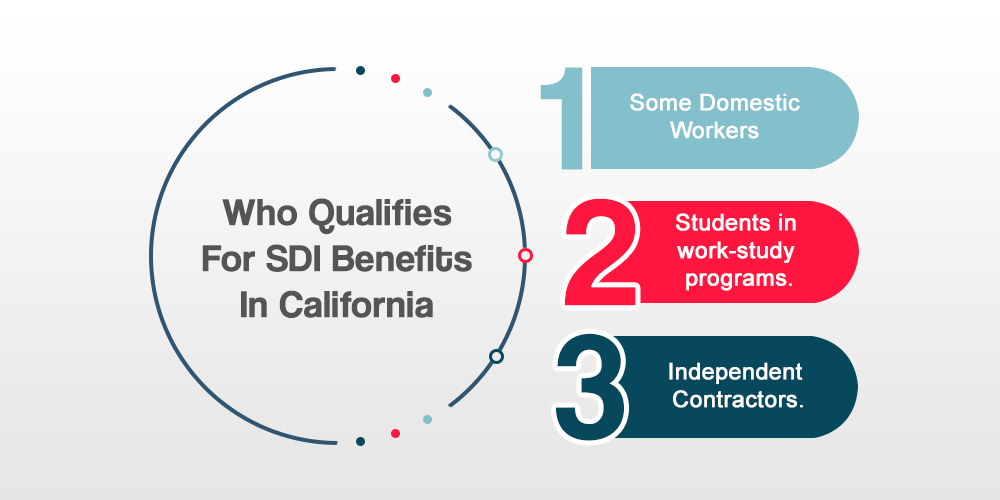
This article delves into the specifics of how long you can receive California State Disability benefits, exploring the various components of the program and offering insights into how to approach this period from a holistic lifestyle perspective. Even when faced with limitations, the pursuit of comfort, gentle experiences, and thoughtful planning for your return to full health can incorporate elements of intelligent accommodation choices and accessible tourism, transforming a challenging time into an opportunity for focused recuperation and strategic future planning.
Understanding California State Disability Insurance (SDI)
The California State Disability Insurance (SDI) program is a mandatory, employer-funded insurance program designed to provide short-term wage replacement benefits to eligible workers. Administered by the Employment Development Department (EDD), SDI is a cornerstone of the state’s social safety net, ensuring that individuals who are temporarily unable to work due to medical reasons do not face complete financial hardship. It’s important to distinguish SDI from workers’ compensation, which covers work-related injuries, and unemployment insurance, which is for those able and available to work but without a job. SDI specifically targets non-work-related disabilities.
The program consists of two main benefit types:
- Disability Insurance (DI): This provides benefits to individuals who are unable to work due to their own non-work-related illness, injury, or pregnancy.
- Paid Family Leave (PFL): While not a “disability” benefit for the claimant in the traditional sense, PFL provides benefits to individuals who need to take time off work to care for a seriously ill family member, to bond with a new child, or to participate in a qualifying event related to a family member’s military deployment. It falls under the umbrella of the SDI program because it uses the same funding mechanism and administrative framework.
To be eligible for SDI benefits, several criteria must be met:
- Inability to Work: You must be unable to do your regular work for at least eight consecutive days due to a non-work-related illness, injury, or pregnancy.
- Loss of Wages: You must have suffered a loss of wages due to your disability.
- Wages Earned in Base Period: You must have earned at least $300 in wages subject to SDI deductions during your “base period.” The base period is a 12-month period that falls approximately 5 to 17 months before your claim begins.
- Medical Certification: A licensed physician or practitioner must certify your disability.
- Employment Status: You must be employed or actively looking for work at the time your disability began.
- Waiting Period: There is a seven-day non-payable waiting period before benefits begin for DI claims. For PFL claims, there is no waiting period.
Understanding these foundational aspects is critical before diving into the duration of benefits, as eligibility directly impacts how long you can receive support and, consequently, how you might plan your lifestyle and recovery journey.
Navigating the Duration of SDI Benefits
The duration of California State Disability benefits is a key concern for anyone relying on this support. While there are maximum limits, the actual length of time an individual receives benefits can vary based on the specific type of claim and the individual’s medical circumstances. It’s important to manage expectations and plan accordingly, especially when considering how this period might impact your personal well-being, potential changes in accommodation, or even the feasibility of restorative travel experiences.
Disability Insurance (DI) Benefits
For those claiming Disability Insurance (DI) due to their own illness, injury, or pregnancy, the maximum duration of benefits is 52 weeks. This means that you can receive DI benefits for up to 52 weeks (or 365 days) for any single disability claim. However, it’s crucial to understand that this does not necessarily mean 52 consecutive weeks. Your benefits will cease earlier if:
- You recover from your disability and are able to return to work.
- You have exhausted your available benefits (either the 52-week maximum or the total amount of wages in your base period, whichever comes first).
- Your medical certification indicates you are no longer disabled.
The 52-week period offers significant time for recovery, rehabilitation, and adaptation to new circumstances. During this period, benefit payments are typically calculated to be approximately 60-70% of your average weekly wages earned during your base period, up to a maximum weekly benefit amount set by the EDD. This partial wage replacement is designed to help cover essential living expenses, providing a baseline for budgeting during your recovery. For individuals whose recovery requires extended rest or specialized care, this duration can be invaluable, allowing for a more measured approach to health without immediate financial pressure.
Paid Family Leave (PFL) Benefits
As part of the broader SDI program, Paid Family Leave (PFL) offers a different benefit duration. If you are taking PFL to bond with a new child or to care for a seriously ill family member, you can receive benefits for up to 8 weeks within any 12-month period. Unlike DI, there is no waiting period for PFL claims. The benefit amount for PFL is also typically 60-70% of your weekly wages, up to the maximum weekly benefit.
While PFL is not about your personal disability, it significantly impacts the lifestyle and financial planning of California families. The 8-week period provides crucial support for new parents to bond with their children or for caregivers to dedicate time to their loved ones without complete loss of income. This allowance often means families can afford to focus on these important life events, potentially even considering comfortable “accommodation” or making “lifestyle” adjustments to support the new child or the ill family member.
Lifestyle, Recovery, and Travel: A Holistic Approach While on SDI
Being on California State Disability often means a significant shift in one’s daily routine and overall “lifestyle.” While the focus is primarily on recovery, this period can also be an opportune time to prioritize holistic well-being. Far from being confined, many individuals find that thoughtfully planned changes to their living environment, or even gentle, restorative “travel experiences,” can significantly aid in their recuperation process. The website’s core themes of travel, hotels, tourism, and accommodation become surprisingly relevant when considering the best ways to support your recovery.
Creating a Conducive Recovery Environment
The importance of a comfortable and calming “accommodation” cannot be overstated during a period of disability. For many, this means making their own home as conducive to healing as possible. However, for those needing a more focused recovery away from daily distractions, or perhaps closer to specialized medical facilities, considering short-term rentals or extended-stay options might be beneficial. Imagine a quiet apartment in a peaceful neighborhood, offering the comforts of home without the stress of upkeep, or perhaps a serene villa for a few weeks if budget allows.
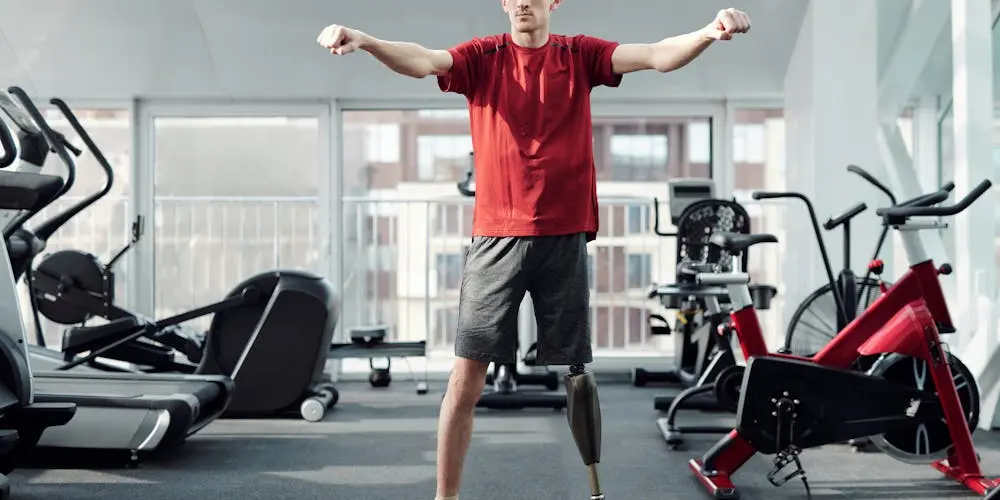
Key “amenities” to look for in any recovery environment include:
- Accessibility: Especially if mobility is an issue, ensuring ramps, grab bars, and accessible bathrooms.
- Comfort: A comfortable bed, soft lighting, and a quiet atmosphere are paramount for rest.
- Convenience: Proximity to medical appointments, pharmacies, and healthy food options.
- Space for Recuperation: Dedicated areas for relaxation, light exercise, or simply enjoying peace.
Cities like San Diego or quiet suburbs outside Los Angeles offer a range of residential areas that could provide suitable, restorative environments, combining access to top-tier medical care with pleasant surroundings. Even within bustling metropolises, pockets of tranquility exist that can be perfect for focused healing.
Travel Considerations and SDI Rules
A common question for those on SDI is: “Can I travel while receiving benefits?” The answer is generally yes, but with crucial caveats. The core principle of SDI is that you are unable to work due to your disability. Therefore, any travel must not contradict this fundamental condition or impede your recovery.
- Medical Endorsement: Your travel plans should align with your doctor’s recommendations and not exacerbate your condition. Travel for medical treatment or for recuperation advised by a physician is generally acceptable.
- Availability for Examination: You must remain available for medical examinations if required by the EDD.
- Reporting Out-of-State Travel: If you plan to leave California, especially to another state or country, it is imperative to inform the EDD. While benefits can sometimes continue if you are still deemed disabled and meet all other eligibility requirements, non-disclosure can lead to complications or benefit suspension.
For individuals recovering, “accessible travel” options become a priority. This might involve choosing destinations known for their gentle pace and easy navigation. A peaceful stay in a charming town in Santa Barbara, enjoying the coastal breeze, or a quiet retreat near [Lake Tahoe](https://lifeoutoutofbox.com/lake-tahoe]’s serene landscapes (if seasonal access and mobility allow) could offer a much-needed change of scenery without being overly strenuous. The focus shifts from adventurous “destinations” to restorative “experiences.”
Budgeting and Planning for a Recovery Lifestyle
Since SDI provides partial income, effective budgeting is crucial. This is where “budget travel” strategies and smart “accommodation” choices truly shine. If a change of scenery is medically advised or highly beneficial for mental health, consider:
- Long-Term Stay Discounts: Many hotels and rental properties offer reduced rates for extended stays (e.g., a week or a month), which can be more economical than nightly rates.
- Serviced Apartments: These often come with kitchenettes, allowing for self-catering and saving on dining out expenses.
- Off-Season Travel: If your condition allows, traveling during off-peak seasons can significantly reduce costs for both accommodation and local activities.
- Local Explorations: Instead of grand international trips, focus on local excursions within California that are easily accessible and low-stress.
Prioritizing your well-being doesn’t have to mean breaking the bank. It means making intentional choices that support your healing process, whether it’s investing in a comfortable staycation or a short, restorative trip that aligns with your physical and financial capabilities.
Beyond the Benefits: Maximizing Your Wellbeing
The period on California SDI is more than just receiving payments; it’s an opportunity for introspection, self-care, and strategic planning for your future. Even with physical limitations, there are numerous ways to engage with the world, maintain a sense of purpose, and enrich your “lifestyle” through accessible “tourism” and thoughtful engagement with your surroundings.
Exploring Local Culture and Activities (Accessible Tourism)
While high-energy sightseeing might be out of the question, many gentle “experiences” can still connect you with “local culture” and provide mental stimulation. California is rich with accessible attractions that can be enjoyed at a slower pace:
- Museums and Galleries: Cities like San Francisco and Los Angeles boast world-class museums, many offering wheelchair accessibility and quiet spaces for contemplation. Imagine spending a peaceful afternoon at the Getty Center or exploring the historic exhibits in Sacramento.
- Botanical Gardens and Parks: Many public gardens provide paved paths and benches, offering a serene environment for a gentle stroll or simply enjoying nature. Even iconic “landmarks” like the Golden Gate Bridge can be admired from accessible viewpoints, providing a sense of grandeur without requiring strenuous activity.
- Culinary Exploration: Engaging with local “food” culture can be a delightful and low-impact activity. Visiting farmers’ markets, trying new restaurants, or even taking an accessible cooking class can be fulfilling.
The key is to seek out “activities” that align with your current physical capabilities and bring you joy without stress. This form of “tourism” prioritizes mental and emotional well-being, which are just as crucial as physical recovery.
The Role of Amenities and Comfort
When considering any form of “accommodation,” whether it’s a temporary rental or a brief restorative stay, the “amenities” offered play a significant role in enhancing recovery. For instance, some “resorts” or “suites” are designed with wellness in mind, offering features such as:
- Accessible Rooms: Ensuring wide doorways, roll-in showers, and appropriate bed heights.
- Room Service or On-Site Dining: Reducing the need to go out for meals.
- Quiet Zones: Providing a peaceful environment free from noise and crowds.
- On-Site Wellness Services: Access to gentle yoga, meditation, or even physical therapy if available and approved by your doctor.
Even a simple hotel stay can be transformative if it offers a level of comfort and convenience that your home environment might lack during a challenging recovery period. The goal is to minimize stressors and maximize opportunities for rest and healing.
Long-Term Stay Considerations
For those facing prolonged recovery, “long-term stay” options become increasingly relevant. This might involve renting a furnished apartment or an extended-stay “hotel” that offers weekly or monthly rates. These options provide a sense of stability and normalcy, allowing you to establish a routine that supports your recovery. When evaluating long-term stays, factors beyond cost and comfort become important:
- Proximity to Medical Care: Easy access to your doctors and rehabilitation facilities.
- Community Support: A neighborhood with accessible resources and perhaps a sense of community.
- Personalization: The ability to personalize your space to feel more like home, with essential amenities like a kitchen and laundry facilities.
While SDI covers temporary disability, thoughtful planning for your living situation during this period can greatly impact the quality and speed of your recovery.
In conclusion, California State Disability Insurance provides a critical lifeline for residents facing temporary inability to work due to non-work-related health issues. With benefits lasting up to 52 weeks for DI and 8 weeks for PFL, the program offers substantial support. However, recovery is a holistic journey that extends beyond financial assistance. By strategically considering your living environment, exploring accessible lifestyle choices, and embracing thoughtful, restorative experiences, you can transform a period of disability into a focused journey towards renewed well-being. Whether it’s optimizing your home for comfort, seeking a temporary change of accommodation, or engaging in gentle, local “tourism,” every decision can contribute to a more positive and effective recovery, preparing you for a strong return to your vibrant lifestyle.
LifeOutOfTheBox is a participant in the Amazon Services LLC Associates Program, an affiliate advertising program designed to provide a means for sites to earn advertising fees by advertising and linking to Amazon.com. Amazon, the Amazon logo, AmazonSupply, and the AmazonSupply logo are trademarks of Amazon.com, Inc. or its affiliates. As an Amazon Associate we earn affiliate commissions from qualifying purchases.