
Navigating a period of unemployment can be one of life’s most challenging experiences, bringing with it financial stress and uncertainty about the future. For those in New York State, understanding the duration of unemployment benefits is crucial for planning your next steps. While the primary goal during this time is often to secure new employment, a thoughtful approach can also transform this period of transition into an opportunity for personal growth, skill development, and even budget-conscious exploration. Rather than seeing it solely as a time of forced pause, many individuals strategically use this window to reassess their lifestyle, engage with local culture, and embark on a different kind of travel—one that prioritizes experiences over extravagance. This article delves into the specifics of collecting unemployment in New York State and, more importantly, offers a fresh perspective on how to embrace this time for meaningful personal and experiential enrichment within a sensible budget, drawing on the vast offerings of the Empire State.

Understanding Unemployment Benefits and Lifestyle Adjustments in New York
The foundation of managing any period of unemployment is a clear understanding of the support systems available and a disciplined approach to personal finances. This is particularly true in a state as diverse and dynamic as New York State, where opportunities abound, but so do living costs.
The Basics of Unemployment Insurance in New York State
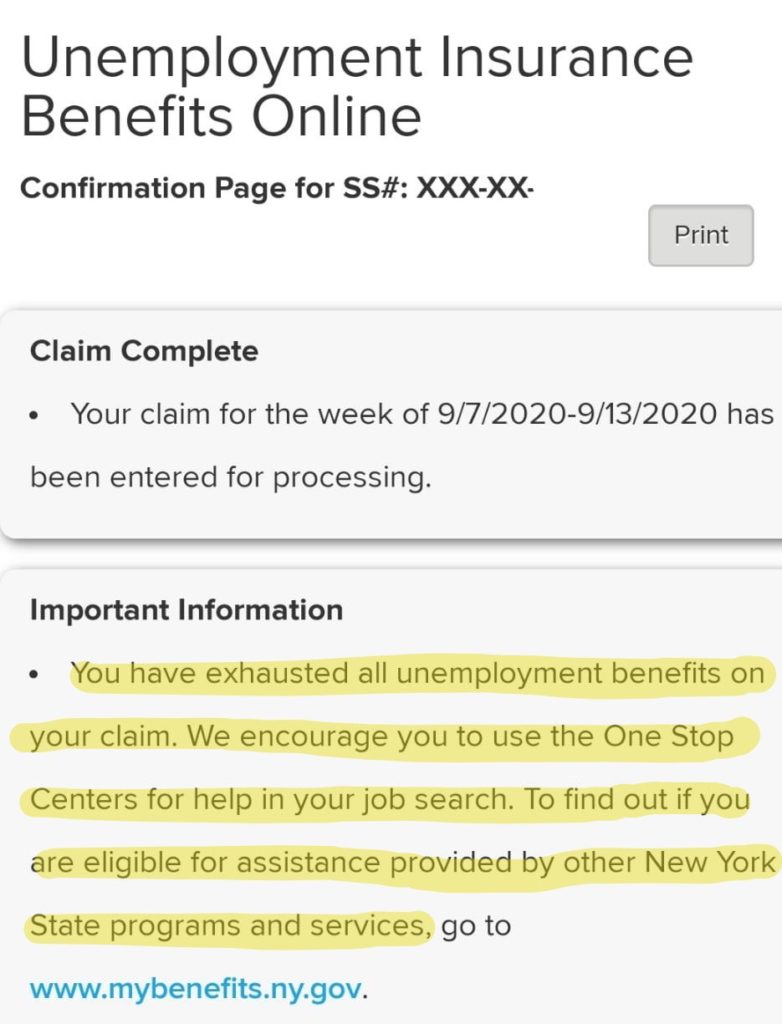
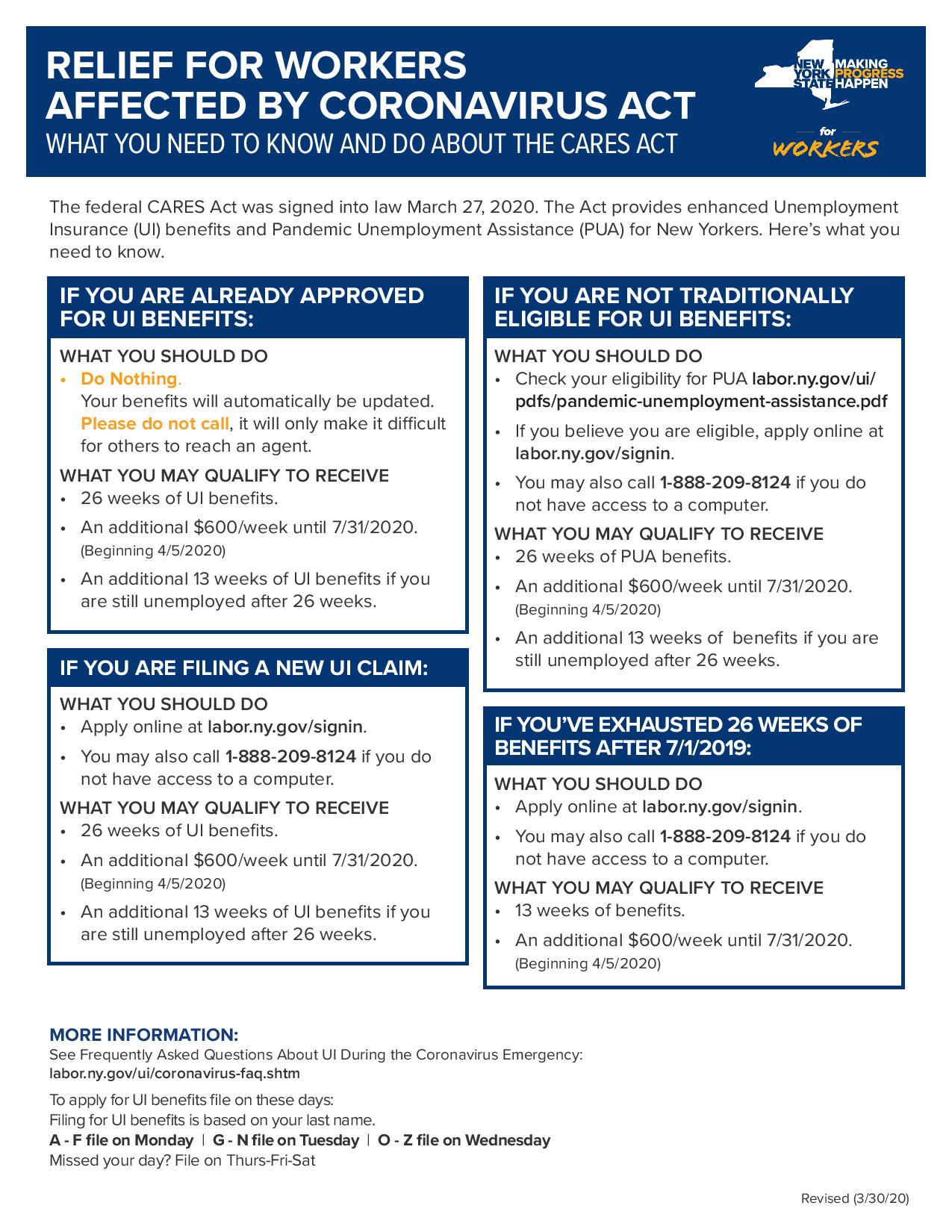
In New York State, eligible individuals can typically collect unemployment insurance benefits for a standard duration of 26 weeks. This period provides a vital financial cushion, allowing claimants to focus on their job search without immediate destitution. Eligibility criteria generally involve having worked a certain amount in a “base period,” being ready, willing, and able to work, and actively seeking employment. It’s important to note that while 26 weeks is the standard, historical events, such as the COVID-19 pandemic, have seen temporary extensions to these benefits through federal programs. However, these are exceptions, and claimants should always plan based on the standard duration.
During this time, responsible financial planning becomes paramount. Every dollar counts, and understanding the finite nature of these benefits underscores the need for careful budgeting. This isn’t just about cutting expenses; it’s about re-evaluating priorities and making conscious choices that align with your financial reality, potentially opening doors to different kinds of experiences you might not have considered before.
Adapting Your Lifestyle: Budgeting for the Unemployed Traveler
For many, the word “travel” conjures images of luxurious resorts, international flights, and lavish dining. However, a period of unemployment necessitates a paradigm shift in this thinking. It’s an ideal time to explore the concept of “budget travel” or “lifestyle travel” within your means. This could mean a “staycation” where you explore your immediate surroundings with fresh eyes, or it could involve a more extended, cost-effective exploration of various regions within New York State, perhaps even for job relocation scouting.
Practical tips for managing finances and lifestyle:
- Create a detailed budget: Track every expense, distinguishing between needs and wants. This clarity is the first step towards financial control.
- Embrace free and low-cost activities: New York State is rich in free parks, public libraries, hiking trails, and community events.
- Cook at home: Dining out can quickly deplete a budget. Exploring local markets for fresh, affordable ingredients can become a culinary adventure in itself.
- Utilize public transportation: Where available, this is often a more economical choice than driving or ride-sharing.
- Re-evaluate subscriptions: Pause or cancel non-essential streaming services, gym memberships, or other recurring expenses.
- Consider volunteering: This not only gives back to the community but can also offer social interaction, skill development, and a sense of purpose, often with free entry to events or attractions.
This period can be an unexpected opportunity to cultivate a “digital nomad” mindset, even if you’re not working remotely. It’s about developing flexibility, resourcefulness, and a willingness to adapt your daily routine and recreational activities to fit your current financial parameters. It challenges the conventional idea of what a fulfilling “lifestyle” entails, proving that rich experiences don’t always come with a hefty price tag.
Exploring New York on a Budget: Destinations and Experiences
New York State is a treasure trove of diverse landscapes, vibrant cities, and rich history. During a period of unemployment, these offerings can become a backdrop for personal discovery, relaxation, and cultural immersion, all while adhering to a strict budget.
Urban Adventures Without Breaking the Bank: New York City and Beyond
While New York City is notorious for its high cost of living, it also offers an astonishing array of free and low-cost activities. For someone navigating unemployment, these can provide stimulation and cultural enrichment without financial strain.
- New York City:
- Museums: Many world-class museums, like the American Museum of Natural History, offer “pay-what-you-wish” admission, while others, such as The Bronx Museum of Art, are always free. Take advantage of free admission days at institutions like the Museum of Modern Art or the Guggenheim Museum (on specific evenings).
- Parks and Green Spaces: Central Park offers miles of walking paths, gardens, and free entertainment. Brooklyn Bridge Park provides stunning views of the skyline and free activities like outdoor movies and fitness classes. The High Line is another iconic, free urban oasis.
- Walking Tours: Explore diverse neighborhoods like Greenwich Village, Harlem, or Chinatown on foot. Many free walking tours operate on a tip-based model, making them accessible.
- Public Transit Adventures: A single subway fare can take you to explore different boroughs and experience the city’s diverse cultures. Walk across the Brooklyn Bridge for iconic views.
- Beyond New York City:
- Buffalo: Explore its rich architectural heritage, including works by Frank Lloyd Wright. Canalside offers free festivals, public art, and recreational activities.
- Albany: Visit the historic New York State Capitol Building for free tours and explore the Empire State Plaza for public art and events.
- Rochester: Home to the George Eastman Museum (check for free days) and numerous parks and trails along the Genesee River.
Nature’s Retreats and Scenic Escapes in Upstate New York
Upstate New York State offers breathtaking natural beauty, much of which is accessible for free or at minimal cost, making it ideal for budget-conscious exploration.
- Adirondack Mountains: This vast parkland is a hiker’s paradise. Explore hundreds of miles of trails, go fishing, or simply enjoy the tranquility of nature. Camping in designated areas can be a highly affordable accommodation option, offering a refreshing change of pace and a chance to disconnect.
- Finger Lakes Region: While famous for its wineries, the region also boasts stunning state parks like Watkins Glen State Park with its spectacular gorges and waterfalls, and Letchworth State Park, often called the “Grand Canyon of the East.” Entrance fees to state parks are minimal, and the scenery is priceless.
- Niagara Falls: The American side of Niagara Falls offers free access to its observation points, allowing visitors to witness the incredible power of the falls without charge. Exploring Niagara Falls State Park provides numerous vantage points.
- Hudson Valley: Known for its picturesque landscapes, charming small towns, and artistic communities, the Hudson Valley provides opportunities for scenic drives, exploring farm stands (for affordable, fresh produce), and visiting public parks and historic sites that often have free admission or low entry fees.
Cultural Immersion and Local Delights
True travel often involves immersing oneself in local culture, and this doesn’t require a passport or a hefty budget. New York State offers countless opportunities for genuine cultural experiences.
- Local Markets and Street Food: Explore farmer’s markets in cities like Syracuse, Rochester, or New York City’s various neighborhoods for fresh, affordable produce and local delicacies. Street food vendors can offer delicious and inexpensive meals.
- Community Events and Festivals: Keep an eye on local community calendars. Many towns and cities host free concerts, art walks, cultural festivals, and seasonal events that provide entertainment and a chance to connect with local life.
- Libraries and Public Lectures: Public libraries are often hubs of free cultural and educational programming, including author readings, workshops, and film screenings. Universities also frequently host free lectures open to the public.
- Volunteering: Engaging in local volunteer opportunities can be a fulfilling way to experience a community from the inside, meet new people, and contribute positively, all while gaining new perspectives and perhaps even skills.
Smart Accommodation and Long-Term Stay Strategies
When considering extended stays or even short budget trips within New York State during a period of unemployment, accommodation choices become critical. The aim is to find safe, comfortable, and affordable options that align with a limited budget.
Budget-Friendly Stays Across New York
The concept of “accommodation” expands beyond luxury hotels when financial constraints are present.
- Hostels: Particularly in larger urban centers like New York City, hostels offer dormitory-style lodging at a fraction of the cost of hotels. HI New York City Hostel on the Upper West Side, for instance, provides a communal, social environment for budget travelers.
- Guesthouses and B&Bs: In smaller towns and scenic regions, guesthouses or Bed & Breakfasts can offer more charm and a personalized experience than hotels, sometimes at competitive rates, especially during off-peak seasons.
- Camping: As mentioned, camping in state parks (Letchworth State Park, Watkins Glen State Park, or any of the numerous parks in the Adirondack Mountains) is an extremely cost-effective way to experience New York State’s natural beauty. Many parks offer lean-tos or basic cabin rentals as well.
- Extended-Stay Hotels or Short-Term Rentals: If your job search involves temporarily relocating to another part of New York State, extended-stay hotels or furnished short-term apartment rentals (often found on platforms catering to longer stays) can be more economical than standard hotel rooms, offering amenities like kitchenettes to further reduce food costs.
Leveraging Networks for Accommodation and Travel
Sometimes, the most budget-friendly “accommodation” comes from your existing social network or through creative arrangements.
- Staying with Friends or Family: If you have relatives or friends in cities like Buffalo, Albany, Rochester, or within New York City’s boroughs like Brooklyn or Queens, reaching out can provide a free or very low-cost place to stay. This is a common and practical strategy during times of financial constraint.
- House-Sitting or Pet-Sitting: For those with flexibility, house-sitting or pet-sitting can provide free accommodation in exchange for caring for a home or animals. Websites connect homeowners with trusted sitters, offering a mutually beneficial arrangement.
- Work-Trade Programs: Some farms, hostels, or community projects offer accommodation and meals in exchange for a few hours of work per day. While this requires a different type of commitment, it can completely eliminate accommodation costs and offer unique cultural experiences.
These strategies emphasize resourcefulness and community, proving that a roof over your head doesn’t always have to come at a premium, even in a state as economically vibrant as New York State.
The Broader Lifestyle Shift: Embracing Change and Opportunity
Beyond the immediate financial concerns and the pursuit of new employment, a period of unemployment, particularly when viewed through the lens of a finite benefit duration, can be a profound catalyst for a broader lifestyle shift. It’s an opportunity to redefine success, happiness, and personal fulfillment, often leading to unexpected discoveries about oneself and one’s surroundings in New York State.
From Unemployment to Rediscovery: Personal Growth Through Exploration
The time spent actively searching for a new job, while demanding, also presents pockets of unstructured time rarely available in a typical working life. This space can be incredibly valuable for personal growth and rediscovery, particularly when paired with thoughtful local exploration.
- Skill Development and Education: Use this period to enroll in free online courses, attend workshops, or pick up a new skill that could enhance your career prospects or simply enrich your life. Many public libraries and community centers offer free resources.
- Focus on Well-being: The stress of unemployment can take a toll. Prioritize physical and mental health. Take long walks in local parks, explore nature trails, meditate, or engage in hobbies that bring joy. The mental health benefits of a change of scenery, even a local one, are well-documented. Discovering a new park in Rochester, hiking a trail in the Catskill Mountains, or simply enjoying the public art around Albany can significantly boost morale.
- Sparking New Ideas: Stepping outside your usual routine and comfort zone, whether through a budget trip to the Finger Lakes or by exploring an unfamiliar neighborhood in Brooklyn, can spark creativity and lead to new ideas for career paths, hobbies, or even business ventures. Exposure to different environments and cultures, even local ones, broadens perspective.
- Networking through Exploration: Attending local events, volunteering, or participating in community activities in a new area can be a low-pressure way to meet new people, some of whom might become valuable professional contacts or simply new friends.
This approach frames unemployment not as a void, but as an open chapter—a chance to delve into aspects of life often neglected during the rush of full-time employment. It’s a period of intentional living and growth, facilitated by the resources and diverse environments found throughout New York State.
Planning for the Next Chapter: Travel as a Career Catalyst?
Understanding the finite duration of unemployment benefits in New York State (typically 26 weeks) is crucial for strategic planning. This timeframe can influence decisions about not just what you do during unemployment, but where you might seek your next opportunity.
- Relocation for Work: For some, the job search might involve considering relocation to a different part of New York State or even outside of it where job markets might be stronger for their skill set. Using the unemployment period to visit these potential new locations—exploring their housing markets, local amenities, and cultural scene—can be an incredibly practical form of “travel.” A budget trip to Syracuse might reveal it as a surprisingly attractive new home, or a weekend in Kingston in the Hudson Valley could open up unexpected opportunities.
- Flexibility and Open-Mindedness: This period teaches invaluable lessons in flexibility. Being open to different types of roles, industries, or even geographical locations can significantly enhance job search success. The experiences gained from budget travel and local exploration can foster this adaptability.
- Bridging Gaps: Thoughtful engagement with one’s surroundings can help bridge gaps in a resume. For instance, extensive local volunteering, participation in community projects, or self-directed learning during this period can be presented as valuable experiences that demonstrate initiative, adaptability, and a commitment to personal growth.
In essence, while unemployment benefits provide a necessary safety net, the 26-week duration in New York State also serves as a timeline. It encourages not just a diligent job search, but also a strategic approach to managing one’s lifestyle, exploring new horizons within financial limits, and using this transformative period as a springboard for both personal and professional advancement. It’s an invitation to look at life outside the box, even if that box is within the familiar borders of your home state.
In conclusion, the standard duration for collecting unemployment benefits in New York State is 26 weeks. While this period can be daunting, it doesn’t have to be defined solely by its challenges. By adopting a mindset of mindful budgeting and resourceful exploration, individuals can transform this transitional phase into an enriching chapter of personal growth and discovery. New York State, with its unparalleled diversity of urban attractions, natural wonders, and vibrant cultural scenes, offers a plethora of opportunities for budget-conscious travel and lifestyle adjustments. Whether it’s discovering the free museums of New York City, hiking in the majestic Adirondack Mountains, or immersing oneself in the local life of a Hudson Valley town, the Empire State provides an ideal backdrop for redefining what it means to travel and live well, even on a limited income. By planning wisely and embracing the unforeseen, the time spent collecting unemployment can indeed become a period of profound rediscovery, setting the stage for a stronger, more resilient next chapter.
LifeOutOfTheBox is a participant in the Amazon Services LLC Associates Program, an affiliate advertising program designed to provide a means for sites to earn advertising fees by advertising and linking to Amazon.com. Amazon, the Amazon logo, AmazonSupply, and the AmazonSupply logo are trademarks of Amazon.com, Inc. or its affiliates. As an Amazon Associate we earn affiliate commissions from qualifying purchases.