
Navigating periods of unemployment can be one of life’s most challenging experiences, profoundly impacting an individual’s financial stability and overall lifestyle. For residents of Colorado, understanding the intricacies of unemployment benefits – particularly how long one can receive them – is crucial for effective financial planning and maintaining a stable lifestyle during a job search. This comprehensive guide delves into the specifics of Colorado’s unemployment insurance system, outlining benefit duration, eligibility requirements, and the various programs that can offer support. Armed with this knowledge, individuals can better plan their budget, manage expectations, and proactively work towards re-employment, ensuring their lifestyle remains as resilient as possible.
Understanding Colorado’s Unemployment Insurance System
The unemployment insurance (UI) system in Colorado is a vital safety net designed to provide temporary financial assistance to eligible workers who lose their jobs through no fault of their own. It helps bridge the gap between employment and re-employment, allowing individuals to cover essential living expenses while actively seeking new work. This system is a joint federal and state program, with each state administering its own program within broad federal guidelines. For those facing job loss, grasping the foundational elements of this system is the first step toward managing their financial lifestyle during unemployment.
Eligibility Requirements
Before discussing duration, it’s imperative to understand who qualifies for unemployment benefits in Colorado. Meeting these requirements is non-negotiable for receiving any assistance:
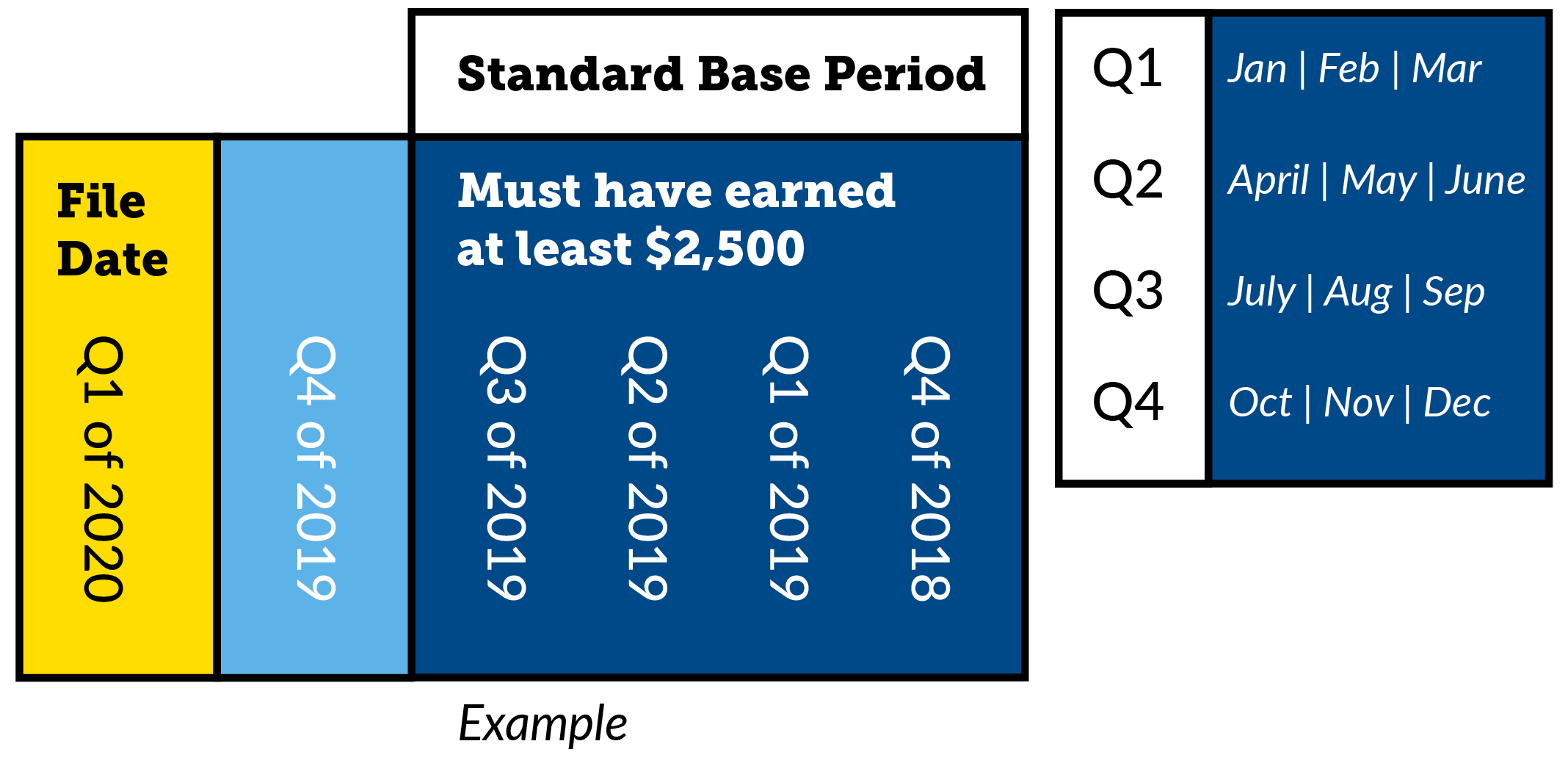
- Monetary Eligibility: Claimants must have earned a sufficient amount of wages during a specific timeframe, known as the “base period.” In Colorado, the standard base period is the first four of the last five completed calendar quarters immediately preceding the effective date of the claim. The amount earned must meet minimum thresholds set by the state. This ensures that only individuals with a recent history of attachment to the workforce are eligible, reflecting a foundational principle of the Lifestyle category—that financial support is generally tied to prior contributions.
- Job Separation: The most critical requirement is that claimants must have lost their job through no fault of their own. This typically includes layoffs, downsizing, or a lack of work. Individuals who quit their job voluntarily without good cause, or who were fired for misconduct, are generally ineligible. This criterion directly impacts one’s immediate lifestyle choices following job loss, as eligibility dictates access to financial aid.
- Availability and Work Search: To continue receiving benefits, claimants must be physically able to work, available for work, and actively seeking suitable employment. Colorado requires claimants to conduct a specified number of verifiable job search activities each week and report them. This active engagement is paramount, emphasizing personal responsibility within the broader lifestyle of seeking re-employment.
- Reporting Requirements: Claimants must file weekly certifications, reporting any earnings, job refusals, or changes in eligibility status. Failure to do so can result in delayed or denied benefits.
Calculating Your Weekly Benefit Amount
The amount of money an individual receives each week in Colorado is not arbitrary; it’s calculated based on their past earnings during the base period. This calculation directly influences the budget and lifestyle adjustments an unemployed individual must make. In Colorado, the weekly benefit amount (WBA) is generally 50% of the average weekly wage earned in the two highest-paid quarters of the base period, up to a maximum weekly benefit. As of recent updates, the maximum WBA is adjusted annually. Understanding this figure is vital for anyone trying to manage their daily expenses, from housing to food, and make informed decisions about their lifestyle while unemployed. It dictates the extent to which one can maintain their previous living standards or if significant budgetary lifestyle changes are necessary.
The Standard Duration of Benefits in Colorado
Once eligibility is established and the weekly benefit amount is determined, the next crucial question for any individual is: “How long can I receive these benefits?” The duration of unemployment benefits in Colorado is subject to both state law and prevailing economic conditions.
Maximum Weeks
Under normal economic circumstances, the standard maximum duration for receiving unemployment benefits in Colorado is 26 weeks. This period is designed to provide a reasonable amount of time for individuals to find new employment without facing immediate financial ruin. This duration is a critical benchmark for lifestyle planning, as it sets an expectation for how long one might rely on UI to cover living expenses. Many individuals use this 26-week window to strategically plan their job search, potential career changes, or even short-term skill development.
Factors Influencing Duration
While 26 weeks is the maximum, the actual number of weeks an individual receives benefits can vary. It’s not always a flat 26 weeks for everyone. Several factors can influence the total duration:
- Total Base Period Wages: The total amount of wages earned during the base period plays a significant role. The total amount of benefits an individual can receive over their “benefit year” (the 52-week period following the effective date of their claim) is typically capped at a certain percentage of their base period wages or 26 times their weekly benefit amount, whichever is less. This means that if an individual had lower earnings during their base period, they might exhaust their total benefit amount before reaching the full 26 weeks.
- Re-employment: The primary goal of unemployment insurance is to support re-employment. If a claimant finds a new job and starts working, their benefits will cease. This is the desired outcome, as it signifies a return to a stable working lifestyle.
- Exhaustion of Benefits: If an individual reaches their maximum payable amount or the 26-week limit (whichever comes first) without securing new employment, their state-funded benefits will “exhaust.” At this point, they would typically need to explore other programs, such as extended benefits, if available.
Understanding these variables is vital for managing expectations and proactively adapting one’s lifestyle to the potential realities of benefit duration.
Navigating Extended and Emergency Unemployment Programs
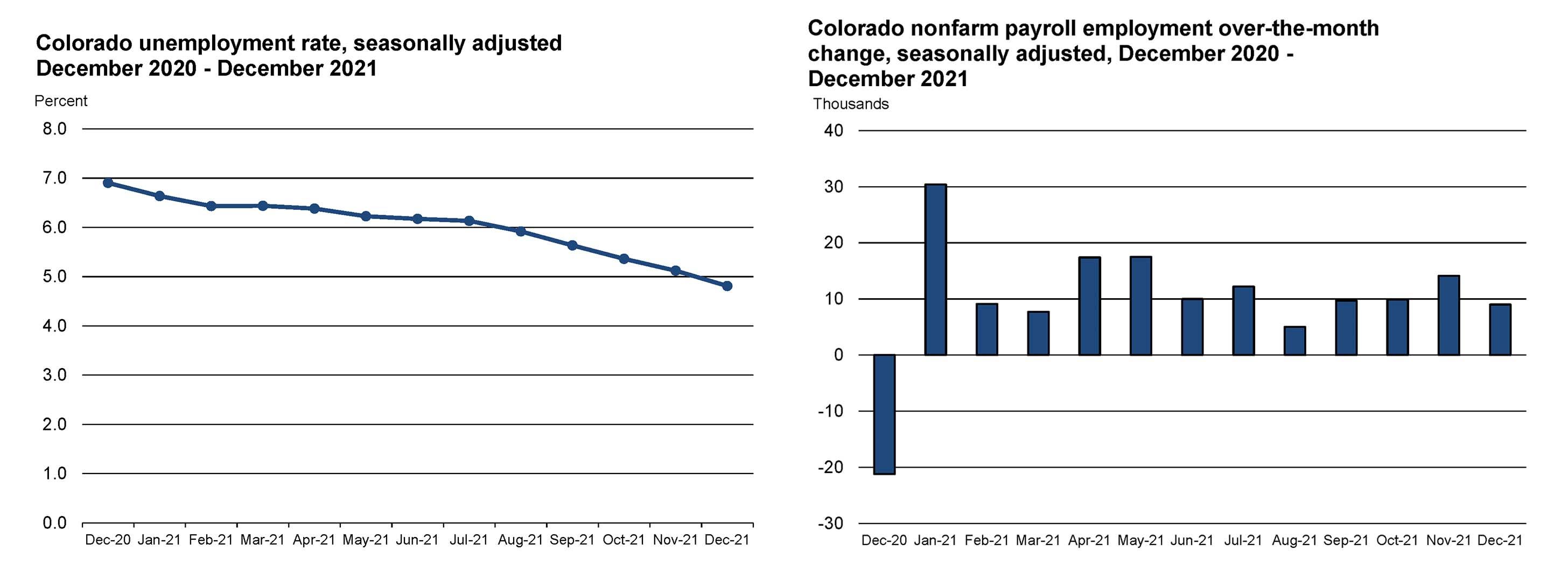
During periods of economic downturn or crisis, the standard 26-week duration of unemployment benefits can be insufficient for many individuals struggling to find work. Recognizing this, both Federal and state governments often implement programs that extend the duration of benefits. These programs are not permanent fixtures of the unemployment system but rather temporary measures activated under specific economic triggers.
Federal-State Extended Benefits (EB)
The Extended Benefits (EB) program is a permanent, yet temporary, component of the unemployment system that is jointly funded by the Federal government and individual states. EB can provide up to an additional 13 or 20 weeks of benefits once regular state benefits are exhausted. This program is triggered when a state’s insured unemployment rate (IUR) reaches certain thresholds. For example, in Colorado, EB would typically become active if the state’s IUR reached 5% and was at least 120% of the average rate for the corresponding 13-week period in the preceding two years, or if the IUR reached 6%.
When EB is activated, it provides a critical lifeline for individuals whose job search extends beyond the standard 26 weeks, significantly impacting their ability to maintain their lifestyle. It’s an acknowledgment that during severe economic crises, the job market cannot absorb all job seekers quickly, thus necessitating prolonged support. Individuals do not need to apply for EB separately; if eligible, they will typically be notified by the Colorado Department of Labor and Employment (CDLE) when their regular benefits are exhausted.
Past Pandemic-Era Programs
The COVID-19 pandemic ushered in unprecedented unemployment rates and, consequently, several emergency federal unemployment programs designed to significantly extend benefit duration and expand eligibility. While these programs are no longer active, understanding their nature provides valuable context for how “how long can you get unemployment” can change dramatically under extraordinary circumstances.
- Pandemic Unemployment Assistance (PUA): This program provided benefits to individuals who were traditionally ineligible for regular unemployment insurance, such as self-employed workers, gig workers, and independent contractors. It offered up to 79 weeks of benefits during its existence, which drastically altered the financial landscape for many during the pandemic, allowing a different lifestyle to be sustained.
- Pandemic Emergency Unemployment Compensation (PEUC): PEUC provided additional weeks of benefits for those who had exhausted their regular state UI benefits. Initially offering 13 weeks, it was later expanded to provide up to 53 weeks in total, depending on the specific federal legislation in effect. This meant that, at its peak, eligible individuals could potentially receive over a year and a half of unemployment benefits (26 weeks state + 53 weeks PEUC).
- Federal Pandemic Unemployment Compensation (FPUC): This program added a supplemental amount (e.g., an extra $600 or $300 per week) to all types of unemployment benefits. While not extending duration itself, it significantly boosted the weekly benefit amount, providing substantial financial relief and impacting the lifestyle choices of recipients.
These pandemic-era programs illustrate the dynamic nature of unemployment benefits and how government intervention can dramatically alter the duration and scope of support during crises. They underscore that while a standard duration exists, external factors can lead to significant extensions, profoundly affecting individual and community lifestyles.
Maintaining Eligibility and Managing Your Lifestyle During Unemployment
Receiving unemployment benefits in Colorado is not a passive process. To ensure continuous support and manage one’s lifestyle effectively, claimants must adhere to ongoing requirements and actively plan for their future.
Continuing Requirements
Once approved for benefits, claimants must consistently meet certain criteria to continue receiving their weekly payments:
- Weekly Certifications: As mentioned, filing weekly certifications is mandatory. This involves reporting any work performed, wages earned, job offers refused, and confirmation of availability and active work search.
- Active Work Search: Colorado typically requires claimants to engage in a specified number of job search activities each week, such as applying for jobs, attending job fairs, or networking. Detailed records of these activities must be kept and reported. Failure to conduct and report these searches can lead to disqualification. This active pursuit of re-employment is central to leveraging unemployment benefits as a bridge, rather than a permanent solution, within one’s lifestyle.
- Reporting Earnings: Any earnings from part-time work or odd jobs must be reported accurately. Earning too much in a week can reduce or eliminate benefits for that week, but it’s often encouraged as it helps maintain skills and ease the transition back to full-time employment.
Financial Planning and Lifestyle Adjustments
Unemployment benefits, while helpful, rarely replace a full salary. Therefore, meticulous financial planning and lifestyle adjustments are crucial:
- Budgeting: Creating and sticking to a strict budget is paramount. Prioritizing essential expenses (housing, food, utilities, healthcare) and reducing discretionary spending can help stretch benefits further. This is a core aspect of managing a “budget travel” or “budget lifestyle” during challenging times.
- Emergency Fund: Drawing on an emergency fund, if available, can provide additional stability and flexibility.
- Debt Management: Avoiding new debt and managing existing debt carefully is essential.
- Skill Development: Using this period to acquire new skills or certifications can enhance employability and justify the “investment” of the unemployment period, leading to an improved professional lifestyle in the long run.
Resources for Re-Employment
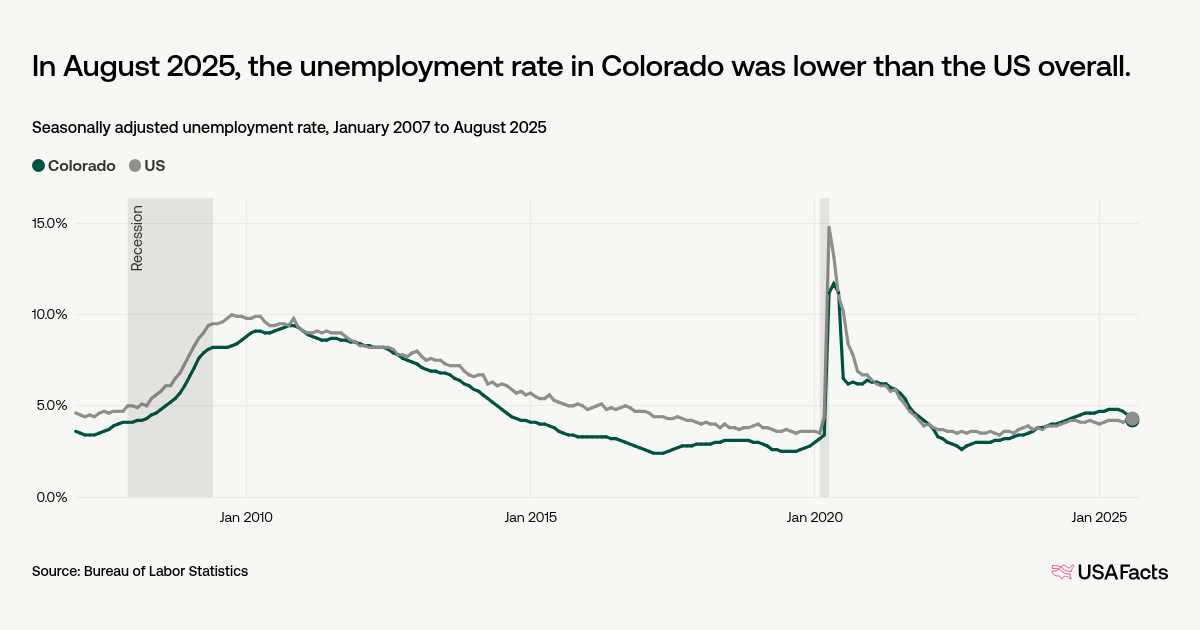
The ultimate goal of unemployment is re-employment. The Colorado Department of Labor and Employment (CDLE) offers a wealth of resources to aid claimants in their job search, extending beyond simply processing benefit claims:
- Connecting Colorado: This is Colorado’s online job portal, connecting job seekers with employers across the state.
- Workforce Centers: Located throughout Colorado, these centers offer free services such as resume writing assistance, interview coaching, career counseling, and access to training programs. Leveraging these resources can significantly shorten the unemployment duration and facilitate a smoother transition back into a working lifestyle.
In conclusion, while the standard maximum duration for unemployment benefits in Colorado is 26 weeks, several factors can influence the actual length of time an individual receives assistance. Understanding eligibility, the benefit calculation, and the potential for extended programs, coupled with proactive financial planning and aggressive job searching, are all critical components for effectively managing the challenging, yet temporary, lifestyle changes that come with unemployment.
LifeOutOfTheBox is a participant in the Amazon Services LLC Associates Program, an affiliate advertising program designed to provide a means for sites to earn advertising fees by advertising and linking to Amazon.com. Amazon, the Amazon logo, AmazonSupply, and the AmazonSupply logo are trademarks of Amazon.com, Inc. or its affiliates. As an Amazon Associate we earn affiliate commissions from qualifying purchases.