
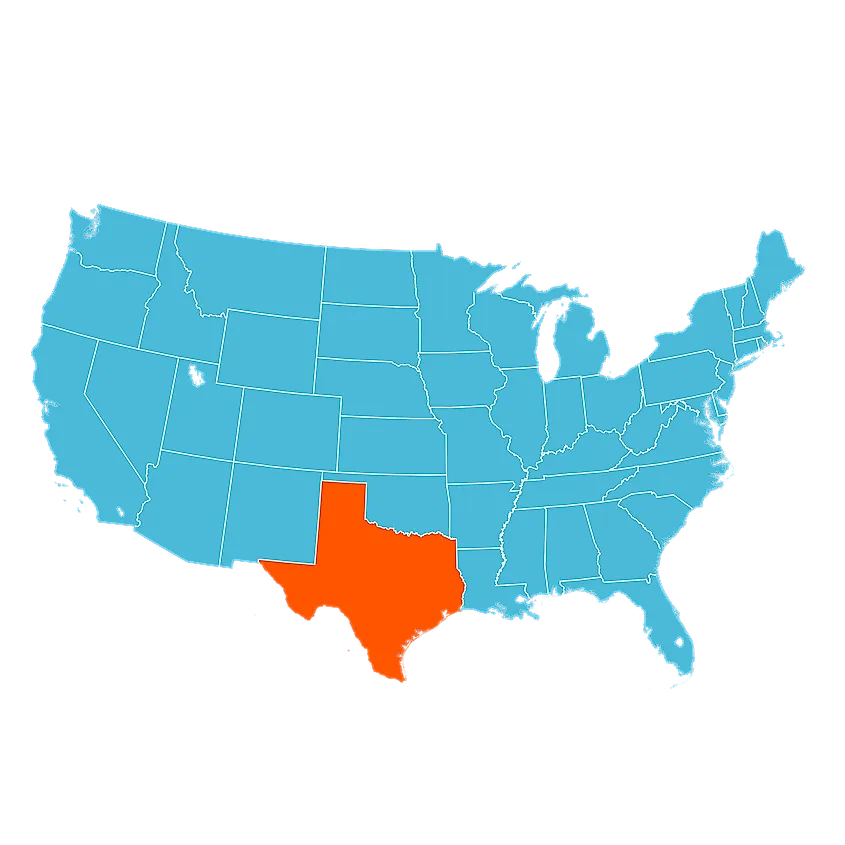
As the second-largest state in the United States by both area and population, Texas boasts an impressive geographical footprint. This vast expanse naturally leads to extensive borders, shared with multiple other states and even another country. For travelers, residents, and those simply curious about American geography, understanding Texas‘s neighboring states is key to planning road trips, exploring regional cultures, and appreciating the diverse landscapes that define this part of the Southwest. Whether you’re planning an adventure, looking for new culinary experiences, or seeking unique attractions, knowing which states lie adjacent to the Lone Star State opens up a world of possibilities.
The Diverse Frontiers of Texas
Texas‘s borders are as varied as the state itself, presenting a fascinating tapestry of cultural exchange, economic ties, and natural beauty. These neighboring regions offer a distinct flavor of American life, each with its own history, attractions, and lifestyle offerings. From the rugged terrains of the west to the bayous of the east, and the arid plains of the north, Texas is a gateway to a multitude of experiences.
Northern Neighbors: Plains and Panhandles
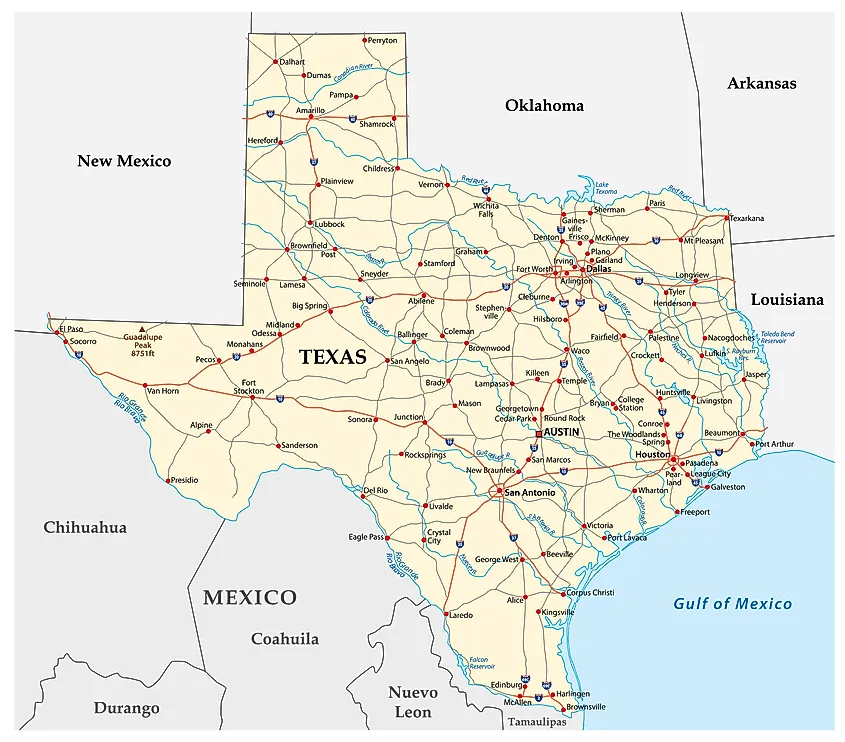
To the north, Texas shares its longest border with Oklahoma. This shared frontier is characterized by vast plains, rolling hills, and a rich history intertwined with Native American heritage and the American West. The Red River forms a significant portion of this boundary, serving as both a natural landmark and a historical marker. Travel between Texas and Oklahoma is common, with numerous highways connecting major cities like Dallas and Oklahoma City. This proximity fosters a shared cultural understanding, evident in the music, food, and traditions found on both sides of the border.
Oklahoma itself is a state with a unique identity. Known as the “Sooner State,” its history is deeply connected to the Oklahoma Land Rush and the subsequent settlement of the West. For travelers, Oklahoma offers a range of attractions, from the bustling energy of Oklahoma City and Tulsa to the serene beauty of the Wichita Mountains Wildlife Refuge. Outdoor enthusiasts can explore hiking trails, fishing spots, and scenic drives. The state also boasts a vibrant arts scene, with numerous museums and galleries showcasing American art and Native American culture. The culinary landscape is equally diverse, with a strong emphasis on comfort food, barbecue, and influences from its Southern and Southwestern roots.
Further northwest, Texas shares a smaller but significant border with New Mexico. This border is largely defined by arid landscapes, dramatic desert vistas, and a strong Hispanic and Native American cultural influence. The Pecos River meanders through parts of this region, adding to the natural beauty. The connection between Texas and New Mexico is deeply historical, stemming from the days of the Spanish and Mexican empires.
New Mexico, the “Land of Enchantment,” is renowned for its stunning natural scenery, from the towering peaks of the Sangre de Cristo Mountains to the unique geological formations of Carlsbad Caverns National Park. The state’s rich cultural heritage is a major draw, with cities like Santa Fe and Taos serving as vibrant centers of art, history, and Spanish colonial architecture. Visitors can immerse themselves in the Pueblo culture, explore ancient ruins, and savor the distinctive New Mexican cuisine, famous for its use of green and red chiles. The Rocky Mountains also extend into New Mexico, offering opportunities for skiing, hiking, and enjoying breathtaking mountain views. The region around El Paso, Texas, provides a direct gateway to exploring New Mexico‘s wonders, making it a popular stop for those traversing the western reaches of Texas.
Western Neighbor: The Lone Star’s Desert Frontier

Continuing west, Texas shares a long border with New Mexico. As mentioned above, this border is characterized by arid landscapes and a rich cultural heritage. The vast, open spaces of western Texas seamlessly transition into the unique environment of New Mexico. This shared frontier is a testament to the enduring spirit of the American West, offering a sense of freedom and adventure to those who explore it.
Southern Frontier: The International Gateway
Perhaps the most significant and culturally rich border Texas shares is with the country of Mexico. The Rio Grande River forms the natural boundary for the majority of this extensive international border, creating a dynamic and complex region. This border is not just a geographical line but a vibrant cultural and economic corridor, influencing everything from cuisine and music to language and traditions.
Cities like El Paso, Laredo, and Brownsville in Texas are directly connected to their Mexican counterparts – Ciudad Juárez, Nuevo Laredo, and Matamoros, respectively. These twin cities represent a unique way of life, where cultures blend and interact daily. The flow of people, goods, and ideas across this border is constant, making it one of the busiest international borders in the world.
Exploring the Texas–Mexico border offers an unparalleled opportunity to experience biculturalism firsthand. Visitors can delve into the vibrant Hispanic culture that permeates South Texas, sampling authentic Tex-Mex cuisine, enjoying lively music, and exploring historical sites that tell the story of Texas‘s Mexican heritage. The Alamo in San Antonio stands as a pivotal landmark in this history, representing a crucial moment in the Texas Revolution. Beyond the historical context, the border region is a hub of activity, with bustling markets, diverse culinary scenes, and a rich tapestry of traditions. The natural beauty of the Rio Grande Valley also adds to the allure, with subtropical landscapes and unique wildlife. For those interested in luxury travel, the proximity to Mexico also offers opportunities for unique resort experiences and cultural immersion.
Eastern Neighbors: Bayous and Forests
Moving eastward, Texas shares a border with Louisiana. This border is defined by the lush Sabine River and the distinctive Gulf Coast region, characterized by bayous, wetlands, and a rich Creole and Cajun cultural influence. The proximity to Louisiana brings a unique flavor to the eastern parts of Texas, influencing cuisine, music, and lifestyle.
Louisiana, known as the “Pelican State,” is famous for its vibrant French, Spanish, and African heritage, most notably embodied in the unique Cajun and Creole cultures of New Orleans and the surrounding Acadiana region. The state is a treasure trove of attractions, from the historic charm of the French Quarter to the natural beauty of the Atchafalaya Basin. Mardi Gras in New Orleans is a world-renowned festival, drawing visitors from across the globe. The culinary scene is legendary, with dishes like gumbo, jambalaya, and beignets being international favorites. For those seeking lively entertainment, Louisiana offers an abundance of music venues, festivals, and unique experiences that celebrate its distinctive cultural identity. Travel between Texas and Louisiana is a popular route for both leisure and business, connecting major metropolitan areas and offering a delightful contrast in landscapes and cultures. The eastern Texas towns often exhibit influences from their Louisiana neighbors, creating a unique regional character.
Finally, to the northeast, Texas shares a border with Arkansas. This border is less defined by a single major waterway but rather by a more undulating geographical line, separating the Piney Woods of eastern Texas from the rolling hills and forests of Arkansas. The cultural influences here are more subtly blended, with Southern traditions and a shared appreciation for nature being prominent.
Arkansas, the “Natural State,” lives up to its nickname with an abundance of natural beauty, including the Ouachita Mountains, the Ozark Mountains, and numerous rivers and hot springs. Hot Springs National Park is a major attraction, offering historical architecture and the unique experience of bathing in natural thermal waters. Little Rock, the state capital, offers historical sites and a growing cultural scene. For outdoor enthusiasts, Arkansas provides excellent opportunities for hiking, camping, fishing, and exploring its diverse ecosystems. The state also has a growing reputation for its farm-to-table culinary scene and a friendly, welcoming atmosphere. The connection between Texas and Arkansas fosters a shared appreciation for the outdoors and a relaxed Southern lifestyle.
In conclusion, Texas‘s bordering states – Oklahoma, New Mexico, Mexico, Louisiana, and Arkansas – collectively contribute to the rich tapestry of experiences available within and around the Lone Star State. Each neighbor offers unique destinations, cultural insights, and travel opportunities, inviting exploration and discovery for every kind of traveler, from the luxury seeker to the budget adventurer.
LifeOutOfTheBox is a participant in the Amazon Services LLC Associates Program, an affiliate advertising program designed to provide a means for sites to earn advertising fees by advertising and linking to Amazon.com. Amazon, the Amazon logo, AmazonSupply, and the AmazonSupply logo are trademarks of Amazon.com, Inc. or its affiliates. As an Amazon Associate we earn affiliate commissions from qualifying purchases.