
Navigating the landscape of unemployment benefits can be a complex journey, particularly in a state as economically dynamic as California. For many, unemployment insurance (UI) benefits serve as a critical financial bridge during periods of joblessness, offering a temporary safety net to cover essential living expenses. Understanding the intricacies of how long these benefits can be received, along with the eligibility criteria and ongoing requirements, is paramount for anyone facing unexpected job loss. This guide delves deep into the specifics of unemployment benefits in the Golden State, from standard durations and potential extensions to the application process and important considerations that can impact your financial stability and future lifestyle choices, including the ability to enjoy travel or maintain desired accommodation standards.
Understanding Unemployment Benefits in California
Unemployment insurance is a state-federal program designed to provide temporary financial assistance to eligible workers who are unemployed through no fault of their own. Administered by the Employment Development Department (EDD) in California, these benefits aim to cushion the economic impact of job loss, allowing individuals to focus on their job search without immediate, overwhelming financial pressure.
Who Qualifies for Unemployment?
Eligibility for UI benefits in California is determined by several key factors. Firstly, claimants must have earned sufficient wages during their “base period,” which is typically the first four of the last five completed calendar quarters before filing a claim. This ensures that only individuals with a recent work history contribute to and benefit from the system.
Secondly, the reason for unemployment is crucial. To qualify, you must be unemployed or working reduced hours through no fault of your own. This generally includes layoffs, company closures, or a reduction in force. Conversely, individuals who quit their job voluntarily without good cause, or were fired for misconduct, typically do not qualify. Good cause for quitting might include unsafe working conditions, discrimination, or a medical necessity, but these situations require careful documentation and review by the EDD.
Beyond these initial hurdles, claimants must also be physically able to work, available for work, and actively seeking new employment. The “actively seeking work” requirement is not merely a formality; it necessitates genuine and demonstrable efforts to find a new job, which the EDD may verify through work search logs or direct contact with potential employers. Meeting these criteria continuously is vital for maintaining your eligibility throughout your benefit period.
Calculating Your Weekly Benefit Amount
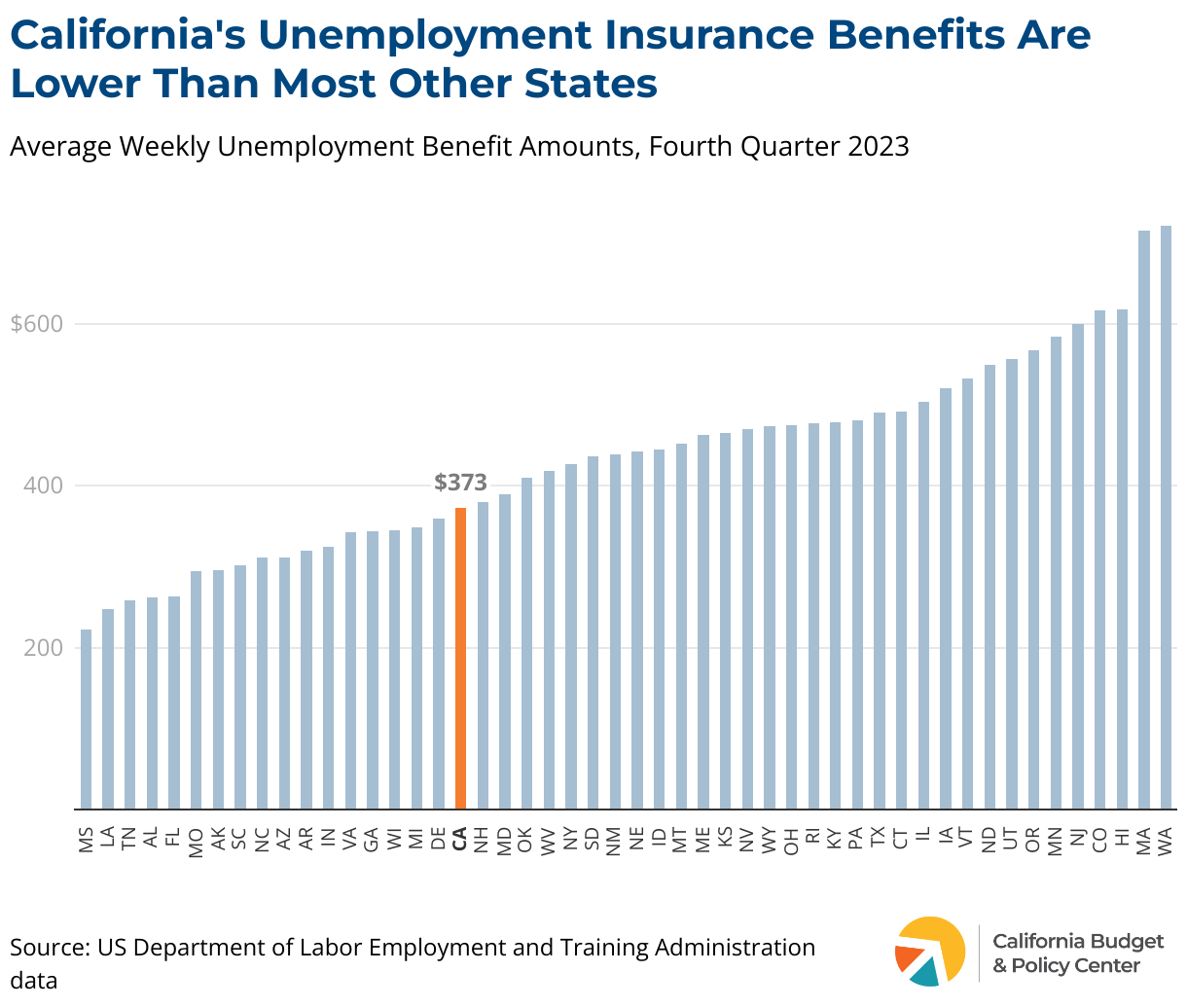
The amount of money you receive each week in California for unemployment benefits is not a fixed sum; it’s calculated based on your earnings during your highest-earning quarter within your base period. The EDD uses a specific formula to determine this, generally taking 40% to 50% of your average weekly wages during that peak quarter, up to a maximum weekly benefit amount.
For example, if your highest-earning quarter saw you earn $10,000, your average weekly wage for that quarter would be approximately $769 ($10,000 / 13 weeks). Your weekly benefit amount would then be a percentage of that, subject to the state’s minimum and maximum thresholds. As of the most recent adjustments, the maximum weekly benefit amount in California is $450. This means that no matter how high your past earnings were, you will not receive more than $450 per week. Conversely, there is also a minimum weekly benefit amount, ensuring that even those with lower earnings during their base period receive some level of support. This calculation ensures a degree of fairness while also setting limits to the program’s financial sustainability.
Navigating the Duration of Unemployment Benefits
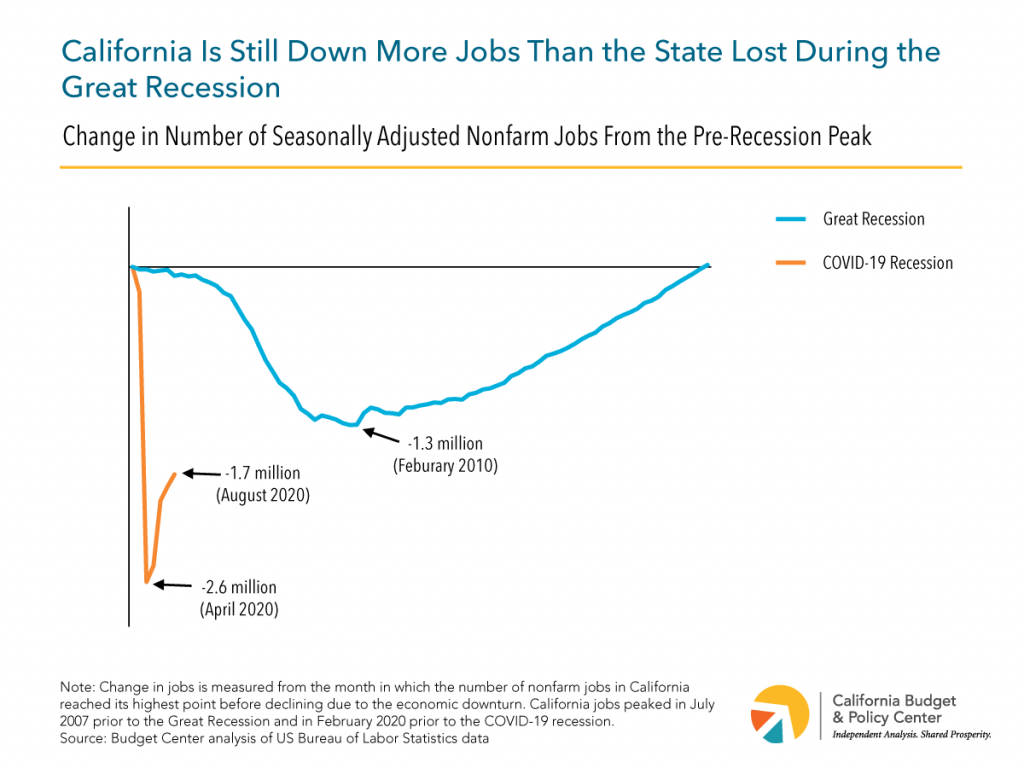
One of the most pressing questions for any claimant is, “How long can I actually receive these benefits?” The answer, while seemingly straightforward, can become nuanced depending on economic conditions and legislative actions.
The Standard 26-Week Period
In California, the standard maximum duration for regular unemployment insurance benefits is 26 weeks within a “benefit year.” A benefit year is the 52-week period that begins on the Sunday of the week you file your claim. This means that once your claim is established, you have up to 52 weeks to collect a total of 26 weeks of benefits, provided you remain eligible. If you exhaust your 26 weeks of benefits before your benefit year ends, your claim effectively runs out of payable weeks. If you haven’t exhausted your 26 weeks but your benefit year ends, you would need to file a new claim if you remain unemployed. This 26-week period is designed to provide a foundational level of support for most individuals seeking reemployment under typical economic conditions. It’s a crucial planning horizon for individuals to consider when managing their finances, especially if they have upcoming travel plans or long-term accommodation commitments.
Exploring Benefit Extensions and Their Triggers
While 26 weeks is the standard, federal and state programs can extend the duration of benefits during times of high unemployment. Historically, programs like Pandemic Emergency Unemployment Compensation (PEUC) and Pandemic Unemployment Assistance (PUA), enacted during the COVID-19 pandemic under the CARES Act and subsequent legislation, significantly expanded benefit availability. These programs, along with Federal Pandemic Unemployment Compensation (FPUC), which added an extra weekly amount, have since expired.
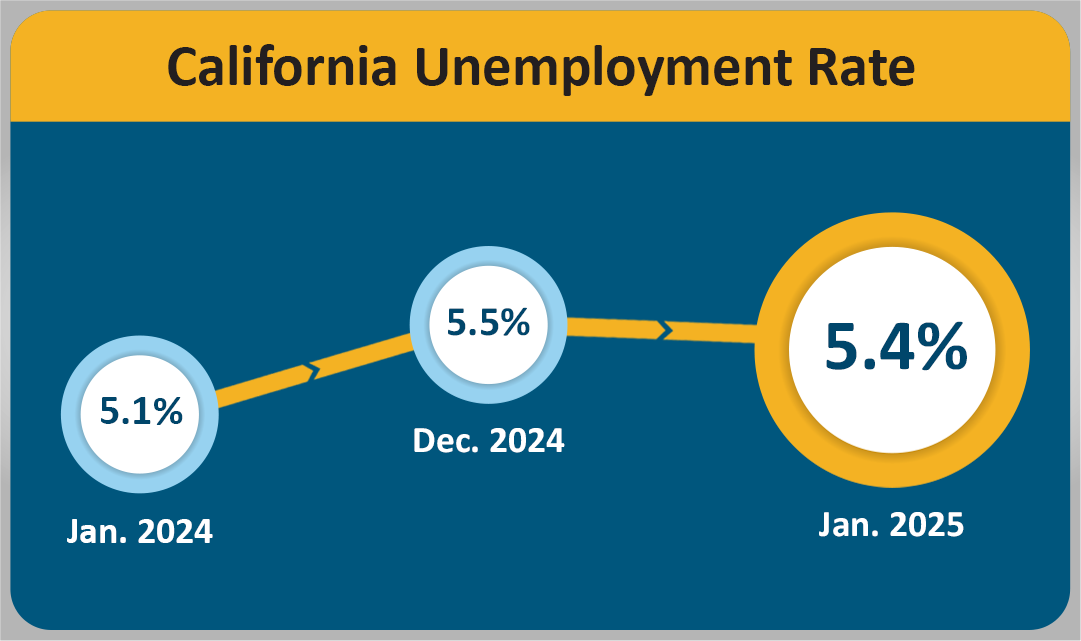
Currently, the primary mechanism for extended benefits in California is the Federal-State Extended Duration (FED-ED) Benefits program. FED-ED Benefits are triggered automatically when a state’s insured unemployment rate reaches a certain level, indicating a period of high unemployment. When triggered, FED-ED Benefits can provide an additional 13 to 20 weeks of benefits after an individual has exhausted their regular 26 weeks. The exact duration depends on the state’s unemployment rate and other specific criteria. For instance, if California’s unemployment rate exceeds a specific threshold, claimants could potentially receive up to 46 weeks of benefits (26 regular + 20 FED-ED Benefits). It’s important to note that eligibility for FED-ED Benefits often requires meeting stricter wage and work search requirements than regular UI. Claimants are typically notified by the EDD if they qualify for extended benefits once their regular benefits are exhausted. These extensions are crucial for those facing prolonged job searches, offering continued support that can influence decisions about long-term accommodation or the deferral of significant travel experiences.
Maintaining Eligibility and Managing Your Claim
Receiving unemployment benefits is not a passive process; it requires ongoing engagement and adherence to specific rules to ensure continuous eligibility.
The Application Process: Getting Started
The first step to receiving unemployment benefits in California is filing a claim with the EDD. This can be done online through the EDD’s website, by phone, or by mail. To streamline the process, it’s essential to have all necessary information readily available. This includes your Social Security number, driver’s license number, mailing address, phone number, and a detailed list of your employment history for the past 18 months. For each employer, you’ll need their name, address, phone number, supervisor’s name, start and end dates of employment, gross wages earned, and the reason for separation. Providing accurate and complete information is critical to avoid delays in processing your claim. The EDD uses this data to verify your eligibility and calculate your potential weekly benefit amount, making this initial phase a foundational step in securing your financial bridge.
Fulfilling Bi-Weekly Certification Requirements
Once your claim is established and approved, you are required to “certify” for benefits every two weeks. This involves answering a series of questions about your availability for work, your work search efforts, and any earnings you may have had during the certification period. This bi-weekly certification is how the EDD confirms your continued eligibility.
Key aspects of these certifications include:
- Work Search Requirements: You must actively seek suitable work each week. The EDD defines “suitable work” based on your skills, experience, and customary earnings. You are generally expected to make a certain number of job contacts per week, which can include applying for jobs, attending job fairs, or networking. Documenting these efforts is crucial, as the EDD may request proof. Resources like America’s Job Center of California can be invaluable in this process.
- Reporting Earnings: Any wages earned from part-time work or temporary gigs must be reported. These earnings will typically be deducted from your weekly benefit amount, and in some cases, if you earn too much, it could disqualify you for that specific week’s benefits. It is imperative to report all income accurately to avoid future penalties.
- Availability for Work: You must be physically and mentally able to work and available to accept suitable employment if it is offered. If you are sick, injured, or unavailable due to personal reasons (e.g., vacation, childcare issues), you may not be eligible for benefits during that period. Being truthful and precise in your certifications is paramount to avoiding issues with your claim.
When Disagreements Arise: The Appeals Process
It’s not uncommon for claimants to disagree with a decision made by the EDD regarding their eligibility or benefit amount. Fortunately, a multi-tiered appeals process is in place to ensure fairness and provide an opportunity for review.
- Initial Determination: When you first file a claim, the EDD makes an initial determination based on the information provided. If this decision is unfavorable, you will receive a “Notice of Determination.”
- First Appeal (Administrative Law Judge): If you disagree with the initial determination, you have the right to file an appeal within a specified timeframe, usually 30 days. This appeal is heard by an Administrative Law Judge (ALJ) who is independent of the EDD. Both you and your former employer can present evidence and testimony. The ALJ will then issue a written decision.
- Second Appeal (Unemployment Insurance Appeals Board): If you disagree with the ALJ’s decision, you can appeal to the Unemployment Insurance Appeals Board (UIAB). The UIAB reviews the record of the hearing before the ALJ and makes a decision based on the evidence presented. They may affirm, reverse, or modify the ALJ’s decision, or send it back for further hearing.
- Judicial Review: As a final recourse, if you disagree with the UIAB’s decision, you can seek judicial review in the California Superior Court. This is a complex legal process and typically requires legal representation.
Throughout the appeals process, it’s crucial to gather all relevant documentation, such as letters from the EDD, work search records, medical certificates, and any communications with your former employer. A well-prepared appeal significantly increases the chances of a favorable outcome.
Important Considerations for Unemployment Claimants
Beyond the core aspects of eligibility and duration, there are several other critical factors that claimants must be aware of to manage their benefits effectively and avoid potential pitfalls.
The Ramifications of Unemployment Fraud
Unemployment fraud is a serious offense with significant consequences. It involves intentionally making false statements or withholding information to obtain benefits that you are not entitled to receive. Common examples include:
- Failing to report earnings from part-time work or side jobs.
- Falsely reporting work search efforts.
- Claiming to be available for work when you are not (e.g., on vacation, incarcerated).
- Using a false identity or Social Security number.
The EDD has sophisticated systems in place to detect fraud, and it actively investigates suspicious claims. The penalties for unemployment fraud in California can be severe, including:
- Disqualification from future benefits: You could be ineligible to receive benefits for an extended period, or permanently.
- Repayment of overpaid benefits: You will be required to pay back all benefits received fraudulently, often with penalties and interest.
- Monetary penalties: Significant fines can be imposed.
- Criminal prosecution: In severe cases, fraud can lead to felony charges, imprisonment, and a criminal record.
It is always best to be truthful and accurate in all communications and certifications with the EDD to avoid these serious repercussions. If you are unsure about what to report, contact the EDD directly for clarification.
Taxation of Unemployment Benefits
A common misconception is that unemployment benefits are tax-free. However, this is not the case. Unemployment benefits received are considered taxable income by both the federal government and the State of California.
- Federal Taxation: The Internal Revenue Service (IRS) requires all unemployment benefits to be reported as gross income on your federal tax return. You have the option to have federal income tax withheld from your weekly benefits at a rate of 10%. If you do not choose to have taxes withheld, you will be responsible for paying the full tax liability when you file your annual tax return. Failing to account for this can lead to an unexpected tax bill.
- State Taxation: Similarly, the Franchise Tax Board (FTB) in California also considers unemployment benefits to be taxable income. California does not automatically withhold state income tax from unemployment benefits, so claimants should plan accordingly. Many choose to make estimated tax payments to the FTB throughout the year or adjust their withholding on other income sources to cover this liability.
The EDD sends Form 1099-G each January, which details the total amount of unemployment benefits received during the previous calendar year. It is crucial to keep this document for tax filing purposes. Understanding the tax implications is vital for financial planning during unemployment, ensuring that you allocate a portion of your benefits for future tax obligations rather than being surprised when tax season arrives.
The Lifestyle Impact: Planning for Your Future
The duration and amount of unemployment benefits significantly impact an individual’s lifestyle, particularly concerning decisions related to travel, accommodation, and overall financial well-being. While unemployment benefits provide a necessary safety net, they are rarely enough to maintain a pre-unemployment lifestyle, especially for those accustomed to regular travel or specific accommodation standards.
For individuals with a passion for travel, whether it’s exploring new destinations, experiencing local culture, or simply taking a weekend getaway, unemployment often necessitates a pause or a significant shift in plans. Benefits might cover essential living costs, but discretionary spending on tourism activities, hotels (suites, resorts, villas), or even budget travel might become unfeasible. This temporary financial constraint encourages a focus on re-employment and can push individuals to reconsider their immediate lifestyle choices.
Regarding accommodation, the impact can be profound. Long-term stays in desirable areas or maintaining a high-cost living arrangement may become challenging. The duration of unemployment benefits directly influences the ability to cover rent or mortgage payments, potentially leading to decisions about downsizing, relocating, or seeking more affordable housing options. For those who enjoy the flexibility of apartments or villas for extended periods, the finite nature of unemployment support means such choices must be carefully weighed against the imperative of securing new income.
Even for those who primarily engage in business stays and luxury travel, a period of unemployment underscores the importance of financial reserves and contingency planning. The temporary nature of benefits highlights the need to re-evaluate budgets, prioritize spending, and perhaps defer grand travel aspirations until a stable income is restored. This period can also be an opportunity to explore new career paths, acquire new skills, or even consider roles that allow for a more flexible lifestyle, perhaps incorporating more affordable family trips or exploring nearby landmarks and attractions rather than international destinations. Ultimately, understanding the limits of unemployment benefits in California is not just about financial survival; it’s about strategically planning for a future that aligns with your aspirations, whether that involves resuming travel, securing stable accommodation, or simply rebuilding your financial foundation.
LifeOutOfTheBox is a participant in the Amazon Services LLC Associates Program, an affiliate advertising program designed to provide a means for sites to earn advertising fees by advertising and linking to Amazon.com. Amazon, the Amazon logo, AmazonSupply, and the AmazonSupply logo are trademarks of Amazon.com, Inc. or its affiliates. As an Amazon Associate we earn affiliate commissions from qualifying purchases.