
The majestic Maine Coon, often hailed as the “gentle giant” of the feline world, captivates with its striking appearance, tufted ears, bushy tail, and amiable personality. For anyone considering welcoming one of these magnificent cats into their home, or for current owners seeking to maximize their beloved companion’s time, a fundamental question often arises: “How long do Maine Coons live?” Understanding the lifespan of this particular breed is not merely a matter of curiosity; it’s a crucial aspect of responsible pet ownership, influencing everything from long-term care planning to the integration of these cherished family members into a dynamic, perhaps travel-oriented, lifestyle.
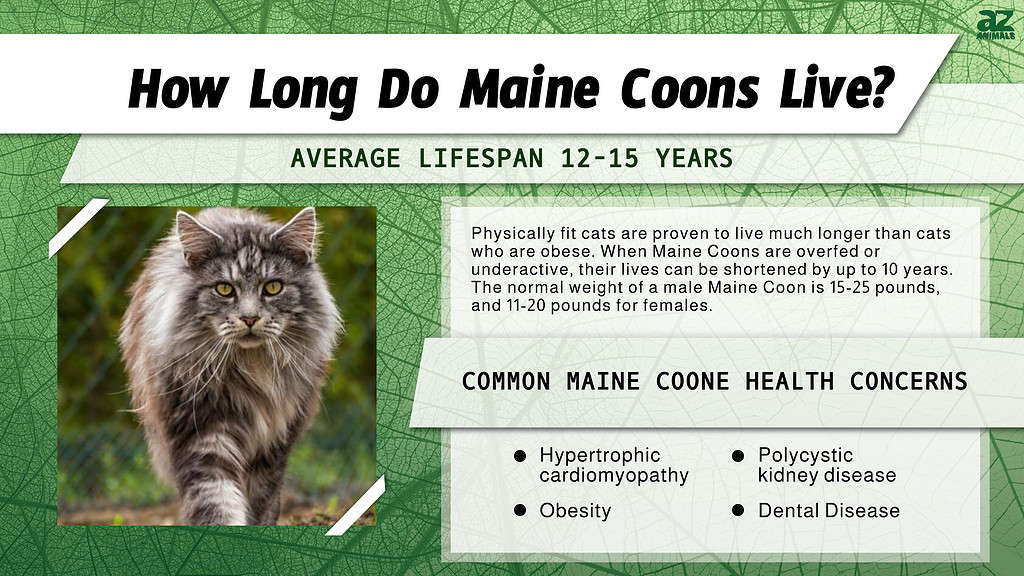
Unlike some smaller breeds, Maine Coons have a respectable average lifespan, typically ranging from 12 to 15 years, with many living even longer, sometimes reaching 18 years or more under optimal conditions. This impressive longevity means that a Maine Coon isn’t just a pet for a few years, but a long-term commitment, potentially spanning a significant portion of an owner’s adult life or even a child’s entire upbringing. This extended companionship makes their care and well-being an even more significant consideration, especially for individuals who embrace a lifestyle that includes frequent travel, diverse accommodations, or a desire to explore various destinations. The commitment to a Maine Coon means planning for their health, happiness, and integration into every facet of one’s life for over a decade.
Understanding the Maine Coon Lifespan
Delving deeper into the factors that dictate a Maine Coon’s longevity reveals a complex interplay of genetics, environment, and proactive care. While the average provides a good benchmark, individual cats can significantly exceed or fall short of this, highlighting the importance of understanding the nuances of their health.
Average Lifespan and Contributing Factors
The average lifespan of 12-15 years for a Maine Coon is a testament to their generally robust health. However, this is an average, and several key factors can significantly influence where an individual cat falls within or beyond this range. Genetics play a primary role; responsible breeders screen for hereditary conditions, which can drastically improve a kitten’s prognosis. Purebred Maine Coons from reputable sources are more likely to have a genetic predisposition for health.
Beyond genetics, lifestyle and environment are paramount. A cat raised in a safe, stimulating indoor environment is protected from many of the dangers that shorten the lives of outdoor cats, such as traffic accidents, exposure to diseases from other animals, and predation. Diet is another critical component. High-quality, species-appropriate nutrition supports all bodily functions, from a strong immune system to healthy organs. Overfeeding, conversely, can lead to obesity, which is a precursor to numerous health issues like diabetes, joint problems, and heart disease, all of which can reduce lifespan.
Furthermore, stress levels can impact longevity. A calm, stable home environment contributes to a cat’s overall well-being. Cats, including Maine Coons, thrive on routine and can be sensitive to major disruptions. For owners who frequently relocate or embark on long trips, minimizing stress for their Maine Coon becomes a vital consideration, whether through meticulous travel planning or arranging familiar and comforting care in their absence. Even subtle environmental enrichment, such as climbing structures and interactive toys, contributes to their mental and physical health, indirectly supporting a longer life.
Common Health Concerns Affecting Longevity
Despite their generally hardy nature, Maine Coons are predisposed to certain genetic health conditions that can impact their lifespan if not managed properly. Awareness and early detection are key to mitigating their effects.
One of the most significant concerns is Hypertrophic Cardiomyopathy (HCM), a common heart disease in cats, which causes the muscular walls of the heart to thicken, reducing its efficiency. HCM can lead to heart failure, blood clots, or sudden death. Reputable Maine Coon breeders should screen their breeding cats for HCM using echocardiograms and genetic testing (for the known MYBPC3 mutation, though not all HCM cases are linked to this gene). Early diagnosis in a pet Maine Coon allows for medical management that can significantly improve quality of life and potentially extend their years.
Another prevalent issue is Hip Dysplasia, a genetic condition typically associated with larger dog breeds but also seen in Maine Coons due to their substantial size. It involves a malformation of the hip joint, leading to pain, arthritis, and reduced mobility. While not directly life-threatening, severe hip dysplasia can significantly diminish a cat’s quality of life and lead to secondary health problems if mobility is severely compromised. Management typically involves pain relief, weight management, and in some cases, surgery. For a cat that enjoys exploring their home or even a pet-friendly outdoor space, maintaining healthy joints is crucial.
Spinal Muscular Atrophy (SMA) is another genetic condition specific to Maine Coons that causes muscle weakness and atrophy, primarily affecting the hind limbs. While affected cats can still lead full lives, their mobility is impaired, requiring special care and environmental adjustments. Genetic testing is available to identify carriers and affected individuals, helping breeders prevent passing on the condition.
Less breed-specific but equally important are common feline ailments such as renal disease, dental disease, and cancer. Renal disease often affects older cats and can be managed with specialized diets and medications. Dental disease, if left untreated, can lead to painful infections and even spread bacteria to vital organs. Regular dental check-ups and cleanings are essential. While cancer can affect any cat, early detection through regular veterinary examinations offers the best prognosis for treatment. Proactive veterinary care is, therefore, a cornerstone of a long and healthy life for your Maine Coon.
Nurturing a Long and Healthy Life for Your Gentle Giant
Ensuring your Maine Coon lives a long, healthy, and fulfilling life requires a holistic approach that covers their physical, mental, and emotional needs. This proactive care directly influences their longevity and overall well-being, allowing them to remain a vibrant companion for many years.
The Role of Nutrition and Exercise
Optimal nutrition is arguably the most fundamental pillar of a long and healthy life for a Maine Coon. Given their large size and muscle mass, they require a diet rich in high-quality protein, essential amino acids, and balanced nutrients. Choosing premium cat food that lists meat as the first ingredient, rather than fillers like corn or soy, is crucial. Wet food can be particularly beneficial for hydration and urinary tract health. Portion control is equally important to prevent obesity, which as mentioned, contributes to a myriad of health problems, including diabetes and joint strain. Regular weight checks with your veterinarian can help monitor and adjust their diet as needed, particularly as they age.
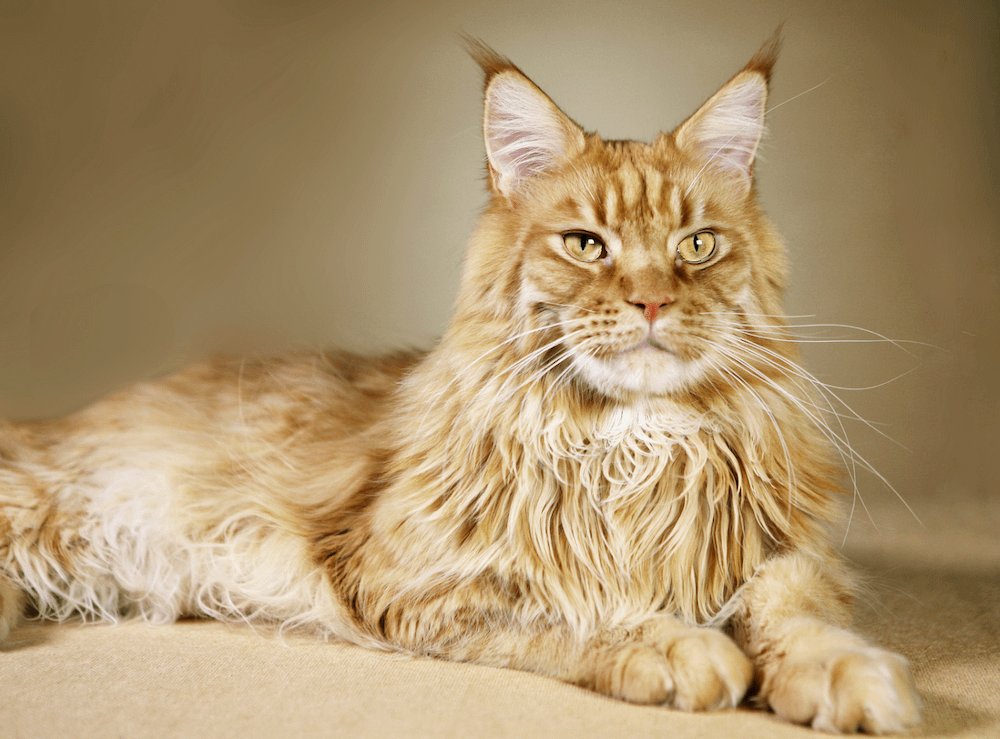
Alongside a proper diet, sufficient exercise is vital for maintaining a Maine Coon’s physical health and mental agility. Despite their large stature, Maine Coons are playful and active cats. Engaging them in daily play sessions with interactive toys, feather wands, and laser pointers encourages movement and prevents boredom. Cat trees, climbing shelves, and puzzle feeders can provide environmental enrichment that stimulates their hunting instincts and encourages physical activity. For owners with the space, a secure “catio” can offer safe outdoor exploration. Consistent exercise helps maintain a healthy weight, strengthens muscles, and supports cardiovascular health, all contributing factors to a longer, more active life.
Veterinary Care and Preventive Measures
Regular veterinary care is non-negotiable for maximizing a Maine Coon’s lifespan. Annual check-ups, and more frequent visits for senior cats, are essential for early detection and prevention of diseases. During these visits, your vet will perform a thorough physical examination, administer necessary vaccinations, and recommend parasite control. As Maine Coons are prone to conditions like HCM and hip dysplasia, your vet may suggest specific screenings or diagnostic tests, especially as your cat ages. Genetic testing for known breed-specific conditions can also be discussed proactively.
Preventive measures extend beyond annual check-ups. Maintaining excellent dental hygiene, either through brushing their teeth (if started young) or professional dental cleanings under anesthesia, can prevent painful dental disease and its systemic complications. Consistent flea, tick, and heartworm prevention, even for indoor cats, protects against common parasites and the diseases they carry. Owners should also be vigilant about observing any changes in their Maine Coon’s behavior, appetite, litter box habits, or activity levels, as these can be early indicators of underlying health issues. Prompt veterinary attention for any concerns can make a significant difference in outcome and prognosis.
Environmental Enrichment and Mental Well-being
A Maine Coon’s mental and emotional well-being is just as important as their physical health for a long and happy life. These intelligent and social cats thrive on environmental enrichment and interaction. Providing a stimulating home environment helps prevent boredom, stress, and behavioral problems. This includes ample vertical space in the form of cat trees and shelves, which cater to their natural inclination to climb and observe their surroundings from a height. Scratching posts and pads are essential for paw health and to satisfy their natural urge to scratch.
Interactive toys, puzzle feeders, and regular play sessions with their human companions are crucial for mental stimulation. Maine Coons are known for their playful nature and often enjoy “fetching” toys. Access to windows where they can watch birds and squirrels provides natural entertainment. Beyond physical objects, consistent human interaction, grooming, and affection contribute significantly to their mental well-being. A stressed or bored cat can exhibit behavioral issues and may even experience a weakened immune system. By creating a rich and engaging environment and fostering a strong bond, owners can ensure their Maine Coon remains mentally sharp and emotionally secure throughout its long life.
Integrating Your Maine Coon into a Travel-Ready Lifestyle
For those who embrace a lifestyle enriched by travel – exploring new destinations from the vibrant streets of New York City to the serene landscapes of Tuscany, or enjoying the amenities of various hotels and resorts – owning a Maine Coon brings unique considerations. Given their long lifespan, this “gentle giant” isn’t a temporary addition but a long-term commitment that intertwines with one’s personal and travel plans. Thoughtful planning ensures both your desire for adventure and your Maine Coon’s well-being are met.
Pet-Friendly Accommodation and Travel Planning
Successfully integrating a Maine Coon into a travel-ready lifestyle starts with meticulous pet-friendly accommodation and travel planning. When embarking on adventures across the United States or even into Canada, researching and booking accommodations that genuinely welcome pets is paramount. Many major hotel chains, like Kimpton Hotels and certain Marriott or Hilton properties, have excellent pet policies, often extending beyond just dogs to cats as well. However, it’s crucial to confirm breed and size restrictions, as a large Maine Coon might exceed certain weight limits. Boutique villas or specialized pet-friendly apartments found through services like Airbnb or VRBO can also offer more space and amenities for your feline companion, especially for longer stays in cities like London or Paris.
Beyond where you stay, travel logistics are equally important. If flying, ensure your Maine Coon meets pet-friendly airline carrier requirements for in-cabin travel (if small enough for under-seat storage) or cargo. Given their size, many Maine Coons will need to travel in cargo, which requires careful consideration of weather conditions and airline regulations, prioritizing their safety and comfort above all else. Road trips offer more flexibility, allowing for planned stops, access to their familiar litter box, food, and water. Investing in a secure, well-ventilated carrier and familiarizing your cat with it beforehand can significantly reduce travel stress. For long-term stays, researching local veterinary services at your destination is also a wise precaution. The goal is to make travel as seamless and stress-free as possible for your gentle giant, integrating their needs into your travel guides and itinerary.
Ensuring Well-being During Absences: Pet-Sitting vs. Travel
For many Maine Coon owners who travel frequently, the decision often comes down to taking their cat with them or securing reliable care in their absence. While some Maine Coons adapt well to travel, others are homebodies. For these cats, ensuring their well-being during absences is crucial.
The primary options are professional pet-sitting services or a trusted friend/family member providing in-home care. In-home pet-sitting allows your Maine Coon to remain in their familiar environment, minimizing stress. A good pet-sitter will not only feed and water your cat but also engage in playtime, clean the litter box, and administer any necessary medications. They can also provide daily updates and photos, offering peace of mind. For those enjoying luxury travel experiences, investing in a high-quality pet-sitter who understands the specific needs of a Maine Coon is a worthwhile expense.
Alternatively, some owners opt for boarding facilities. When choosing a boarding kennel or a dedicated cattery, research is key. Look for facilities that offer spacious, clean enclosures, regular human interaction, and a calm atmosphere. Visiting the facility beforehand and checking reviews can help ensure it’s a suitable environment for your sensitive Maine Coon. Regardless of the choice, providing clear instructions regarding diet, medication, emergency contacts, and your cat’s specific preferences or quirks is essential for their comfort and safety. Planning ahead for care during your travels, whether for a quick weekend getaway or an extended international exploration of Europe, is a fundamental part of responsible Maine Coon ownership.
The Maine Coon as a Companion in a Dynamic Lifestyle
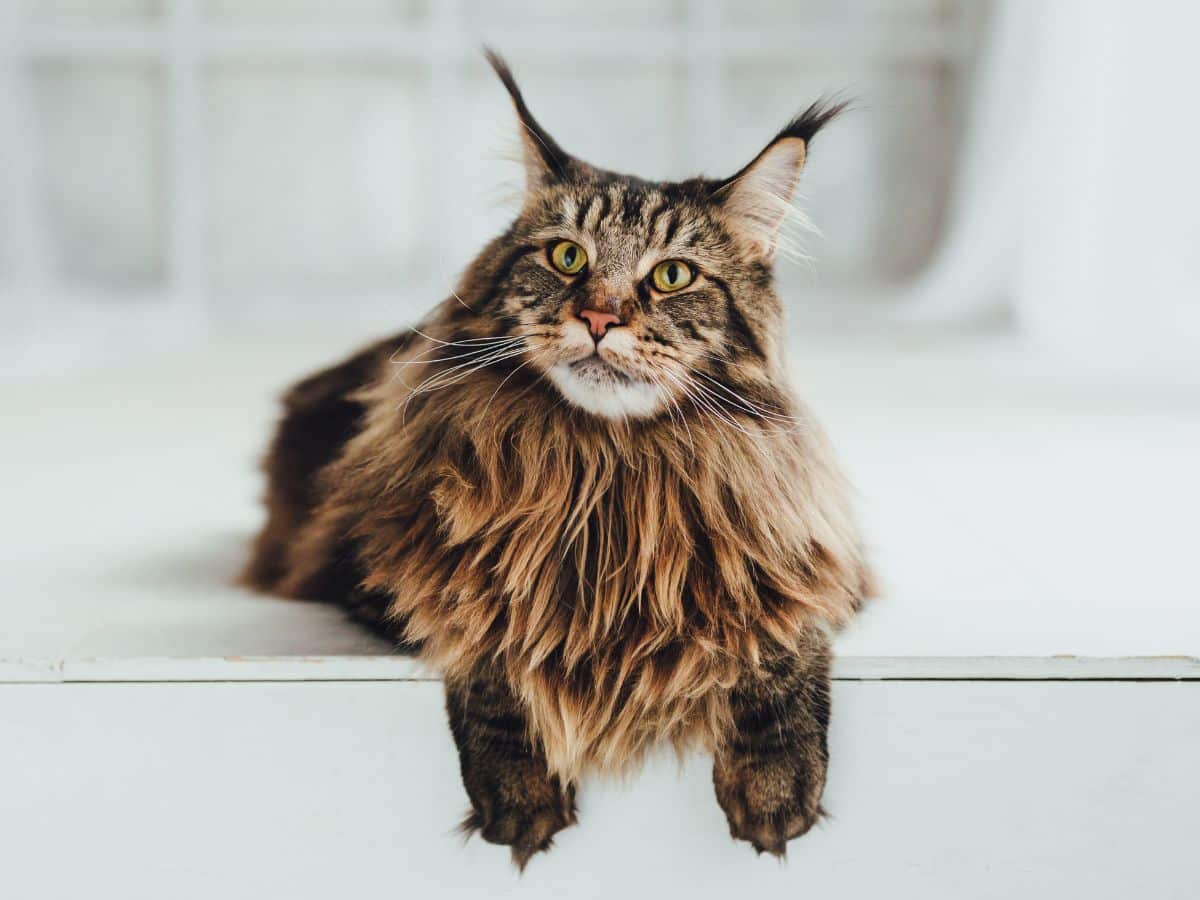
Ultimately, the Maine Coon is more than just a pet; they are an integral part of a family’s lifestyle. Their long lifespan means they will be a constant presence through many life stages and changes, including those involving travel and exploration. For individuals or families living a dynamic life, perhaps splitting time between a bustling city apartment and a quiet rural retreat in California or Florida, the Maine Coon adapts, but always benefits from stability and routine within that dynamism.
Their affectionate and laid-back temperament makes them excellent companions, often forming strong bonds with their owners. This bond can even extend to making them adaptable travel partners if properly introduced to carriers and new environments from a young age. While a Maine Coon might not join you on a hike through a national park (though some cats do enjoy leashed walks in secure areas), their presence enriches your home life, providing comfort and joy after every adventure.
The journey with a Maine Coon is a long and rewarding one, often spanning over a decade. Understanding their specific needs regarding health, nutrition, and environmental enrichment, and thoughtfully integrating these into a travel-ready lifestyle, ensures that your “gentle giant” remains a vibrant, cherished member of your family for the entirety of their impressive lifespan. Whether you’re planning a business stay or a leisurely family trip, the well-being of your long-lived Maine Coon remains a beautiful constant in a world of change and exploration.
LifeOutOfTheBox is a participant in the Amazon Services LLC Associates Program, an affiliate advertising program designed to provide a means for sites to earn advertising fees by advertising and linking to Amazon.com. Amazon, the Amazon logo, AmazonSupply, and the AmazonSupply logo are trademarks of Amazon.com, Inc. or its affiliates. As an Amazon Associate we earn affiliate commissions from qualifying purchases.