
Florida, often celebrated for its sun-drenched beaches, vibrant cities, and endless adventure, presents a unique set of challenges for automotive components, particularly tires. The Sunshine State’s distinctive climate and diverse driving conditions can significantly impact how long your tires last. Unlike cooler, drier regions, drivers in Florida often find their tires degrading faster than the manufacturer’s typical lifespan estimates. Understanding these environmental factors and adopting proactive maintenance strategies is crucial for ensuring safety, optimizing performance, and maximizing your investment in a state where road trips are a way of life.
This comprehensive guide delves into the specific reasons why tires might have a shorter lifespan in Florida, what to expect in terms of longevity, and practical tips to extend your tires’ life while navigating the state’s unique driving landscape.
The Unique Challenges of Florida’s Driving Environment
The factors contributing to accelerated tire wear in Florida are multifaceted, ranging from the relentless sun to the very roads you drive on. These elements combine to create an environment where tires are constantly put to the test.
Climate: Heat and Humidity’s Impact
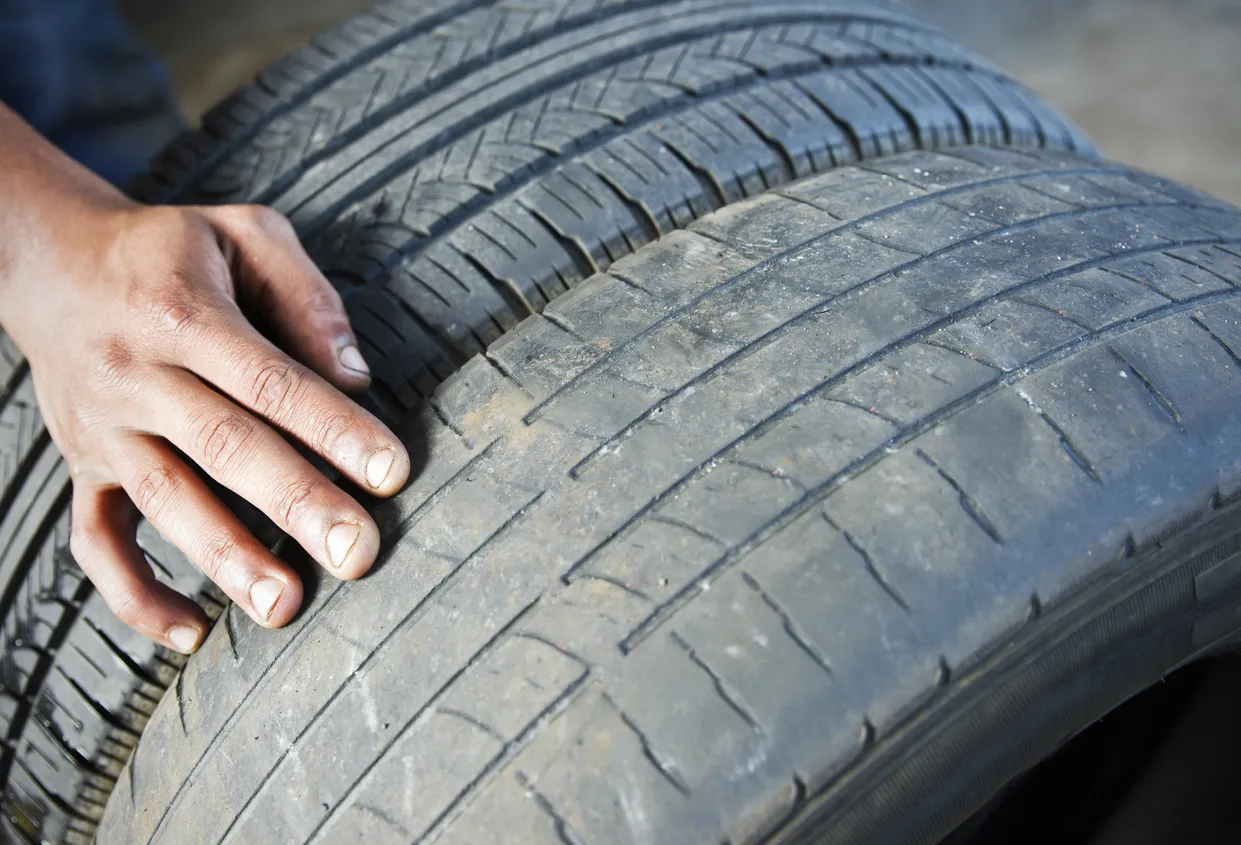
Florida’s subtropical to tropical climate is arguably the most significant factor affecting tire longevity. High temperatures are a tire’s nemesis. Rubber compounds, by nature, degrade faster when exposed to constant heat. This degradation is not just about surface wear; it’s a breakdown of the material’s chemical bonds, leading to a loss of elasticity and increased brittleness over time.
- Accelerated Rubber Degradation: The sheer heat of Florida summers means tires are always operating at higher internal temperatures. This accelerates the aging process of the rubber, making it harder and more prone to cracking.
- Increased Internal Pressure: Heat causes air to expand. While tires are designed to handle fluctuations, consistent high temperatures can lead to higher average internal pressures, stressing the tire’s structure and making it more susceptible to damage from impacts.
- UV Radiation Damage: The intense ultraviolet (UV) rays from the Florida sun are another major contributor to premature tire aging, especially on the sidewalls. UV radiation breaks down the rubber’s molecular chains, leading to a phenomenon known as “dry rot,” where the rubber becomes brittle and develops tiny cracks. This is a common sight on cars parked outdoors for extended periods in Florida.
- Humidity: While less direct than heat, high humidity can also contribute to material breakdown, especially when combined with temperature fluctuations, leading to cycles of expansion and contraction within the tire materials.
Road Conditions: Asphalt and Abrasives
Beyond the climate, the physical characteristics of Florida’s roads and surrounding environment play a crucial role in tire wear.
- Hot Asphalt Surfaces: The vast majority of roads in Florida are asphalt, which absorbs and retains heat, becoming incredibly hot during the day. This hot surface creates additional friction and heat transfer to the tires, exacerbating the thermal degradation process.
- Sand and Debris: Florida is known for its sandy soil and proximity to beaches. Sand, especially fine silica sand, can be highly abrasive. When it gets trapped in tire treads or is kicked up onto the road surface, it acts like sandpaper, slowly but surely wearing down the rubber. Construction debris and other road hazards are also prevalent, increasing the risk of punctures and damage.
- Potholes and Uneven Roads: Despite generally flat terrain, some areas, particularly older roads or those heavily trafficked, can develop potholes, cracks, and uneven surfaces. Driving over these imperfections, especially at speed, can stress the tire’s sidewalls and internal structure, leading to bulges, alignment issues, and premature wear.
Driving Habits: Frequent Stops and Starts
The way people drive in Florida also impacts tire longevity, especially in its bustling urban centers and popular tourist destinations.
- Urban Stop-and-Go Traffic: Cities like Miami, Orlando, and Tampa are notorious for heavy traffic and frequent stops and starts. This type of driving generates a lot of heat and friction on the tires as they repeatedly accelerate, brake, and turn. The constant scrubbing and flexing put immense stress on the tread and sidewalls, leading to faster wear compared to sustained highway driving.
- Tourist Driving Patterns: Visitors to Florida often engage in short trips between attractions, parking lots, and hotels. This can involve more low-speed maneuvering, tight turns, and repeated impacts with curbs or speed bumps, all of which contribute to uneven and accelerated wear.
- Long-Distance Highway Travel: While highway driving reduces stop-and-go wear, the sustained speeds on Florida’s interstates (like I-95 or I-75) mean tires are subjected to continuous high temperatures, which can still contribute to overall thermal degradation and internal stress over long distances.
Factors Influencing Tire Lifespan in the Sunshine State
While Florida’s environment sets a baseline for accelerated wear, several other factors within a driver’s control significantly influence how long their tires will actually last.
Tire Type and Quality
The specific type of tire you choose and its inherent quality are paramount. Not all tires are created equal, and their design dictates their resilience to various conditions.
- All-Season vs. Performance vs. Touring Tires:
- All-Season Tires: Generally a good compromise for [Florida](https://lifeoutofthebox.com/florida], offering decent grip in wet conditions (frequent in Florida) and a balance of comfort and longevity. Many come with higher treadwear ratings.
- Performance Tires: Often made with softer rubber compounds for superior grip and handling. While great for spirited driving, these will typically wear out much faster in Florida’s hot conditions than all-season or touring tires.
- Touring Tires: Designed for comfort, quietness, and extended tread life, often featuring harder compounds and optimized tread patterns. These can be an excellent choice for [Florida](https://lifeoutofthebox.com/florida] drivers seeking durability.
- Rubber Compound: Tires with harder rubber compounds tend to have higher treadwear ratings and generally last longer. Softer compounds, while offering better grip, will succumb to Florida’s heat and abrasives more quickly.
- Brand Reputation and Construction: Premium tire brands often invest more in research and development, resulting in tires with better heat resistance, stronger sidewalls, and more durable tread designs. While they might have a higher initial cost, they can offer better value in the long run due to superior longevity and performance in challenging environments.
Vehicle Maintenance Practices
How you maintain your tires is as important as the tires themselves. Neglecting basic maintenance can dramatically cut short their lifespan.
- Regular Tire Rotations: This is critical for ensuring even wear across all four tires. In Florida, where heat and road conditions can vary even subtly from one side of the car to another, regular rotations (typically every 5,000 to 7,500 miles) help distribute wear evenly, preventing one tire from wearing out prematurely while others still have life left.
- Proper Inflation: Maintaining the correct tire pressure, as specified by your vehicle manufacturer (found on a sticker inside the driver’s side door jamb or in the owner’s manual), is non-negotiable.
- Under-inflation: Causes the tire to flex excessively, generating more heat and leading to accelerated wear on the outer edges of the tread. It also reduces fuel efficiency and increases the risk of blowouts, especially in Florida’s heat.
- Over-inflation: Causes the tire to ride on its center tread, leading to faster wear there. It also reduces the contact patch with the road, affecting grip and ride comfort.
- Wheel Alignment: Incorrect wheel alignment leads to uneven and rapid tire wear, as tires are constantly dragging or scrubbing against the road surface. If you notice your vehicle pulling to one side, or uneven wear patterns on your tires, an alignment check is necessary. Potholes and minor impacts can throw alignment off, making regular checks important in Florida.
Driving Style
The way you interact with your vehicle directly impacts how long your tires will last.
- Aggressive Driving: Hard acceleration, sudden braking, and fast cornering all put immense stress on tires. These actions generate excessive heat and cause the tread rubber to scrub against the road, leading to rapid wear. Smooth and gradual inputs are far more tire-friendly.
- Highway vs. City Driving: While sustained highway driving can generate heat, stop-and-go city driving often leads to more aggressive wear due to the constant starting, stopping, and turning. A balance of both can lead to more even wear if maintained properly.
- Road Hazard Awareness: Actively avoiding potholes, debris, and curbs can prevent sudden damage that might necessitate premature tire replacement.
Typical Tire Lifespan Expectations in Florida
Given the confluence of environmental factors, maintenance practices, and driving habits, what can Florida drivers realistically expect in terms of tire lifespan?
General Guidelines vs. Florida Realities
Manufacturers typically estimate tire lifespan to be between 40,000 and 60,000 miles, or approximately 3 to 5 years, whichever comes first. However, these are general guidelines based on ideal conditions.
- Florida Specific Expectation: In Florida, it’s often prudent to expect tires to last on the lower end of that spectrum, and in many cases, even less. A more realistic expectation might be 30,000 to 50,000 miles, or 2 to 4 years, especially if proper maintenance is not consistently adhered to. The combination of heat, UV exposure, and specific road conditions means that even if the tread depth is still adequate, the rubber compound might have aged and become unsafe after 3-4 years.
- Extreme Cases: For drivers who neglect maintenance, drive aggressively, or primarily park their vehicles outdoors in direct sun for years, tires might show significant dry rot and wear within 2 years or even less than 20,000 miles.
Signs Your Tires Need Replacing
Beyond mileage or age, your tires will tell you when it’s time for replacement. Regular visual inspections are key.
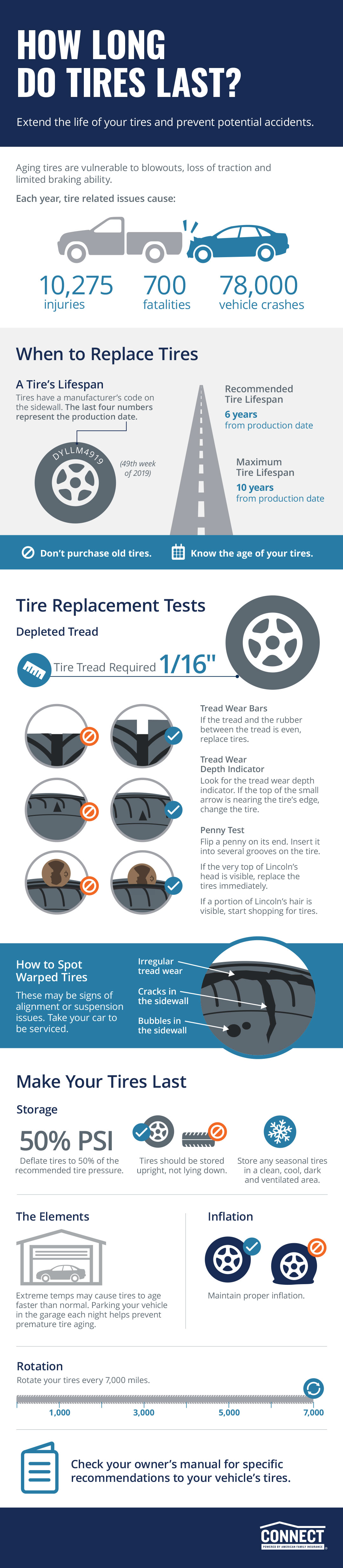
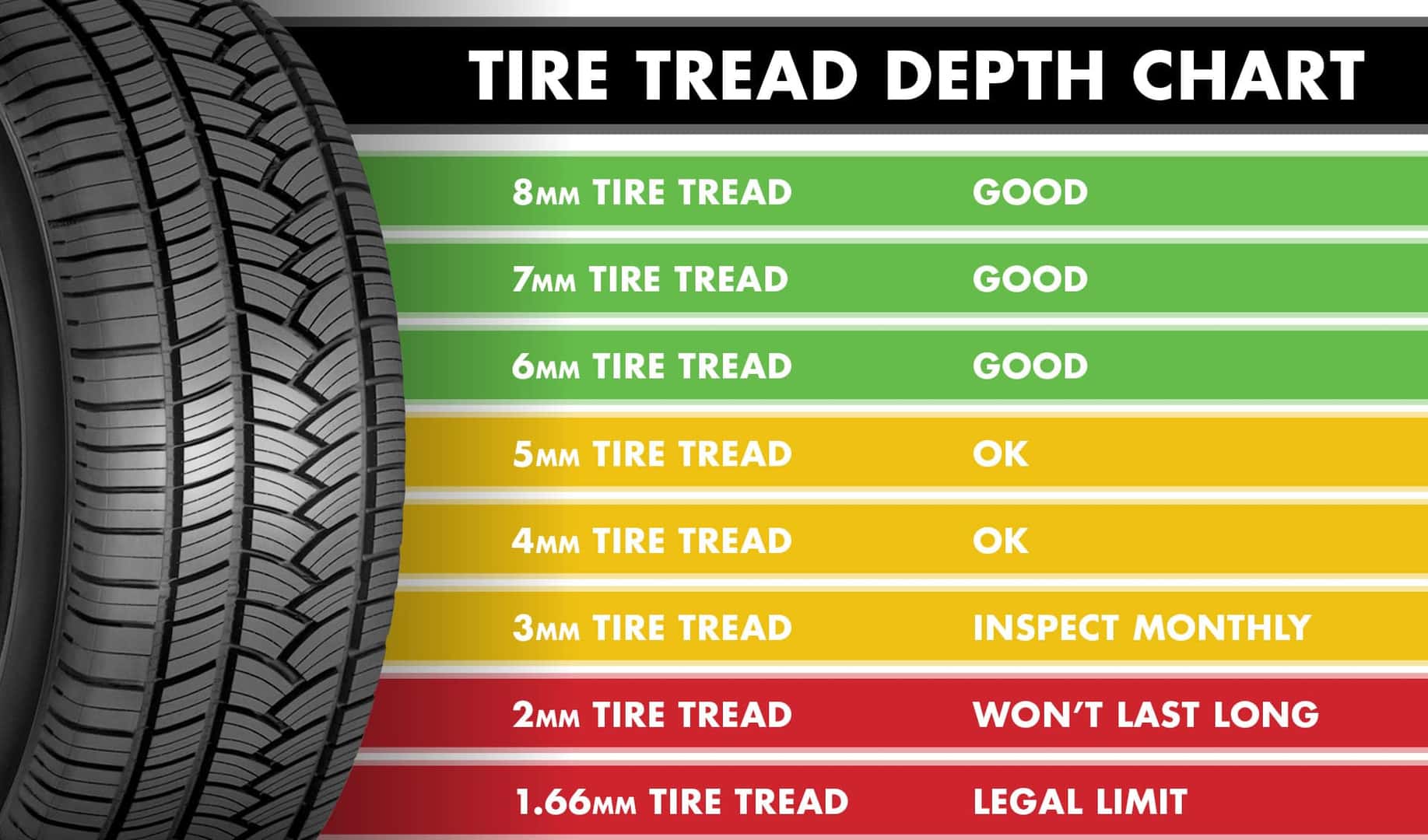
- Tread Depth: The most critical indicator. Most tires have built-in “tread wear indicator bars” that appear flush with the tread when it reaches 2/32 of an inch, the legal minimum in most places. You can also use the “penny test”: if you can see the top of Abraham Lincoln‘s head when inserted into the deepest groove, your tread is likely too low.
- Cracking/Dry Rot: Look for small cracks in the sidewalls and between the tread blocks. This is a common sign of age and UV damage in Florida. Significant cracking indicates the rubber is losing its integrity and can lead to blowouts.
- Bulges or Bubbles: Any bulge or bubble on the sidewall indicates internal damage to the tire’s structure. This is extremely dangerous and requires immediate tire replacement.
- Excessive Vibration or Noise: While these can be signs of other vehicle issues, they can also indicate uneven tire wear, internal damage, or a tire that is out of balance.
- Punctures or Damage: Any deep cuts, large punctures, or unrepairable damage necessitates replacement.
Maximizing Tire Longevity in Florida’s Climate
While you can’t change Florida’s climate, you can adopt strategies to mitigate its effects and significantly extend your tires’ lifespan.
Proactive Maintenance Schedule
Consistency in tire care is your best defense against premature wear.
- Monthly Pressure Checks: Check your tire pressure at least once a month, and always when the tires are cold (before driving or after sitting for several hours). Remember to check your spare tire too!
- Regular Rotations: Stick to the recommended rotation schedule, typically every 5,000 to 7,500 miles, or as advised by your tire manufacturer or mechanic.
- Annual Alignment Checks: Have your wheel alignment checked annually, or sooner if you notice uneven wear or steering issues, especially after hitting a significant pothole or curb.
- Routine Inspections: Visually inspect your tires regularly for signs of damage, cracks, bulges, or embedded objects. A quick walk-around before driving can catch small issues before they become big problems.
Smart Driving Strategies
Your driving habits have a direct impact on tire wear.
- Smooth Acceleration and Braking: Avoid sudden starts and stops. Gradual acceleration and smooth braking reduce stress and friction on the tires.
- Moderate Speeds: While Florida highways encourage higher speeds, remember that excessive speed generates more heat and can accelerate wear. Adhere to speed limits.
- Mindful Navigation: Pay attention to road surfaces and actively steer clear of potholes, debris, and curbs whenever safely possible.
- Park in the Shade: Whenever feasible, park your vehicle in shaded areas or garages to protect tires from direct sunlight and reduce UV exposure. If parking outside, consider using tire covers for long-term protection.
Choosing the Right Tires
When purchasing new tires, make an informed decision with Florida’s conditions in mind.
- Consider Heat Resistance: Look for tires designed with compounds that offer good heat dissipation and resistance to thermal degradation. While specific ratings for this aren’t always front and center, generally, tires designed for durability and touring will fare better.
- Strong Sidewall Protection: Given the risk of UV damage and occasional road hazards, tires with robust sidewall construction can offer added peace of mind.
- Treadwear Rating: Pay attention to the Uniform Tire Quality Grading (UTQG) treadwear rating. A higher number indicates a longer-lasting tread. For [Florida](https://lifeoutofthebox.com/florida], aiming for a treadwear rating above 400-500 can be beneficial.
- Wet Traction: With frequent rain showers, especially during the summer, excellent wet traction is a vital safety feature for any tire in [Florida](https://lifeoutofthebox.com/florida].
Conclusion
Tires in Florida certainly face an uphill battle against the relentless sun, heat, humidity, and specific road conditions. While you might not achieve the maximum mileage touted by manufacturers, a proactive approach to tire maintenance and smart driving habits can significantly extend their life. Regular inspections, proper inflation, consistent rotations, and careful driving are not just about saving money on premature replacements; they are fundamental to your safety and the performance of your vehicle on Florida’s diverse roadways. By understanding these challenges and implementing these strategies, you can ensure your tires are ready for every adventure the Sunshine State has to offer.
LifeOutOfTheBox is a participant in the Amazon Services LLC Associates Program, an affiliate advertising program designed to provide a means for sites to earn advertising fees by advertising and linking to Amazon.com. Amazon, the Amazon logo, AmazonSupply, and the AmazonSupply logo are trademarks of Amazon.com, Inc. or its affiliates. As an Amazon Associate we earn affiliate commissions from qualifying purchases.