
When embarking on a journey through the vast and varied landscapes of New Mexico, understanding the nuances of travel advisories and designated routes can significantly enhance your experience. Among these, the concept of a “Safety Corridor” emerges as a crucial element for travelers, particularly those venturing through certain highways and regions. While not an official designation recognized by every state, New Mexico has, at various times, utilized or discussed the idea of safety corridors to address specific concerns and guide travelers toward more secure and well-maintained routes. This article delves into what a safety corridor signifies in the context of New Mexico, its potential implications for your travel plans, and how it relates to the broader aspects of exploring this captivating state, from its iconic landmarks to its vibrant local culture.
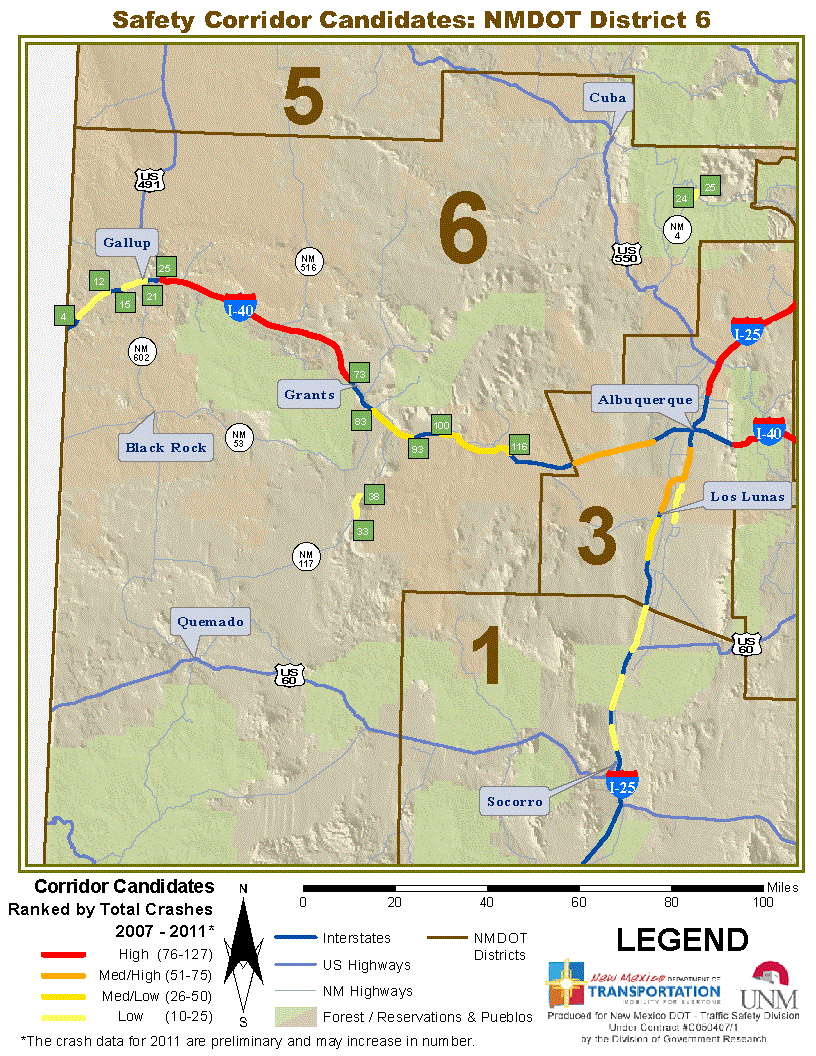
Understanding the Concept of a Safety Corridor
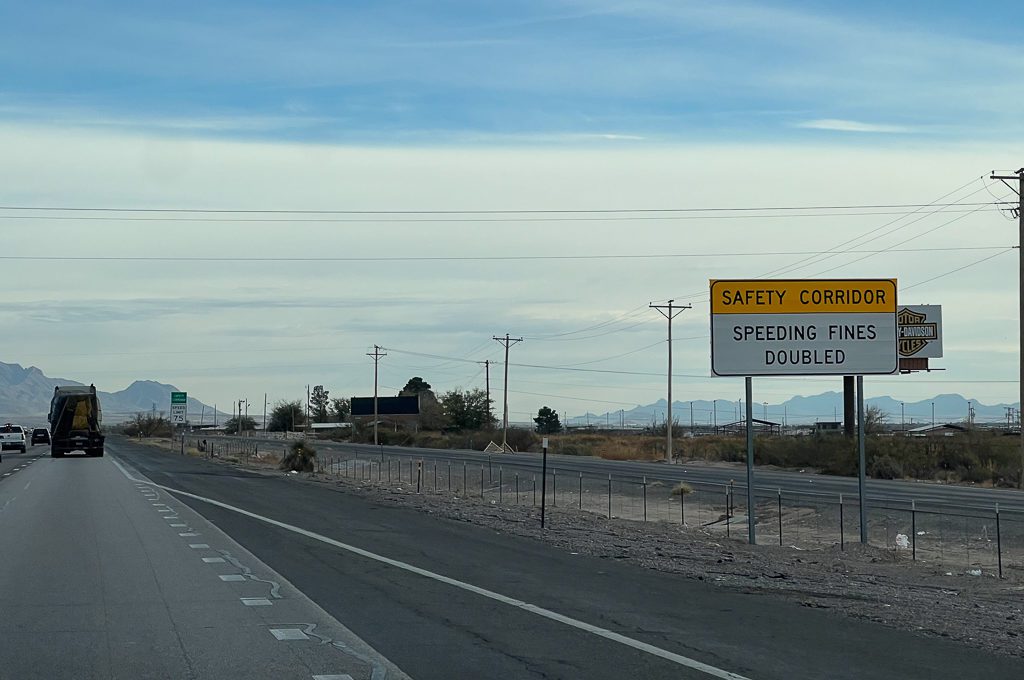
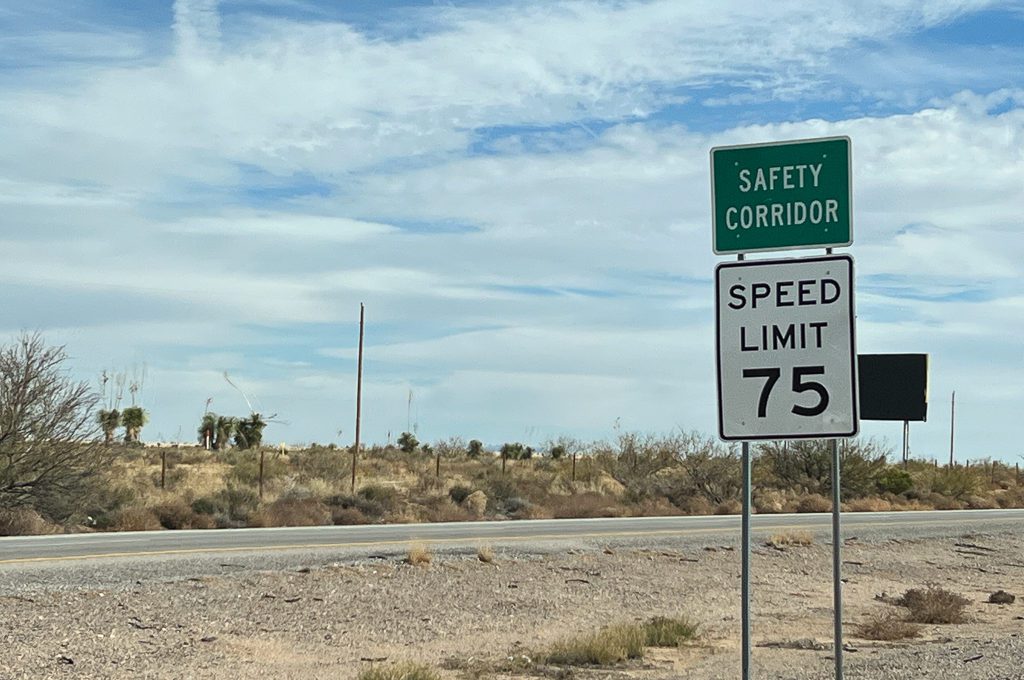
At its core, a safety corridor is a designated stretch of roadway or an area that authorities deem to require heightened attention due to various factors. These factors can range from increased accident rates, potential criminal activity, adverse weather conditions, or simply stretches of highway that are more remote and less patrolled. The objective behind designating such corridors is multifaceted: to alert drivers to potential hazards, to encourage vigilance, and sometimes, to steer travelers towards alternative, safer routes or to provide specific guidance for navigating the area.
In New Mexico, the term “safety corridor” might not be a formally legislated term like “interstate highway” or “state route.” Instead, it often arises in the context of advisories issued by law enforcement agencies, transportation departments, or even through general public awareness campaigns. These advisories are typically born out of a desire to mitigate risks for travelers. For instance, a highway known for high speeds and a history of collisions might be informally referred to as a safety corridor, prompting drivers to exercise greater caution, reduce speed, and be more aware of their surroundings. Similarly, routes passing through remote areas with limited cell service or infrequent law enforcement presence might be highlighted as requiring extra preparedness.
Historical Context and Practical Application
While the term might not be universally standardized, the principles behind safety corridors are very much alive in New Mexico’s travel landscape. Historically, and even in contemporary times, law enforcement agencies in New Mexico have conducted targeted enforcement operations along certain highways that have been identified as having higher incidences of traffic violations, accidents, or other safety concerns. These operations, often publicized through local news or government channels, can effectively transform a particular stretch of road into a de facto safety corridor for the duration of the enforcement effort.
Beyond law enforcement, the concept can also be influenced by the sheer geography of New Mexico. The state boasts incredible natural beauty, from the dramatic desert vistas of White Sands National Park to the mountainous terrain of the Sangre de Cristo Mountains. However, some of the most breathtaking sights are accessed via less-traveled roads. In such instances, a “safety corridor” could be an advisory for drivers to ensure their vehicles are in good condition, to carry extra water and supplies, and to inform someone of their travel plans due to the remoteness. This proactive approach ensures that adventurers can enjoy the rugged beauty of New Mexico without unnecessary risks.
The application of safety corridors, whether formal or informal, directly impacts how you might plan your travel. If a particular route is identified as a safety corridor, it could mean:
- Increased Law Enforcement Presence: You might encounter more police patrols, leading to stricter enforcement of traffic laws.
- Advisories for Specific Precautions: You might be advised to check weather forecasts diligently, ensure your vehicle is well-maintained, or carry emergency supplies.
- Consideration of Alternative Routes: In some cases, authorities might recommend alternative, potentially longer but safer, routes to your destination.
- Awareness of Local Conditions: It serves as a reminder to be mindful of local driving customs, road conditions (like sudden dust storms or icy patches), and the potential for wildlife on the road, especially when traveling at dawn or dusk.
Navigating New Mexico: From Iconic Landmarks to Local Flavors
Understanding safety corridors is intrinsically linked to the broader experience of travel in New Mexico. The state is a treasure trove of attractions, offering a rich tapestry of history, culture, and natural wonders. When planning your visit, whether you’re aiming for a luxurious stay at a resort in Santa Fe or a budget-friendly exploration of the Gila Cliff Dwellings National Monument, preparedness is key.
Exploring New Mexico’s Diverse Attractions
New Mexico’s appeal lies in its incredible diversity. For history buffs, cities like Santa Fe and Taos offer a glimpse into centuries of history, with adobe architecture and a vibrant arts scene. The Plaza in Santa Fe is a prime example, a historic hub that has witnessed centuries of activity. Traveling to these areas often involves navigating state highways and local roads, where awareness of any safety advisories is paramount.
Nature enthusiasts will find themselves drawn to the dramatic landscapes. The aforementioned White Sands National Park offers an otherworldly experience of gypsum dunes. Further north, the volcanic craters and vast mesas provide a starkly beautiful contrast. Adventures into these natural wonders might involve driving on roads that could be considered remote, thus bringing the concept of safety corridors into practical consideration. Ensuring your vehicle is equipped for varied terrain and carrying essential supplies like water and snacks becomes vital, especially if you’re planning a longer stay or an extended exploration away from major towns.
Culinary Delights and Cultural Immersion
New Mexico is renowned for its distinct culinary heritage, heavily influenced by Native American and Spanish traditions. The iconic flavors of green chile and red chile are ubiquitous, finding their way into everything from enchiladas to breakfast burritos. Exploring the local food scene is an essential part of the tourism experience. Whether you’re dining at a Michelin-starred restaurant in Albuquerque or enjoying authentic New Mexican cuisine at a roadside diner, these culinary adventures often involve traveling between towns and cities. Understanding local driving conditions, especially if you’re traveling after dark to reach a celebrated restaurant, adds another layer to safe travel planning.
The state’s cultural landscape is equally rich. Native American pueblos, such as Acoma Pueblo (the Sky City), offer a profound connection to ancient traditions. Visiting these sites often requires travel on roads that might be less maintained than major interstates. This is where the spirit of safety corridor awareness truly comes into play – being prepared, driving cautiously, and respecting the local environment and communities.
Accommodation and Lifestyle Considerations
The choice of accommodation and your overall travel lifestyle in New Mexico can also be influenced by the considerations related to safety corridors. Whether you are looking for a luxurious suite in a boutique hotel in Taos, a family-friendly resort with extensive amenities, or a budget-conscious apartment for a longer stay, the accessibility and safety of reaching your chosen lodging are important factors.
Planning Your Stay
When booking accommodation, consider its location relative to the attractions you wish to visit and its proximity to major roadways. If your chosen hotel or resort is in a more remote area, or if the primary access routes are known to have occasional advisories, factoring in travel time and potential for delays becomes crucial. For instance, a stunning villa nestled in the foothills outside Santa Fe might require navigating winding roads, especially at night. This is where understanding potential “safety corridor” implications – such as limited lighting or the presence of wildlife – becomes practical advice.
For those planning longer stays, whether for business or leisure, establishing a comfortable and secure base is paramount. Researching the neighborhoods around your potential accommodation and understanding the local traffic patterns can help ensure a smooth and enjoyable experience. Many websites offer detailed reviews and comparison tools for accommodations, allowing you to gauge not only the quality of the stay but also its accessibility and surrounding environment.
Embracing Different Travel Styles
New Mexico caters to a wide range of travel styles. Luxury travel might involve private transfers and carefully curated itineraries that account for travel times. Budget travel, on the other hand, might involve more independent exploration, potentially utilizing public transportation or driving your own vehicle. In both scenarios, staying informed about road conditions and any relevant advisories is essential. For example, a family trip might involve longer drives to reach attractions like the Carlsbad Caverns National Park, and ensuring that all travel during daylight hours or on well-trafficked routes enhances the safety and enjoyment for everyone.
Business stays in cities like Albuquerque or Santa Fe typically involve navigating urban and suburban road networks. While major city roads are usually well-maintained, understanding local traffic patterns and potential construction zones is always a good practice. The concept of safety corridors might be less about specific highways and more about general urban safety awareness, such as being mindful of your surroundings when parking or walking at night.
Ultimately, the idea of a safety corridor in New Mexico serves as a valuable reminder for all travelers: be informed, be prepared, and be aware. By paying attention to advisories, understanding the specific characteristics of the routes you plan to take, and respecting the unique environment of New Mexico, you can ensure your journey is as safe and memorable as possible, allowing you to fully immerse yourself in the magic of the Land of Enchantment.
LifeOutOfTheBox is a participant in the Amazon Services LLC Associates Program, an affiliate advertising program designed to provide a means for sites to earn advertising fees by advertising and linking to Amazon.com. Amazon, the Amazon logo, AmazonSupply, and the AmazonSupply logo are trademarks of Amazon.com, Inc. or its affiliates. As an Amazon Associate we earn affiliate commissions from qualifying purchases.