
Navigating the nuances of background checks in the Lone Star State can be a complex undertaking, especially when planning for extended stays or significant life events that necessitate them. Whether you’re considering a long-term rental in a vibrant city like Austin or looking to establish residency in a quiet Texas town, understanding the typical timeline for background checks is crucial for efficient planning. This guide aims to demystify the process, outlining the factors that influence duration and what you can generally expect when undergoing a background check in Texas.
Understanding the Scope of a Texas Background Check
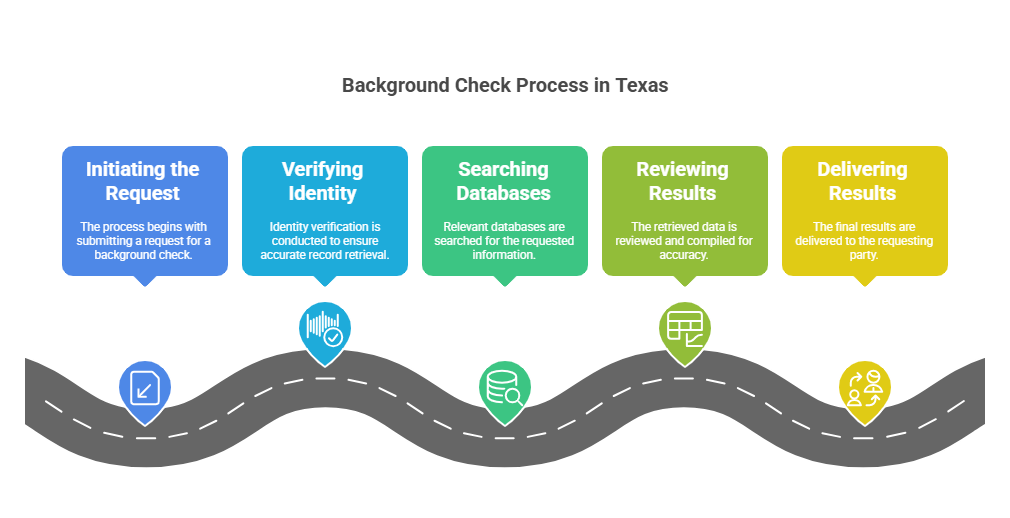
In Texas, background checks are a common requirement for various situations, from employment and tenant screening to volunteer positions and professional licensing. The specific type of check conducted directly impacts its duration. Generally, a background check involves a review of criminal records, credit history, identity verification, and sometimes driving records or employment verification. The depth and breadth of this investigation are determined by the requesting party’s needs and legal permissible inquiries.
Types of Background Checks and Their Implications
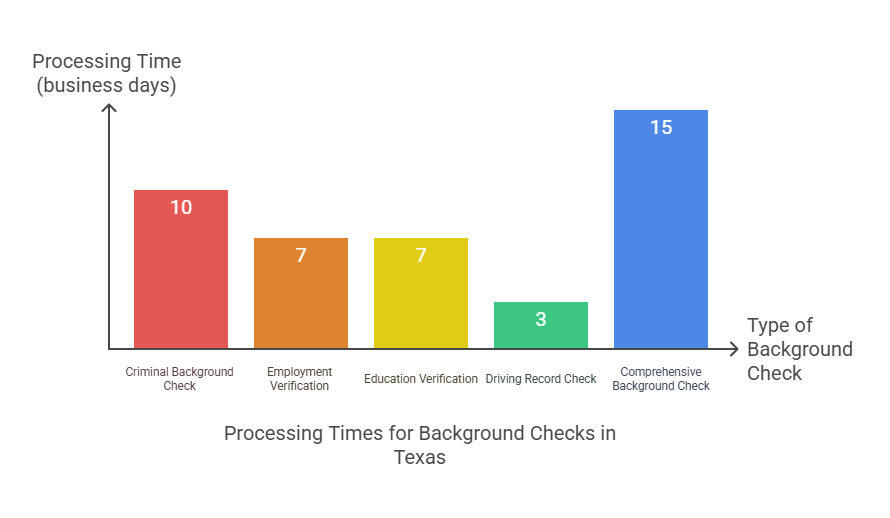
The complexity of a background check varies significantly, affecting how long it takes to complete. For instance, a basic identity verification and a quick check of a state criminal database will be considerably faster than a comprehensive investigation that includes national criminal databases, sex offender registries, credit reports from all three major bureaus, and professional license verification.
- Basic Criminal History Search: These searches typically involve querying state and local databases for any felony or misdemeanor convictions. Depending on the efficiency of the database and the search parameters, this can sometimes be completed within minutes to a few hours. However, if the system experiences high traffic or requires manual review, it can extend.
- Credit Report: Obtaining a credit report from bureaus like Equifax, Experian, and TransUnion is usually a swift process, often instantaneous once authorization is granted. However, discrepancies or fraud alerts on a report can trigger a manual review process, adding time.
- National Criminal Database Search: This involves checking multiple databases across the country. While automated, the sheer volume of data and potential for matches can take longer than a simple state-level check, often ranging from a few hours to a couple of business days.
- Employment and Education Verification: Contacting past employers or educational institutions to confirm details can be time-consuming, as it depends on the responsiveness of the verifiers and their internal processes. This can add several business days to the overall check.
- Sex Offender Registry Search: This is typically a quick automated search against state and federal registries.
- Driving Record: Accessing a driving record, especially in a state like Texas with a robust Department of Public Safety, is generally efficient, often taking less than a business day.
Factors Influencing Background Check Timelines in Texas
Several critical factors can accelerate or decelerate the background check process in Texas. Understanding these elements can help manage expectations and prepare for potential delays.
The Role of the Background Check Provider
The efficiency and technological infrastructure of the background check provider play a paramount role. Reputable agencies often utilize advanced software and have established relationships with data repositories, allowing for faster retrieval of information. Smaller or less technologically advanced providers might experience longer turnaround times due to manual data entry, outdated systems, or limited access to comprehensive databases. The specific software used, the number of investigators assigned to a case, and their established workflows can all contribute to the speed of completion.
Information Accuracy and Completeness
The accuracy and completeness of the information provided by the applicant are fundamental. If names are misspelled, dates of birth are incorrect, or social security numbers are missing, the system may struggle to find a match or may generate false positives that require manual investigation. This can significantly prolong the process as the provider attempts to reconcile discrepancies. Providing all requested documentation promptly and ensuring its accuracy is the applicant’s responsibility and a key factor in expediting the check.
Volume and Complexity of Records
The sheer volume of information to be processed and the complexity of the records involved are significant determinants of the timeline. A clean record with minimal potential matches will naturally be processed faster than a record with multiple arrests, convictions, or significant financial history. When numerous records exist, especially if they are from different jurisdictions or require specific interpretation, the provider will need more time to conduct thorough research and verification. This is particularly true for checks involving extensive criminal histories or complex financial situations.
Jurisdictional Variations and Data Access
Accessing records across different jurisdictions within Texas or even nationally can introduce delays. Some county courthouses or state agencies might have slower response times or less digitized records, necessitating manual requests. The extent to which data is digitized and readily accessible electronically impacts the speed. For instance, older records or those from rural areas might be archived and require physical retrieval, adding considerable time.
Peaks in Demand
Like any service-based industry, background check providers can experience fluctuations in demand. Periods of high hiring activity, such as the holiday season or the start of new academic years, can lead to an increased volume of requests. During these peak times, providers may experience backlogs, extending the typical turnaround time for all checks. This is a common phenomenon that applicants should be aware of when planning important decisions that hinge on a background check.
Typical Timelines for Background Checks in Texas
While a precise universal answer is elusive due to the variables mentioned above, we can provide general estimates for how long various types of background checks typically take in Texas. These are estimates and should be considered as such.
Standard Turnaround Times
For most standard employment or tenant background checks, which often include a criminal history search (state and national), credit check, and identity verification, the expected timeframe is typically 2 to 5 business days. This allows sufficient time for automated searches to complete and for any minor discrepancies to be addressed.
- Instant or Near-Instant Checks: Some basic identity verification or simple database searches can be completed in minutes or a few hours, especially if the information is clean and easily verifiable.
- One to Three Business Days: Many common background checks that involve standard criminal and credit record searches fall into this range, assuming no significant complexities arise.
- Three to Seven Business Days: If employment or education verification is included, or if there are minor issues requiring follow-up, the timeline can extend to a full week.
Extended Timelines
Certain circumstances can push the timeline beyond the typical range. These include:
- Complex Cases: Background checks involving extensive criminal histories, multiple aliases, international records, or specialized professional licensing can take 7 to 14 business days, or even longer.
- Manual Reviews: If a background check flags potential issues that require manual investigation by a human reviewer, this process can add significant time, potentially extending the check to two weeks or more.
- Delays with Third-Party Verifications: Waiting for responses from previous employers, educational institutions, or government agencies can be a major bottleneck. If these entities are slow to respond, the check will be delayed accordingly. This is a common reason for extended timelines and can sometimes push the duration to over two weeks.
- High-Demand Periods: As mentioned, during busy hiring seasons or specific industry cycles, expect potential delays of an additional few business days on top of the standard timeframe.
Tips for Expediting Your Background Check in Texas
While you may not have direct control over the entire process, there are several steps you can take to help ensure your background check in Texas is completed as efficiently as possible.
Provide Accurate and Complete Information
This is arguably the most critical step. Ensure all personal details, including your full legal name, date of birth, social security number, and addresses for the past seven to ten years, are entered accurately and without errors. Double-check spellings and confirm all digits are correct. Any inaccuracies can lead to false positives or the inability to locate your records, necessitating manual intervention and causing delays.
Be Responsive to Requests for Information
If the background check provider or the requesting party (e.g., a potential employer or landlord) contacts you for additional information or clarification, respond as quickly as possible. This could include providing copies of identification, proof of address, or contact details for references. Prompt communication can prevent your application from being placed on hold.
Understand the Scope of the Check
Before undergoing a background check, try to understand exactly what information will be reviewed. Knowing this can help you anticipate potential areas that might cause delays and prepare accordingly. For instance, if you know employment verification is part of the process, ensure your listed previous employers are aware you may be contacted and have their contact information readily available.
Choose a Reputable Provider (If Applicable)
In some situations, you might have a choice in the background check provider. Opting for a well-established, reputable agency that utilizes modern technology and has a proven track record of efficiency can significantly reduce potential delays. Companies that specialize in Texas background checks might also have more streamlined access to local and state records.

Plan Ahead for Critical Deadlines
Given the potential for delays, it is always wise to initiate any necessary background checks well in advance of critical deadlines. Whether you are applying for a rental property in Dallas, seeking employment, or engaging in any activity requiring a background check, building in a buffer of at least two weeks beyond the estimated completion time can prevent stress and last-minute complications. This proactive approach is particularly important when making significant accommodation decisions or securing employment.
LifeOutOfTheBox is a participant in the Amazon Services LLC Associates Program, an affiliate advertising program designed to provide a means for sites to earn advertising fees by advertising and linking to Amazon.com. Amazon, the Amazon logo, AmazonSupply, and the AmazonSupply logo are trademarks of Amazon.com, Inc. or its affiliates. As an Amazon Associate we earn affiliate commissions from qualifying purchases.