
Embarking on the journey from the sprawling metropolis of Los Angeles to the glittering oasis of Las Vegas is a quintessential American road trip, offering a fascinating transition from the coastal charm of Southern California to the stark beauty of the Mojave Desert. Understanding the nuances of this drive, from its typical duration to factors that can influence your travel time, is crucial for planning a seamless and enjoyable experience. This guide delves into the realities of the Los Angeles to Las Vegas drive, providing insights for every traveler.
The Average Drive Time: A Baseline Expectation
The most direct route from Los Angeles to Las Vegas typically spans approximately 270 miles. Under ideal conditions, with minimal traffic and a consistent pace, the drive can be completed in around 4 to 5 hours. This is the figure most often cited by GPS navigation systems and is a good baseline for your planning. However, it’s essential to recognize that “ideal conditions” are a rare commodity, especially when departing from or arriving in a major metropolitan area like Los Angeles.
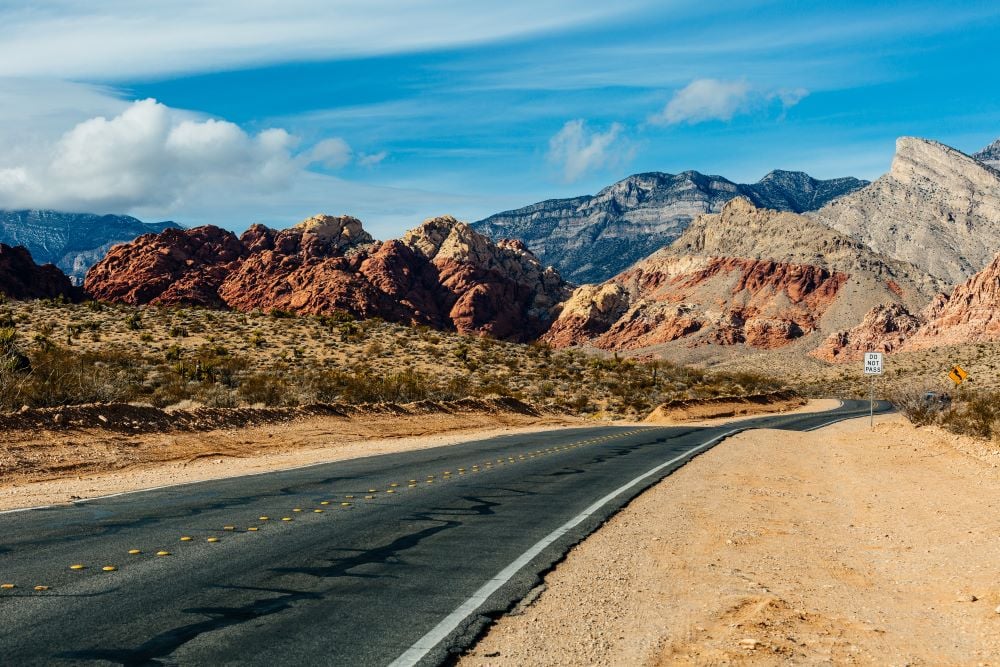
This 4 to 5-hour window assumes you are traveling primarily on Interstate 15 North (I-15 N), the most common and direct artery connecting the two cities. This highway is well-maintained and offers a relatively straightforward driving experience through varied desert landscapes. The journey will take you through cities like San Bernardino, Victorville, and ultimately across the California–Nevada border into the heart of Nevada before reaching Las Vegas.
Factors Influencing Your Travel Time
While the average time provides a useful benchmark, several critical factors can significantly alter your actual drive time. Being aware of these variables allows for more realistic scheduling and can help mitigate potential delays.
Traffic Congestion
This is arguably the most significant factor impacting the drive from Los Angeles to Las Vegas. Los Angeles is notorious for its traffic, and departing from the greater Los Angeles area, especially during peak hours, can add considerable time to your journey.
- Weekday Peak Hours: Traveling on a weekday morning (roughly 6 AM to 10 AM) or afternoon (3 PM to 7 PM) will almost certainly mean encountering heavy traffic as commuters navigate the region. This can easily add an hour or more to the initial leg of your drive.
- Weekend Departures: Departures on Friday afternoons or evenings, and Saturday mornings, are also prone to congestion as many people head out for weekend getaways. The I-15 corridor can become heavily trafficked with vacationers.
- Return Trips: The drive back to Los Angeles on Sunday afternoons and evenings is often even more congested than the departure, as a steady stream of visitors returns home. Expect potential delays of 1-2 hours or more, particularly as you approach the Los Angeles basin.
Time of Day and Day of Week
Beyond peak traffic hours, the day of the week can also play a role.
- Holidays and Special Events: Major holidays, holiday weekends (like Memorial Day, Labor Day, or Thanksgiving), and large events in either Los Angeles or Las Vegas (such as major sporting events or conventions) can lead to significantly increased traffic volume and longer travel times. Planning well in advance and monitoring traffic reports are essential during these periods.
- Mid-Week Travel: Traveling mid-week, perhaps on a Tuesday or Wednesday, generally offers the smoothest driving experience with less congestion.
Road Construction and Incidents
Like any major highway, I-15 North is subject to ongoing road construction and occasional incidents.
- Construction Zones: Roadwork can lead to lane closures, reduced speed limits, and bottlenecks, adding unexpected delays. While often signposted in advance, they can still cause frustration.
- Accidents: Even minor accidents can bring traffic to a standstill. It’s advisable to check real-time traffic apps or services like Google Maps or Waze before and during your trip.
Stops and Breaks
The 4 to 5-hour estimate is for continuous driving. Most travelers will need to stop for fuel, restrooms, or a meal.
- Fuel Stops: While there are numerous gas stations along I-15 North, strategically planning your fuel stops can save time. It’s often advisable to fill up before leaving the Los Angeles area or in larger towns like Barstow or Victorville, as services can be more spread out in the desert.
- Rest Stops: Numerous rest areas are available along the route, providing convenient places to stretch your legs.
- Meal Breaks: Deciding whether to pack snacks and drinks or stop for a sit-down meal will impact your total travel time. Dining options range from fast-food chains to more established restaurants in towns along the way. A quick stop for snacks and restrooms might add 30 minutes, while a leisurely lunch could add an hour or more.
Weather Conditions
While the desert climate between Los Angeles and Las Vegas is generally dry and sunny, extreme weather can occur.
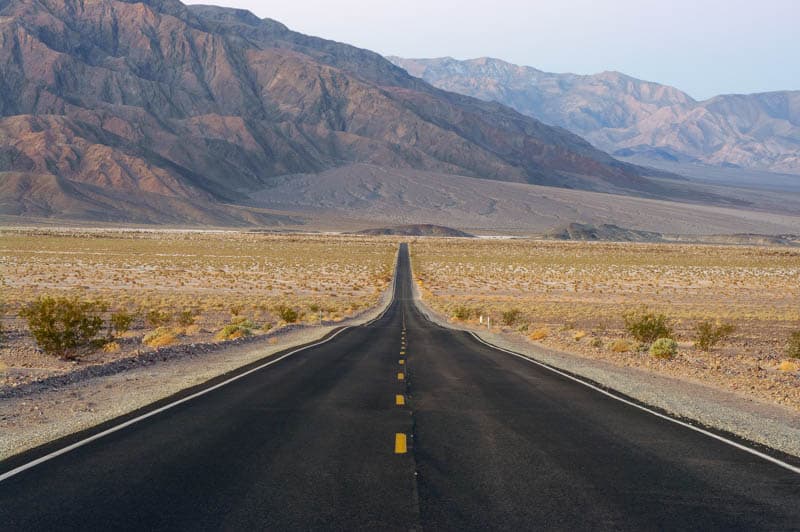
- Heat: During the summer months, temperatures can soar well above 100°F (38°C). While this doesn’t directly affect driving speed on the highway, it can impact vehicle performance and the comfort of passengers, making frequent stops for hydration and air conditioning more critical.
- Dust Storms and Monsoons: In rare instances, particularly during the monsoon season (late summer), dust storms or intense thunderstorms can occur. These can drastically reduce visibility, leading to slower speeds, temporary closures, or dangerous driving conditions.
Strategies for a Smoother Drive
To make your drive from Los Angeles to Las Vegas as efficient and pleasant as possible, consider these strategic approaches:
Timing Your Departure
The single most effective strategy is to avoid peak traffic hours in the Los Angeles basin.
- Early Morning Departures: Leaving Los Angeles before 6 AM on a weekday can allow you to get ahead of the morning commute. Similarly, very early Saturday or Sunday mornings can also be advantageous.
- Mid-Day Travel: Traveling between 10 AM and 2 PM on weekdays often offers a good balance, with the morning rush subsiding and the afternoon commute not yet in full swing.
- Overnight Travel: For the truly dedicated or those seeking a unique experience, an overnight drive can bypass most traffic. However, this is best suited for experienced drivers, as driving through the desert at night can present its own challenges, including reduced visibility and the possibility of encountering wildlife.
Utilizing Navigation and Traffic Apps
Modern technology is an invaluable tool for road-trippers.
- Real-Time Traffic Updates: Apps like Google Maps and Waze provide real-time traffic information, including accident alerts, construction zones, and estimated travel times based on current conditions. These apps can suggest alternative routes if significant delays are encountered.
- Route Planning: Before you leave, input your destination and check the estimated travel time for different departure times to help you select the optimal window.
Planning Your Stops
Instead of stopping randomly, have a general plan for your breaks.
- Consolidated Stops: Combine your need for fuel, restrooms, and perhaps a quick snack into one or two well-chosen stops. Towns like Barstow and Victorville offer ample services.
- Food and Drink: Packing a cooler with water, snacks, and perhaps even pre-made sandwiches can save time and money, and ensure you have refreshments readily available, especially in the more remote desert stretches.
Vehicle Preparation
Ensure your vehicle is in good condition for the journey.
- Tire Pressure: Properly inflated tires improve fuel efficiency and safety.
- Fluid Levels: Check oil, coolant, and windshield wiper fluid levels.
- Air Conditioning: Given the desert heat, a functioning air conditioning system is essential for comfort.
Knowing Your Options
While I-15 North is the primary route, alternative paths exist, though they are generally longer and less direct. These might be considered in extreme traffic situations or for a more scenic, albeit significantly longer, journey. However, for the purpose of a timely arrival in Las Vegas, sticking to I-15 North and managing your departure time is the most practical approach.

Estimating Total Travel Time with Stops
Let’s refine the average 4-5 hour drive time to include typical stops. Assuming a moderate pace and two brief stops for fuel and restrooms, you can expect the total travel time to be closer to 5 to 6 hours.
- Minimum Time (Ideal Conditions + Quick Stops): 4 hours driving + 30 minutes for fuel/restrooms = 4.5 hours.
- Average Time (Moderate Traffic + Standard Stops): 5 hours driving + 1 hour for fuel, food, and restrooms = 6 hours.
- Peak Traffic or Extended Stops: 7+ hours.
This means that when people report their drive taking 6 hours, they are likely factoring in at least one significant stop and some minor traffic delays. If you plan for a longer meal or a more extensive break, you could easily extend this to 7 or even 8 hours. Conversely, a perfectly timed departure with no significant traffic and very brief stops might get you to Las Vegas in under 4.5 hours, a rare but achievable feat.
Ultimately, the drive from Los Angeles to Las Vegas is a journey of approximately 270 miles that, under optimal conditions, takes around 4 to 5 hours. However, the realities of traffic, especially around Los Angeles, coupled with necessary stops, often extend this to 5 to 6 hours for most travelers. By understanding the influencing factors and employing smart planning strategies, you can ensure your road trip to the dazzling lights of Las Vegas is as smooth and enjoyable as the destination itself.
LifeOutOfTheBox is a participant in the Amazon Services LLC Associates Program, an affiliate advertising program designed to provide a means for sites to earn advertising fees by advertising and linking to Amazon.com. Amazon, the Amazon logo, AmazonSupply, and the AmazonSupply logo are trademarks of Amazon.com, Inc. or its affiliates. As an Amazon Associate we earn affiliate commissions from qualifying purchases.