
Traveling across the United States from the neon-lit deserts of Nevada to the bustling concrete canyons of the East Coast is a journey that bridges two of the most iconic urban landscapes in the world. When planning a trip from Las Vegas to New York, the flight duration is a primary logistical consideration for both business travelers and vacationers looking to maximize their time. While the flight time can seem straightforward, a variety of factors—ranging from atmospheric phenomena to airline route planning—influence how long you will spend in the air.
Understanding the Flight Duration Dynamics
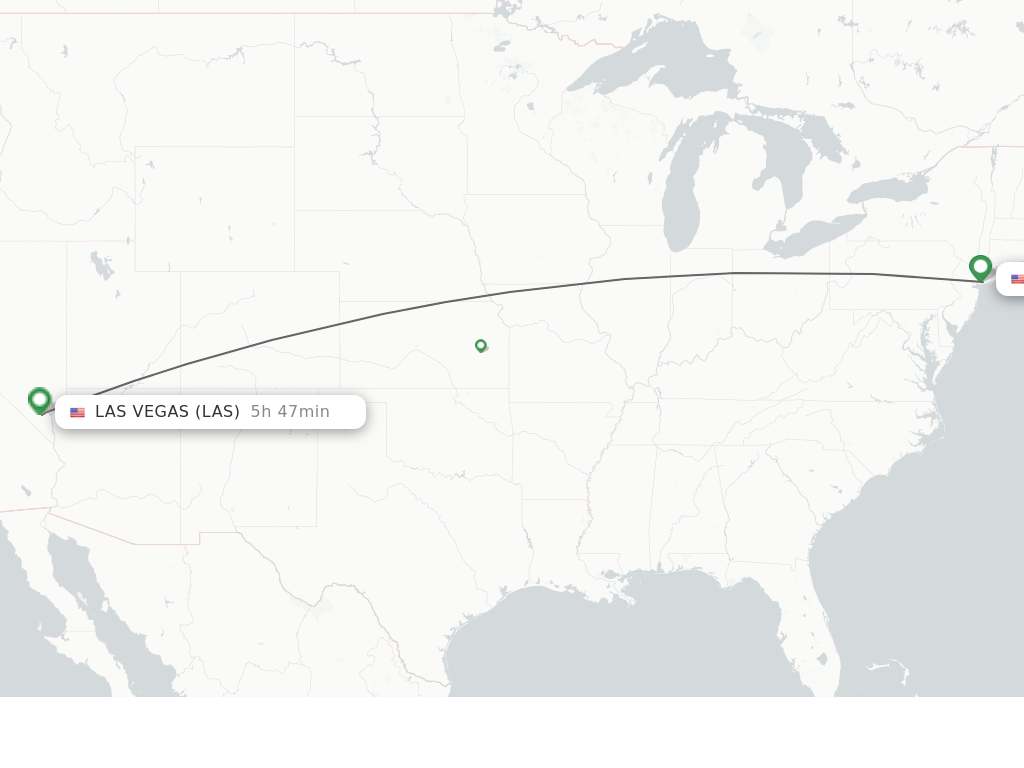
The physical distance between Harry Reid International Airport and the major hubs serving the Big Apple, such as John F. Kennedy International Airport or Newark Liberty International Airport, is approximately 2,200 to 2,500 miles depending on the flight path taken.
The Influence of Directional Winds
One of the most significant factors affecting flight time is the jet stream. Because the Earth rotates from west to east, commercial aircraft flying from Nevada to the Atlantic Ocean typically experience a “tailwind,” which provides a significant push. Consequently, a non-stop flight from Las Vegas to New York is often shorter than the return leg.
Typically, you can expect a flight time between 4 hours and 45 minutes to 5 hours and 30 minutes. Pilots adjust their altitude and route to either harness these high-altitude wind currents or mitigate the impact of headwinds, ensuring the flight remains as efficient as possible.
Comparing Non-stop Versus Connecting Flights
For travelers seeking the most efficient itinerary, non-stop flights are the gold standard. Several major carriers offer direct connections between these two major metropolitan areas. However, travelers might opt for connecting flights if they are looking to lower costs or if they prefer to utilize a specific airline hub.
Connecting flights, which may stop in cities like Chicago, Denver, or Dallas, can significantly extend the travel duration. A flight with a layover can turn a five-hour trip into an eight-to-ten-hour ordeal. When booking, it is essential to weigh the price difference against the value of your time. If you are flying into LaGuardia Airport, you may find that fewer direct flights are available compared to the larger international hubs, making your choice of airport a strategic decision.
Strategic Planning for Your Cross-Country Transit

Beyond the time spent in the air, the “travel day” involves several variables that can dictate the overall pace of your journey. Planning effectively allows for a seamless transition between the high-energy atmosphere of The Strip and the cultural intensity of Manhattan.
Time Zone Transitions
A critical aspect of flying from the Pacific Time Zone to the Eastern Time Zone is the loss of three hours. This “jet lag” factor means that a mid-morning flight departing Las Vegas will arrive in New York during the late afternoon or evening.
Travelers often find that “red-eye” flights—those that depart in the evening and arrive early the next morning—can be beneficial for business travelers, as they allow for a full day of activity upon arrival. However, these flights require careful adjustment to the body clock to ensure you remain productive or refreshed once you land.
Navigating Airport Logistics
The time you spend from the moment you leave your hotel to the moment you step out of your destination terminal is just as important as the flight time itself. Harry Reid International Airport is located relatively close to the main resort areas, but traffic can vary. Similarly, once you arrive in New York, the transit time from Newark or JFK into the heart of New York City can fluctuate significantly depending on the time of day and traffic conditions on the bridges and tunnels.
Best Practices for a Smooth Flight Experience
To ensure your journey between these two iconic destinations is as pleasant as possible, consider the following insights:
- Choose Your Seat Wisely: On a cross-country flight, access to an aisle seat is often preferred for comfort. If you enjoy the view of the vast landscape—from the Rocky Mountains to the plains of the Midwest—a window seat is a must.
- Hydration and Wellness: Flying at high altitudes dehydrates the body. Regardless of whether your flight is 4.5 or 5.5 hours, maintaining hydration levels is key to arriving in New York feeling energized rather than sluggish.
- In-flight Entertainment and Productivity: Most modern transcontinental flights are equipped with Wi-Fi and power outlets. Whether you plan to finish a project, watch a film, or read, having a plan for your time in the air makes the duration feel significantly shorter.
- Monitor Flight Status: Weather patterns across the United States can change rapidly. Check your airline’s app for real-time updates regarding gate changes or potential delays due to air traffic control congestion, which can be common in the busy Northeast Corridor.
Making the Most of Your Trip
Whether you are heading to Las Vegas for a conference or a quick weekend getaway, or returning to New York to dive back into the fast-paced lifestyle of the Empire State, knowing your flight duration helps you better manage your schedule. By accounting for the three-hour time difference and the inherent variables of air travel, you can move between these two legendary American cities with the confidence of a seasoned traveler.
Ultimately, the flight duration from Las Vegas to New York is a manageable timeframe that connects the entertainment capital of the world with the global center of culture, finance, and fashion. With proper preparation and an understanding of how airlines operate these transcontinental routes, your time spent at 35,000 feet becomes a seamless part of your overall itinerary. Regardless of which New York airport you arrive at, the journey serves as the perfect preamble to the experiences awaiting you in the city that never sleeps.
LifeOutOfTheBox is a participant in the Amazon Services LLC Associates Program, an affiliate advertising program designed to provide a means for sites to earn advertising fees by advertising and linking to Amazon.com. Amazon, the Amazon logo, AmazonSupply, and the AmazonSupply logo are trademarks of Amazon.com, Inc. or its affiliates. As an Amazon Associate we earn affiliate commissions from qualifying purchases.