
Exploring the open roads of Oklahoma on two wheels is a rite of passage for many residents. Whether you are planning a scenic cruise through the Wichita Mountains or navigating the vibrant streets of Oklahoma City, obtaining a motorcycle permit is the essential first step toward legal, safe, and confident riding. This guide provides a comprehensive overview of the licensing process as defined by the Oklahoma Department of Public Safety.
Prerequisites and Eligibility Requirements
Before heading to your local Service Oklahoma location, it is critical to ensure you meet the foundational requirements set by the state. Unlike standard vehicle licensing, operating a motorcycle requires a higher degree of situational awareness and technical control, which is why the state implements specific age and competency standards.
Age and Residency Qualifications
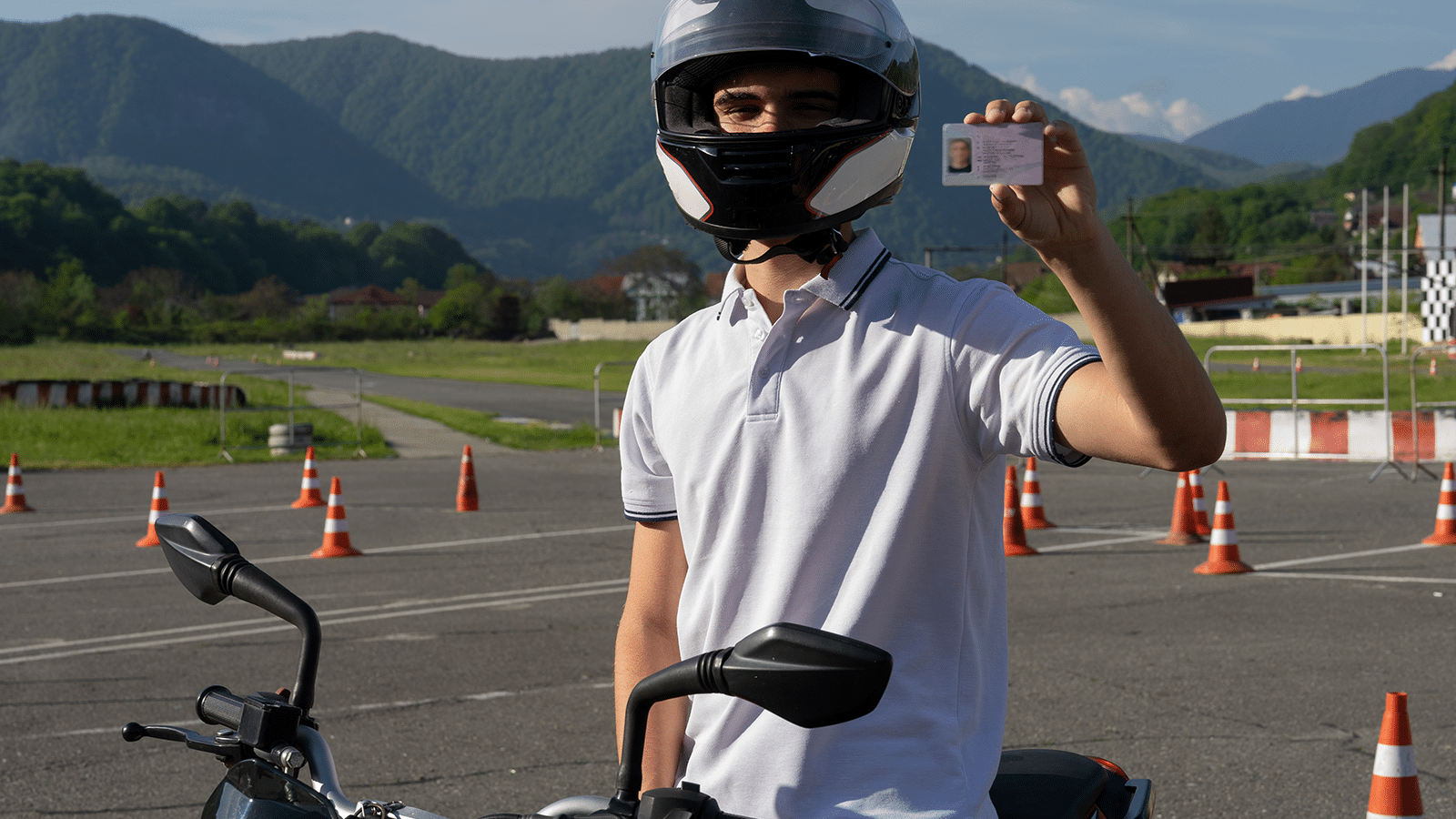
To apply for a motorcycle permit in Oklahoma, you must be at least 14 years of age. If you are under 18, the requirements include additional documentation, such as proof of school enrollment or graduation, and the notarized signature of a parent or legal guardian. Applicants must also provide proof of residency, ensuring they are established members of the community, whether they reside in Tulsa, Norman, or the rural expanse of Cimarron County.
Required Documentation
Preparation is the key to a smooth licensing experience. When visiting a licensing facility, you should have the following documents organized and ready for inspection:
- Proof of Identity: A valid United States passport, birth certificate, or a current driver’s license.
- Social Security Number: Documentation verifying your SSN.
- Proof of Residency: Two documents showing your residential address in the state.
- Parental Consent: For those under 18, a notarized form confirming permission to operate a motorcycle.
The Testing Process: Knowledge and Vision
The road to your permit is paved with a knowledge assessment. The written exam is designed to test your understanding of motorcycle-specific laws, safety protocols, and defensive riding techniques.
Preparing for the Written Knowledge Exam
The Oklahoma Motorcycle Operator Manual is your primary resource. You should spend significant time reviewing sections on lane positioning, handling road surfaces, and identifying hazards. In Oklahoma, motorcycle accidents are often preventable with better knowledge of bike dynamics. Study the manual thoroughly; do not rely solely on common knowledge, as state-specific traffic laws differ significantly from those in neighboring states like Texas or Kansas.
Many successful applicants find that practicing with sample tests helps alleviate test-day anxiety. Focus on sections concerning:
- Hand Signals: Understanding how to communicate with drivers around you.
- Right-of-Way Rules: Determining who proceeds first at intersections.
- Group Riding Guidelines: Techniques for staying safe when riding in packs through scenic areas like the Talimena National Scenic Byway.
Vision Screening
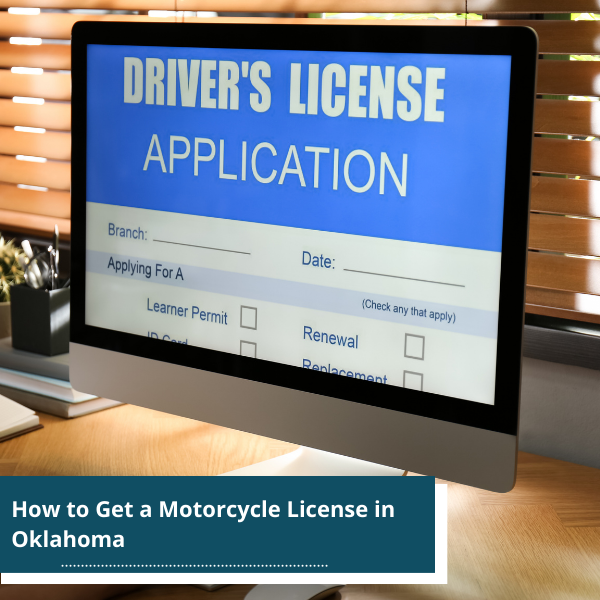
On the day of your appointment, you will undergo a standard vision test to ensure your sight meets the minimum requirements for road safety. If you wear corrective lenses to see clearly while operating a vehicle, be sure to wear them to the testing site. Failure to meet these vision standards will result in a requirement for additional documentation from a licensed optometrist.
Understanding Permit Restrictions and Safety Guidelines
Once you have successfully passed your knowledge test and vision screening, you will be issued your learner’s permit. This document is not a full license, and it comes with specific operational restrictions designed to keep novice riders safe while they build their confidence.
Riding with Supervision and Constraints
In Oklahoma, holding a motorcycle permit means you must adhere to several strict conditions:
- Daylight Operation Only: Permittees are generally restricted to riding during daylight hours, as visibility is significantly lower at night, posing an increased risk to less experienced operators.
- No Passengers: To avoid distractions and ensure that the operator is focused solely on the motorcycle’s handling, carrying passengers is strictly prohibited while on a permit.
- Supervision: Depending on your age and the specific class of permit, you may be required to ride only under the supervision of a licensed motorcycle operator who is at least 21 years of age and remains within a certain distance of your vehicle.
The Importance of Rider Education
While the permit allows you to practice on public roads, many experts strongly recommend enrolling in a Motorcycle Safety Foundation (MSF) approved course. These courses, often hosted at community centers or technical schools in cities like Edmond or Lawton, provide a controlled environment to practice braking, swerving, and low-speed maneuvers. Completing such a course can sometimes result in an insurance discount and may even waive certain portions of the final skills test required for a full endorsement.
Transitioning to a Full Motorcycle Endorsement
Your permit is a temporary bridge to achieving your goal of becoming a fully licensed rider. As you gain miles and experience, you should begin preparing for the final hurdle: the motorcycle skills test.
Moving Beyond the Permit
After you have logged sufficient practice hours, you will need to schedule a skills test. This practical exam involves an evaluator observing you as you navigate a series of cones and turns in a closed-course setting. You will be graded on your ability to:
- Controlled Starts and Stops: Showing you can manage the throttle and brakes smoothly.
- Quick Stops: Proving your ability to stop the bike rapidly in an emergency situation.
- Tight Turns: Demonstrating mastery of the friction zone and lean angles at low speeds.
If you fail to pass the skills test on your first attempt, do not be discouraged. Use the feedback from the examiner to refine your techniques. Many riders frequent large, empty parking lots in Broken Arrow or other suburban areas to perfect these specific maneuvers before returning to the testing center.
Maintaining Your Endorsement
Once you have earned your full motorcycle endorsement, remember that your responsibility on the road continues. Oklahoma law requires riders to follow all traffic rules, including speed limits and signaling. Furthermore, while helmet laws in the state apply primarily to those under 18, it is universally recommended that all riders wear high-quality protective gear, including helmets, gloves, and reinforced boots, to mitigate risks associated with riding.
Riding through the diverse landscapes of Oklahoma—from the rolling plains to the forested regions near Broken Bow—is an exhilarating experience. By following the legal process for obtaining your permit, committing to continuous learning, and prioritizing safety, you ensure that your time on the road is both enjoyable and sustainable. Stay vigilant, respect the power of your machine, and enjoy the freedom that comes with your new motorcycle endorsement.
LifeOutOfTheBox is a participant in the Amazon Services LLC Associates Program, an affiliate advertising program designed to provide a means for sites to earn advertising fees by advertising and linking to Amazon.com. Amazon, the Amazon logo, AmazonSupply, and the AmazonSupply logo are trademarks of Amazon.com, Inc. or its affiliates. As an Amazon Associate we earn affiliate commissions from qualifying purchases.