
Embarking on a journey across the Pacific Ocean from Los Angeles to the land down under is a bucket-list experience for many travelers. This trans-Pacific trek connects the bustling energy of California to the sun-drenched landscapes and unique wildlife of Australia. However, the sheer distance—covering roughly 7,000 to 8,000 miles—means that passengers must prepare for a significant commitment in the air. Understanding the logistics of this flight time is essential for planning a seamless transition between these two iconic global destinations.
Understanding Flight Duration and Variables
When asking how long the flight is from Los Angeles International Airport to major hubs in Australia, the answer is rarely a single static number. Several factors influence the time spent at 35,000 feet, transforming a theoretical journey into a lived experience.
Non-Stop Flight Timelines
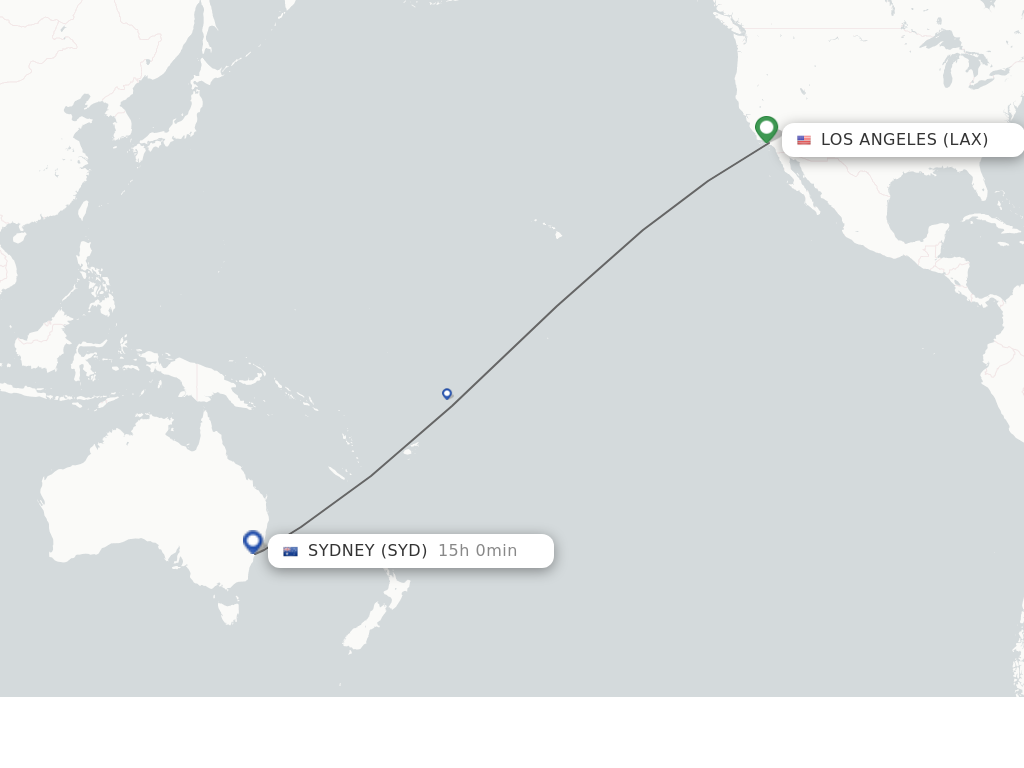
For those prioritizing speed, direct flights are the gold standard. On average, a non-stop flight from Los Angeles to Sydney takes approximately 15 hours. The return journey is often slightly longer, typically ranging from 14 to 16 hours depending on prevailing wind patterns. Major carriers like Qantas, United Airlines, and Delta Air Lines operate these long-haul routes regularly, utilizing advanced aircraft designed for ultra-long-range efficiency.
Factors Influencing Your Time in the Air
Several variables can alter your arrival time. The primary factor is the jet stream; tailwinds can significantly decrease travel time, while strong headwinds can extend it. Additionally, aircraft type plays a role. Modern long-haul planes like the Boeing 787 Dreamliner or the Airbus A380 offer different cruising speeds and fuel efficiencies. Furthermore, air traffic congestion at the destination airport—whether it be Sydney Kingsford Smith Airport or Melbourne Airport—can occasionally lead to holding patterns that add to the total duration.
Navigating Routes to Major Australian Hubs
While Sydney is the most common entry point, Australia is a vast continent. Travelers may find themselves flying to other major cities, which further influences the total travel time.
Flights to Sydney and Melbourne
Sydney serves as the primary gateway for international arrivals from the United States. Direct flights here are frequent and highly competitive. However, if your final destination is Melbourne, you might find a direct flight from Los Angeles, but the duration is usually slightly longer than a trip to Sydney, often clocking in at around 16 to 17 hours due to the additional distance south.
Connecting Flights and Layovers
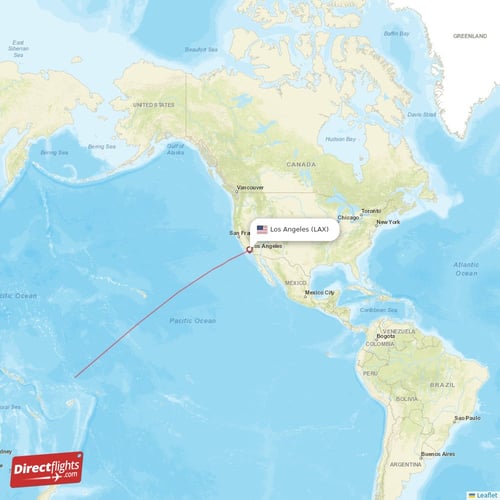
If you opt for a connecting flight—perhaps stopping in Fiji, New Zealand, or Hawaii—the travel time increases significantly. A layover can turn a 15-hour trip into a 20 to 24-hour itinerary. While this adds to the exhaustion, it provides an opportunity to stretch your legs and break up the monotony of the flight. Cities like Auckland or Honolulu serve as popular transit points that allow travelers to adapt to time zone changes more gradually.
Maximizing Comfort on Ultra-Long-Haul Journeys
Spending 15-plus hours in a confined space requires intentional preparation. Managing your physical well-being during the trek from California to the Southern Hemisphere can dictate how you feel upon arrival.
Strategies for In-Flight Wellness
- Hydration: The dry air in an airplane cabin is notorious for causing dehydration. Consuming water frequently and limiting caffeine or alcohol intake is crucial for mitigating fatigue.
- Movement: Deep vein thrombosis (DVT) is a risk on such long flights. Ensure you stand, walk the aisles, and perform seated stretches to promote blood circulation.
- Sleep Hygiene: Adjusting your watch to the time zone of Australia as soon as you board can help trick your body into an early sleep cycle. Utilizing noise-canceling headphones, comfortable neck pillows, and eye masks creates an environment conducive to rest.
Choosing Your Seating Class
The duration of the flight is arguably more manageable in premium cabins. Business Class or First Class options offer lie-flat seats that turn a grueling 15-hour trek into a manageable night of sleep. If you are flying Economy Class, consider investing in extra-legroom seats or choosing a seat near the aisle for easier access to the cabin space.
Preparing for Arrival in Australia
The final phase of your travel experience is the transition from the aircraft to the vibrant culture of Australia. Understanding how long the flight takes is only half the battle; the other half is landing prepared.
Overcoming Jet Lag
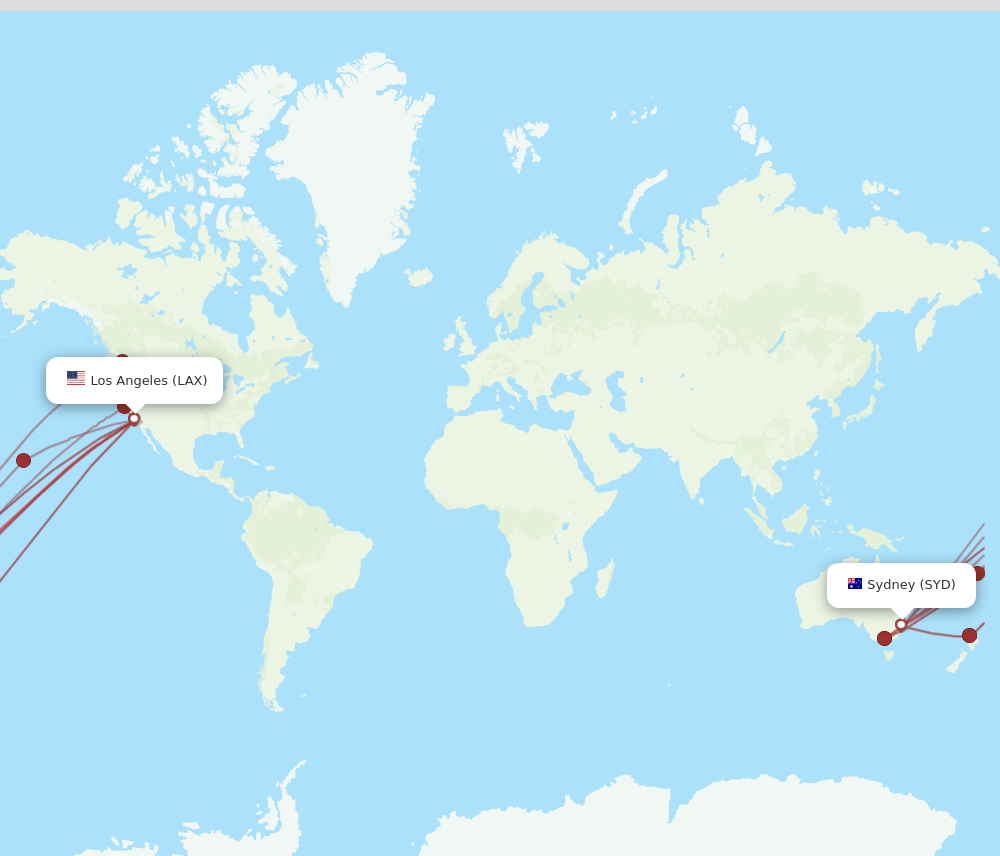
Traveling from Los Angeles to Australia involves crossing several time zones and, frequently, the International Date Line. This jump forward in time can cause significant jet lag. To combat this, try to seek natural sunlight immediately upon landing in Brisbane, Perth, or your chosen city. Exposure to morning light helps reset your circadian rhythm, allowing you to acclimate to local time faster.
Entry Requirements and Logistics
Regardless of the flight length, ensure all your visa documentation, such as the Electronic Travel Authority, is sorted well before your departure. Clearing customs at airports like Sydney Kingsford Smith Airport can be an efficient process if you have your digital declarations ready. Remember that Australia has very strict biosecurity laws, so be mindful of the items you pack in your luggage.
Ultimately, while the flight from Los Angeles to Australia is a significant undertaking, the reward of exploring the Great Barrier Reef, the Outback, or the iconic Sydney Opera House makes the hours spent in the air entirely worthwhile. By planning your route, choosing your airline carefully, and prioritizing your in-flight health, you can ensure that your arrival in the Pacific is the beginning of an unforgettable adventure. Whether you are flying for business or pleasure, a little preparation goes a long way in turning a long-haul flight into a seamless start to your international journey. Safe travels as you cross the globe toward the wonders of the Southern Hemisphere.
LifeOutOfTheBox is a participant in the Amazon Services LLC Associates Program, an affiliate advertising program designed to provide a means for sites to earn advertising fees by advertising and linking to Amazon.com. Amazon, the Amazon logo, AmazonSupply, and the AmazonSupply logo are trademarks of Amazon.com, Inc. or its affiliates. As an Amazon Associate we earn affiliate commissions from qualifying purchases.