
When planning a trip along the iconic California coast, the route between Los Angeles and San Francisco is one of the most frequently traveled corridors in the United States. Whether you are a business traveler looking to maximize efficiency or a tourist eager to squeeze every moment out of your vacation, understanding the logistics of this flight is essential. While the distance is relatively short, several variables influence the actual time spent in the air and the total duration of the journey.
The Reality of Flight Duration: Air Time vs. Total Transit
A common misconception is that the “flight time” is the only duration that matters. In reality, the flight path between Los Angeles International Airport and San Francisco International Airport is brief, but the process involves multiple stages that add to your total transit time.

Average In-Air Flight Time
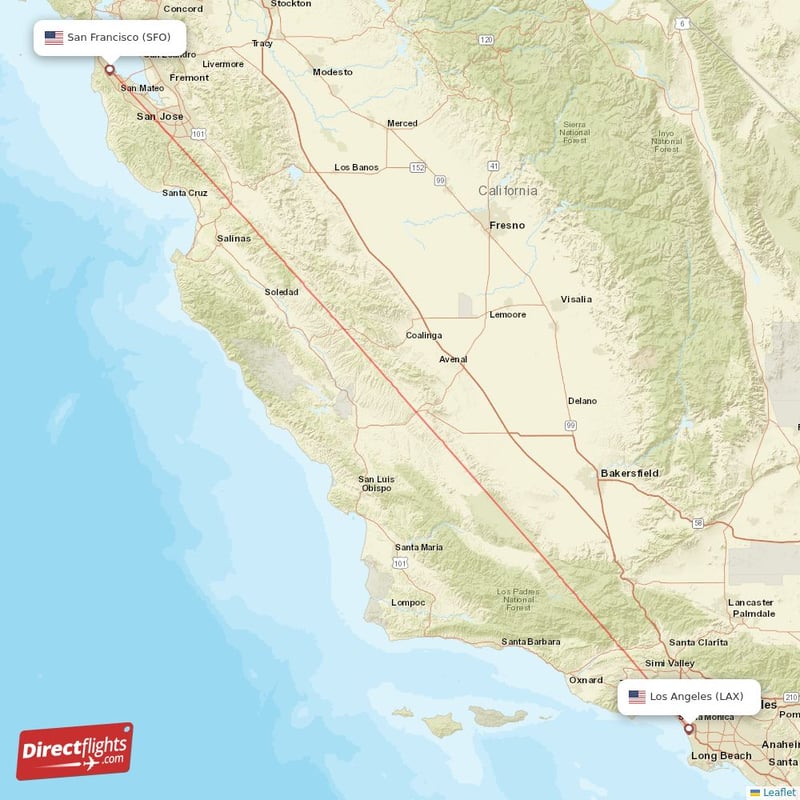
Under normal operating conditions, the time spent wheels-up to wheels-down is typically between 60 and 80 minutes. The actual distance between the two cities is roughly 340 miles. Because the flight is short, pilots rarely reach their maximum cruising altitude before beginning the descent process. Depending on the specific flight path—often tracking over the Central Valley or hugging the coast—tailwinds or headwinds can fluctuate the duration by a few minutes.
Why Flights Sometimes Take Longer
You may occasionally see scheduled flight times closer to 90 or 100 minutes. Airlines build this “buffer” into their schedules to account for taxiing at the departure gate, potential holding patterns near San Francisco Bay, and air traffic control requirements. Southern California airspace is notoriously busy, and arriving or departing during peak hours can result in additional minutes spent idling on the tarmac.
Navigating Major Airports and Regional Alternatives
Not all flights between these two metropolises are created equal. Depending on your final destination and your tolerance for traffic, choosing the right airport pairing can significantly alter your travel day.
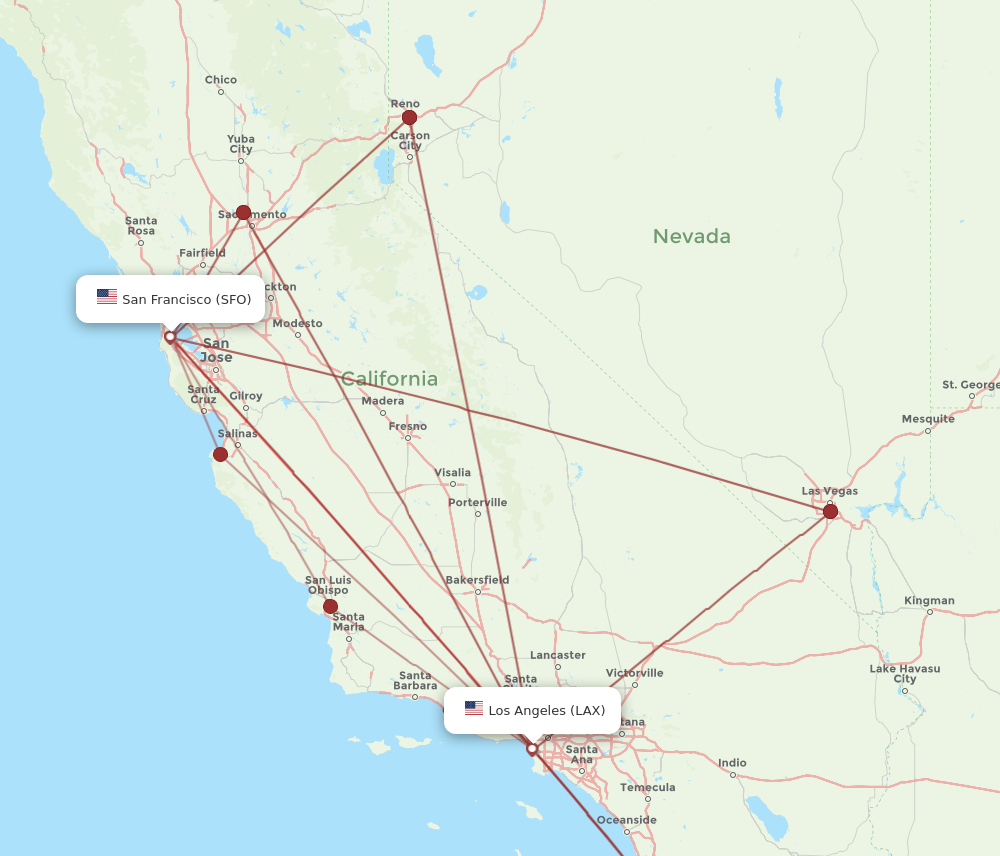
The LAX to SFO Route
This remains the most popular route, offering the highest frequency of flights. If you are staying in Santa Monica or Beverly Hills, heading to LAX is the standard choice. However, the sheer size of the terminal complex means you should arrive at least two hours before your scheduled departure. Upon arrival at SFO, you are well-positioned for quick access to Downtown San Francisco via the BART system.
Secondary Airport Options
For those living in or traveling to specific neighborhoods, other airports might save you significant time:
- Burbank Airport: Located closer to Hollywood and the San Fernando Valley, this airport is far easier to navigate than the major international hubs.
- John Wayne Airport: An excellent choice for travelers coming from Orange County or Newport Beach.
- Oakland International Airport: If your destination is the East Bay, flying into Oakland can often be faster than flying into San Francisco and crossing the Bay Bridge.
- San Jose Mineta International Airport: This is the ideal hub for travelers heading to Silicon Valley or Palo Alto.
Optimizing Your Travel Strategy
To ensure your journey from Southern California to Northern California is seamless, strategic planning is required. Short-haul flights are particularly sensitive to small delays, so proactive measures are recommended.
Choosing the Right Time of Day
Air traffic in California is heavily influenced by the morning and evening commute periods. Mid-morning flights—typically between 10:00 AM and 2:00 PM—often experience fewer delays than the early morning “business rush” flights. Additionally, evening flights can sometimes be delayed due to the accumulation of minor schedule slips throughout the day across the airline’s network.
The Impact of Weather
While California is known for its sunshine, San Francisco is famous for its thick maritime fog. During summer months, “June Gloom” or dense fog can reduce visibility at SFO, forcing air traffic control to reduce the number of arrivals allowed per hour. If you have an important meeting, checking the weather forecast in the Bay Area is just as important as checking the status of your flight.
Efficiency Tips for Frequent Travelers
- TSA PreCheck: Given that the flight time is so short, the time spent in security lines can sometimes equal the time spent in the air. Enrolling in TSA PreCheck is highly recommended for this route.
- Carry-on Only: Since the flight is a quick hop, avoid checking bags whenever possible. This saves you 20–30 minutes at the baggage claim carousel upon arrival, allowing you to get to your next destination in San Francisco or Silicon Valley much faster.
- Ground Transport Planning: Pre-arrange your transportation from the airport. Whether you are using Uber, Lyft, or a rental car, having a plan in place minimizes the post-flight stress of navigating busy airport ground transportation hubs.
Weighing Air Travel vs. Driving
While this article focuses on flight duration, it is worth briefly mentioning why some travelers still choose to drive. The scenic route via Pacific Coast Highway is one of the most famous drives in the world, passing through beautiful coastal towns like Santa Barbara, San Luis Obispo, and Big Sur.
However, driving the direct route via Interstate 5 takes between 6 and 8 hours depending on traffic. When you compare this to a 75-minute flight, it is easy to see why flying is the preferred method for anyone prioritizing time. If your goal is speed and convenience, the flight from Los Angeles to San Francisco is incredibly efficient, provided you manage your airport arrivals and departures with care. By selecting the right departure times and being mindful of airport locations, you can turn a multi-city travel day into a quick, stress-free hop across the Golden State.
LifeOutOfTheBox is a participant in the Amazon Services LLC Associates Program, an affiliate advertising program designed to provide a means for sites to earn advertising fees by advertising and linking to Amazon.com. Amazon, the Amazon logo, AmazonSupply, and the AmazonSupply logo are trademarks of Amazon.com, Inc. or its affiliates. As an Amazon Associate we earn affiliate commissions from qualifying purchases.