
Traveling between the vibrant beaches of Miami, Florida, and the bustling urban landscape of New York is a routine journey for millions each year, whether for business, leisure, or family visits. While the flight itself is a crucial component of this travel, understanding the full scope of the journey—from airport arrival to final destination—provides a more comprehensive picture for prospective travelers. This article will delve into the intricacies of flying from Miami to New York, offering insights into flight durations, factors influencing them, and practical tips for a seamless travel experience within the United States.
The Direct Answer: Flight Duration Explained
The question “How long is the flight from Miami to New York?” is fundamental for anyone planning this popular route. While there’s a straightforward answer for non-stop flights, several variables can subtly alter the actual time spent airborne.
Standard Non-Stop Flight Times
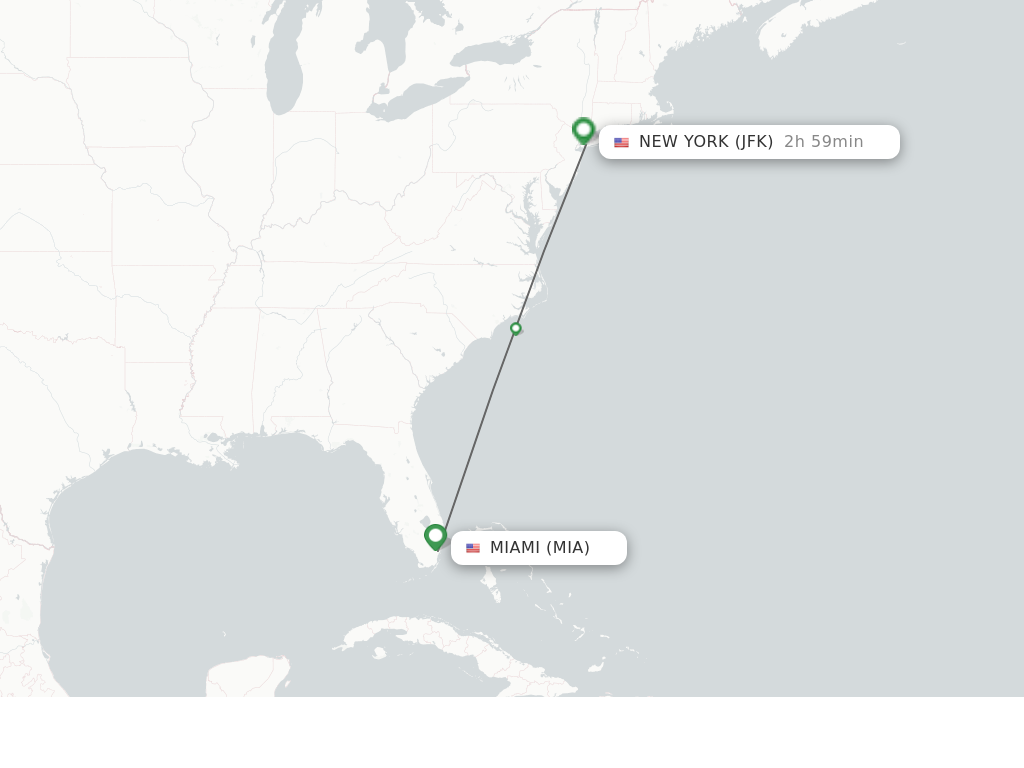
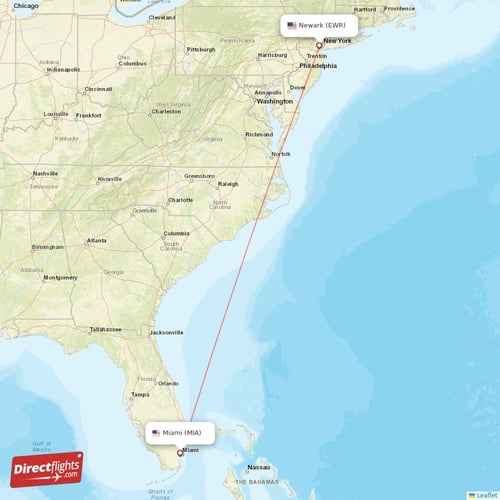
For a direct, non-stop flight connecting Miami to New York, the typical duration ranges from 2 hours and 45 minutes to 3 hours and 15 minutes. This estimate covers the actual time the aircraft is in the air, from takeoff to landing. This particular route is well-serviced by numerous airlines due to its high demand, connecting major hubs in both regions. For instance, a flight departing from Miami International Airport (MIA) to John F. Kennedy International Airport (JFK) or LaGuardia Airport (LGA) will generally fall within this window. Similarly, flights from Fort Lauderdale-Hollywood International Airport (FLL) to Newark Liberty International Airport (EWR) in New Jersey, which serves the New York metropolitan area, exhibit similar flight times.
It’s important to remember that this duration reflects the “block time” or “scheduled flight time,” which often includes a small buffer for taxiing at both ends. The actual time spent in the air, referred to as “flight time,” might be slightly shorter.
Factors Influencing Flight Duration
While the scheduled time provides a good baseline, several dynamic factors can influence the precise length of your flight. These can add minutes to hours to your overall journey:
- Air Traffic Control (ATC) and Congestion: Both Miami and New York airports are among the busiest in the world. High volumes of air traffic, especially during peak travel seasons or times of day, can lead to ground delays (waiting for takeoff slots) or airborne holding patterns (waiting for landing slots). These delays can easily extend a flight by 15-30 minutes.
- Weather Conditions: Inclement weather, such as thunderstorms in Florida or snowstorms and heavy fog in the Northeast, can significantly impact flight times. Planes may be rerouted to avoid severe weather, increasing mileage and therefore flight time. Strong headwinds can also slow an aircraft’s ground speed, while tailwinds can provide a beneficial boost, shortening the journey.
- Route Optimization and Aircraft Type: Airlines continuously optimize flight paths for fuel efficiency and speed. Minor adjustments to flight routes due to winds or other air traffic can subtly alter the flight time. The type of aircraft also plays a role; while most flights on this route use similar narrow-body jets (like Boeing 737s or Airbus A320s), subtle differences in cruising speed can account for a few minutes variation.
- Airline Scheduling Buffers: Airlines often pad their schedules with extra time to improve their on-time performance statistics. A flight scheduled for 3 hours might, in ideal conditions, complete the journey in 2 hours and 45 minutes. This buffer is built in to account for minor unforeseen delays.
Understanding these variables helps travelers set realistic expectations for their journey, recognizing that the “official” flight time is often an average under typical conditions.
Understanding the Full Travel Journey
Focusing solely on the flight duration can be misleading. A true appreciation of the travel time from Miami to New York requires considering the entire process, from leaving your accommodation to arriving at your final destination.
Beyond Air Time: Airport Logistics and Transit
The journey begins long before takeoff and ends well after landing. Typically, travelers are advised to arrive at the airport 2-3 hours before a domestic flight to allow ample time for check-in, security screening, and navigating to the gate.
- Pre-Flight: This includes travel to the airport, baggage drop-off, security checks (which can vary significantly based on time of day, airport, and TSA PreCheck/Clear status), and walking to your departure gate. At large airports like MIA, JFK, or EWR, this process can easily consume 1.5 to 2.5 hours.
- Post-Flight: Upon arrival, you’ll need to deplane, potentially wait for checked luggage at baggage claim, and then arrange ground transportation to your final destination in New York or its surrounding boroughs. This post-landing phase can add another 1 to 2 hours, or even more depending on traffic and destination.
Thus, a 3-hour flight might easily translate into a 6-8 hour door-to-door travel experience when all logistical components are factored in.
Choosing Your Departure and Arrival Airports
The choice of departure and arrival airports significantly impacts both the flight duration and the overall travel experience, including ground transit times.
- Miami Area Departure Airports:
- Miami International Airport (MIA): The primary hub for South Florida, MIA offers the most frequent flights and a wider array of airline choices. It’s centrally located for those in Miami proper.
- Fort Lauderdale-Hollywood International Airport (FLL): Located slightly north of Miami, FLL is often favored by budget airlines and travelers seeking potentially lower fares. Travel time to FLL from downtown Miami can add 30-60 minutes compared to MIA, depending on traffic.
- New York Area Arrival Airports:
- John F. Kennedy International Airport (JFK): The largest and busiest airport in New York, JFK offers extensive international and domestic connections. Located in Queens, it’s well-connected to Manhattan via the AirTrain JFK and subway/ Long Island Rail Road (LIRR), but ground travel can be lengthy during peak hours.
- LaGuardia Airport (LGA): Also in Queens, LGA is undergoing a massive redevelopment and primarily handles domestic flights. It’s often closer to Midtown Manhattan than JFK, making ground transportation potentially quicker, although construction and traffic can still cause delays.
- Newark Liberty International Airport (EWR): Located in New Jersey, EWR serves the New York metropolitan area and is a major hub for United Airlines. It offers direct NJ Transit train service via AirTrain Newark to New York Penn Station, making it a convenient option for those heading to Midtown or points west.
The choice between these airports depends on your final destination within the New York area, preferred airlines, and willingness to navigate different ground transport options.

The Impact of Layovers and Connections
While the question specifically targets “How long flight,” it’s crucial to acknowledge that not all journeys are non-stop. Connecting flights, though less common for this direct route, do exist and drastically extend overall travel time. A layover can add anywhere from 1 hour to several hours, or even overnight stays, depending on the itinerary. While they can sometimes offer cost savings, they are not ideal for travelers prioritizing speed and convenience for this particular route. Always opt for non-stop flights between Miami and New York if possible, to minimize travel time.
Optimizing Your Flight Experience
Maximizing efficiency and comfort during your journey involves making informed choices before and during your flight.
Best Times to Fly and Avoid Delays
Strategic timing can significantly enhance your travel experience and potentially reduce delays.
- Early Morning Flights: These are generally the most reliable. Aircraft and crews are typically in place, and the cascading effect of delays from previous flights hasn’t yet taken hold.
- Mid-Week Travel (Tuesday, Wednesday): These days often see fewer business travelers and leisure flyers, potentially leading to less crowded airports and smoother operations compared to peak travel days like Fridays, Sundays, and Mondays.
- Off-Peak Seasons: While less relevant for a year-round popular route, avoiding major holidays (Thanksgiving, Christmas, Spring Break) and summer peak season can sometimes lead to fewer crowds and potentially more punctual flights.
- Monitor Weather: Keep an eye on weather forecasts for both Miami and New York, especially during hurricane season in Florida (June-November) and winter in the Northeast (December-March).
Selecting the Right Airline
Several major airlines operate frequently between Miami and New York, each offering different experiences:
- Full-Service Carriers: American Airlines (major hub at MIA), Delta Air Lines (major hub at LGA/JFK), and United Airlines (major hub at EWR) offer comprehensive services, including multiple fare classes, often better seat pitch, and more amenities. They typically have a higher frequency of flights.
- Budget Carriers: Spirit Airlines (strong presence at FLL) and JetBlue Airways (significant operations at JFK, LGA, EWR) are popular for their competitive pricing. While offering fewer included perks, they can be excellent choices for travelers focused on minimizing costs, as long as they understand the “unbundled” fare structure.
- Comfort and Reliability: Consider factors like airline reputation for on-time performance, comfort (seat pitch, entertainment), and baggage policies when making your choice. For a flight of under 3.5 hours, extensive in-flight entertainment might be less critical than punctuality and a comfortable seat.
In-Flight Comfort and Amenities for a Short Haul
Even on a relatively short flight, attention to personal comfort can make a big difference.
- Connectivity: Many airlines now offer Wi-Fi on domestic routes, sometimes for a fee. This allows business travelers to remain productive or leisure travelers to stay entertained.
- Entertainment: While some flights may offer seat-back screens, many shorter routes rely on streaming entertainment to personal devices. Downloading movies, shows, or podcasts beforehand is always a good backup.
- Snacks and Beverages: Full-service carriers usually offer complimentary beverages and light snacks, while budget airlines might charge. Bringing your own snacks and an empty water bottle to fill after security is a smart move.
- Comfort Items: A neck pillow, eye mask, and noise-canceling headphones can enhance relaxation, especially if you plan to nap or simply tune out the cabin environment.
Pre-Flight and Post-Flight Considerations
Beyond the flight itself, efficient navigation of the airports and ground transportation is paramount for a smooth journey.
Navigating Miami International Airport (MIA) and Fort Lauderdale-Hollywood International Airport (FLL)
Both MIA and FLL are well-equipped airports but require planning.
- Getting to the Airport: Public transport options vary. In Miami, the MIA Mover connects to the Metrorail and Tri-Rail systems. Rideshares and taxis are also widely available. For FLL, rideshares and shuttle services are common. Always factor in potential traffic, especially during rush hour in South Florida.
- Check-in and Security: Utilize online check-in and mobile boarding passes to save time. Programs like TSA PreCheck or Clear can significantly expedite security screening, a worthwhile investment for frequent flyers.
- Airport Layout: Both airports are large, so familiarizing yourself with your terminal and gate location beforehand can prevent unnecessary stress. Digital signage and airport apps are valuable tools.
Arriving in New York: Ground Transportation from Major Airports
Upon landing in New York, your next challenge is efficiently reaching your final destination.
- From John F. Kennedy International Airport (JFK):
- AirTrain JFK + Subway/LIRR: The most cost-effective and often quickest way to Manhattan. The AirTrain connects all terminals to Jamaica Station (for LIRR and subway lines E, J, Z) or Howard Beach Station (for subway A line). Total travel time to Midtown Manhattan can range from 60-90 minutes.
- Taxis/Rideshares: Convenient for door-to-door service but can be expensive and subject to significant traffic delays, especially during peak hours. Travel time to Manhattan can be 45-90 minutes.
- From LaGuardia Airport (LGA):
- Bus (M60 Select Bus Service) + Subway: Connects to Manhattan’s Upper West Side. Other local buses connect to subway lines. The ongoing airport redevelopment includes new AirTrain plans, but currently, buses are the primary public transport.
- Taxis/Rideshares: Often quicker to Midtown than from JFK due to closer proximity, but still heavily impacted by New York City traffic. Expect 30-60 minutes to Midtown.
- From Newark Liberty International Airport (EWR):
- AirTrain Newark + NJ Transit Train: Provides direct rail service to New York Penn Station, a major hub in Midtown Manhattan. Total travel time to Penn Station is typically 45-60 minutes.
- Taxis/Rideshares: Can be efficient but cross-state tolls and traffic (especially through the Holland Tunnel or Lincoln Tunnel or over the George Washington Bridge) can add substantial time and cost.
In conclusion, while the flight itself from Miami to New York is a swift journey of approximately 2 hours and 45 minutes to 3 hours and 15 minutes, the entire travel experience requires careful planning. By understanding the factors that influence flight duration, making informed choices about airports and airlines, and preparing for both pre- and post-flight logistics, travelers can ensure a smooth, efficient, and enjoyable trip between these two iconic United States cities.
LifeOutOfTheBox is a participant in the Amazon Services LLC Associates Program, an affiliate advertising program designed to provide a means for sites to earn advertising fees by advertising and linking to Amazon.com. Amazon, the Amazon logo, AmazonSupply, and the AmazonSupply logo are trademarks of Amazon.com, Inc. or its affiliates. As an Amazon Associate we earn affiliate commissions from qualifying purchases.