
For decades, the elusive identity of Gotham City has fueled speculation among fans and urban enthusiasts alike. The iconic, perpetually shadowed metropolis that serves as the backdrop for Batman‘s heroic endeavors is a character in itself – a brooding, complex urban landscape brimming with both architectural grandeur and gritty underbelly. While DC Comics lore suggests a location somewhere along the American East Coast, drawing influences from cities like New York City and Detroit, one city consistently emerges as the most compelling real-world doppelgänger: Chicago.
The similarities between Chicago and Gotham City extend far beyond superficial resemblances; they delve into the very soul of urban design, historical context, and atmospheric resonance. For travelers seeking to experience the real-world essence of Gotham, a journey to Chicago offers an unparalleled immersion into a city that not only inspired the comics but has also famously stood in for Batman’s home on the silver screen. This exploration will delve into why Chicago, as a destination, uniquely embodies the spirit of Gotham City, inviting visitors to uncover its majestic, yet often shadowy, allure.
The Architectural Soul: Chicago’s Enduring Legacy
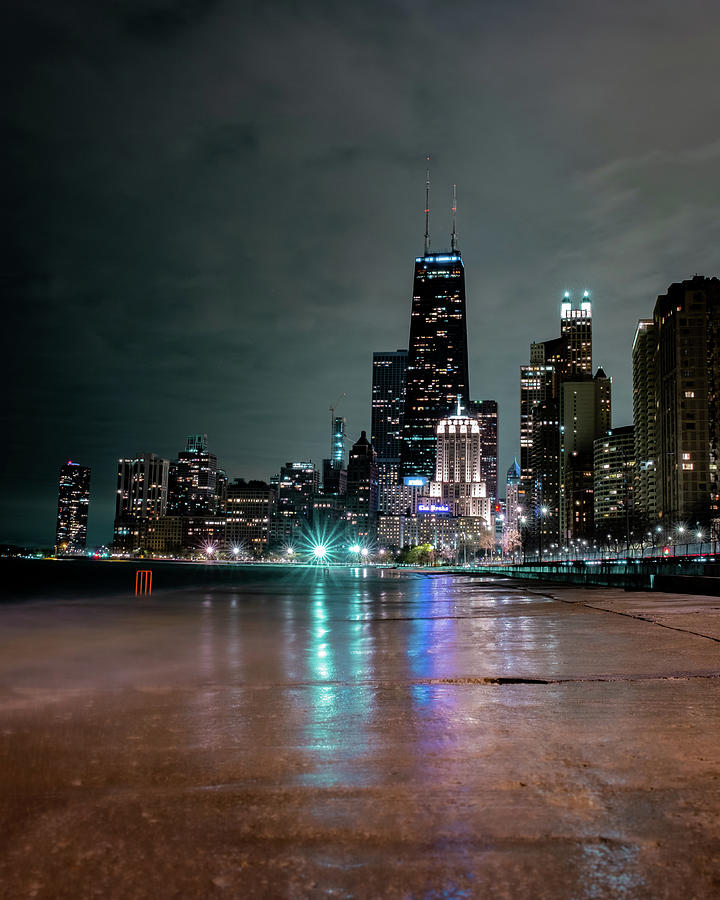
The most striking resemblance between Gotham City and Chicago lies in their architectural DNA. Gotham is often depicted as a dense collection of towering skyscrapers, Gothic cathedrals of commerce, and intricate Art Deco facades, all bathed in an eternal twilight. This description is almost an exact blueprint for Chicago’s downtown core, a city celebrated globally for its pivotal role in the birth of modern architecture.
Skyscrapers, Steel, and Stone: A City Forged in Innovation
Chicago rose from the ashes of the Great Fire of 1871 with an ambitious vision, championed by architects and urban planners who saw an opportunity to redefine cityscapes. Pioneers like Daniel Burnham and the Chicago School of architecture laid the groundwork for the modern skyscraper, blending functionality with aesthetic grandeur. Today, the city’s skyline is a testament to this legacy, featuring iconic structures such as the Willis Tower (formerly Sears Tower), the John Hancock Center, and countless other steel-and-glass giants that pierce the clouds.
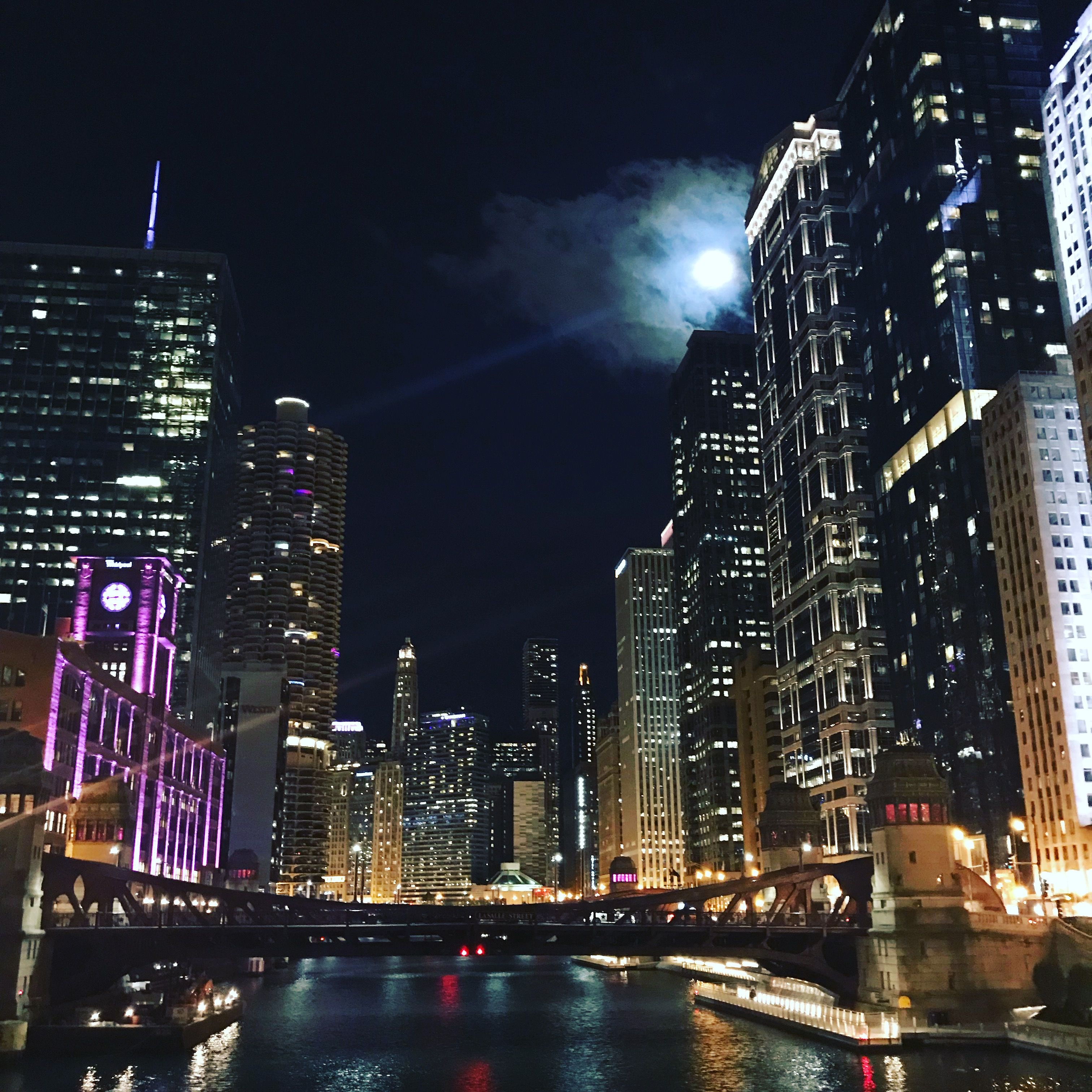
When viewed from the Chicago River or along Michigan Avenue, the sheer density and verticality of these buildings create a sense of imposing power and endless canyons, a visual very much akin to Gotham’s often overwhelming urban landscape. The juxtaposition of historical stone edifices with sleek, contemporary towers mirrors Gotham’s ability to feel both timeless and tragically modern. Travelers interested in architecture will find Chicago an open-air museum, offering boat tours dedicated to its architectural marvels – an experience that feels uncannily like navigating the waterways of Gotham.
Art Deco Grandeur and Neo-Gothic Shadows
Beyond the sheer scale, it’s the specific architectural styles prevalent in Chicago that truly seal its resemblance to Gotham City. Many of Gotham’s most famous buildings – from Wayne Tower to Arkham Asylum – are depicted with strong Art Deco or Neo-Gothic influences. Chicago boasts a spectacular collection of Art Deco masterpieces, characterized by their geometric precision, elaborate ornamentation, and a sense of streamlined luxury. Buildings like the Board of Trade Building with its imposing structure and intricate details, or the elegant Tribune Tower, exemplify this era.
The Neo-Gothic elements, with their gargoyles, spires, and dark stone facades, add a touch of foreboding elegance that defines much of Gotham’s aesthetic. The University of Chicago’s campus, with its Collegiate Gothic architecture, offers a glimpse into this historical style that often lends itself to the darker, more mysterious aspects of Gotham. Exploring these structures in Chicago is not just a lesson in urban history but an active participation in the visual world of Batman’s city.
Echoes of a Darker Past: The Prohibition Era
The historical narrative of Chicago also casts a long shadow that aligns perfectly with Gotham City’s often corrupt and crime-ridden past. During the Prohibition Era of the 1920s and 30s, Chicago became synonymous with organized crime, speakeasies, and gang violence, personified by figures like Al Capone. This period cemented Chicago’s reputation as a city with a powerful, almost mythological, criminal underworld – a characteristic that forms the very bedrock of Gotham’s identity.
The gritty realism and moral ambiguity that permeated Chicago during this time resonate with the perpetual struggle against crime and corruption that defines Gotham City. Visiting historical districts and even former speakeasy locations in Chicago allows travelers to connect with this shadowed past, offering a tangible link to the complex societal issues that Batman battles daily. The city’s history is not just about buildings; it’s about the stories whispered in their shadows, mirroring the dark narratives of Gotham.
A Tale of Two Cities: Urbanism and Underbelly
Beyond the visual and historical parallels, the functional and atmospheric similarities between Chicago and Gotham City further solidify the connection. Both are vast metropolises that grapple with the inherent contradictions of urban life: immense wealth alongside abject poverty, dazzling innovation alongside entrenched corruption, and a vibrant public life overshadowed by lurking dangers.
Vibrant Metropolis vs. Gritty Urban Landscape
Chicago is undeniably a vibrant, world-class destination, known for its thriving arts scene, culinary innovations, and beautiful green spaces like Millennium Park. Yet, beneath this polished exterior, the city retains an enduring sense of gritty realism. Its extensive network of elevated train tracks (the ‘L’ train), dark alleys, and industrial zones provide a stark contrast to its gleaming downtown, creating a multi-layered urban experience that mirrors Gotham’s complex topography.
This duality is key to Gotham’s appeal: it’s a place of incredible potential and devastating decay. Chicago’s diverse neighborhoods, from the upscale River North to the more working-class districts, offer a similar spectrum of experiences. For the discerning traveler, understanding this urban tapestry is crucial to appreciating the full depth of what makes Chicago such a compelling Gotham analogue.
The Human Element: Resilience and Conflict
Both cities are defined by their inhabitants. Chicago has a long history of a resilient populace, facing economic downturns, social challenges, and civil rights struggles with determination. This human spirit, often depicted as tenacious and fiercely independent, echoes the everyday citizens of Gotham who persevere despite the overwhelming forces of crime and chaos.
The inherent conflict between light and shadow, order and anarchy, good and evil, is a central theme in Batman stories, and it’s a theme that resonates deeply with Chicago’s own history. The city has often been at the forefront of social and political movements, mirroring the intense battles for its soul that frequently play out in Gotham’s streets. A visit to Chicago is not just about seeing buildings; it’s about feeling the pulse of a city that has fought for its identity and continues to evolve.
Iconic Filming Locations: Bringing Gotham to Life
Perhaps the most definitive argument for Chicago as Gotham City comes from Hollywood itself. When filmmakers seek to bring the shadowy world of Batman to life, Chicago is frequently their first choice for a live-action Gotham stand-in.
From Christopher Nolan’s Vision to Matt Reeves’ Reality
Christopher Nolan‘s acclaimed “The Dark Knight” trilogy famously utilized Chicago as a primary filming location for Gotham City. The city’s distinct architecture, expansive financial district (the Loop), and atmospheric streetscapes perfectly captured Nolan’s grounded, realistic vision of Batman’s world. Key scenes, from high-octane car chases along Lower Wacker Drive to pivotal confrontations in and around the Chicago Board of Trade Building, leveraged Chicago’s authentic urban grit and imposing scale.
More recently, Matt Reeves’ “The Batman” (2022) also drew heavily on the aesthetic of grand, historic American cities, with Chicago’s influence clearly visible in its production design. When major studios like Warner Bros. consistently choose Chicago to represent Gotham, it’s a powerful endorsement of the city’s inherent compatibility with the fictional universe.
Walking Through Batman’s World in the Windy City
For fans, visiting Chicago becomes an immersive experience, allowing them to literally walk through the streets where cinematic Gotham came alive. The iconic Union Station, with its grand hall and neoclassical design, served as a setting for intense scenes. The modern marvel of Millennium Park, though representing a more modern Chicago, also contrasts beautifully with the older parts of the city, much like Gotham balances its own architectural periods.
Many guided tours of Chicago now highlight these famous filming locations, offering visitors a unique perspective on how the city’s real landmarks were transformed into the sinister, yet majestic, landscapes of Gotham City. It’s a compelling way to engage with both film history and urban exploration, truly blurring the lines between fiction and reality.
Beyond the Facade: Chicago as a Destination
While the Gotham City connection is a fascinating lens through which to view Chicago, the city stands on its own as a premier travel destination, offering a rich tapestry of experiences that extend far beyond its superhero-inspired allure.
Exploring Chicago’s Unique Character
Chicago, often referred to as the “Second City” or the “Windy City,” boasts a vibrant cultural scene. Its world-class museums, such as the Art Institute of Chicago, rival those of any global capital. The city’s culinary landscape is legendary, from deep-dish pizza to Michelin-starred restaurants. Live music venues, particularly for jazz and blues, abound, showcasing Chicago’s deep musical roots in the Midwest.
For a city so often depicted in dark tones through the Gotham comparison, Chicago is also surprisingly green, with expansive parks and a stunning lakefront that offers respite from the urban intensity. The blend of imposing architecture, natural beauty along Lake Michigan, and a robust cultural offering makes Chicago a destination of incredible depth and variety.

Why Chicago Continues to Captivate
Chicago’s ability to captivate lies in its multifaceted identity. It is a city of grand statements and intimate moments, of historical echoes and forward-thinking innovation. Whether you’re drawn by the architectural prowess, the echoes of a storied past, or the vibrant contemporary culture, Chicago offers an experience that is both intellectually stimulating and deeply engaging.
The Gotham City theory simply provides another layer of appreciation for this incredible destination. It highlights the inherent drama and cinematic quality of Chicago’s urban fabric, inviting visitors to look beyond the surface and uncover the stories that lie beneath.
In conclusion, while Gotham City is ultimately a fictional construct designed to encapsulate the archetypal urban struggle, Chicago serves as its most tangible and compelling real-world counterpart. Its architectural majesty, shadowy history, and cinematic appeal combine to create a destination that perfectly mirrors the dark, majestic, and complex spirit of Batman’s city. For travelers seeking an immersive urban adventure that feels straight out of a comic book, a visit to Chicago is not just a trip; it’s an expedition into the heart of Gotham’s soul.
LifeOutOfTheBox is a participant in the Amazon Services LLC Associates Program, an affiliate advertising program designed to provide a means for sites to earn advertising fees by advertising and linking to Amazon.com. Amazon, the Amazon logo, AmazonSupply, and the AmazonSupply logo are trademarks of Amazon.com, Inc. or its affiliates. As an Amazon Associate we earn affiliate commissions from qualifying purchases.