
Embarking on a journey from the bustling streets of New York City to the neon-lit corridors of Las Vegas is a classic United States travel experience. This transcontinental trek spans nearly the entire width of the North American continent, transitioning travelers from the Atlantic Ocean coastline to the heart of the Mojave Desert. Whether you are traveling for a high-stakes business meeting, a weekend of world-class entertainment, or a gateway to the natural wonders of the American West, understanding the logistics of this five-to-six-hour flight is essential for a seamless trip.
Understanding the Flight Duration and Distance
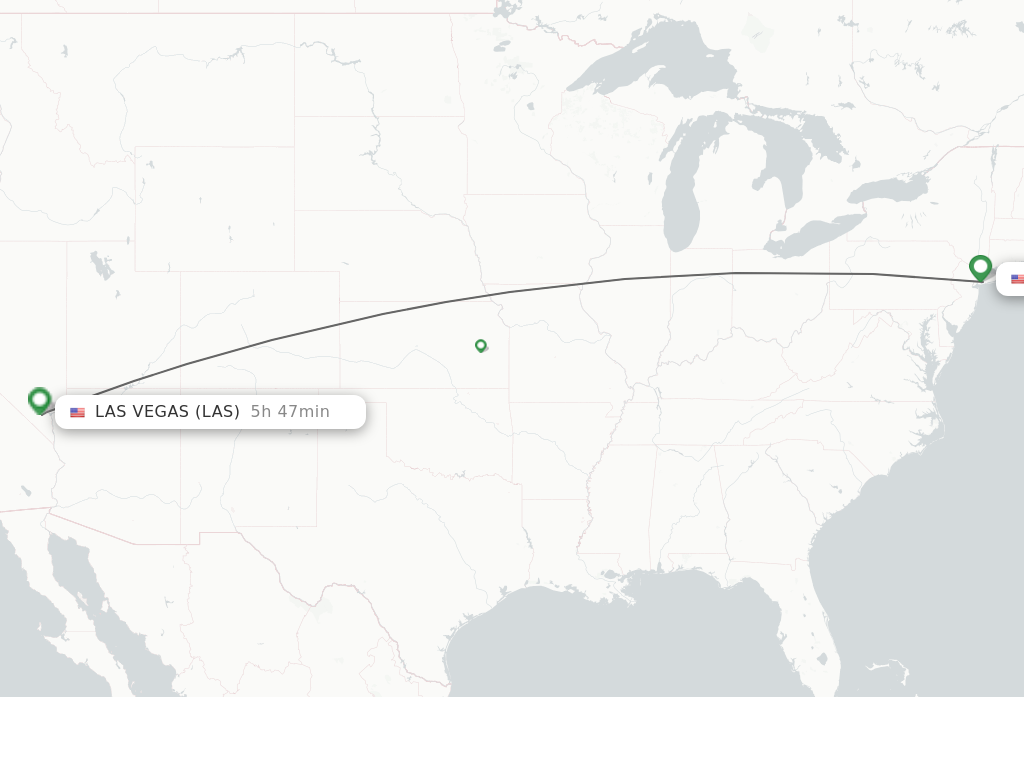
When calculating how long a flight from New York to Las Vegas takes, one must consider both the physical distance and the atmospheric conditions that dictate travel time. The Great Circle distance between these two iconic cities is approximately 2,230 miles. However, the actual flight path taken by pilots often varies based on air traffic control directives and weather patterns.
Average Flight Times for Direct Routes
On average, a direct flight from the New York metropolitan area to Harry Reid International Airport lasts between 5 hours and 30 minutes to 6 hours and 15 minutes. The return journey, heading eastward, is typically shorter—often clocking in under 5 hours—due to the assistance of the prevailing jet stream. These winds blow from west to east across the United States, acting as a powerful tailwind for planes returning to the East Coast.
The Impact of the Jet Stream and Weather
The jet stream is a high-altitude ribbon of fast-moving air that significantly influences transcontinental travel. When flying toward Nevada, aircraft must fly against these headwinds, which naturally slows the ground speed of the plane. Conversely, winter months can see an intensification of these winds, occasionally adding an extra 30 minutes to the westbound flight time. Weather events in the Midwest, such as thunderstorms or heavy snow, can also lead to flight path deviations, further extending the duration of the trip.
Navigating the Departure: New York’s Major Hubs
Choosing the right departure point in the New York area is the first step in optimizing your travel time. The region is served by three primary airports, each offering a different experience and varying levels of service to Las Vegas.
John F. Kennedy International Airport (JFK)
Located in Queens, John F. Kennedy International Airport is the premier gateway for international and long-haul domestic flights. Travelers opting for JFK will find a wide array of carriers, including JetBlue and Delta Air Lines, which frequently operate non-stop routes to Sin City. The airport is well-connected via the AirTrain JFK, making it accessible for those coming from Manhattan or Brooklyn.
Newark Liberty International Airport (EWR)
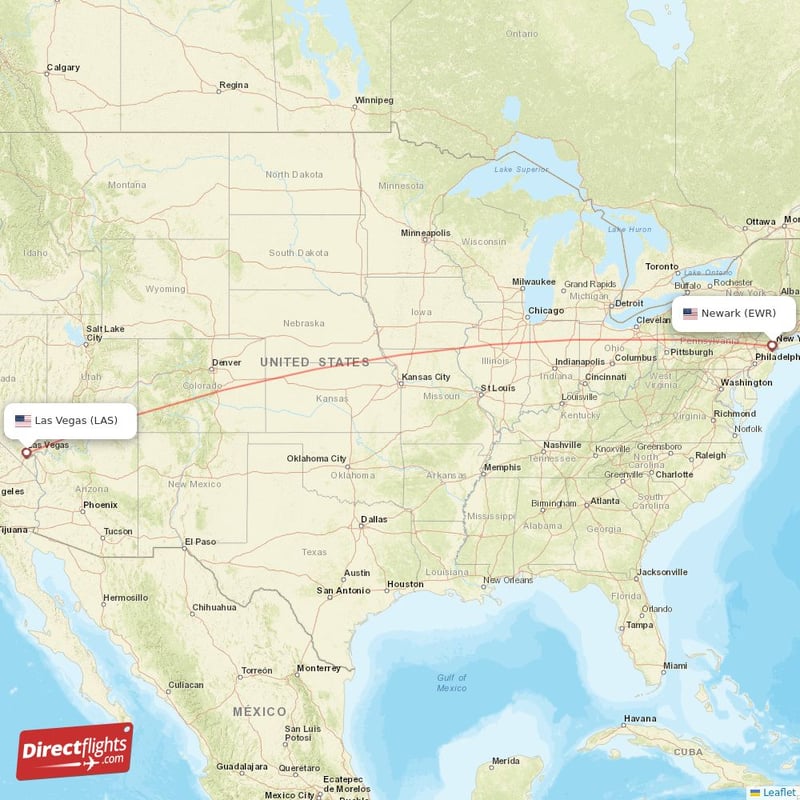
Across the Hudson River in New Jersey, Newark Liberty International Airport serves as a major hub for United Airlines. Many travelers find Newark more convenient if they are based in Lower Manhattan or the western suburbs. The flight duration from EWR is virtually identical to that of JFK, providing a consistent alternative for those seeking competitive airfares.
LaGuardia Airport (LGA)
While LaGuardia Airport is closer to Manhattan, it historically faced “perimeter rules” that limited long-distance flights. However, some exceptions and connecting flights allow travelers to depart from this newly renovated terminal. While direct flights to Las Vegas from LGA are less common than from its sister airports, it remains a vital component of the New York aviation landscape.
Airline Carriers and the In-Flight Experience
The experience of a six-hour flight is largely determined by the airline you choose. Several major carriers compete on the New York to Las Vegas route, offering everything from ultra-low-cost seating to premium luxury suites.
Full-Service Legacy Carriers
Delta Air Lines, American Airlines, and United Airlines dominate this corridor. These carriers offer multiple cabin classes, including Main Cabin, Premium Economy, and First Class. For many, the investment in a premium seat is worthwhile for a flight of this length, providing extra legroom and enhanced meal services. JetBlue is also a fan favorite on this route, known for its “Mint” premium service and complimentary high-speed Wi-Fi, which helps the hours pass quickly.
Budget and Ultra-Low-Cost Options
For travelers looking to maximize their budget for the Las Vegas Strip, airlines like Spirit Airlines and Frontier Airlines often offer significantly lower base fares. While these flights provide the same essential transport from New York to Nevada, it is important to factor in additional costs for baggage, seat assignments, and on-board refreshments. Given the flight duration, many budget travelers choose to “bundle” services to ensure a basic level of comfort.
Arrival at Harry Reid International Airport
As your aircraft descends over the Lake Mead area and the Red Rock Canyon conservation lands, the transition to Las Vegas becomes official. Harry Reid International Airport, formerly known as McCarran International Airport, is uniquely positioned just minutes away from the major resorts.
Navigating the Terminals and Ground Transport
The airport consists of two main terminal complexes: Terminal 1 and Terminal 3. Depending on your airline, you will arrive at one of these hubs. One of the most striking features of this airport is the presence of slot machines within the terminal itself, offering an immediate introduction to the culture of Las Vegas. From the gate, travelers can access ride-sharing services, limousines, or the RTC Southern Nevada public transit system to reach their final destination.
Adjusting to the Time Zone Shift
One critical factor to remember when flying from New York to Las Vegas is the three-hour time difference. New York operates on Eastern Time Zone, while Las Vegas follows Pacific Time Zone. When you land at 2:00 PM in Nevada, it is already 5:00 PM in Manhattan. This “gained” time on the westbound leg is often a bonus for tourists looking to start their evening early, but it can lead to significant jet lag upon returning to the East Coast.
Strategies for a Comfortable Cross-Country Journey
A six-hour flight is the threshold where comfort becomes a necessity rather than a luxury. To ensure you arrive in Las Vegas ready to enjoy the sights, a few strategic preparations are recommended.
Hydration and Nutrition
The air inside an aircraft cabin is notoriously dry, and the high-altitude desert environment of Clark County only compounds this. Drinking plenty of water throughout the flight is essential. While many flights offer beverage services, carrying a reusable water bottle to fill after passing through security at JFK or EWR is a wise move. Additionally, since full meal services are not always guaranteed in economy class on domestic routes, packing nutrient-dense snacks can help maintain energy levels.
Staying Entertained and Productive
Modern aircraft serving the New York to Las Vegas route are typically equipped with sophisticated In-Flight Entertainment (IFE) systems. From the latest Hollywood blockbusters to live television, there are plenty of options to occupy your time. For business travelers, the flight provides a concentrated block of time to catch up on emails or prepare presentations, provided they have selected a carrier with reliable Wi-Fi, such as Delta Air Lines.
Physical Well-being in Flight
Because the flight duration exceeds five hours, it is important to mitigate the risks of deep vein thrombosis (DVT) and general stiffness. Periodically performing ankle circles and stretching in your seat is helpful. If the seatbelt sign is off, taking a brief walk down the aisle can improve circulation. These small movements ensure that when you finally step off the plane and see the skyline of Paradise and Las Vegas, you are physically ready for the adventure ahead.
In conclusion, while the flight from New York to Las Vegas is a significant journey, it is a well-traveled path supported by world-class infrastructure. By selecting the right airport, understanding the influence of the jet stream, and preparing for the time zone shift, travelers can make the most of their transcontinental transition. From the skyscrapers of the Empire State to the glittering lights of the Silver State, the journey is as much a part of the experience as the destination itself.
LifeOutOfTheBox is a participant in the Amazon Services LLC Associates Program, an affiliate advertising program designed to provide a means for sites to earn advertising fees by advertising and linking to Amazon.com. Amazon, the Amazon logo, AmazonSupply, and the AmazonSupply logo are trademarks of Amazon.com, Inc. or its affiliates. As an Amazon Associate we earn affiliate commissions from qualifying purchases.