
Alaska in June is a symphony of breathtaking landscapes, abundant wildlife, and endless daylight. Often referred to as the “shoulder season” or the cusp of summer, June offers a unique window into the Last Frontier, where the land awakens from its long winter slumber. Tourists flock to experience the extended daylight hours, burgeoning wildflowers, and active wildlife, making it a popular time for cruises, hiking, and exploring iconic destinations like Denali National Park. However, the allure of Alaska’s summer can be deceptive. While the sun shines brightly, the weather remains famously unpredictable, shifting from mild sunshine to chilly rain or brisk winds in a matter of hours. This variability is the cornerstone of any packing strategy for an Alaskan adventure, making “what to wear” a paramount concern for any discerning traveler.

The key to a successful and comfortable trip to Alaska in June lies not in packing for a single type of weather, but for all four seasons simultaneously. This requires a strategic approach focused on layering, material choice, and versatility. From the bustling streets of Anchorage to the serene fjords of Seward or the remote wilderness of the interior, your attire will dictate your ability to fully immerse yourself in the experience. This comprehensive guide aims to equip you with the knowledge and recommendations to pack smartly, ensuring you stay warm, dry, and comfortable, no matter what surprises Alaska’s June weather throws your way. Prepare to embrace the unexpected and embark on an unforgettable journey, dressed for success in every Alaskan endeavor.
Understanding Alaska’s June Climate
To pack effectively for Alaska in June, it’s crucial to first understand the unique climatic conditions that define this period. Unlike typical summer destinations, Alaska’s weather patterns are influenced by its vast size, diverse geography, and proximity to the Arctic Circle. This creates a fascinating yet challenging environment for visitors.
The Myth of Summer Warmth
While June officially marks the start of summer in Alaska, it’s important to dispel the myth of consistently warm temperatures. Average daytime temperatures typically range from 55°F to 65°F (13°C to 18°C), but they can easily dip into the 40s (4°C) or even lower, especially during mornings, evenings, or in more exposed areas. Nighttime temperatures can frequently fall into the 30s (below 4°C), reminding visitors of the lingering chill. Furthermore, sudden shifts are common; a sunny morning can quickly give way to a rainy afternoon, or a calm day can turn windy. This variability necessitates a preparedness for all conditions, ensuring your comfort isn’t sacrificed for the sake of packing light.
Regional Variations Across the Last Frontier
Alaska’s immense scale means that weather can vary dramatically from one region to another. What you need in coastal Juneau might differ slightly from what’s ideal in interior Fairbanks or high-altitude Denali National Park.
- Coastal Regions (e.g., Juneau, Seward, Skagway, Ketchikan): These areas, particularly along the Inside Passage, are generally milder but also wetter. Expect more rain, higher humidity, and persistent cloud cover. Temperatures are often moderate, but wind chill from ocean breezes, especially during boat tours or glacier cruises, can make it feel much colder.
- Interior Regions (e.g., Fairbanks, Denali National Park, Anchorage): The interior typically experiences warmer days and colder nights due to its continental climate. While you might encounter occasional days reaching into the 70s (20s C) in Fairbanks, nighttime lows can still drop significantly. Rain is less frequent than on the coast but can still occur. Denali National Park, being at a higher elevation, can be significantly colder, even experiencing snow flurries in June at higher altitudes.
The Midnight Sun and Mosquitoes
June is the month of the Midnight Sun in Alaska, particularly in the northern regions where the sun barely sets. This extended daylight, sometimes up to 24 hours, can make days feel longer and sometimes warmer than they are. However, it also creates prime conditions for Alaska’s notorious mosquitoes. These persistent insects emerge in full force in June, especially in marshy or forested areas. Proper clothing, including long sleeves and pants, becomes a dual defense against both chill and bites, underscoring the need for thoughtful packing.
The Cornerstone of Alaskan Packing: Layering
The absolute golden rule for dressing in Alaska during June is layering. This approach allows you to adapt to rapidly changing temperatures and conditions throughout the day, ensuring you’re never too hot or too cold. Think of your clothing as an adjustable thermostat, adding or removing layers as needed.
Base Layers: The Foundation of Comfort
Your base layer is the first line of defense against the elements. It sits directly against your skin, and its primary function is to wick away moisture (sweat) to keep you dry and regulate your body temperature.
- Material Matters: Opt for synthetic fabrics like polyester or natural fibers like merino wool. Both are excellent at moisture-wicking and quick-drying. Merino wool has the added benefit of being odor-resistant, which is a huge plus for multi-day trips.
- Avoid Cotton: Cotton is the enemy in Alaska. When wet, it loses all its insulating properties and takes a long time to dry, leading to a dangerous chill. Save your cotton t-shirts for city evenings in a dry environment, not for active outdoor exploration. Pack several long-sleeved base layer tops and at least one pair of long underwear bottoms, especially if you plan on extended outdoor activities or higher elevations.
Mid-Layers: The Insulating Core
The mid-layer provides essential insulation, trapping warm air close to your body. Its weight should be chosen based on your personal comfort and the intensity of your planned activities.
- Fleece Jackets: A medium-weight fleece jacket is an excellent and versatile choice. It offers good warmth for its weight, breathes well, and dries quickly.
- Down or Synthetic Vests/Jackets: A packable down vest or a lightweight synthetic puffy jacket can be incredibly useful. These provide significant warmth without excessive bulk and are easy to layer under an outer shell. A vest is particularly good for maintaining core warmth while allowing arm mobility. For colder days or higher altitudes, a slightly heavier puffy jacket might be warranted.
Outer Layers: The Shield Against the Elements
Your outer layer is your protection against wind and rain, the two most common adversaries in Alaska’s unpredictable weather. This layer should be both waterproof and windproof.
- Waterproof/Windproof Jacket: A high-quality rain jacket is non-negotiable. Look for one with a breathable membrane like GORE-TEX or similar proprietary technologies. Ensure it has a hood that can cinch down to protect your head from wind and rain. Pay attention to sealed seams and waterproof zippers.
- Rain Pants: Equally important are waterproof rain pants. These are invaluable for keeping you dry during rainy hikes, boat tours, or even just walking around town on a wet day. Look for full-zip side zippers for easy on-and-off over boots. Don’t compromise on quality here; being wet and cold can quickly ruin an Alaskan experience.
Essential Clothing Items for Your June Alaska Adventure
Beyond the layering system, specific clothing items will round out your Alaska wardrobe, ensuring you’re prepared for every facet of your journey.
Tops and Bottoms
- Long-Sleeved Shirts: In addition to your base layers, pack a few versatile long-sleeved shirts made from synthetic blends, merino wool, or quick-drying fabrics. These offer sun protection and light warmth.
- Convertible Hiking Pants: Several pairs of quick-drying, durable hiking pants are essential. Convertible pants, which zip off into shorts, offer excellent versatility for fluctuating temperatures and activity levels.
- Jeans/Casual Pants: While not ideal for active outdoor pursuits due to their slow drying time, one pair of jeans or comfortable casual pants can be suitable for evenings in town, dining, or traveling between locations.
- Shorts: You might get lucky with a warm day, especially in the interior. A single pair of shorts could be packed, but prioritize long pants.

Footwear
- Waterproof Hiking Boots: This is arguably the most crucial item. Invest in a pair of waterproof, ankle-supporting hiking boots that are well broken-in before your trip. Your feet will thank you, especially on trails or wet terrain.
- Comfortable Walking Shoes: For urban exploration, cruise ship decks, or lighter activities, a comfortable pair of sneakers or walking shoes (preferably water-resistant) is a good addition.
- Camp Shoes/Sandals: A pair of lightweight sandals or slip-on shoes can be a lifesaver for relaxing in your hotel room, on a cruise ship, or for airing out your feet after a long day of hiking.
Headwear and Handwear
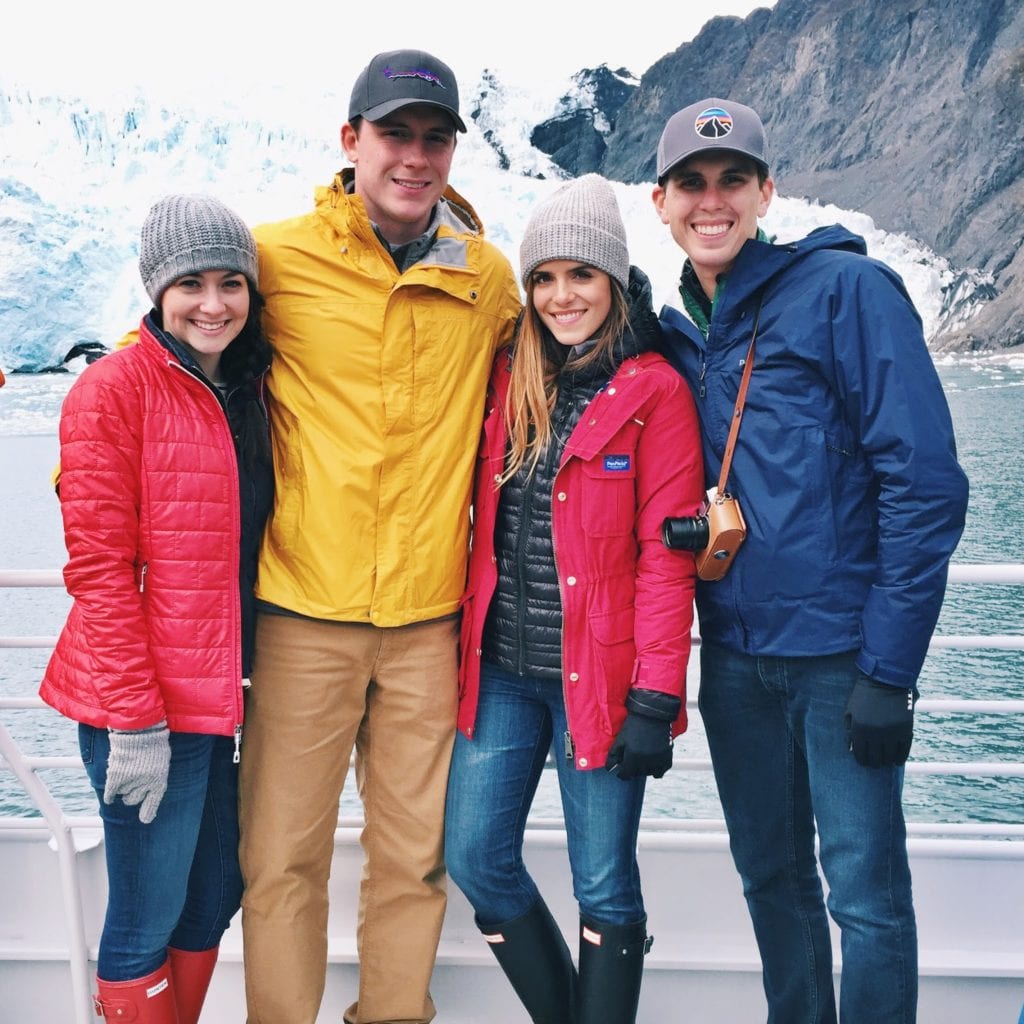
- Warm Hat (Beanie): A warm, insulating hat (wool or fleece) is vital. You lose a significant amount of body heat through your head, and this will be essential on chilly mornings, evenings, or windy excursions.
- Gloves or Mittens: Lightweight, waterproof gloves or mittens are a must, especially for boat tours, glacier visits, or early morning outings. Your hands can get cold quickly when exposed.
- Sun Hat/Cap: For sunny days, a wide-brimmed sun hat or a baseball cap will provide crucial protection from the sun’s surprisingly strong rays, especially given the extended daylight hours.
Socks
- Wool or Synthetic Socks: Pack multiple pairs of moisture-wicking socks, preferably merino wool or synthetic blends. Avoid cotton socks at all costs. Bring varying thicknesses – a few liner socks, medium-weight hiking socks, and perhaps a heavier pair for colder days. Change socks frequently to prevent blisters and maintain foot health.
Beyond Clothing: Crucial Accessories and Gear
While clothing forms the core of your packing strategy, several non-clothing items are equally indispensable for a comfortable and enjoyable Alaska trip in June.
Rain Protection
- Small, Packable Umbrella: While a good rain jacket with a hood is superior for active excursions, a compact umbrella can be useful for strolling around towns on lighter rainy days, especially if you want to avoid wearing your heavy rain gear.
- Waterproof Backpack Cover: If your daypack isn’t waterproof, a separate rain cover is a smart investment to protect your electronics, camera, and other essentials.
Sun Protection
Despite the often-cool temperatures, the sun in Alaska can be intense, especially with the reflection off water or snow.
- Sunglasses: Essential for protecting your eyes from glare and UV rays.
- Sunscreen: A broad-spectrum sunscreen with high SPF is a must for any exposed skin.
- Lip Balm with SPF: Don’t forget to protect your lips from sun and wind.
Insect Repellent
As mentioned, June is prime time for mosquitoes.
- DEET or Picaridin-Based Repellent: Bring a strong insect repellent, particularly if you plan to spend time in forested areas or near standing water.
- Head Net: For those particularly sensitive to bugs or planning activities in notoriously buggy areas, a lightweight head net can provide excellent relief.
Daypack
A comfortable and reasonably sized daypack (20-30 liters) is essential for carrying your layers, water bottle, snacks, camera, and other daily necessities during excursions. Look for one that is water-resistant or use a rain cover.
Other Essentials
- Water Bottle: Stay hydrated, especially during hikes.
- Binoculars: Indispensable for wildlife viewing (bears, eagles, whales, etc.).
- Camera Gear: Protect your camera from moisture with waterproof bags or covers.
- Portable Power Bank: For charging phones or cameras, especially with limited outlets on tours.
Activity-Specific Considerations
While the general layering principles apply, certain activities might warrant slight adjustments to your packing list.
Cruising vs. Land Tour
- Cruising: If you’re primarily on a cruise, you’ll have more luggage allowance. You can afford to bring a few nicer outfits for dinner onboard, but your shore excursion gear remains critical. Layers are still paramount on deck and during port activities, as sea breezes can be chilling.
- Land Tour/Backpacking: For land-based tours involving significant hiking or wilderness exploration, prioritize lightweight, quick-drying, and durable gear. Every ounce counts. Embrace versatility in each item.
Hiking and Outdoor Activities
For avid hikers, focus on technical fabrics, sturdy footwear, and a robust rain shell. Trekking poles can also be incredibly useful on uneven terrain. A small first-aid kit, a headlamp (even with long daylight, useful for dark cabins or unexpected situations), and navigation tools are also advisable.
Wildlife Viewing and Fishing
When out for wildlife viewing or fishing, warmth and stealth are key. Choose muted colors that blend with nature. Insulated, waterproof gloves are a must for fishing. Consider a warm hat with ear flaps. Longer sleeves and pants will protect against bugs and brush.
In conclusion, packing for Alaska in June is an exercise in preparedness and adaptability. By embracing the power of layering and prioritizing high-quality, weather-appropriate gear, you can ensure that you remain comfortable, dry, and ready to embrace every moment of your Alaskan adventure. Do not underestimate the variability of the weather, and you will be richly rewarded with an unforgettable experience in one of the world’s most stunning natural environments.
LifeOutOfTheBox is a participant in the Amazon Services LLC Associates Program, an affiliate advertising program designed to provide a means for sites to earn advertising fees by advertising and linking to Amazon.com. Amazon, the Amazon logo, AmazonSupply, and the AmazonSupply logo are trademarks of Amazon.com, Inc. or its affiliates. As an Amazon Associate we earn affiliate commissions from qualifying purchases.