
Embarking on a journey from the historic streets of Philadelphia to the tropical shores of Hawaii is a dream for many travelers seeking a complete change of scenery. This transcontinental trek spans nearly the entire breadth of the United States and crosses a significant portion of the Pacific Ocean. Because of the vast distance—approximately 4,900 miles—this journey requires careful planning, a solid understanding of flight durations, and an appreciation for the logistics involved in moving from the East Coast to one of the most remote archipelagos on Earth.
Whether you are heading to the bustling city of Honolulu on Oahu or seeking the tranquil rainforests of Kauai, the time spent in the air is a significant part of the travel experience. For those departing from Philadelphia International Airport, the travel time can vary significantly based on layovers, weather patterns, and the specific island destination.
Understanding the Flight Duration from the East Coast to the Pacific
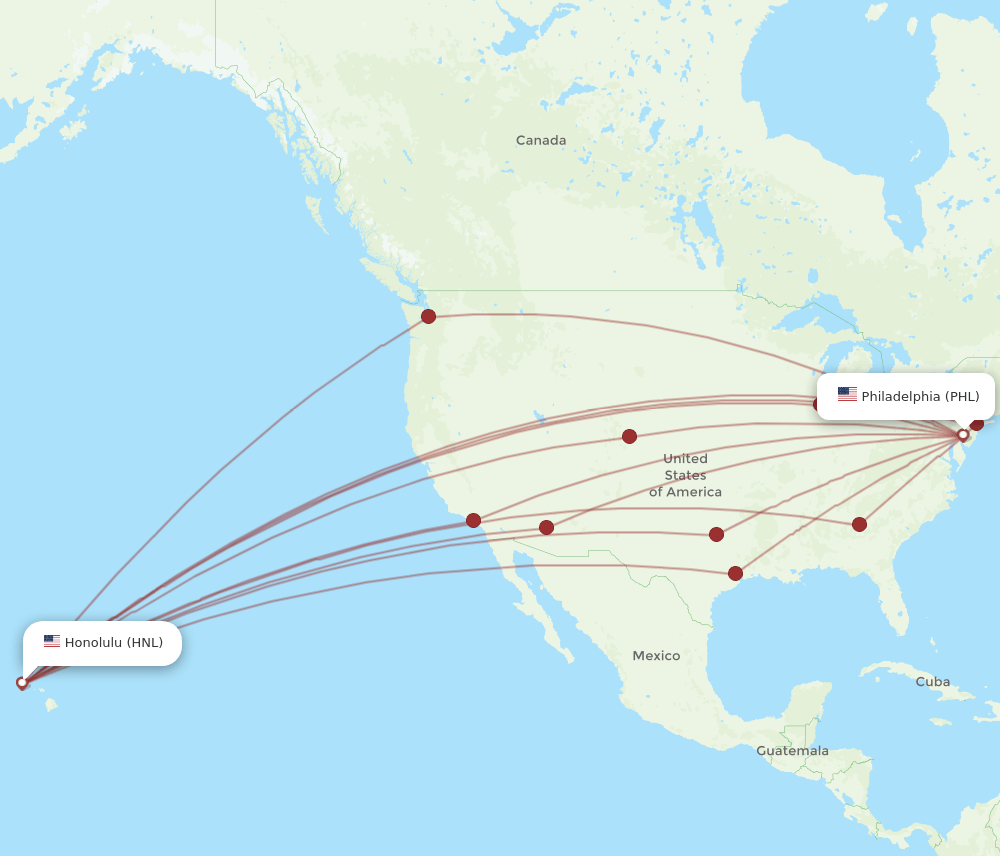
The total travel time from Philadelphia to the Hawaiian Islands is largely determined by the absence of direct, non-stop flights from the region. While some major hubs like New York City or Newark occasionally offer direct services to Honolulu, travelers leaving from Philadelphia will almost certainly face at least one connection.
Direct vs. Connecting Flights
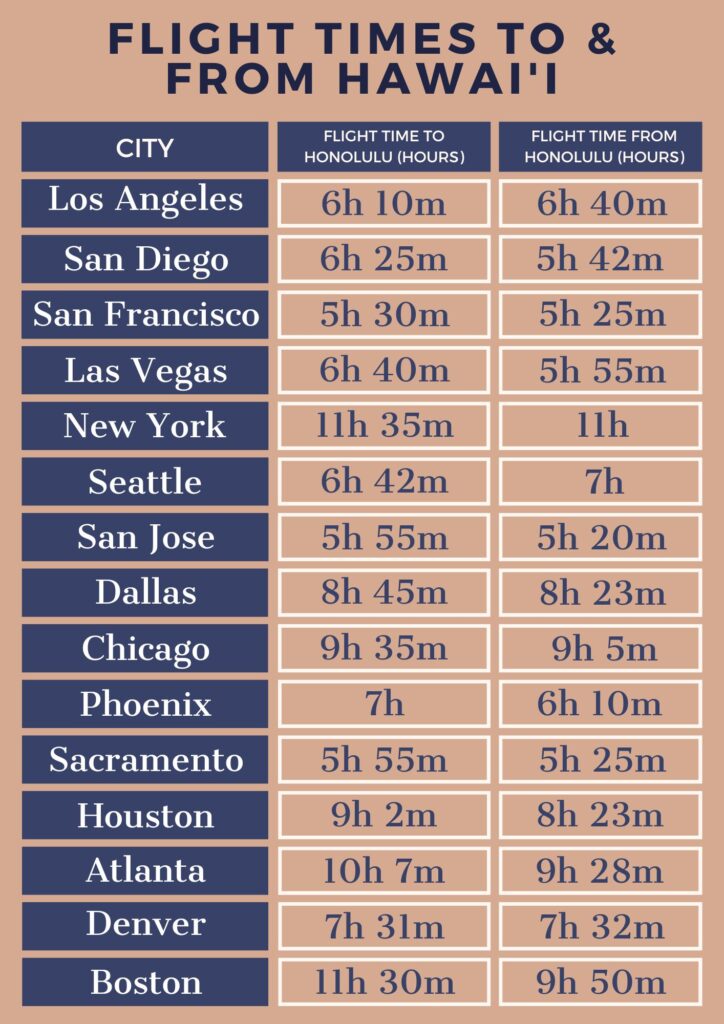
When calculating how long a flight from Philadelphia to Hawaii takes, one must account for the actual time spent in the air plus the duration of layovers. On average, the total travel time ranges from 11 to 15 hours. If you are fortunate enough to find a flight with a short layover, you might reach the islands in just under 11 hours. However, more common itineraries involve layovers that can push the total journey to 13 or 14 hours.
The “air time” itself—the time actually spent flying—is usually divided into two segments. The first leg from Philadelphia to a major hub like Chicago or Dallas takes about 2.5 to 4 hours. The second, longer leg from that hub to Daniel K. Inouye International Airport in Honolulu typically lasts between 8 and 9 hours.
The Impact of Wind and Jet Streams
One interesting factor that influences flight duration is the direction of travel. When flying west toward Hawaii, aircraft often fly against the jet stream—powerful high-altitude winds that move from west to east. This headwind can add 30 to 60 minutes to the total flight time. Conversely, the return flight from Hawaii to Philadelphia is usually faster because the aircraft is pushed along by these same tailwinds. It is not uncommon for a return flight to be nearly an hour shorter than the outbound journey.
Route Options and Connecting Cities
Choosing the right connection is key to managing the long duration of the trip. Most major carriers operating out of Philadelphia International Airport offer various routing options through their primary hubs.
West Coast Layovers
Many travelers prefer to fly as far west as possible before their final leg to the islands. Common connection points include Los Angeles, San Francisco, and Seattle. This strategy breaks the trip into a long 5-to-6-hour domestic flight followed by a shorter 5-to-6-hour transpacific flight. Using Los Angeles as a hub allows travelers to fly with American Airlines, Delta Air Lines, or United Airlines, all of which have frequent service to various Hawaiian islands.
Mid-Continent and Southwestern Connections
Alternatively, you might choose a hub in the middle of the country. Chicago and Dallas are popular choices for United Airlines and American Airlines passengers, respectively. Another excellent option is connecting through Phoenix. The advantage of these routes is often a single, very long flight to Hawaii, which allows for more uninterrupted sleep or movie-watching time. Some travelers also look for connections through Atlanta when flying with Delta Air Lines, though this adds some southern mileage to the trip.
For those looking for a unique experience, connecting through a West Coast city allows for the possibility of flying with Hawaiian Airlines. This carrier is known for its island-inspired hospitality, often providing a taste of the Hawaii experience—including themed meals and drinks—before you even land.
Preparing for the Long-Haul Experience
Flying for 11 to 15 hours is a physical and mental challenge. Preparation is essential to ensure that you arrive in Hawaii ready to explore rather than exhausted.
Managing Jet Lag and Time Zones
The time difference between Philadelphia and Hawaii is significant. Hawaii operates on Hawaii-Aleutian Standard Time, which does not observe Daylight Saving Time. This means the time difference is 5 hours in the winter and 6 hours in the summer.
To mitigate jet lag, it is often recommended to stay hydrated and try to align your sleep schedule with your destination as soon as you board the plane. Because most flights from the East Coast arrive in the afternoon or early evening local time, the best strategy is to stay awake until at least 8:00 PM in Honolulu to help your body clock reset quickly.
In-Flight Comfort and Essentials
Given the duration, comfort is paramount. Many travelers opt to upgrade to “Premium Economy” or “Business Class” for the extra legroom and better meal services. If you are staying in the main cabin, bringing a high-quality neck pillow, noise-canceling headphones, and layers of clothing is vital. The cabin temperature can fluctuate significantly during a 9-hour flight over the Pacific Ocean.
Arriving in Paradise: Exploring the Hawaiian Islands
Once the long flight is over and you touch down at Daniel K. Inouye International Airport, the rewards of the journey become immediately apparent. Each island offers a distinct experience, and your arrival point is often just the beginning of the adventure.
Oahu: The Gathering Place
Most travelers from Philadelphia make their first stop on Oahu. This island blends the amenities of a major city with breathtaking natural beauty. You can visit the historic site of Pearl Harbor, lounge on the iconic Waikiki Beach, or hike to the summit of Diamond Head for panoramic views of the coastline. For those seeking nature, a trip to Hanauma Bay for snorkeling or a drive to the North Shore to watch professional surfers is a must.
Maui: The Valley Isle
If your flight takes you to Maui, you will find an island famous for its diverse landscapes. From the volcanic crater of Haleakala National Park to the winding, lush turns of the Road to Hana, Maui offers a perfect balance of adventure and luxury. The beaches here are some of the best in the world, particularly in areas like Wailea and Kaanapali.
Kauai and the Big Island
For those who don’t mind an extra short “puddle jumper” flight, Kauai offers the dramatic cliffs of the Na Pali Coast and the deep canyons of Waimea Canyon State Park. Meanwhile, the Big Island (the island of Hawaii) is home to Volcanoes National Park, where you can witness the raw power of active lava flows and explore black sand beaches.
Travel Logistics and Tips for a Smooth Journey
Planning the logistics of a flight from Philadelphia to Hawaii requires more than just booking a ticket. Timing and airport navigation can make a significant difference in your overall experience.
Best Times to Book and Fly
To find the most reasonable fares and the best flight durations, it is generally recommended to book at least three to four months in advance. Mid-week flights (Tuesdays and Wednesdays) are often cheaper and less crowded than weekend departures. Additionally, avoid the peak holiday seasons around Christmas and New Year if you want to avoid both high prices and long lines at Philadelphia International Airport.
Navigating Philadelphia International Airport
When departing from Philadelphia, ensure you arrive at the airport at least two to three hours before your scheduled departure. While the first leg of your trip is domestic, the complexity of the connection and the length of the overall journey make it wise to have a buffer. Philadelphia International Airport features several terminals, so check whether your airline departs from Terminal A, B, or C.
Once you have navigated the security checkpoints and boarded your plane, the long trek across the United States begins. While the question “how long is the flight from Philadelphia to Hawaii?” might initially yield a daunting answer, the experience of descending over the turquoise waters of the Pacific Ocean and feeling the warm tropical breeze of Honolulu makes every hour in the air well worth the effort. The journey from the “City of Brotherly Love” to the “Aloha State” is a true pilgrimage to paradise, offering a transformative travel experience that stays with you long after you return home.
LifeOutOfTheBox is a participant in the Amazon Services LLC Associates Program, an affiliate advertising program designed to provide a means for sites to earn advertising fees by advertising and linking to Amazon.com. Amazon, the Amazon logo, AmazonSupply, and the AmazonSupply logo are trademarks of Amazon.com, Inc. or its affiliates. As an Amazon Associate we earn affiliate commissions from qualifying purchases.