
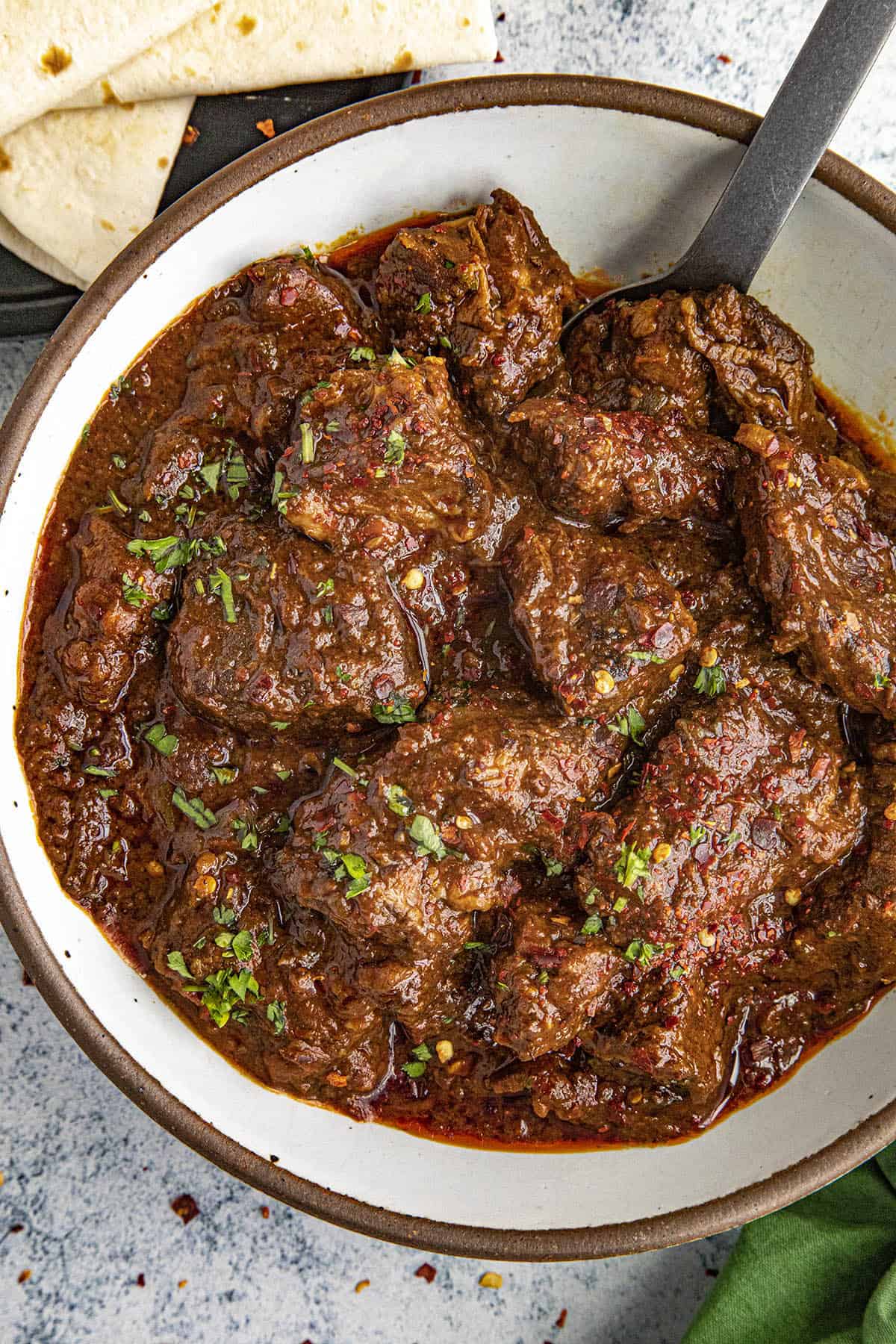
The rich, savory stew known as Chili Colorado is more than just a meal; it’s a deep dive into the culinary soul of the American Southwest and northern Mexico. Unlike its ground-beef, bean-laden counterpart, Chili Colorado is distinguished by its vibrant, reddish-brown hue derived from a robust sauce made from dried red chiles. It typically features tender chunks of slow-cooked beef or pork, simmered in this complex chili sauce until falling apart, creating a dish that is both hearty and incredibly flavorful. For travelers seeking an authentic taste of local culture, understanding and even attempting to create Chili Colorado offers a profound connection to the region’s heritage.
The Heart of Southwestern Cuisine: Understanding Chili Colorado
Chili Colorado, meaning “red chili,” is a cornerstone dish that reflects centuries of culinary evolution in the arid landscapes of New Mexico, Arizona, Texas, and neighboring areas of Mexico. Its simplicity belies a depth of flavor that is truly captivating, embodying the essence of slow cooking and the powerful yet nuanced spice of dried chiles.
A Legacy of Flavor and Tradition
The history of Chili Colorado is intertwined with the agricultural practices of indigenous peoples and the culinary traditions introduced by Spanish settlers. Chiles have been cultivated in the Southwest for millennia, forming the backbone of regional diets. Over time, techniques for drying and rehydrating these chiles were perfected, allowing for their use year-round and contributing to the development of rich sauces. The arrival of cattle and other livestock from Spain provided the protein, leading to the creation of stews that married tender meats with the intense flavors of the chili paste. This dish is a testament to resourceful cooking, transforming simple ingredients into a dish of profound comfort and character.
Regional Roots and Cultural Significance
While recipes for Chili Colorado share common threads, subtle variations exist across the Southwest, each reflecting local preferences and available ingredients. In New Mexico, for instance, the emphasis is often on the distinctive New Mexico chile, prized for its earthy flavor and moderate heat. Some versions might incorporate a touch of tomato for acidity, while others rely solely on chiles for their body and color. In communities like Pueblo, Colorado, the local Pueblo chile is celebrated. Experiencing these regional nuances firsthand is a vital part of culinary tourism, as each rendition offers a unique perspective on the region’s gastronomic identity. Understanding the craft of Chili Colorado is to understand the heart of these communities.
The Essential Ingredients: Building Authentic Flavor
The success of a truly authentic Chili Colorado hinges on the quality and preparation of its core ingredients, especially the chiles.
Selecting the Perfect Dried Chiles
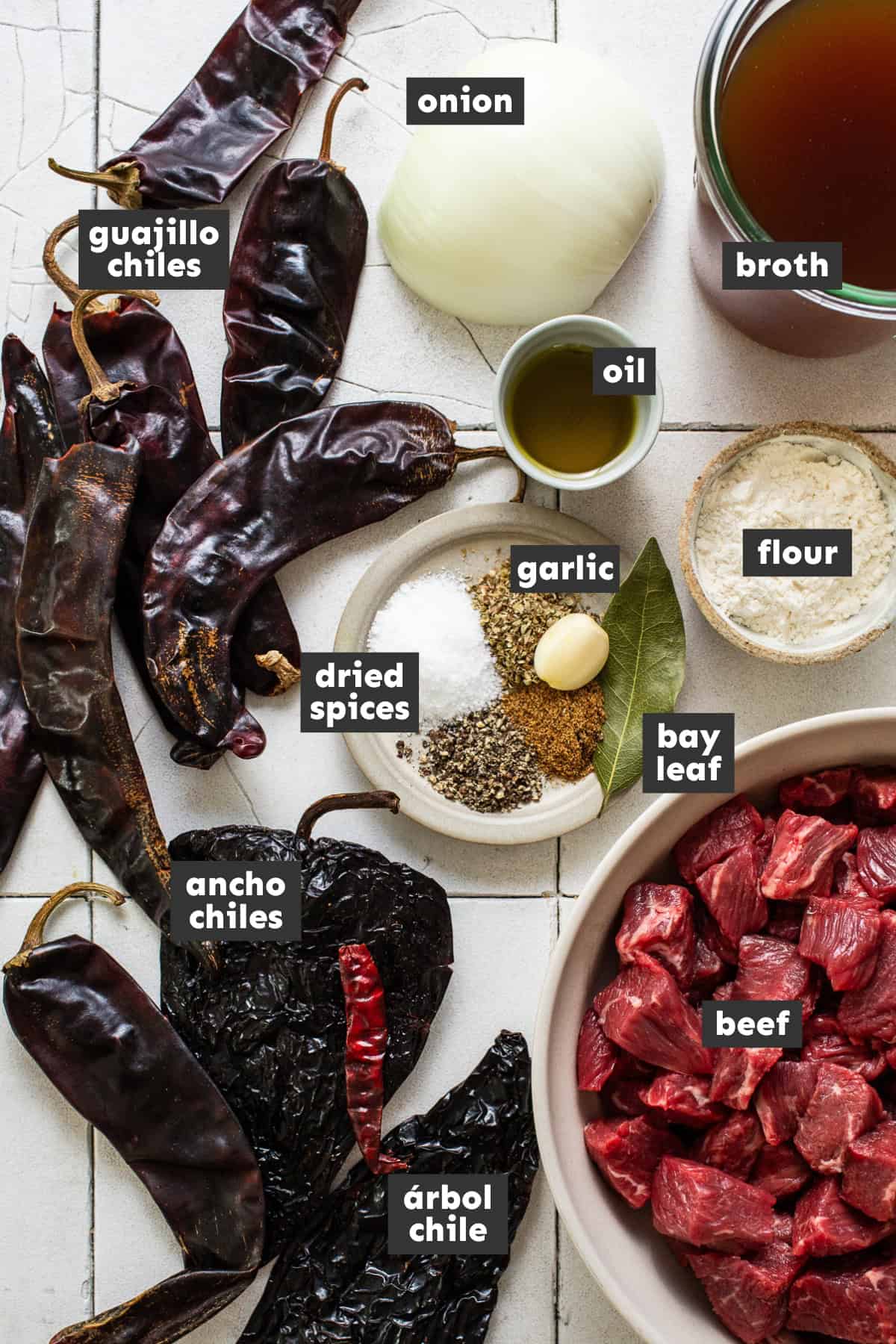
The soul of Chili Colorado lies in its dried red chiles. A blend is often preferred to achieve a complex flavor profile:
- New Mexico Chiles (or Anaheim): These are fundamental, offering an earthy, slightly sweet flavor with mild to medium heat. Look for those from the Hatch Valley in New Mexico or Chimayo for superior quality.
- Guajillo Chiles: Contributes a fruity, tangy, and slightly smoky note with medium heat. They have a thin, smooth skin.
- Ancho Chiles: These are dried Poblano chiles, providing a deep, rich, smoky, and slightly sweet flavor with very mild heat.
- Arbol Chiles (Optional): For those desiring more heat, a few dried Arbol chiles can be added, but use sparingly as they are quite potent.
When selecting chiles, look for those that are pliable, glossy, and have a rich color. Avoid chiles that are brittle, dusty, or faded, as these indicate age and diminished flavor.
The Foundation: Meat and Aromatics
- Meat: Traditionally, beef chuck or pork shoulder is used. These cuts are ideal for slow cooking as they become incredibly tender and flavorful. Aim for about 2-3 pounds, cut into 1-inch to 1.5-inch cubes.
- Aromatics: Yellow onion and garlic are essential. They provide a sweet, pungent base that complements the richness of the chiles and meat.
- Broth: Beef broth is preferred to enhance the meaty flavors. Use low-sodium to control the overall saltiness of the dish.
Spices and Seasonings
While the chiles provide the dominant flavor, a few additional spices help round out the profile:
- Ground Cumin: Adds warmth and earthiness.
- Mexican Oregano: Offers a more pungent, citrusy flavor than Mediterranean oregano.
- Salt and Freshly Ground Black Pepper: To taste, adjusting as the stew simmers.
- Apple Cider Vinegar (Optional): A small amount can brighten the flavors and add a subtle tang.
Crafting the Masterpiece: A Step-by-Step Guide
Making Chili Colorado is a labor of love, but the process is straightforward and incredibly rewarding.
Preparing the Chiles
- Clean the Chiles: Carefully remove the stems from all dried chiles. For less heat, slit them open and remove most of the seeds and veins (capsaicin, the compound responsible for heat, is concentrated here). Keep some seeds if you prefer more spice.
- Toast the Chiles: Heat a dry skillet or griddle over medium heat. Toast the chiles in batches for 30 seconds to 1 minute per side, pressing them down with a spatula. They should become fragrant and slightly pliable, but do not burn them, or they will turn bitter.
- Rehydrate: Place the toasted chiles in a heatproof bowl. Pour enough boiling water over them to fully submerge. Cover and let them soak for 20-30 minutes, or until very soft and pliable.
- Blend the Sauce: Once rehydrated, drain the chiles, reserving about 2 cups of the soaking liquid. Transfer the chiles to a blender. Add 1-2 cups of the reserved soaking liquid (start with less and add more if needed), a couple of peeled garlic cloves, a quarter of an onion, and the cumin and oregano. Blend until completely smooth. You may need to blend in batches. For an extra smooth sauce, press it through a fine-mesh sieve, discarding any solids.
Browning the Meat and Building the Base
- Season the Meat: Pat the cubed beef or pork dry with paper towels. Season generously with salt and pepper.
- Sear the Meat: Heat 1-2 tablespoons of oil (like canola or vegetable) in a large Dutch oven or heavy-bottomed pot over medium-high heat. Working in batches to avoid overcrowding, sear the meat on all sides until deeply browned. Remove the seared meat and set aside. Browning is crucial for developing deep flavor.
- Sauté Aromatics: Reduce the heat to medium. Add a little more oil if needed. Add the chopped onion to the pot and cook until softened and translucent, about 5-7 minutes. Add any remaining minced garlic and cook for another minute until fragrant.
Simmering to Perfection
- Combine Ingredients: Return the seared meat to the pot with the sautéed aromatics. Pour the blended chili sauce over the meat. Stir well to coat. Add enough beef broth to just cover the meat – typically 2-3 cups, depending on the pot size and consistency desired.
- Simmer: Bring the mixture to a gentle simmer. Reduce the heat to low, cover the pot, and let it cook for 2.5 to 3.5 hours, or until the meat is fork-tender. Stir occasionally to prevent sticking. If the sauce becomes too thick, add a little more beef broth or water. If it’s too thin, remove the lid for the last 30 minutes of cooking to allow some liquid to evaporate.
- Adjust Seasoning: Taste the Chili Colorado and adjust seasoning with salt, pepper, and potentially a splash of apple cider vinegar to brighten the flavors.
The Final Touches
For an even richer sauce, once the meat is tender, you can thicken the Chili Colorado by whisking a tablespoon or two of masa harina (corn flour) into a small amount of cold water to form a slurry, then stirring it into the simmering stew. Let it cook for another 10-15 minutes until it thickens to your desired consistency. This also adds a subtle corn flavor that complements the chiles.
Serving and Savoring: A Taste of the Southwest at Home or Away
Whether you’re enjoying your homemade Chili Colorado or savoring it in a traditional eatery, how it’s served significantly enhances the experience.
Traditional Pairings and Accompaniments
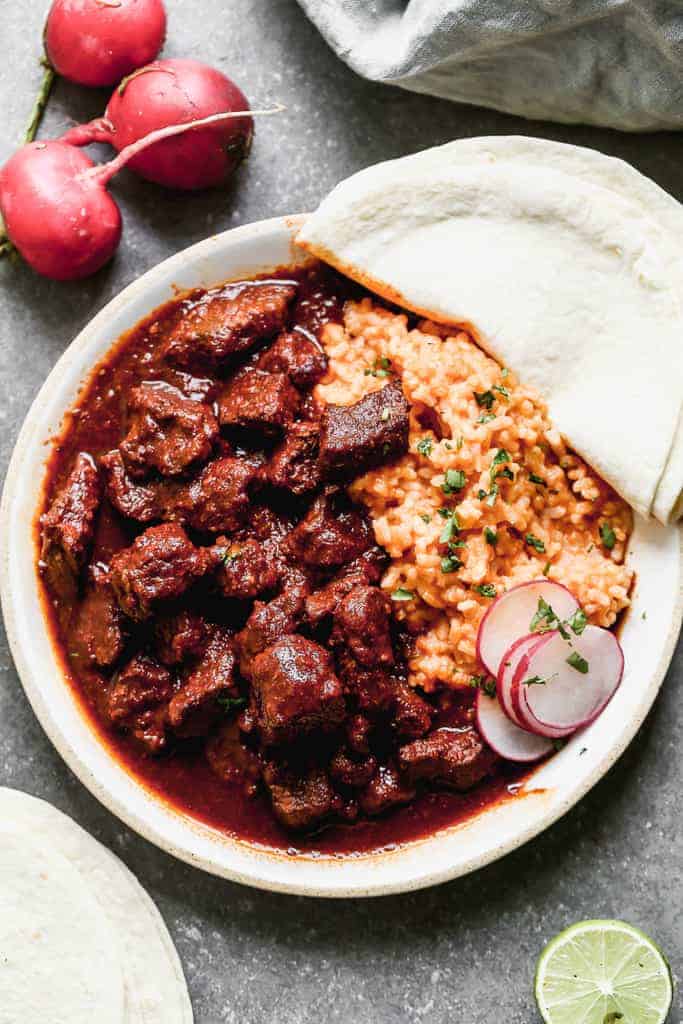
Chili Colorado is incredibly versatile. It can be served as a standalone stew in a bowl, often garnished with fresh cilantro, diced white onion, or a dollop of sour cream or crema.
- Tortillas: Warm corn or flour tortillas are essential for scooping up the rich sauce.
- Rice and Beans: A side of fluffy Mexican rice and refried beans provides a comforting complement.
- Sopapillas: In New Mexico, light, puffy sopapillas are often served alongside, perfect for dipping into the chili or drizzling with honey as a sweet counterpoint.
- Fillings: Beyond a stew, Chili Colorado serves as an excellent filling for tamales, enchiladas, burritos, or quesadillas.
Experiencing Chili Colorado in Its Homeland
For travelers, the culinary journey through the Southwest is incomplete without sampling authentic Chili Colorado in its place of origin. Restaurants in cities like Santa Fe, El Paso, San Antonio, Tucson, Denver, and Albuquerque pride themselves on their unique renditions, often passed down through generations. Seek out establishments that emphasize locally sourced chiles and traditional cooking methods. Engaging with local chefs and vendors can offer insights into the cultural significance of the dish, the nuances of chile varieties, and the deeply rooted traditions that make Chili Colorado a beloved staple. Trying it in a small, family-run eatery or a bustling local market often provides the most authentic and memorable experience, connecting you directly to the culinary heritage of the Southwest.
LifeOutOfTheBox is a participant in the Amazon Services LLC Associates Program, an affiliate advertising program designed to provide a means for sites to earn advertising fees by advertising and linking to Amazon.com. Amazon, the Amazon logo, AmazonSupply, and the AmazonSupply logo are trademarks of Amazon.com, Inc. or its affiliates. As an Amazon Associate we earn affiliate commissions from qualifying purchases.