
Embarking on a journey from the sun-drenched shores of Hawaii to the vibrant landscapes of Japan is a dream for many travelers. This trans-Pacific voyage connects two vastly different yet equally captivating cultures, offering a blend of relaxation and adventure. While the allure of this trip is undeniable, a common and crucial question arises for anyone planning this itinerary: “How long is the flight from Hawaii to Japan?” The answer, however, is not a simple one-size-fits-all figure. Several factors influence the duration of this journey, making it essential to understand these variables to plan your travel efficiently and manage your expectations.

The flight time between these two island paradises is a significant consideration, impacting everything from the packing list to the choice of in-flight entertainment. It’s a journey that spans a considerable distance across the Pacific Ocean, requiring a considerable commitment of time. Factors such as the specific departure and arrival airports, the airline chosen, the type of flight (direct or with layovers), and even prevailing wind patterns can all play a role in determining the total travel time. Understanding these elements will help you better prepare for the experience, ensuring a smoother and more enjoyable trip.
Direct Flights: The Fastest Route to the Land of the Rising Sun
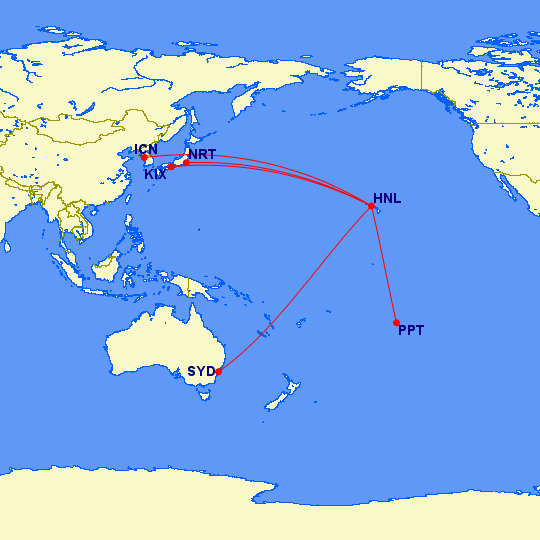
For travelers prioritizing speed and convenience, a direct flight from Hawaii to Japan is the most appealing option. These non-stop services minimize travel time, allowing you to reach your destination with minimal interruption. The primary gateway for international flights departing Hawaii is Daniel K. Inouye International Airport in Honolulu, Oahu. From this bustling hub, several major airlines offer direct services to key Japanese cities.
The most common direct routes connect Honolulu to Tokyo, the capital and largest metropolis of Japan. Other destinations within Japan that may be served directly from Hawaii include Osaka and sometimes Sapporo, depending on the season and airline schedules.
Flight Duration on Direct Services
The typical flight duration for a direct flight from Honolulu, Hawaii, to Tokyo, Japan, generally falls within a specific range. On average, you can expect a flight time of approximately 8 to 9.5 hours. This figure represents the time spent in the air, from the moment the aircraft leaves the gate to its final approach and landing.
Several factors contribute to this timeframe:
- Distance: The geographical distance between Honolulu and Tokyo is substantial, measuring roughly 3,850 miles (6,195 kilometers). This vast expanse of the Pacific Ocean dictates a lengthy flight.
- Aircraft Type: The speed of the aircraft plays a role. Modern wide-body jets used for these long-haul international routes typically cruise at speeds between 500 and 600 miles per hour (800 to 965 kilometers per hour).
- Wind Patterns: Crucially, prevailing jet streams and tailwinds can significantly influence flight times. Flights traveling westward from Hawaii to Japan often benefit from tailwinds, which can shorten the journey. Conversely, eastbound flights from Japan to Hawaii typically experience headwinds, leading to longer flight durations.
- Air Traffic Control and Flight Path: While efforts are made to maintain direct routes, air traffic control, weather conditions along the flight path, and specific routing decided by the pilots can cause slight deviations, impacting the overall time.
When considering a direct flight, it’s essential to factor in the time difference. Japan is 5 hours ahead of Hawaii during Hawaii Standard Time. This means that even if you depart Honolulu in the afternoon, you might arrive in Tokyo in the evening of the next day, after a significant amount of travel time.
Flights with Layover: Exploring Other Options and Their Impact on Travel Time
While direct flights offer the quickest passage from Hawaii to Japan, they are not always the most available or cost-effective option for all travelers. Many passengers opt for flights that include one or more layovers, which can offer more flexibility in terms of departure times, airlines, and often, lower fares. However, these layovers invariably add to the total travel time.
Common Layover Destinations and Their Influence
When flying from Hawaii to Japan with a layover, the intermediate stop can occur in various locations. The most common layover points are often on the West Coast of the United States or in other major international hubs.
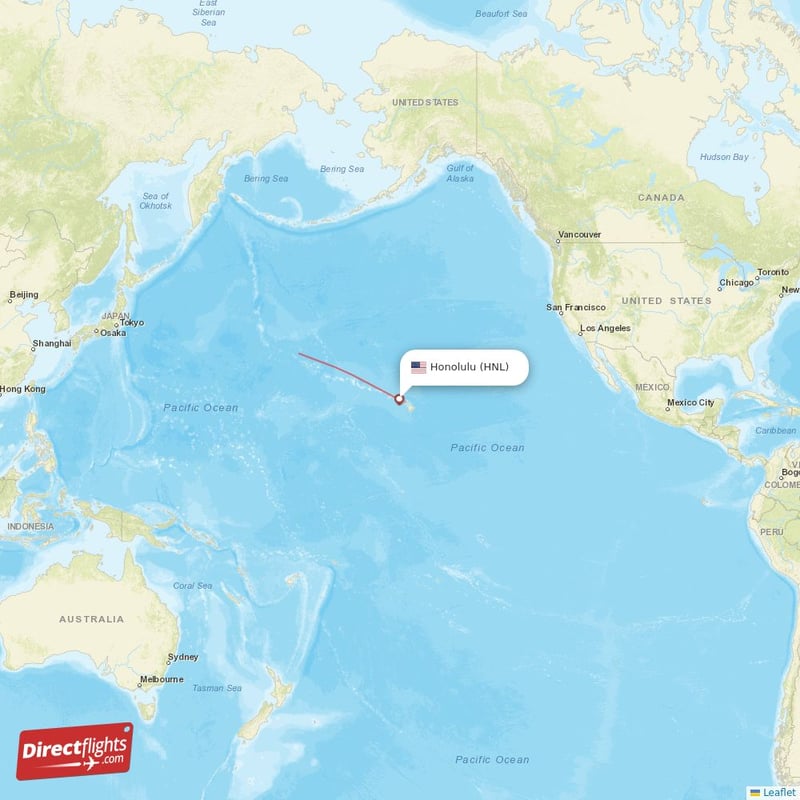
- West Coast Hubs: Cities like Los Angeles, San Francisco, or Seattle are frequent layover points. Flights from Hawaii to these cities typically take around 5 to 6 hours. After a layover of several hours (which can range from 1 to 12 hours or more, depending on the connection), the onward flight to Japan will commence. The flight from the West Coast of the United States to Tokyo is generally longer, around 10 to 12 hours.
- Other International Hubs: Less commonly, layovers might occur in cities like Vancouver in Canada, or even further afield in cities within Asia if the initial flight path deviates significantly.
Total Travel Time with Layovers
The total travel time for a flight with a layover can vary dramatically. It is the sum of:
- The flight time from Hawaii to the layover city.
- The duration of the layover itself.
- The flight time from the layover city to the final destination in Japan.
When all these components are added, a journey with one layover can easily extend to 12 hours to 20 hours or even longer. This extended duration makes planning crucial. Travelers need to consider their comfort levels for prolonged periods of travel, the potential for jet lag, and the necessity of staying entertained and hydrated during these longer journeys.
Booking flights with layovers often requires careful comparison of different itineraries. Websites that compare flight options can be invaluable here, allowing you to see not only the price but also the total travel time and the length of each layover. Some travelers might even choose to strategically book a longer layover in a city of interest, turning their transit into a mini-vacation, allowing them to explore attractions like the Golden Gate Bridge in San Francisco or the Griffith Observatory in Los Angeles before continuing their journey to Japan.
Factors Influencing Flight Duration and Travel Experience
Beyond the direct route versus layover decision, several other factors can influence the actual flight duration and your overall travel experience. Understanding these nuances can help you make more informed choices when booking and better prepare for the journey.
Time of Year and Seasonal Variations
While not as impactful as direct versus layover, the time of year can subtly influence flight times due to weather patterns and seasonal demand. During winter months in the Northern Hemisphere, for example, jet streams can be more active, potentially leading to faster westbound flights. Conversely, summer travel might see slightly more variable conditions. Furthermore, peak travel seasons, such as during the cherry blossom season in Japan or holiday periods, can lead to increased air traffic, potentially affecting flight schedules and gate availability, though this rarely impacts the airborne time itself significantly.
Airline Choice and Aircraft Comfort
Different airlines may operate slightly different routes or utilize aircraft with varying cruising speeds. While the difference might be marginal, it’s worth noting. More importantly, the comfort provided by the airline can significantly impact the perception of flight duration. Airlines known for their excellent service, comfortable seating, and good in-flight entertainment systems can make a long flight feel much shorter and more enjoyable. Consider checking reviews for airlines like Japan Airlines or All Nippon Airways for their long-haul offerings. Choosing an airline that offers amenities such as lie-flat seats in business class or good quality economy seats can transform a long journey into a restful prelude to your adventures in Japan.
Preparation and Managing Expectations
Regardless of the flight duration, proper preparation is key to a positive travel experience. For a flight from Hawaii to Japan:
- Pack Smart: Bring comfortable clothing, entertainment options (books, downloaded movies, podcasts), travel pillows, and any personal items that will make the flight more comfortable. Noise-canceling headphones are a worthwhile investment for long-haul flights.
- Stay Hydrated and Move: Drink plenty of water and try to walk around the cabin periodically to prevent stiffness and reduce the risk of deep vein thrombosis.
- Embrace the Journey: Long flights are an inherent part of trans-Pacific travel. Instead of viewing it as a mere necessity, try to embrace it as part of the adventure. This is your time to disconnect from the world, relax, or catch up on sleep before immersing yourself in the wonders of Japan, whether you’re exploring the historic temples of Kyoto, the bustling streets of Tokyo, or the serene beauty of Mount Fuji.
Ultimately, the question of “How long is the flight from Hawaii to Japan?” is best answered by considering your personal travel preferences and priorities. A direct flight offers efficiency, typically around 8 to 9.5 hours. Flights with layovers can extend this significantly, often to 12-20 hours or more, but may offer cost savings or itinerary flexibility. By understanding the contributing factors and planning accordingly, you can ensure your journey from the aloha spirit of Hawaii to the enchanting traditions of Japan is as smooth and enjoyable as possible.
LifeOutOfTheBox is a participant in the Amazon Services LLC Associates Program, an affiliate advertising program designed to provide a means for sites to earn advertising fees by advertising and linking to Amazon.com. Amazon, the Amazon logo, AmazonSupply, and the AmazonSupply logo are trademarks of Amazon.com, Inc. or its affiliates. As an Amazon Associate we earn affiliate commissions from qualifying purchases.