
In a world increasingly defined by flexibility, remote work, and the allure of diverse travel experiences, the pursuit of a stable, adaptable income stream is paramount for many. For those with a passion for exploration, a desire for a location-independent lifestyle, or simply an interest in a fulfilling side hustle that can fund their adventures, becoming a Texas Notary Public presents a surprisingly versatile opportunity. Far from being a mundane administrative role, a notary commission can be the cornerstone of a lifestyle that seamlessly blends professional responsibility with personal freedom, opening doors to unique travel and business ventures across the vast and vibrant landscape of Texas and beyond. This guide delves into the practical steps of becoming a notary in the Lone Star State, while simultaneously exploring how this credential can empower your travel aspirations, enhance your professional portfolio, and integrate perfectly with a life lived on the go.

The Allure of a Notary Lifestyle for the Modern Explorer
Imagine a career or a robust side income that doesn’t chain you to a single desk, but rather allows you the flexibility to explore, to fund your next trip, or even to offer essential services within the dynamic travel and hospitality sectors. Becoming a Notary Public in Texas aligns perfectly with the ethos of a modern explorer, offering a blend of independence and utility that few other roles can match.
Funding Your Adventures: A Flexible Income Stream
The dream of frequent travel often hinges on one critical factor: financial freedom. Whether you envision luxury travel, extended budget adventures, or simply more frequent weekend getaways, securing a flexible income source is key. A Texas Notary Public commission provides just that. As a notary, you can set your own hours, dictate your service fees within state guidelines, and choose the scope of your work. This flexibility makes it an ideal complement to other remote work, freelance gigs, or even a part-time job. You could dedicate specific hours to notary services before heading out on a trip to Big Bend National Park or use the earnings to book a stay at a charming boutique hotel in Fredericksburg. The income generated from notarizing documents – from real estate transactions to power of attorney forms – can directly contribute to your travel fund, allowing you to explore new destinations, savor local culture, and experience diverse attractions without significant financial strain. This financial autonomy empowers you to design a lifestyle where travel is not a rare indulgence but a regular, integrated part of your existence.
Beyond the Desk: Mobile Notary & Travel Opportunities
The concept of a “mobile notary” takes the flexibility of the role to an entirely new level, directly intertwining it with travel opportunities. A mobile notary travels to clients, meeting them at their homes, offices, hospitals, or even local cafes and hotels. In a state as vast and economically diverse as Texas, the demand for mobile notary services is immense. This model allows you to structure your work around travel plans, transforming client visits into opportunities to explore different parts of a city or even different regions.
Imagine spending a week working as a mobile notary in Austin, offering services to tech startups during the day, and immersing yourself in its vibrant music scene and culinary delights in the evenings. Or consider a stint in Houston, facilitating international business deals and then exploring its world-class museums and diverse food landscape. For those who thrive on movement, a mobile notary business can literally take you places, offering a dynamic way to earn while experiencing the local culture, visiting attractions, and even discovering hidden gems that conventional tourism might miss. This hands-on engagement with various communities also provides a unique lens through which to appreciate the distinct flavors and characteristics of Texas cities, from the historic charm of San Antonio to the coastal allure of Galveston.
Supporting the Travel & Hospitality Industry
The notary profession isn’t just about funding your own travel; it also plays a crucial, albeit often unseen, role in supporting the broader travel and hospitality industry. Think about the myriad documents that require notarization: property deeds for vacation rentals, leases for long-term accommodation, power of attorney forms for travelers abroad, consent forms for minors traveling internationally, and business contracts for hotels and tour operators. As a notary, you can become an invaluable resource for hotels, resorts, travel agencies, and even individual tourists.
Hotels, for instance, frequently require notary services for guests needing to finalize last-minute legal documents or for internal business operations. By offering your services directly to accommodations like the Hyatt Regency Dallas or a local bed-and-breakfast, you not only create a steady client base but also become an integral part of the local tourism ecosystem. This niche allows you to interact with travelers from all walks of life, understand the nuances of the industry, and even secure preferential rates or insights into local attractions. For digital nomads seeking long-term stays or individuals relocating to a new Texas city, a notary can facilitate the necessary paperwork, making the transition smoother. This symbiotic relationship transforms the notary role from a solitary pursuit into one deeply embedded within the bustling world of travel and tourism.
Navigating the Path to Becoming a Texas Notary
Embarking on the journey to become a Texas Notary Public is a straightforward process, designed to ensure integrity and competence without unnecessary hurdles. The state of Texas streamlines the application, making it accessible for individuals keen to leverage this professional credential. Understanding the requirements and procedures is the first step towards unlocking the versatile opportunities this role presents.
Eligibility Requirements: Who Can Apply?
Before you even fill out an application, it’s essential to confirm your eligibility. The state of Texas has clear, concise criteria for Notary Public applicants, ensuring that those entrusted with this public duty meet fundamental standards. To qualify, an individual must:
- Be at least 18 years of age.
- Be a legal resident of Texas. This requirement is particularly pertinent for digital nomads or those considering long-term stays, as it grounds the commission within the state’s jurisdiction.
- Not have been convicted of a felony or a crime involving moral turpitude. This strict guideline underscores the importance of trustworthiness and integrity in the role, as a notary serves as an impartial witness to significant legal acts.
- Not have had a notary commission revoked in Texas during the past 10 years. This prevents individuals who have previously abused the office from simply reapplying.
These foundational requirements ensure that the office of the Notary Public maintains its public trust and legal standing, offering peace of mind to individuals and businesses alike, whether they are signing documents for a new property in Dallas or securing a visa for international travel.
The Application Process: Step-by-Step Guide
Once you’ve confirmed your eligibility, the application process for becoming a Texas Notary Public is structured and manageable. It primarily involves submitting an application to the Texas Secretary of State and securing a surety bond. Here’s a detailed breakdown:
- Complete the Notary Public Application: The official application form can be downloaded directly from the Texas Secretary of State’s website. It requires basic personal information, an affirmation of eligibility, and a sworn statement that you will faithfully perform the duties of a Notary Public.
- Obtain a $10,000 Surety Bond: This is a crucial step. A surety bond is a type of insurance that protects the public from financial harm caused by a notary’s errors or misconduct. In Texas, a $10,000 bond is required for the entire four-year term of your commission. You can typically purchase this bond from an insurance agency or a company specializing in notary supplies. The cost is usually very affordable, often under $100 for the full term. This bond acts as a safeguard, fostering trust in your services, particularly when dealing with high-value transactions common in real estate or business development within dynamic cities like Fort Worth.
- Submit Application and Bond: Once the application is completed and signed, and you have obtained your surety bond, you must mail both documents to the Texas Secretary of State along with the non-refundable application fee. As of current guidelines, this fee is typically $21. It’s always advisable to double-check the exact fee and mailing address on the official Texas Secretary of State website, as these details can occasionally change.
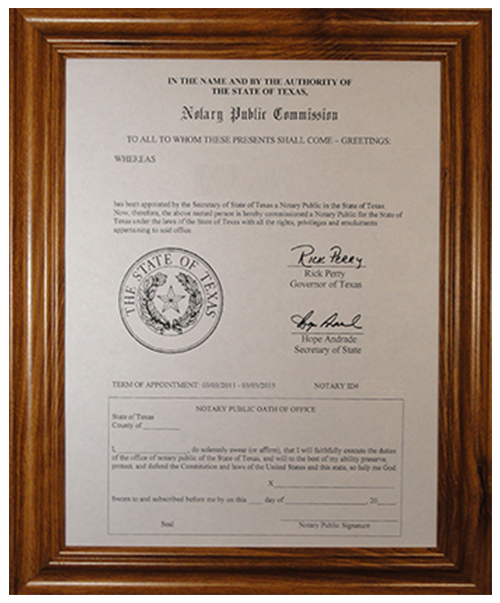
- Receive Your Commission: After processing your application and verifying your bond, the Secretary of State will mail your official Notary Public commission certificate. This usually takes a few weeks. Once you receive it, you are officially authorized to perform notarial acts.
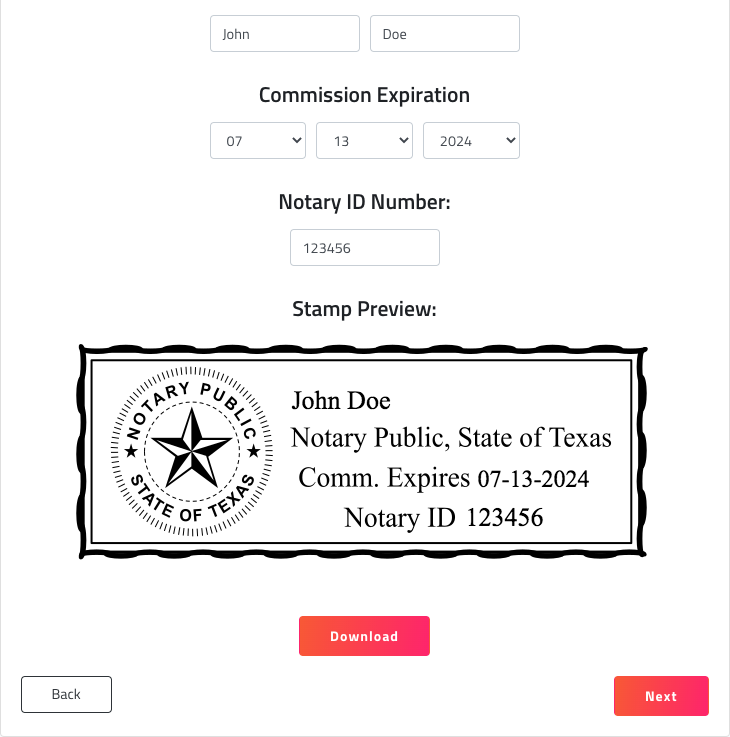
- Acquire Your Notary Seal and Record Book: Although not part of the application process itself, these are essential tools for every Texas Notary Public. A notary seal (either an embosser or an ink stamp) is legally required for all notarial acts. A record book, or journal, is highly recommended by the Secretary of State (and often required by best practices) to meticulously document every notarization, protecting both you and the public. These supplies can be purchased from various online or local notary supply vendors.
Understanding Your Responsibilities: Upholding Integrity
While Texas does not mandate specific training or an exam for notaries, understanding and upholding your responsibilities is paramount. A Notary Public is a public officer, and the integrity of the office hinges on the notary’s diligence, impartiality, and adherence to legal protocols. Key responsibilities include:
- Verifying Identity: This is arguably the most critical duty. You must positively identify the signers of documents using acceptable forms of identification (e.g., driver’s license, passport). This prevents fraud and ensures the legal validity of transactions, from property sales in booming Texas cities to international travel documents.
- Ensuring Willingness: You must verify that signers are acting freely and willingly, without duress or intimidation.
- Witnessing Signatures: For acknowledgments, you confirm that the signer appeared before you and acknowledged their signature. For jurats, the signer must sign in your presence and swear or affirm to the truthfulness of the document.
- Maintaining an Impartial Stance: A notary must never have a direct beneficial interest in the transaction they are notarizing. This impartiality is fundamental to the public trust placed in the office.
- Keeping Accurate Records: While not legally mandated to keep a journal in Texas, it is a best practice that offers vital protection for the notary and evidence of due diligence. Documenting each notarial act, including date, type of act, document title, signer’s name, and identification method, is crucial.
By diligently adhering to these responsibilities, a Texas Notary Public not only protects themselves but also maintains the integrity of countless legal and financial transactions, whether they occur in the bustling financial districts of Dallas or a quiet resort town along the Texas Gulf Coast.
Unlocking the Benefits: Travel, Business & Beyond
A Texas Notary Public commission is more than just a certificate; it’s a versatile tool that can enhance your lifestyle, broaden your professional horizons, and directly support your travel aspirations. Leveraging this credential effectively opens up a myriad of opportunities, from serving diverse clientele to seamlessly integrating work with your wanderlust.
Leveraging Your Notary Commission in Travel Settings
For the avid traveler, the notary commission can be an unexpected ally. Imagine yourself in a different state or even internationally (though your commission is limited to Texas, many documents originate or are destined for other locations), with a client needing a document notarized back home. A mobile notary, equipped to travel, can often bridge these geographical gaps. Within Texas, this means being available at airports for last-minute travel consent forms, at cruise terminals in Galveston for international passenger documents, or at resort properties like the JW Marriott San Antonio Hill Country Resort & Spa for guests completing real estate transactions or important business agreements remotely.
Your services could be invaluable for tourists who unexpectedly need to notarize a power of attorney before embarking on a lengthy international trip, or for temporary residents securing a long-term apartment lease. Offering notary services at popular travel destinations or specific attractions can position you as an indispensable local resource. This niche allows you to interact with a global clientele, understand their unique needs, and offer a service that facilitates their travel plans, all while potentially exploring the very locations they are visiting.
Building a Mobile Notary Business in Texas’s Vibrant Cities
Texas is home to some of the fastest-growing and most dynamic cities in the United States, each offering a unique ecosystem for a mobile notary business.
- In Austin, with its burgeoning tech scene and continuous influx of new residents, there’s a constant demand for notarization of employment contracts, real estate documents, and startup legal agreements. A mobile notary can serve this innovative community, meeting clients at co-working spaces or vibrant downtown areas.
- Dallas and Houston, as major business and financial hubs, offer abundant opportunities in corporate law, international trade, and the massive real estate markets. From notarizing complex merger agreements to witnessing deeds for commercial properties, the scope is vast.
- San Antonio, rich in history and a popular tourist destination, often sees demand related to heritage properties, family trusts, and local business development. Being a mobile notary here allows you to traverse historic districts and modern developments alike.
By focusing on these metropolitan areas, you can strategically build a client base that includes real estate agents, law firms, healthcare facilities, and private individuals. Advertising your services to hotels, short-term rental providers, and event planners can also yield consistent business, as travelers and conference attendees often require urgent notary services away from their home base. The key is to highlight your mobility, convenience, and availability, distinguishing your service from traditional brick-and-mortar notary offices.
Integrating Notary Services with a Digital Nomad Lifestyle
For digital nomads, the challenge is always finding work that can be performed anywhere, or at least in a location-flexible manner. While a Notary Public must physically be present for notarizations, the preparatory and administrative aspects of running a notary business are entirely remote. You can manage your schedule, market your services online, handle invoicing, and communicate with clients from any corner of Texas or even while planning your next long-term stay abroad.
A Texas notary commission can become a reliable anchor of income that supports a digital nomad lifestyle. Imagine spending a few months in Marfa, working as a mobile notary for the local community and remote workers, then transitioning to South Padre Island for another season, continuing to offer your services to beachfront businesses and vacationers. This model allows for sustained travel within Texas, leveraging your notary skills in diverse local economies. It’s about creating a business that is structured around your life, not the other way around, offering the freedom to explore diverse landscapes, experience varied local cultures, and enjoy the true essence of a life out of the box.
Practical Tips for a Successful Notary Journey
Becoming a Texas Notary Public is the first step; building a thriving practice, especially one that supports a travel-friendly lifestyle, requires strategic planning and a proactive approach. From equipping yourself with the right tools to effectively marketing your unique service, these practical tips will help you maximize your commission’s potential.
Essential Tools & Setup for Mobile Notaries
For a mobile notary, efficiency and professionalism are paramount. Your “office” is wherever your client is, so having a compact, organized, and reliable setup is crucial.
- Portable Notary Kit: This should include your official Texas Notary stamp/seal, your notary journal (record book), a variety of pens, and a small stack of business cards. A sturdy, secure bag or briefcase to carry these items is essential for protecting your official documents and tools.
- Reliable Transportation: As a mobile notary, your ability to reach clients promptly is key. Whether it’s a car, public transit, or even a bicycle in densely populated urban areas, ensure you have reliable means to travel to appointments. Factor in travel time and potential traffic, especially in major cities like Houston or Dallas.
- Mobile Connectivity: A smartphone with a reliable data plan is indispensable. You’ll need it for navigation, communicating with clients, accessing digital documents (if applicable), and managing your schedule. Consider a portable scanner/printer for added convenience, allowing you to handle digital documents on the go.
- Professional Appearance: Even if you’re meeting a client at a casual location, maintaining a professional appearance instills confidence. First impressions matter, especially in a role that requires public trust and integrity.
- Secure Storage: When not on assignment, your notary stamp and journal must be kept in a secure location, away from unauthorized access. This is not just a best practice but a legal and ethical imperative to prevent fraudulent use.
By investing in these essential tools, you ensure that you are always prepared, professional, and capable of providing top-tier notary services, whether you’re working from a bustling hotel lobby, a quiet co-working space, or an iconic landmark like The Alamo, just a short drive from your client.
Marketing Your Services to the Travel Community
To truly integrate your notary services with a travel-centric lifestyle, you need to strategically market to the right audience.
- Online Presence: Create a simple website or a dedicated page on a platform like LinkedIn or Google My Business detailing your services, service areas, and contact information. Optimize it with keywords like “mobile notary Austin”, “travel notary Dallas”, or “notary for hotel guests San Antonio”.
- Target Hospitality Businesses: Reach out directly to hotels, resorts, vacation rental agencies, and travel agencies in your desired service areas. Offer to leave business cards at their front desks or reception areas. Many establishments don’t have an in-house notary and would welcome a reliable referral for their guests.
- Network with Related Professionals: Connect with real estate agents, loan officers, attorneys, and tax preparers who often require notarized documents for their clients. These professionals are excellent sources of ongoing referrals, especially for individuals moving into or out of Texas.
- Local Community Engagement: If you’re spending time in a particular community, get involved. Attend local business association meetings, post flyers at community centers, or advertise in local tourism guides. Word-of-mouth is a powerful tool, particularly in tight-knit communities or popular tourist towns like South Padre Island.
- Highlight Your Availability & Mobility: Emphasize that you are a mobile notary and can travel to clients. Many individuals, especially busy travelers or those with limited mobility, will pay a premium for the convenience of having a notary come to them. Clearly state your operating hours, including evenings and weekends, which are often when busy professionals and travelers need services most.
By strategically positioning your Texas Notary Public services, you can cultivate a thriving business that not only provides a stable income but also offers the unparalleled flexibility to chase sunsets, explore historical landmarks like the Texas State Capitol, and truly live a life out of the box, all while providing an essential and valuable service.
Becoming a Texas Notary Public is a tangible step towards securing a flexible income that supports a dynamic, travel-infused lifestyle. It’s an opportunity to transform an administrative role into a vehicle for personal and professional growth, enabling you to explore the diverse landscapes of Texas and beyond, one notarization at a time. With a straightforward application process and a clear path to building a mobile business, the journey to becoming a Texas Notary Public can be the beginning of your most adventurous chapter yet.
LifeOutOfTheBox is a participant in the Amazon Services LLC Associates Program, an affiliate advertising program designed to provide a means for sites to earn advertising fees by advertising and linking to Amazon.com. Amazon, the Amazon logo, AmazonSupply, and the AmazonSupply logo are trademarks of Amazon.com, Inc. or its affiliates. As an Amazon Associate we earn affiliate commissions from qualifying purchases.