
Florida, the “Sunshine State,” is renowned for its pristine beaches, vibrant theme parks, and diverse wildlife. But beyond the buzzing attractions and sun-drenched shores lies a network of protected natural wonders – its National Parks. For travelers seeking to immerse themselves in Florida’s untamed beauty, understanding the number and variety of these national treasures is the first step towards an unforgettable journey. So, how many National Parks in Florida truly exist? The answer might surprise you, as Florida boasts not one, not two, but a significant collection of these federally protected areas, each offering a unique glimpse into the state’s extraordinary natural heritage.
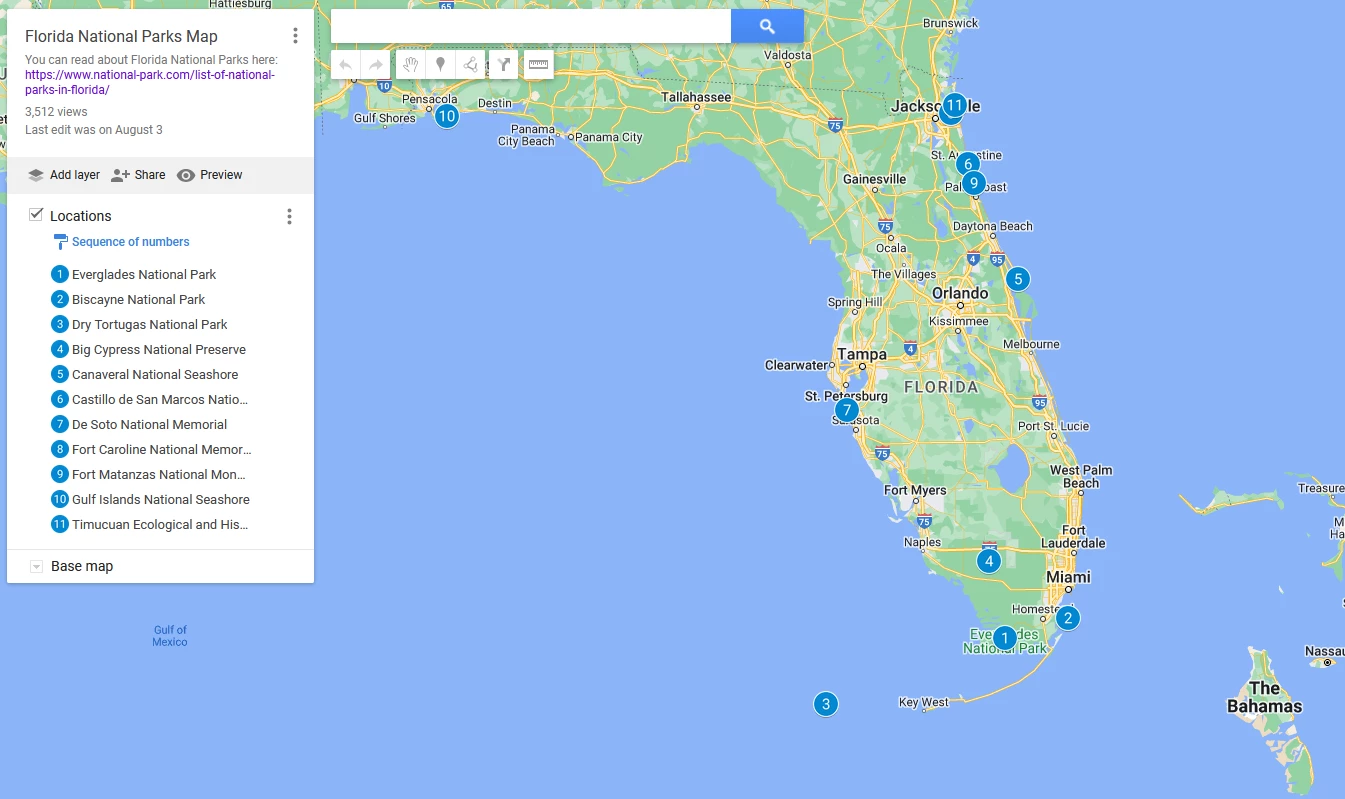
These parks are more than just scenic landscapes; they are vital ecosystems, historical sites, and crucial habitats for endangered species. They offer a refuge for both wildlife and weary travelers, providing opportunities for adventure, education, and profound connection with nature. From the unique Everglades to the submerged wonders of the Florida Keys, the state’s national parks are testaments to its rich biodiversity and captivating history. Exploring them allows for an authentic Florida experience, far removed from the usual tourist trails, offering a deeper appreciation for the state’s ecological significance and cultural tapestry.
Florida’s National Park Roster: A Comprehensive Look
Florida’s designation of National Parks is a testament to its ecological and historical importance on a national scale. These areas are managed by the National Park Service, an agency of the Department of the Interior, dedicated to preserving natural and cultural resources for the enjoyment, education, and inspiration of this and future generations. When we talk about “National Parks” in the strictest sense, Florida is home to three such designated areas. However, the umbrella of the National Park Service extends to include other units like National Preserves, National Monuments, National Seashores, and National Historic Sites, all of which contribute to the rich tapestry of protected lands within the state. To truly answer “How many National Parks In Florida?” with nuance, we must consider these broader categories.
The Three Crown Jewels: Designated National Parks
The three federally designated National Parks in Florida are iconic and represent distinct, vital ecosystems. Each offers a unique set of experiences, from vast wetlands to coral reefs.
1. Everglades National Park
Often referred to as the “River of Grass,” Everglades National Park is the most famous and largest of Florida’s National Parks. Spanning over 1.5 million acres in the southern part of the state, this UNESCO World Heritage Site is a subtropical wilderness unlike any other in North America. Its shallow, slow-moving water, interspersed with sawgrass prairies, cypress swamps, mangrove forests, and pinelands, creates a complex mosaic of habitats.
- Wildlife Spectacle: The Everglades is a sanctuary for an astonishing array of wildlife, including the endangered American alligator, American crocodile, Florida panther, West Indian manatee, and numerous bird species. Birdwatching is a prime activity, with opportunities to spot wading birds like great egrets, roseate spoonbills, and wood storks.
- Activities and Exploration: Visitors can explore the park through various means:
- Airboat Tours: A quintessential Everglades experience, offering a thrilling way to traverse the wetlands and spot wildlife. Many tours depart from gateways to the park, like those near Miami and Fort Lauderdale.
- Canoeing and Kayaking: Paddle through mangrove tunnels and open water for a more intimate encounter with the ecosystem.
- Hiking and Biking: Well-maintained trails, such as the Anhinga Trail and Gumbo Limbo Trail, provide accessible opportunities to witness the park’s beauty.
- Ranger Programs: Educational talks and guided walks led by park rangers offer deep insights into the park’s ecology and conservation efforts.
- Conservation Efforts: Everglades National Park plays a critical role in water management and the restoration of the Greater Everglades Ecosystem. Its preservation is crucial for the health of South Florida’s water supply and the biodiversity of the region.
2. Biscayne National Park
Just southeast of Miami, Biscayne National Park protects the northernmost segment of the Florida Keys and the offshore coral reef tract. This park is unique in that approximately 95% of its area is water, encompassing mangrove shorelines, Biscayne Bay, and the vibrant underwater world of the coral reefs.
- Marine Wonderland: The park safeguards a critical portion of the Florida Reef Tract, the only barrier reef in the continental United States. This underwater ecosystem teems with life, including colorful coral formations, diverse fish species, sea turtles, and manatees.
- Activities for Water Enthusiasts:
- Snorkeling and Diving: Exploring the coral reefs is the primary draw. Dive sites like the wrecks of the Mandalay and the Arbutus offer historical and marine exploration.
- Boating and Sailing: Numerous islands and bays within the park are accessible by boat, offering opportunities for exploration, fishing, and picnicking on secluded beaches.
- Glass-Bottom Boat Tours: For those who prefer to stay dry, these tours provide excellent views of the underwater world.
- Island Exploration: Boca Chita Key and Elliot Key are the only developed islands, offering camping facilities, picnic areas, and historical structures like the Boca Chita Lighthouse.
- Coastal Habitats: The park also preserves vital mangrove shorelines, which serve as nurseries for marine life and protect the coast from erosion.
3. Dry Tortugas National Park
Located about 70 miles west of Key West, Dry Tortugas National Park is an isolated paradise accessible only by boat or seaplane. This park is renowned for its pristine natural beauty, abundant marine life, and historical significance, particularly Fort Jefferson.
- Fort Jefferson: A Historic Marvel: The centerpiece of the park is the massive Fort Jefferson, a 19th-century coastal fortress that is the largest brick masonry structure in the Americas. This impressive fort was built to protect the nation’s shipping interests in the Gulf of Mexico.
- Exceptional Marine Environment: The waters surrounding the seven islands of the Dry Tortugas are crystal clear, offering unparalleled opportunities for snorkeling and diving. The park is home to diverse coral reefs, seagrass beds, and a vibrant array of marine species.
- Unique Visitor Experience:
- Snorkeling: The shallow waters around Garden Key are ideal for snorkeling, with easy access to see coral and fish.
- Camping: Limited camping is available on Garden Key, offering an immersive, off-the-grid experience under a canopy of stars.
- Wildlife Viewing: The islands are a critical stopover for migratory birds, and the surrounding waters are rich with sea turtles and dolphins.
- Accessibility Challenges: Due to its remote location, reaching Dry Tortugas National Park requires planning. Visitors typically travel via ferry or seaplane from Key West.
Beyond the “National Park” Designation: Other NPS Units in Florida
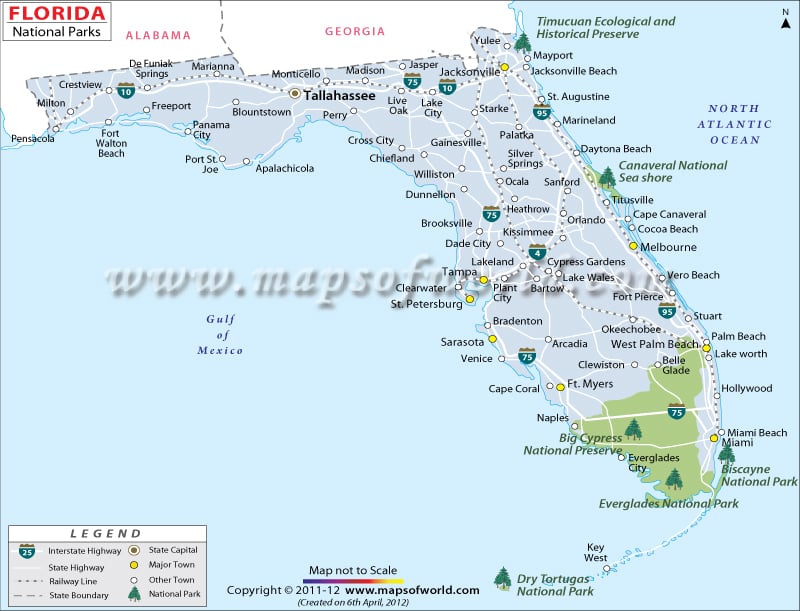
While the three aforementioned sites hold the official “National Park” title, the National Park Service manages numerous other significant sites in Florida that are equally important for conservation and public enjoyment. These include National Preserves, National Monuments, National Seashores, and National Marine Sanctuaries.

National Preserves: Vast Wilderness Areas
National Preserves are areas designated for the protection of natural resources and the continuation of traditional human activities, such as hunting and fishing, when compatible with conservation.
- Big Cypress National Preserve: Adjacent to Everglades National Park, this preserve is a sprawling wetland ecosystem crucial for the Everglades’ water supply. It offers opportunities for hiking, camping, and exploring the unique cypress strands and marshes. The preserve also plays a vital role in protecting the habitat of the Florida panther.
- Timucuan Ecological and Historic Preserve: Located near Jacksonville, this preserve protects a unique mosaic of estuarine and coastal habitats. It encompasses significant historical sites, including the ruins of Fort Caroline and the Native American Timucua village site, offering a blend of natural and cultural exploration.
National Monuments and Historic Sites: Preserving Specific Treasures
Florida’s National Monuments and Historic Sites protect specific natural features, cultural landscapes, or historical events.
- Canaveral National Seashore: This pristine stretch of coastline north of Cape Canaveral is one of the longest undeveloped coastlines on the Atlantic. It’s vital for sea turtle nesting and bird migration, offering opportunities for beachcombing, fishing, and wildlife viewing. Its proximity to the Kennedy Space Center Visitor Complex makes it a unique combination of natural beauty and technological marvel.
- Fort Matanzas National Monument: Situated south of St. Augustine, this monument preserves the well-preserved 18th-century Spanish fort, Fort Matanzas, which played a role in protecting the approach to the St. Augustine inlet. Visitors can take a ferry to the island and explore the fort.
- Castillo de San Marcos National Monument: Located in St. Augustine, this is the oldest masonry fort in the continental United States. It stands as a powerful symbol of Spanish colonial history and offers a glimpse into early American defense.
- De Soto National Memorial: In Bradenton, this memorial commemorates the 16th-century expedition of Spanish explorer Hernando de Soto. It features a living history exhibit and a replica of de Soto’s encampment.
National Marine Sanctuaries: Protecting Underwater Realms
While not strictly designated “National Parks,” the marine sanctuaries are managed under federal protection and are vital for conserving Florida’s incredible underwater landscapes.
- Florida Keys National Marine Sanctuary: This sanctuary surrounds the entire Florida Keys archipelago, protecting over 3,600 square miles of coral reefs, seagrass beds, mangrove shorelines, and the waters of Dry Tortugas National Park and Biscayne National Park. It is a crucial area for marine research, conservation, and responsible tourism.
Planning Your National Park Adventure in Florida
For travelers inspired by the question, “How Many National Parks In Florida?” and eager to explore these natural wonders, careful planning is key. Each park offers a distinct experience, catering to different interests and levels of adventure.
Choosing Your Destination
- For the Ultimate Wilderness Experience: Everglades National Park is unparalleled for its vastness and biodiversity.
- For Underwater Exploration and Island Escapes: Biscayne National Park and Dry Tortugas National Park are ideal for snorkeling, diving, and enjoying the coastal islands.
- For a Blend of Nature and History: The Timucuan Ecological and Historic Preserve, Fort Matanzas National Monument, and Castillo de San Marcos National Monument offer rich historical context alongside natural beauty.
- For Pristine Beaches and Wildlife: Canaveral National Seashore provides a tranquil coastal retreat.
Accommodation Options
While camping is available within some parks like Everglades and Dry Tortugas, many visitors opt for accommodations in nearby towns and cities.
- Gateway Cities: Miami, Key West, St. Augustine, and Jacksonville offer a wide range of hotels, resorts, and vacation rentals to suit every budget and preference. From luxury suites to budget-friendly apartments, these cities provide convenient bases for exploring the parks.
- Unique Stays: Consider boutique hotels in historic districts like St. Augustine, or waterfront villas in the Florida Keys for a truly memorable stay.
Practical Tips for Your Visit
- Best Time to Visit: The dry season (December to April) is generally the most pleasant time to visit Florida’s national parks, with fewer mosquitoes and milder temperatures. However, each park may have peak seasons based on specific wildlife viewing or activities.
- Park Passes: Consider purchasing an America the Beautiful Pass if you plan to visit multiple National Park Service sites within a year.
- Book in Advance: For popular parks like Dry Tortugas, booking ferry tickets or campsite reservations well in advance is essential.
- Pack Appropriately: Sunscreen, insect repellent, plenty of water, comfortable walking shoes, and rain gear are essential for exploring Florida’s diverse environments.
In conclusion, while Florida officially has three designated National Parks, its rich tapestry of protected lands managed by the National Park Service offers an abundance of opportunities for nature lovers and adventurers. From the sprawling wetlands of the Everglades to the underwater marvels of the Florida Keys, Florida’s national park system provides an invaluable resource for understanding and experiencing the state’s unique natural and historical heritage.
LifeOutOfTheBox is a participant in the Amazon Services LLC Associates Program, an affiliate advertising program designed to provide a means for sites to earn advertising fees by advertising and linking to Amazon.com. Amazon, the Amazon logo, AmazonSupply, and the AmazonSupply logo are trademarks of Amazon.com, Inc. or its affiliates. As an Amazon Associate we earn affiliate commissions from qualifying purchases.