
Embarking on a journey from the vibrant East Coast to the sun-kissed West Coast of the United States is a quintessential American travel experience. Whether you’re relocating, visiting family, or simply exploring new destinations, understanding the duration and nuances of a flight from New York to California is crucial for meticulous planning. This transcontinental journey spans thousands of miles, crossing multiple time zones and offering a stark contrast in landscapes and cultures between the bustling metropolis of New York City and the diverse regions of the Golden State.
The core question for many travelers is straightforward: how long will I actually be in the air? While a precise minute-by-minute answer can vary, there’s a general range you can expect, influenced by several factors that we’ll delve into. From the specific airports you choose to the airline you fly with and even the prevailing weather conditions, each element plays a role in determining your total travel time. Preparing for such a journey also involves considering aspects beyond just the flight itself, including navigating airports, managing layovers, and adapting to new time zones. Let’s break down everything you need to know to make your New York to California flight as smooth and enjoyable as possible.
Understanding Average Flight Durations
The flight path from the East Coast to the West Coast covers roughly 2,500 to 3,000 miles, making it one of the longest domestic routes within the United States. This significant distance naturally translates into a considerable amount of time spent in the air. For most travelers, the primary concern is the duration of a direct, non-stop flight, which offers the most efficient way to traverse the country. However, many choose or end up with connecting flights, which inherently extend the overall travel time.
Direct Flights: Coast-to-Coast Efficiency
For those prioritizing speed and convenience, direct flights are the preferred option. A non-stop flight from a major New York area airport to a prominent California hub typically ranges from approximately 5 hours and 30 minutes to 6 hours and 30 minutes. This timeframe accounts for the actual airborne travel from one destination to the other, excluding boarding, taxiing, and deplaning procedures.
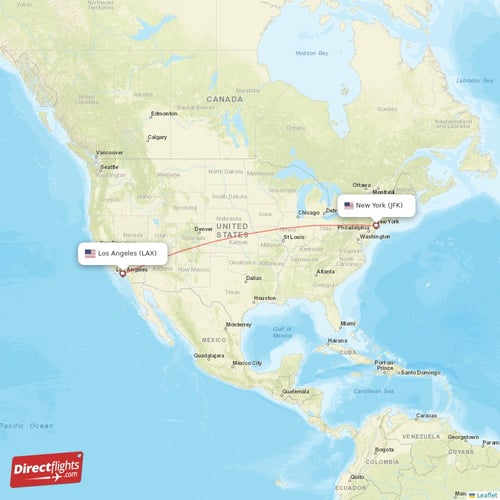
For example, a direct flight from John F. Kennedy International Airport (JFK) or Newark Liberty International Airport (EWR) to Los Angeles International Airport (LAX) or San Francisco International Airport (SFO) will generally fall within this range. The slight variations often depend on the specific departure and arrival airports, the aircraft type, and current atmospheric conditions. Flying eastbound (from California to New York) can sometimes be marginally shorter due to prevailing tailwinds, often shaving off 15-30 minutes, bringing the flight time closer to the 5-hour mark. However, for a westbound journey, passengers should mentally prepare for the upper end of the 5.5 to 6.5-hour range.
The Impact of Connecting Flights
While direct flights are ideal, they aren’t always available, or they may be significantly more expensive. Connecting flights, which involve one or more layovers, are a common alternative. The total travel time for a connecting flight can vary wildly, extending your journey significantly.
Typically, a connecting flight from New York to California will take anywhere from 8 to 12 hours or even more, depending on the length and number of your layovers. A standard layover can be anywhere from 1.5 to 3 hours, but some itineraries might include longer stops, perhaps 4-6 hours, especially if they are designed to offer more budget-friendly fares. Major layover hubs for this route often include cities like Chicago, Dallas, Denver, Phoenix, or Las Vegas.
When planning for a connecting flight, it’s essential to consider the entire journey from your origin to your final destination, not just the individual flight segments. Factor in the time spent deplaning, navigating the airport, potentially changing terminals, and re-boarding. While connecting flights might save you money, they demand more of your time and patience. For travelers with tight schedules or those traveling with children, the added complexity and duration of connecting flights can be a significant drawback. However, for those looking to explore an additional city briefly or who are budget-conscious, a connecting flight can be a perfectly viable option. Some travelers even intentionally plan longer layovers in cities like Denver or Dallas to grab a meal or stretch their legs outside the airport, turning a simple connection into a mini-adventure.
Key Factors Influencing Your Flight Time
Beyond the basic distinction between direct and connecting flights, several other elements can subtly, or sometimes significantly, alter the actual time you spend traveling from New York to California. Understanding these variables can help you better anticipate your journey and select the best flight options for your needs.
The Role of Airlines and Aircraft
Different airlines operate various types of aircraft, which can have an impact on flight duration. While the difference might not be dramatic, it can be noticeable. Modern, more efficient aircraft tend to have slightly faster cruising speeds and can potentially shave a few minutes off a long flight. For instance, an Airbus A321neo might complete the journey marginally quicker than an older Boeing 737, though both are common on transcontinental routes. Airlines like Delta Air Lines, United Airlines, and American Airlines are major carriers on this route, each utilizing a fleet that optimizes for fuel efficiency and passenger comfort.
Furthermore, airline scheduling practices can influence advertised flight times. Some airlines might pad their schedules slightly to account for potential delays, ensuring a higher on-time arrival rate. This means a flight scheduled for 6 hours might, in perfect conditions, arrive in 5 hours and 45 minutes. Conversely, other airlines might list a tighter schedule, which, while appearing faster, leaves less room for unexpected issues. When booking, consider reading reviews or checking historical on-time performance for specific routes and carriers.

Wind, Weather, and Air Traffic Control
Nature and logistics play a substantial role in flight durations.
- Jet Stream and Winds: One of the most significant natural factors is the jet stream, a band of strong westerly winds at high altitudes. When flying eastward (from California to New York), aircraft often catch the jet stream, providing a powerful tailwind that significantly boosts ground speed and shortens the flight. This is why eastbound flights can sometimes be 30-45 minutes shorter than their westbound counterparts. Conversely, flying westward (from New York to California) means flying against these prevailing winds, acting as a headwind that can extend flight times.
- Weather Conditions: Severe weather at either departure or arrival airports, or along the flight path, can lead to delays or reroutes. Thunderstorms, heavy snow, or dense fog can necessitate holding patterns, slower approaches, or even diversions, adding minutes or even hours to your journey. While most flights account for typical weather patterns, extreme events are unpredictable.
- Air Traffic Control (ATC): The skies over major metropolitan areas like New York and California are among the busiest in the world. Air Traffic Control plays a crucial role in managing this traffic, ensuring safety and efficiency. However, congestion, unexpected events, or even military airspace restrictions can lead to ground delays (waiting for a takeoff slot) or airborne holding patterns, extending the overall travel time. Major airports like JFK and LAX are particularly susceptible to these kinds of delays due to their sheer volume of operations.
Departure and Arrival Airports: A Closer Look
The choice of specific airports in both New York and California can influence your flight duration and overall travel experience.
In the New York metropolitan area, the primary airports are:
- John F. Kennedy International Airport (JFK): Located in Queens, JFK is a major international hub with extensive domestic routes, including many direct flights to California.
- Newark Liberty International Airport (EWR): Situated in Newark, New Jersey, EWR serves the New York City area and is another key departure point for California flights, often with competitive pricing.
- LaGuardia Airport (LGA): Also in Queens, LGA primarily handles domestic flights. While it offers flights to California, direct options may be fewer compared to JFK or EWR, and its recent renovations have sometimes impacted operations, though vastly improved.
On the California side, major arrival airports include:
- Los Angeles International Airport (LAX): The largest and busiest airport in California, LAX is a primary destination with numerous direct flights from New York. Flights to LAX are often the benchmark for NYC to California flight times.
- San Francisco International Airport (SFO): Serving the San Francisco Bay Area, SFO is another popular hub with many direct services from the East Coast.
- San Diego International Airport (SAN): For travelers heading to Southern California beyond LA, SAN offers direct flights, though potentially fewer than LAX or SFO.
- Other California airports: Oakland International Airport (OAK) and San Jose International Airport (SJC) in the Bay Area, and John Wayne Airport (SNA) in Orange County, also offer flights from New York, sometimes requiring connections or offering less frequent direct options.
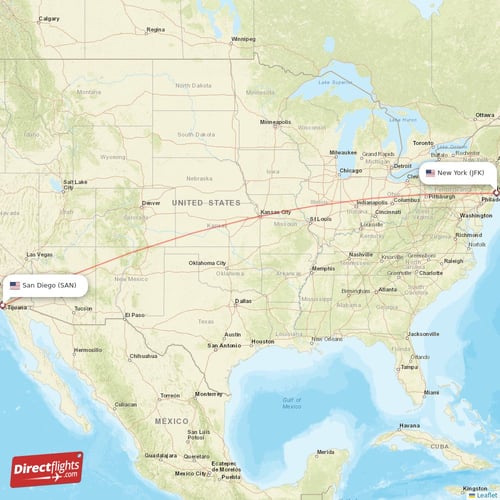
The distance and airspace congestion for each specific route will slightly alter the flight time. For instance, New York to San Diego might be a few minutes longer than New York to Los Angeles due to the additional southern trajectory.
Preparing for Your Transcontinental Journey
A flight spanning the breadth of the United States is more than just a means of transport; it’s an experience in itself. Preparing adequately can significantly enhance your comfort and minimize potential stressors. Considering this journey as part of a broader travel experience, encompassing everything from booking accommodation to exploring local culture, is key to a fulfilling trip.
Maximizing Comfort on Long Flights
Spending 5-7 hours or even longer in an airplane cabin requires some strategic planning to ensure comfort.
- Seat Selection: If budget allows, consider upgrading to an economy plus or premium economy seat for extra legroom. Otherwise, aim for an aisle seat to allow for easy movement and stretching, or a window seat if you enjoy the view and prefer to lean against the wall. Many airlines, like JetBlue or Alaska Airlines, are known for their slightly more generous economy pitch, which can make a difference.
- Essentials Kit: Pack a small bag with noise-canceling headphones, an eye mask, a neck pillow, a travel blanket or large scarf, hand sanitizer, lip balm, and any necessary medications. Don’t forget a portable charger for your devices.
- Hydration and Snacks: Airplane cabins are notoriously dry. Drink plenty of water before and during your flight to stay hydrated. Pack healthy snacks to avoid reliance on airline food, especially if you have dietary restrictions or preferences.
- Movement: Get up and walk around the cabin periodically, or at least stretch in your seat, to promote circulation and prevent stiffness. Consider compression socks for long flights.
- Entertainment: Load up your tablet or smartphone with movies, TV shows, podcasts, audiobooks, or e-books. While most transcontinental flights offer in-flight entertainment, having your own backup is always a good idea.
For those planning a luxury travel experience, opting for first class or business class on a route like New York to California elevates comfort significantly with lie-flat seats, gourmet meals, and dedicated service, turning the journey into an enjoyable part of the vacation. Even for budget travel, smart packing and preparation can make a world of difference.
Time Zone Changes and Jet Lag
Traveling from New York (Eastern Time Zone, ET) to California (Pacific Time Zone, PT) involves crossing three time zones, resulting in a 3-hour time difference. This means if you depart New York at 9:00 AM ET, and your flight is 6 hours, you will arrive at 3:00 PM ET, which is 12:00 PM PT. While this seems like you gain time, your body clock will still be on New York time, making the late afternoon feel like evening.
Managing jet lag is crucial for enjoying your destination from the moment you arrive.
- Adjust Before You Go: A few days before your trip, try to shift your sleep schedule gradually towards your destination’s time zone.
- Hydrate and Avoid Alcohol/Caffeine: These can exacerbate jet lag symptoms.
- Adjust Immediately: Once you arrive, try to adapt to the local time as quickly as possible. If it’s daytime, expose yourself to sunlight and try to stay awake until a reasonable local bedtime. If it’s evening, try to sleep, even if you don’t feel tired.
- Light Exposure: Utilize natural light to regulate your circadian rhythm. Sunlight helps suppress melatonin production, keeping you awake, while darkness promotes it, helping you sleep.
Exploring New York and California: What Awaits
The journey from New York to California isn’t just about the flight duration; it’s about the incredible destinations at either end. Both states offer a wealth of attractions, activities, and experiences that cater to every type of traveler.
Upon arrival in California, whether it’s Los Angeles, San Francisco, or San Diego, a world of tourism awaits. In Los Angeles, you can explore the glitz and glamour of Hollywood, stroll along the Santa Monica Pier, or visit world-class museums like The Getty Center. For family trips, Disneyland Resort in Anaheim is an iconic landmark. San Francisco beckons with its iconic Golden Gate Bridge, the historic island of Alcatraz, and vibrant neighborhoods like Chinatown. San Diego offers beautiful beaches, the San Diego Zoo, and the charming Gaslamp Quarter.
Before your departure from New York, you might have had the chance to immerse yourself in the city’s unparalleled attractions. New York City boasts the towering Empire State Building, the cultural hub of Broadway, the serene Central Park, and the patriotic Statue of Liberty. Each visit, whether for business stays or leisure, offers new experiences and flavors of its unique local culture and food. Planning your arrival and departure logistics, including ground transport to and from airports, is crucial for both ends of your journey. Many travelers opt for ride-shares, taxis, or public transport like the AirTrain and subway in New York, or FlyAway bus and light rail in California cities.
When it comes to accommodation in either state, the options are endless. From luxurious hotels and resorts in Manhattan or Beverly Hills to charming boutique apartments and villas for long-term stays, booking platforms offer extensive choices. Reading reviews and comparison sites can help you find the perfect place with the right amenities for your lifestyle and budget.
Making the Most of Your New York to California Travel Experience
The journey from New York to California is a quintessential American adventure, rich in diverse landscapes and cultures. While the flight duration is a significant planning factor, remember that it’s just one component of a larger, exciting travel experience. By choosing your flight wisely, preparing for comfort, and understanding the logistics of time zone changes, you can ensure a smooth and enjoyable transcontinental passage.
Whether your primary goal is to relax on the beaches of Malibu, hike the trails of Yosemite National Park, or immerse yourself in the vibrant arts scene of New York City before you depart, planning is key. Consider leveraging online guides and travel tips to optimize your itinerary, explore attractions, and find the best deals on flights and accommodation. The average flight time of 5.5 to 6.5 hours for direct flights, or 8 to 12+ hours for connecting ones, provides a solid framework for your schedule. Embrace the journey, prepare thoroughly, and get ready to experience the incredible diversity that the United States has to offer, from the East Coast’s iconic skyline to the West Coast’s golden horizons.
LifeOutOfTheBox is a participant in the Amazon Services LLC Associates Program, an affiliate advertising program designed to provide a means for sites to earn advertising fees by advertising and linking to Amazon.com. Amazon, the Amazon logo, AmazonSupply, and the AmazonSupply logo are trademarks of Amazon.com, Inc. or its affiliates. As an Amazon Associate we earn affiliate commissions from qualifying purchases.