
The allure of Los Angeles is undeniable. From the glitz and glamour of Hollywood to the sun-drenched shores of Santa Monica, the City of Angels beckons travelers with a diverse array of attractions and experiences. For many, the journey to this iconic West Coast metropolis begins with a significant flight, and understanding the duration of this travel is crucial for planning. This comprehensive guide delves into the factors influencing flight times to Los Angeles, offering insights for travelers departing from various global hubs.
Decoding Flight Duration to Los Angeles
The length of a flight to Los Angeles is not a static figure; it’s a dynamic calculation influenced by a multitude of variables. While a direct flight from a major East Coast city might seem straightforward, even these can see variations. Understanding these components empowers you to better estimate your travel time and manage expectations.
Direct vs. Connecting Flights
The most significant determinant of flight duration is whether your journey involves direct flights or layovers.
Direct Flights: The Swift Passage
Direct flights, as the name suggests, offer the most efficient route to Los Angeles. They bypass the need to disembark and re-board, significantly reducing overall travel time. For travelers originating from North America, direct flights are commonly available from major cities such as New York City, Chicago, Toronto, and Vancouver.
- From the U.S. East Coast: Flights from cities like New York, Miami, or Boston typically range from 5 to 6.5 hours. These flights traverse the width of the continental United States.
- From the U.S. West Coast: For those on the immediate West Coast, such as in San Francisco or Seattle, flight times can be as short as 1.5 to 3 hours.
- From Canada: Flights from Toronto generally take around 5 to 5.5 hours, while those from Vancouver are considerably shorter, around 2 to 2.5 hours.
Connecting Flights: The Extended Journey
Connecting flights, while often more budget-friendly, invariably extend the total travel time. The duration of a connecting flight depends on the number of layovers, the duration of each layover, and the location of the connecting airport.
- Layover Duration: A short layover might add an hour or two to your journey, whereas a longer layover can add many hours, or even necessitate an overnight stay.
- Connecting Airports: The distance and routing of the connecting flights play a significant role. For example, a layover in Denver will add less time than a layover in Atlanta for a passenger coming from the East Coast.
- Total Travel Time: Connecting flights can range from 7 hours to upwards of 15-20 hours or more, depending on the specific itinerary. This includes the flight segments and the time spent on the ground during layovers.
Geographical Origin: The Great Divide
The geographical distance from your point of departure to Los Angeles is the fundamental factor in determining flight duration.
North America: The Closest Neighbors
As discussed, North American flights are the shortest. The vast network of routes between cities within the United States, Canada, and Mexico, and Los Angeles makes direct flights the norm for many.
Europe: The Transatlantic Trek
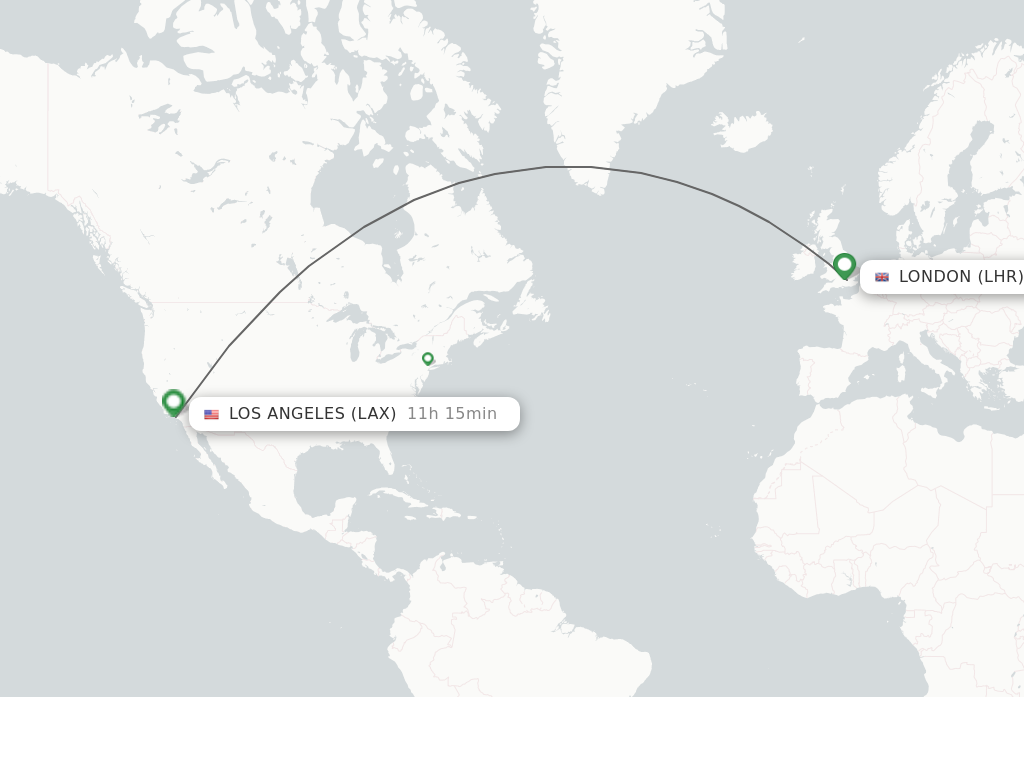
Flights from Europe to Los Angeles are a significant undertaking. Direct flights are available from major European hubs like London, Paris, Frankfurt, and Amsterdam.
- From Western Europe: Direct flights typically range from 10 to 12 hours. This is a substantial journey across the Atlantic and the North American continent.
- From Eastern Europe: Flights from cities further east, such as Moscow or Istanbul, will generally be longer, often involving a layover in a Western European city before the transcontinental flight. The total duration can easily reach 13 to 16 hours or more.
Asia: The Pacific Crossing
Journeying to Los Angeles from Asia involves crossing the vast Pacific Ocean.
- From East Asia: Direct flights from cities like Tokyo, Seoul, and Shanghai typically range from 9 to 11 hours.
- From Southeast Asia: Flights from cities like Bangkok or Singapore are longer, often falling in the 12 to 15-hour range for direct flights.
- From South Asia: Flights from countries like India will almost always involve at least one layover, often in the Middle East or Europe, making the total travel time 18 to 24 hours or more.
Australia and New Zealand: The Long Haul Down Under
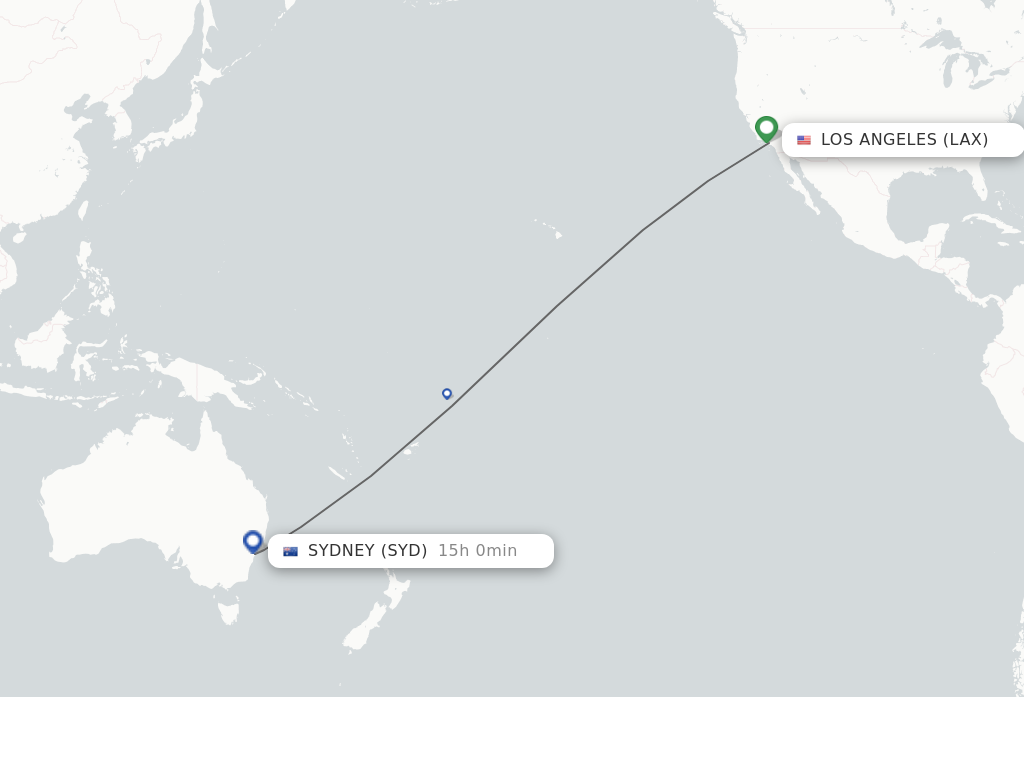
Traveling from Australia or New Zealand to Los Angeles is one of the longest direct routes.
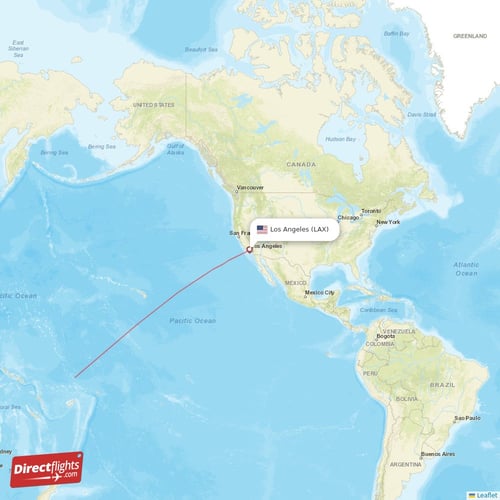
- From Sydney/Melbourne: Direct flights typically take around 13 to 14 hours.
- From Auckland: Flights are slightly shorter, around 11 to 12 hours.
South America: The Southern Hemisphere Traverse
Flights from South America to Los Angeles often involve layovers, as direct routes are less common.
- From major hubs like São Paulo or Buenos Aires: Flights, including layovers, can range from 12 to 20 hours, depending on the connecting city and the efficiency of the itinerary.
Africa: The Extensive Excursion
Flights from Africa to Los Angeles are among the longest possible journeys. Direct flights are exceptionally rare.
- From North Africa: Flights might involve a layover in Europe, resulting in a total travel time of 14 to 18 hours.
- From Sub-Saharan Africa: The journey will almost invariably include multiple layovers, often in Europe or the Middle East, pushing the total travel time to 20 hours and beyond.
Aviation Factors: The Unseen Influences
Beyond geography and flight paths, several technical and environmental factors can subtly impact flight durations.
Jet Streams: The Sky’s Rivers
Jet streams are fast-flowing, narrow air currents in the atmosphere. Flying with a jet stream behind you (a tailwind) can significantly shorten flight times, while flying against one (a headwind) will increase them. This is particularly noticeable on long-haul flights, especially those traveling east to west.
Aircraft Type and Speed: The Machine’s Pace
While most commercial airliners fly within a similar speed range, the specific aircraft model and its cruising speed can contribute minor variations. Newer, more efficient aircraft might offer slightly quicker flight times.
Air Traffic Control and Airport Congestion: The Ground Game
Delays can occur due to air traffic control patterns, particularly around busy airspace like that of Los Angeles International Airport (LAX). Congestion on the tarmac or at gates can also add to the overall travel time, even after the aircraft has landed.
Weather Conditions: The Atmospheric Wildcard
Severe weather, such as storms or high winds, can necessitate rerouting or slower flight speeds, impacting arrival times. While less common for major deviations on a single flight, persistent weather patterns can lead to systemic delays.
Maximizing Your Flight Experience to Los Angeles
Understanding flight durations is the first step; optimizing your travel experience is the next. Whether you’re enduring a long-haul journey or a shorter hop, preparation can make a significant difference.
Preparing for Your Flight
Booking Smart
- Direct Flights First: Prioritize direct flights for shorter travel times. Use flight comparison websites to filter for non-stop options.
- Layover Strategy: If choosing a connecting flight, opt for layovers in airports known for efficient transfers and ample amenities. Consider the time difference between your arrival and departure gates.
- Airline Choice: Some airlines are known for better in-flight service, entertainment, and seating comfort, which can make a long flight more bearable. Research reviews and choose based on your priorities.
Packing Essentials
- Comfortable Attire: Dress in layers and choose loose-fitting clothing made from breathable fabrics.
- In-Flight Entertainment: Load up your devices with movies, music, podcasts, and books. Consider noise-canceling headphones.
- Travel Pillow and Blanket: These can significantly improve sleep quality on overnight or long flights.
- Hygiene Kit: Include essentials like a toothbrush, toothpaste, face wipes, and hand sanitizer.
- Snacks and Water Bottle: While airlines provide refreshments, having your own can be a lifesaver, especially on longer journeys or if you have dietary restrictions.
During the Flight
Managing Time Zones and Jet Lag
- Adjust Your Watch: As soon as you board, set your watch to Los Angeles time.
- Stay Hydrated: Drink plenty of water and limit alcohol and caffeine, which can dehydrate you and disrupt sleep.
- Move Around: Get up and walk the aisles periodically to prevent stiffness and improve circulation. Perform simple in-seat exercises.
- Sleep Strategically: Try to sleep during the local night in Los Angeles. Utilize eye masks and earplugs to create a sleep-conducive environment.
- Embrace Daylight: Upon arrival, expose yourself to natural light to help reset your body clock.
Staying Connected and Entertained
Most modern aircraft offer Wi-Fi, though it can be expensive and spotty. It’s often best to download content beforehand. Take advantage of in-flight entertainment systems for movies, TV shows, and music. Engaging in activities like reading, journaling, or learning a new language can also make the time fly by.
Arrival at Los Angeles International Airport (LAX)
Los Angeles International Airport (LAX) is a massive hub, and understanding its layout and services can ease your transition from air to ground.
Navigating LAX
LAX has nine passenger terminals, arranged in a U-shape. Terminal connections are facilitated by the free LAX Shuttle buses. Immigration and customs can take time, especially during peak hours. Familiarize yourself with the location of your arrival terminal and plan your onward transportation accordingly.
Ground Transportation Options
Once you have collected your luggage, several options await to whisk you away to your Los Angeles destination.
- Taxis and Ride-Sharing: Uber and Lyft are readily available, with designated pick-up zones. Taxis are also an option.
- Airport Shuttles: Many hotels offer complimentary shuttle services. Private shuttle companies also operate, offering shared or private transfers.
- Public Transportation: The LA Metro system, including the LAX FlyAway bus service, provides economical options to various parts of the city, including Union Station.
- Rental Cars: If you plan to explore widely, renting a car from one of the many agencies located at the airport is a popular choice.
Conclusion: Planning for the Journey
The question of “How Long Flight To Los Angeles?” is best answered by acknowledging its variability. From the brisk hours of a West Coast hop to the endurance test of a transatlantic or transpacific voyage, the flight time is a critical component of your travel plans. By understanding the factors at play – direct versus connecting flights, geographical origin, and the myriad of aviation influences – you can better prepare for your journey, optimize your comfort, and ensure a smoother arrival into the vibrant and exciting landscape of Los Angeles. Whether your flight is short or long, the destination promises experiences that make the journey worthwhile.
LifeOutOfTheBox is a participant in the Amazon Services LLC Associates Program, an affiliate advertising program designed to provide a means for sites to earn advertising fees by advertising and linking to Amazon.com. Amazon, the Amazon logo, AmazonSupply, and the AmazonSupply logo are trademarks of Amazon.com, Inc. or its affiliates. As an Amazon Associate we earn affiliate commissions from qualifying purchases.