
Understanding the demographic landscape of a destination is crucial for both seasoned travelers and those planning their first visit. The population of Puerto Rico, a vibrant Caribbean island, offers insights into its cultural tapestry, economic dynamics, and the scale of its tourism infrastructure. While often discussed in the context of its political status and natural beauty, the human element – its people – forms the bedrock of the island’s identity and visitor experience. This exploration delves into the population figures, historical trends, and the implications for those engaging with Puerto Rico as a travel destination.

Demographic Snapshot of Puerto Rico
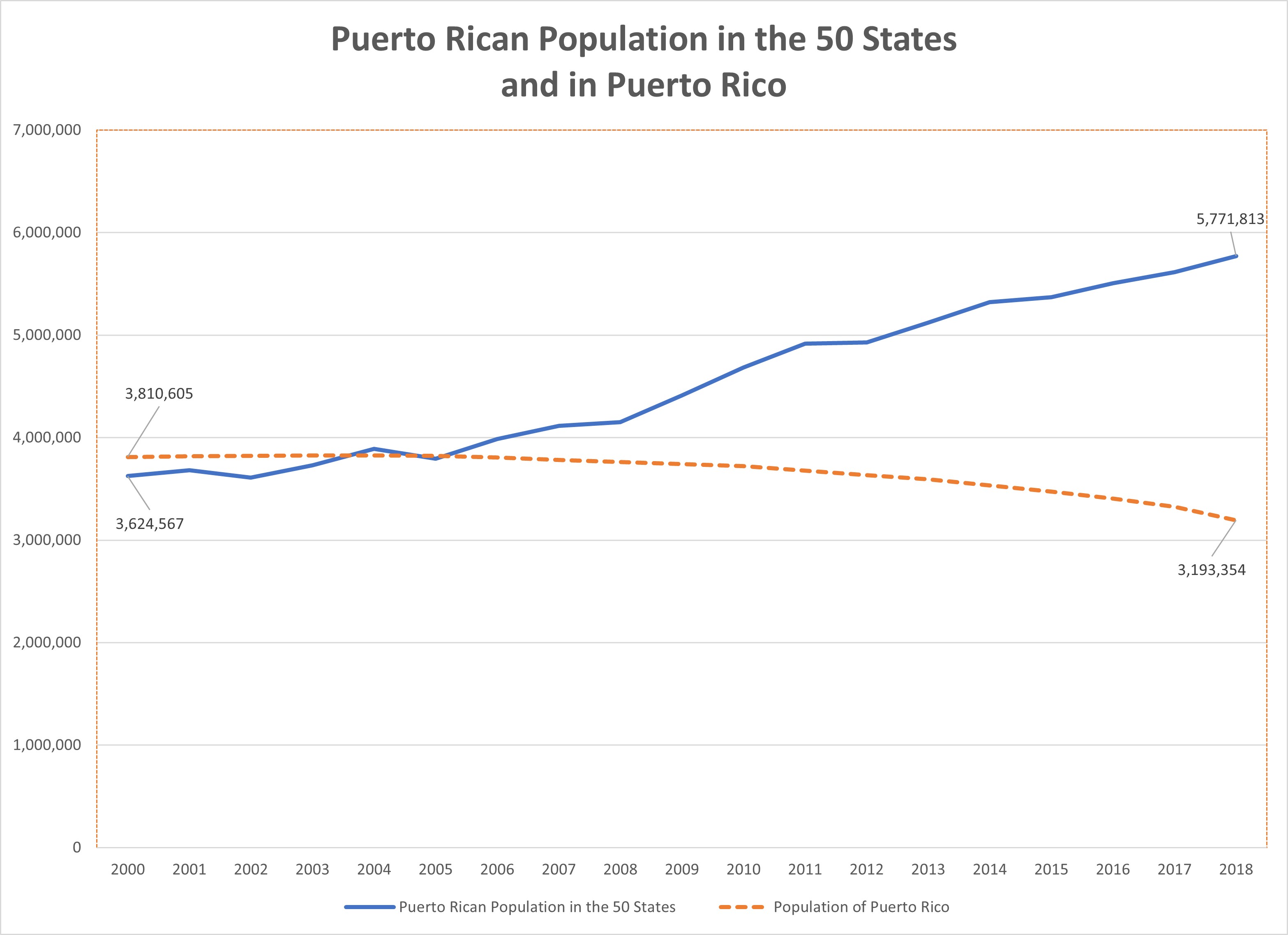
As of recent estimates, the population of Puerto Rico hovers around 3.2 million people. This figure, while a significant number, represents a notable decrease from its peak in the early 2000s. This demographic shift is a complex interplay of factors, including economic conditions, natural disasters, and migration patterns. The island’s population density is relatively high, particularly in urban areas such as the capital city of San Juan. Understanding these numbers provides a foundational understanding of the island’s scale and its capacity to host visitors and accommodate the needs of its residents.
Key Demographics and Age Distribution
The demographic profile of Puerto Rico is characterized by a youthful population, though an aging demographic is also becoming more pronounced, mirroring trends seen globally. A substantial portion of the population falls within the working-age group, contributing to the island’s labor force and its vibrant cultural scene. However, migration, particularly of younger individuals seeking economic opportunities abroad, has had a discernible impact on the age distribution. This outflow influences the availability of certain services and the general atmosphere of different towns and cities. For travelers, this can translate into a dynamic mix of established cultural institutions and emerging local businesses.
Urban vs. Rural Population Distribution
The population of Puerto Rico is predominantly urbanized. Major cities and their surrounding metropolitan areas concentrate the majority of the island’s inhabitants. San Juan, with its historic old town and bustling modern districts, is the most populous municipality. Other significant urban centers include Ponce on the southern coast and Mayagüez on the western side. This concentration means that many tourist amenities, cultural attractions, and dining establishments are found in these accessible locations. However, venturing into the more rural interior or along less-traveled coastal routes offers a glimpse into a different pace of life and a more intimate connection with the island’s natural landscapes and smaller communities. The distinction between urban and rural living is a significant aspect of Puerto Rico’s social geography.
Historical Population Trends and Their Impact
The population of Puerto Rico has undergone significant fluctuations throughout its history, influenced by economic, political, and environmental events. From the mid-20th century, the island experienced periods of population growth driven by improved living conditions and access to healthcare. However, this trend reversed in the late 20th and early 21st centuries, marked by increased emigration, particularly to the mainland United States.
Emigration and Its Drivers
Economic challenges, including high unemployment rates and limited opportunities, have been primary drivers of emigration from Puerto Rico. Many Puerto Ricans have relocated to states like Florida, New York, and Texas in search of better economic prospects. This outflow has had a direct impact on the island’s total population count. For visitors, this diaspora phenomenon means that many Puerto Ricans residing abroad maintain strong ties to the island, often returning for holidays and family visits, contributing to a dynamic flow of people and cultural exchange.
Impact of Natural Disasters
Puerto Rico is susceptible to natural disasters, including hurricanes and earthquakes. Events like Hurricane Maria in 2017 caused widespread destruction and led to a significant displacement of residents, both temporarily and permanently. The recovery efforts following such events are often extensive and can influence population movements within the island and outward migration. Travelers visiting post-disaster periods may witness ongoing reconstruction efforts, but also the resilience and spirit of the Puerto Rican people as they rebuild their communities.
Population Dynamics and the Tourism Sector
The size and distribution of Puerto Rico’s population have direct implications for its burgeoning tourism sector. A population of over 3 million provides a substantial local market for restaurants, entertainment, and services catering to visitors. It also signifies a readily available workforce to support hotels, tour operators, and cultural institutions.

Workforce and Service Availability
The availability of a local workforce is critical for the smooth operation of the tourism industry. A significant resident population ensures that there are enough individuals employed in hospitality, guiding, transportation, and other related fields. This translates into well-staffed hotels, knowledgeable tour guides, and efficient service provision across the island. For travelers, this means a higher likelihood of encountering friendly and well-trained staff eager to enhance their experience, whether they are staying at a luxury resort like the Dorado Beach, a Ritz-Carlton Reserve or exploring the historic streets of Old San Juan.
Local Culture and Authenticity
The sheer number of Puerto Ricans ensures the preservation and continuation of its rich cultural heritage. From traditional music and dance like salsa to the island’s distinctive cuisine featuring dishes like mofongo, the population is the living embodiment of Puerto Rico’s cultural identity. Travelers seeking authentic experiences will find that interacting with the local population, whether at a roadside kiosko or a family-run restaurant in a smaller town, offers the most genuine connection to the island’s soul. The vibrant community life, evident in festivals and daily interactions, is a major draw for cultural tourism.
Infrastructure and Capacity
The population size influences the scale of infrastructure developed to support both residents and tourists. Major transportation hubs, such as Luis Muñoz Marín International Airport in San Juan, are equipped to handle millions of passengers annually. Similarly, the road network, hotel capacity, and the availability of public services are designed to accommodate a population of this magnitude. While visitor numbers fluctuate, the underlying infrastructure is built to serve the resident population, ensuring a certain level of service availability for tourists, even during peak seasons. Understanding this context can help travelers manage expectations regarding crowds and accessibility to various attractions.
Understanding the Puerto Rican Traveler Experience
For a traveler, the population of Puerto Rico is not just a statistic; it shapes the very fabric of their experience. From the bustling streets of San Juan to the serene beaches of Vieques and Culebra, the presence and disposition of the local people significantly contribute to the island’s charm and appeal.
Interacting with Locals
Puerto Ricans are generally known for their warmth, hospitality, and strong sense of community. Engaging with them is often a highlight of any trip. Whether asking for directions, striking up a conversation at a local bar, or participating in a guided tour, travelers will find that a friendly demeanor is met with reciprocal kindness. Learning a few basic Spanish phrases can go a long way in fostering positive interactions and gaining deeper insights into the local culture. The vibrant street life, particularly in urban centers, offers ample opportunities for spontaneous encounters and memorable exchanges.
Experiencing Local Life
To truly appreciate Puerto Rico, venturing beyond the main tourist hubs is highly recommended. Visiting local markets, attending community festivals (if dates align), or simply enjoying a leisurely meal at a non-touristy eatery allows travelers to observe and participate in the rhythm of daily life. The population’s deep connection to its heritage is palpable in these settings, offering a more authentic and immersive travel experience. This is where the true spirit of Puerto Rico shines through, driven by its people and their traditions.
Considerations for Different Traveler Types
The population dynamics can also influence the experience for different types of travelers. Families might find that the presence of a large, young population contributes to a lively atmosphere in family-friendly resorts and attractions. Couples seeking a romantic getaway might prefer the quieter, more secluded beaches or boutique hotels found in less densely populated areas. Business travelers will appreciate the robust infrastructure and connectivity in urban centers, supported by a sizable professional workforce. Solo travelers often find the island’s welcoming population an advantage, making it easier to connect with others and explore safely.
The Future of Puerto Rico’s Population
The demographic trajectory of Puerto Rico remains a subject of ongoing discussion and policy focus. Efforts to stimulate economic growth and create more opportunities on the island aim to stem emigration and potentially attract residents back. As the population evolves, so too will the island’s character and its offerings to visitors. Understanding the current population and its historical context provides a valuable lens through which to appreciate the resilience, culture, and enduring allure of this captivating Caribbean destination. The human element is, and will always be, central to the Puerto Rican story.
LifeOutOfTheBox is a participant in the Amazon Services LLC Associates Program, an affiliate advertising program designed to provide a means for sites to earn advertising fees by advertising and linking to Amazon.com. Amazon, the Amazon logo, AmazonSupply, and the AmazonSupply logo are trademarks of Amazon.com, Inc. or its affiliates. As an Amazon Associate we earn affiliate commissions from qualifying purchases.