
California, a land synonymous with sunshine, innovation, and diverse landscapes, also possesses a complex relationship with water. For visitors drawn to its golden beaches, towering forests, and majestic mountains, understanding the state’s historical and ongoing experience with drought is crucial. This isn’t merely an environmental issue; it profoundly shapes the tourism experience, influencing everything from the majesty of waterfalls to the availability of recreational activities. While often perceived as a recent phenomenon, California’s arid periods are deeply woven into its geological and historical fabric, a recurring narrative that informs sustainable travel in the Golden State.
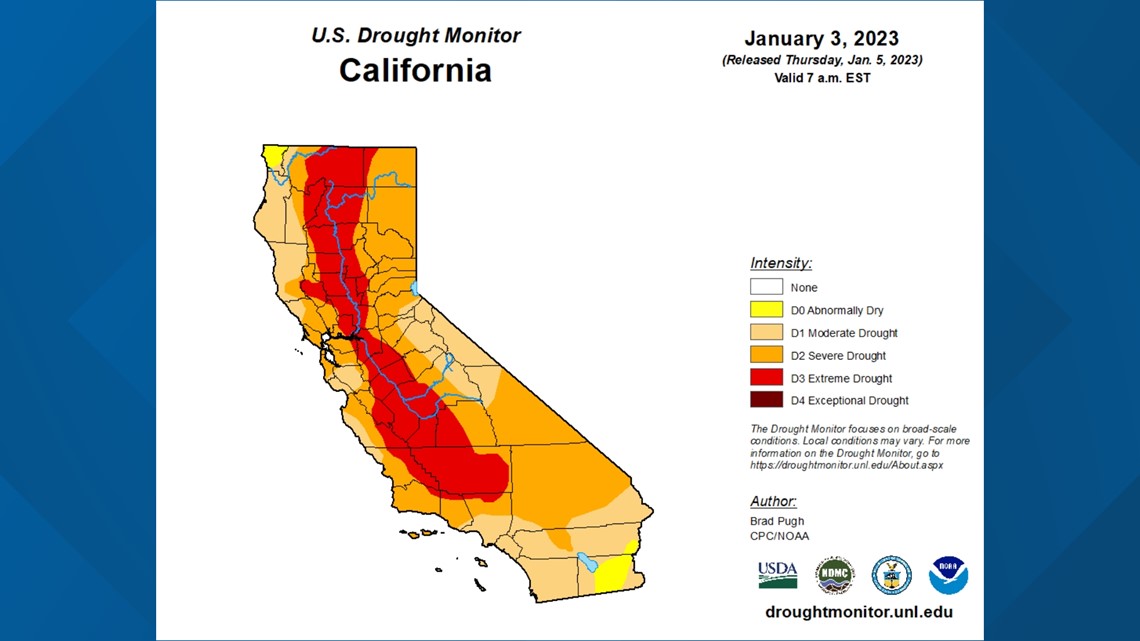
Understanding California’s Arid Legacy
The notion of California existing in a perpetual state of drought is not far from the truth when viewed through a longer historical lens. The region’s Mediterranean climate naturally features dry summers and wet winters, but the variability of precipitation from year to year is significant, leading to pronounced cycles of wet and dry periods.
A History Forged in Fire and Thirst
Paleoclimatology, the study of past climates, reveals that multi-decade and even multi-century droughts have occurred in California long before modern records began. Tree ring data, sediment cores from lakes, and other natural archives indicate that periods of severe drought lasting 10 to 20 years, or even more than 200 years, were common over the last two millennia. For instance, studies suggest mega-droughts in the medieval period were far more intense and prolonged than anything experienced in the 20th or 21st centuries. These ancient dry spells sculpted the landscape, influencing the distribution of ecosystems and the development of indigenous cultures. This deep history underscores that while climate change may exacerbate recent droughts, the underlying propensity for aridity is inherent to California’s natural climate system.
The Modern Era: A Cycle of Scarcity
In recent decades, California has experienced several significant drought events. The most notable in recent memory include a sustained period from 2012 to 2016, and another severe drought that emerged in the early 2020s, with some analyses suggesting elements of these are the driest in 1,200 years. These modern droughts are characterized by reduced snowpack in the Sierra Nevada mountains—the state’s primary natural reservoir—lower reservoir levels, and increased wildfire risk. While occasional strong El Niño events can bring temporary relief, the long-term trend, particularly influenced by rising global temperatures, indicates a future where dry conditions are likely to be more frequent and intense. This cyclical nature, oscillating between periods of extreme wetness and prolonged dryness, means that while some years bring abundant rain and snow, the state is fundamentally operating within a paradigm of water scarcity, requiring constant vigilance and adaptation.
Impact on California’s Diverse Tourism Landscape
The cyclical nature of drought directly influences the appeal and accessibility of many of California’s world-renowned tourist destinations. Visitors planning their itineraries should be aware of these impacts to ensure a fulfilling and responsible travel experience.
Water-Dependent Attractions: Lakes, Rivers, and Waterfalls
Many of California’s iconic natural attractions rely heavily on consistent water levels. During drought years, the majestic waterfalls of Yosemite National Park, such as Yosemite Falls or Bridalveil Fall, may significantly diminish in flow or even dry up completely by late summer. Lakes like Lake Tahoe and Lake Oroville can see dramatic drops in water levels, affecting boating, fishing, and shoreline access. Rivers crucial for whitewater rafting or kayaking, such as the American River or Tuolumne River, may have shorter seasons or restricted access due to insufficient flows. Conversely, following a robust winter, these same attractions can be at their most spectacular, showcasing the dramatic swings inherent to California’s water cycle. Even seemingly barren places like Death Valley can transform into vibrant oases with rare “superblooms” after significant rainfall.
Forested Regions and Wildfire Concerns
Drought conditions significantly increase the risk and severity of wildfires, particularly in California’s extensive forested areas like the Sierra Nevada, Klamath Mountains, and coastal ranges. Forested national and state parks, including Redwood National and State Parks and those around Lake Tahoe, can be subject to closures, evacuation orders, or poor air quality due to smoke. This impacts hiking, camping, and outdoor recreation. The majestic giant sequoias, while resilient, can also be vulnerable to intense wildfires made more severe by drought-stressed conditions. Travelers should always check local fire conditions, air quality alerts, and park advisories, especially during the dry summer and fall months, to ensure safety and avoid disruptions.

Coastal and Urban Tourism: Indirect Effects
While the immediate effects of drought are most visible in natural landscapes, coastal cities and urban centers like San Francisco, Los Angeles, and San Diego are not immune. Water conservation measures, such as restrictions on lawn watering, can subtly alter the appearance of public spaces, making them more arid-friendly. Hotels and accommodations actively participate in water-saving initiatives, from linen reuse programs to low-flow fixtures. While direct impacts on beach activities or city tours are minimal, the broader public consciousness around water conservation permeates daily life and services. Even agricultural tourism, particularly in regions like Napa Valley and Sonoma County wine country, where vineyards rely on specific irrigation practices, can be influenced by water availability, potentially affecting crop yields and the nuances of local produce.
Adapting to the New Normal: Sustainable Tourism in a Dry Climate
California’s tourism industry has largely embraced the challenges posed by drought, integrating water conservation and sustainable practices into its operations. This commitment ensures that visitors can still enjoy the state’s beauty while contributing to its environmental resilience.
Conservation Efforts by Tourist Operators
From ski resorts that manage snowmaking efficiently to hotels implementing advanced water recycling systems, tourist operators across California are at the forefront of conservation. Many golf courses have transitioned to drought-tolerant landscaping or employ sophisticated irrigation techniques. Vineyards in Napa and Sonoma utilize drip irrigation and monitor soil moisture carefully to minimize water use. Tour companies operating near sensitive ecosystems emphasize “leave no trace” principles and educate visitors on the importance of respecting natural resources, including water. These efforts are not just about compliance; they reflect a genuine commitment to preserving the very attractions that draw millions to the state each year.
Responsible Travel Practices for Visitors
As a visitor, you play a vital role in California’s water stewardship. Simple actions can make a significant difference. Taking shorter showers, reusing towels and linens, and reporting leaks in your accommodation are small but impactful gestures. When engaging in outdoor activities, adhere to all local regulations, especially regarding campfires and water use. Support businesses that visibly practice sustainability and prioritize water conservation. By being mindful of your own water footprint, you contribute to the collective effort to manage this precious resource.
Planning Your California Trip: Navigating a Water-Conscious State
Despite the ongoing reality of drought, California remains an unparalleled destination, offering an incredible array of experiences. Thoughtful planning can enhance your trip and align it with the state’s environmental ethos.
Best Times to Visit and What to Expect
To best experience water-dependent natural attractions, consider visiting in spring or early summer, particularly after a winter with good snowpack. This is when waterfalls are typically at their peak, rivers are robust, and lakes are fuller. During late summer and fall, while still beautiful, prepare for potentially lower water levels in some areas and increased wildfire awareness. Urban centers like Los Angeles, San Francisco, and Anaheim are less directly affected by drought conditions on a daily basis, making them excellent choices year-round. Always check official park websites and local tourism boards for the most up-to-date information on conditions, closures, and water advisories before and during your visit.
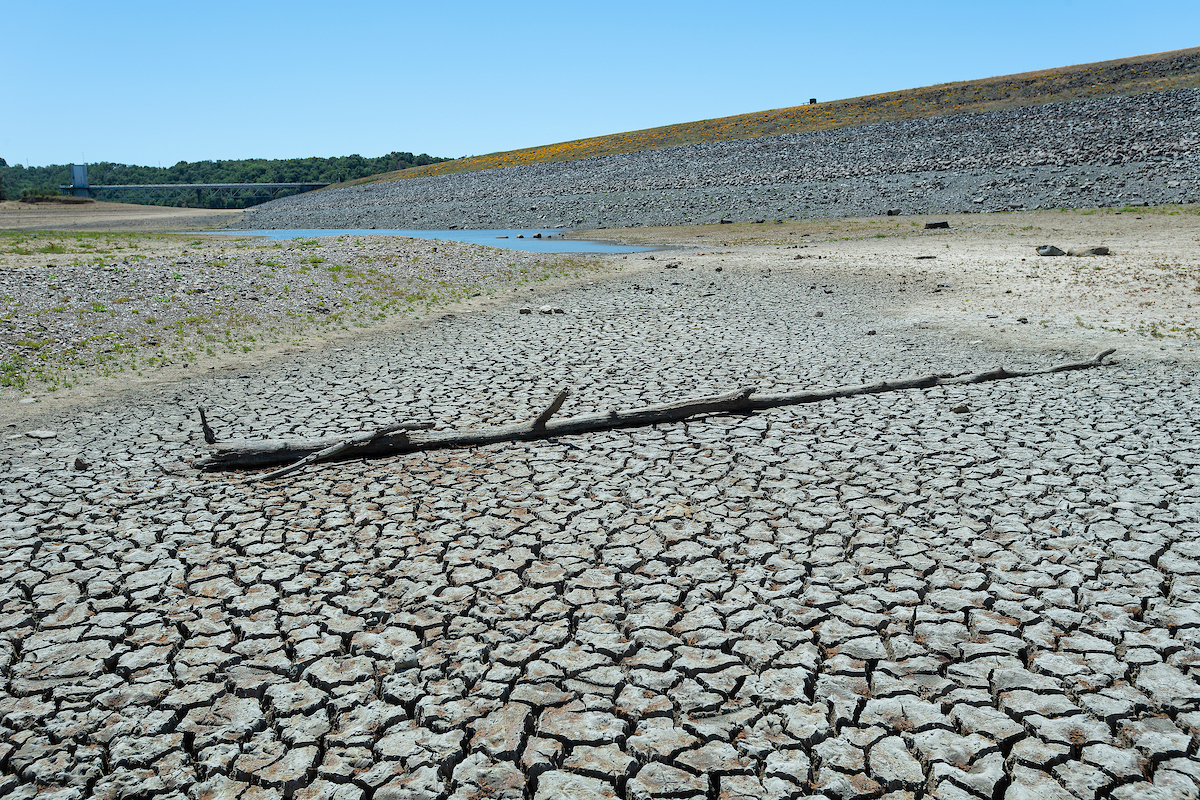
Engaging with California’s Resilient Beauty
Ultimately, understanding California’s history with drought enriches the visitor experience. It fosters a deeper appreciation for the state’s dynamic landscapes and the innovative ways its communities and natural environments adapt. Whether you’re marveling at the persistent beauty of the Pacific Ocean coastline, exploring the bustling streets of Sacramento, or witnessing the majestic (even if diminished) flow of a waterfall in Yosemite, you’re engaging with a state that thrives on resilience. By traveling responsibly and consciously, visitors contribute to the sustainable future of this remarkable destination, ensuring its enduring appeal for generations to come.
LifeOutOfTheBox is a participant in the Amazon Services LLC Associates Program, an affiliate advertising program designed to provide a means for sites to earn advertising fees by advertising and linking to Amazon.com. Amazon, the Amazon logo, AmazonSupply, and the AmazonSupply logo are trademarks of Amazon.com, Inc. or its affiliates. As an Amazon Associate we earn affiliate commissions from qualifying purchases.