
For any traveler embarking on domestic journeys across the United States, the Real ID has become an indispensable credential. Beginning May 7, 2025, the US Department of Homeland Security will enforce stricter identification requirements at airport security checkpoints. This means that a standard driver’s license will no longer suffice for boarding federally regulated flights. Instead, travelers will need a Real ID compliant license, a state-issued enhanced driver’s license, or another acceptable form of identification, such as a valid passport. For residents of California, understanding the process to obtain a California Real ID is crucial for seamless future travel experiences. This guide offers a comprehensive walkthrough, ensuring you’re well-prepared for your next adventure.
Understanding the Real ID Mandate for Travelers
The implementation of the Real ID Act of 2005 stemmed from a recommendation by the 9/11 Commission, aiming to set minimum security standards for state-issued driver’s licenses and identification cards. The primary goal is to enhance the security of the traveling public and prevent terrorism. For the everyday traveler, this translates to a necessary update in personal identification to ensure continued access to domestic air travel and entry into certain federal facilities.
What is Real ID and Why Do You Need It for Travel?
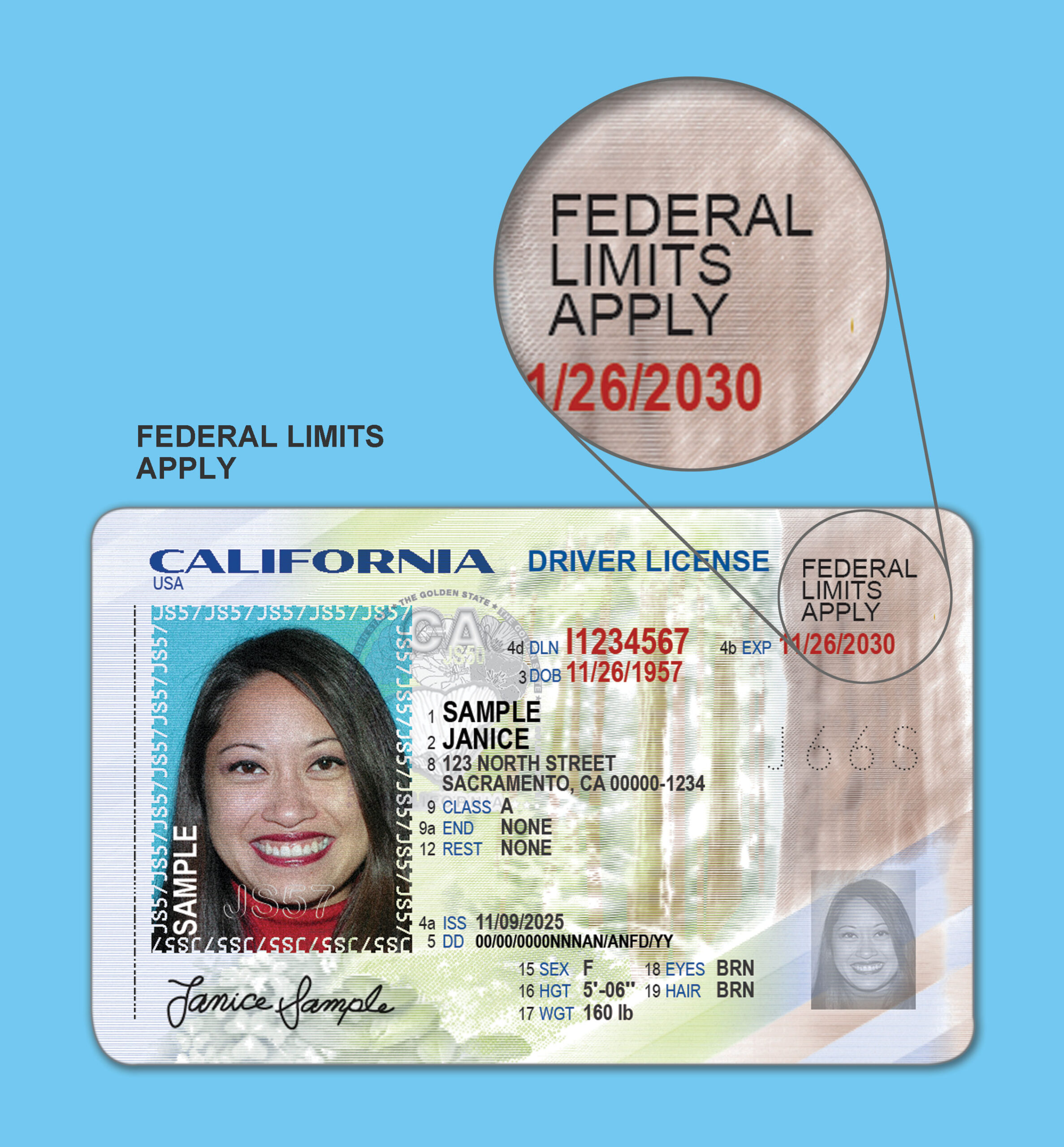
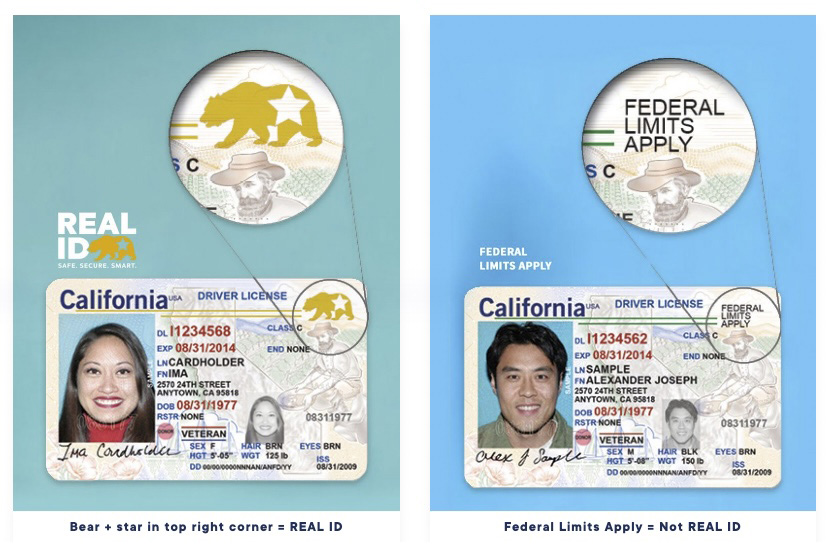
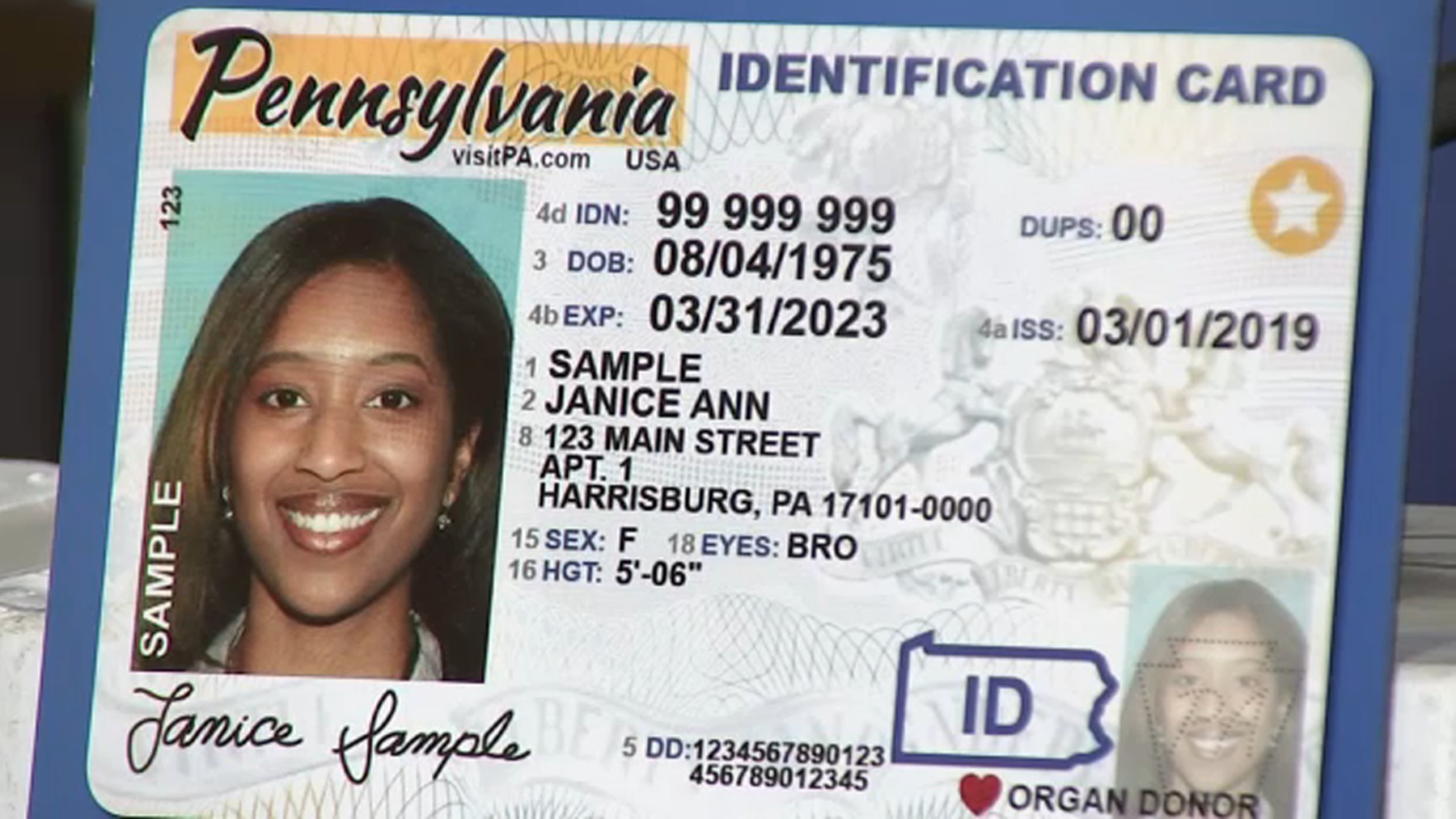
A Real ID compliant driver’s license or identification card is easily recognizable by a star symbol, typically gold or black, located in the upper right-hand corner of the card. This star signifies that the card meets the federal security standards for identification. Without it, come the enforcement date, domestic air travel will be significantly complicated. Imagine arriving at the airport for a long-awaited vacation or a critical business trip, only to be turned away at the TSA checkpoint because your ID doesn’t meet the new federal requirements. This is precisely the scenario the Real ID mandate seeks to prevent by encouraging proactive compliance.
The requirement applies to all individuals aged 18 and older. While a standard California driver’s license will still be valid for driving, voting, and age verification, it will not be accepted for boarding domestic flights or entering secure federal facilities. This distinction is paramount for travelers. Furthermore, obtaining a Real ID is not merely about avoiding travel disruptions; it’s about participating in a nationwide effort to bolster security infrastructure. For international travel, a valid passport remains the primary document, but for internal flights, the Real ID is your key to the skies.
The Impact on Domestic Air Travel
The most significant impact of the Real ID Act is on domestic air travel. Every year, millions of Americans travel domestically for leisure, business, and family visits. The convenience and efficiency of air travel are directly linked to streamlined security procedures. The TSA checkpoints are the first line of defense, and having a Real ID compliant document will expedite your passage through these critical points.
Without a Real ID or an alternative acceptable document, travelers could face significant delays, heightened scrutiny, or even outright denial of boarding. This could lead to missed flights, forfeited travel plans, and considerable frustration. While alternative forms of identification, such as a passport or a Global Entry card, are still accepted, many travelers prefer the simplicity of using their driver’s license. The Real ID offers this convenience while meeting federal security standards, making it the preferred option for many California residents who frequently travel within the United States. Preparing ahead by obtaining your California Real ID is a small administrative step that yields immense peace of mind for future travel.
Essential Documents for Your California Real ID Application
The application process for a California Real ID requires you to present specific documents to verify your identity, residency, and Social Security number. Unlike a standard driver’s license renewal, the Real ID application must be completed in person at a California Department of Motor Vehicles (DMV) office, as original documents need to be verified. Gathering these documents beforehand is critical to a smooth and successful application process, saving you time and potential repeat visits.
Proof of Identity
To establish your legal name and date of birth, you will need to provide one document from the acceptable list. This document is typically a primary form of identification that confirms who you are.
- U.S. Birth Certificate: An original or certified copy issued by a state or local government. Hospital birth certificates are generally not accepted.
- Valid U.S. Passport or U.S. Passport Card: Your current federal passport serves as excellent proof of identity.
- Foreign Passport with a valid U.S. Visa and I-94 Form: For non-citizens, this combination is typically required.
- Certificate of Naturalization or Certificate of U.S. Citizenship: Official documents for naturalized citizens.
- Permanent Resident Card: Issued by the US Department of Homeland Security (Green Card).
- Employment Authorization Document (EAD): Often referred to as a work permit, along with a valid Social Security card.
It is crucial that the name on your identity document matches your current legal name. Any discrepancies will require additional documentation, such as proof of name change.
Proof of California Residency
To verify that you are a bona fide resident of California, you must provide two different documents that list your physical address. These documents cannot be from the same source.
- Utility Bills: Electricity, gas, water, or trash bills (within the last two months).
- Rental or Lease Agreement: A valid agreement with your name and address.
- Mortgage Bill or Statement: Current statements indicating your residency.
- Bank or Financial Institution Records: Statements from banks, credit unions, or investment firms.
- Insurance Documents: Car, home, or health insurance policies or bills.
- Medical Documents: Records from a doctor, hospital, or clinic.
- Change of Address Confirmation: From the U.S. Postal Service.
- School Documents: Enrollment records, report cards, or transcripts for students.
- Property Tax Bills: Showing your ownership and address.
Remember, the addresses on these documents must match the address you provide on your application. Post office box addresses are generally not accepted as proof of residence; a physical street address is required.
Proof of Social Security Number
You will need to present one document that displays your full Social Security number (SSN).
- Social Security Card: Your official card is the most straightforward proof.
- W-2 Form or SSA-1099 Form: Tax documents from the previous year.
- Pay Stub with Full SSN: A recent pay stub that clearly shows your SSN.
- Military ID Card with SSN: If applicable.
The name on your Social Security document must also match your identity document. If you cannot locate your Social Security card, you may need to apply for a replacement from the Social Security Administration before applying for your Real ID.
Proof of Name Change (if applicable)
If your current name differs from the name on your primary identity document (e.g., due to marriage, divorce, or legal name change), you must provide original legal documents to establish the chain of name changes.
- Marriage Certificate: Official certificate from the county or state.
- Divorce Decree: Court order detailing the name restoration or change.
- Adoption Papers: Official court documents.
- Court Order for Name Change: A legal document issued by a court.
Each name change needs to be accounted for with corresponding documentation. For instance, if your birth certificate shows your maiden name, and you’ve married twice, you’ll need both marriage certificates to connect your current name back to your birth name.
Navigating the California Department of Motor Vehicles (DMV) Process
Once you have meticulously gathered all your required documents, the next step is to engage with the California Department of Motor Vehicles (DMV). While the in-person visit is mandatory, the DMV has streamlined parts of the process to make it more efficient for applicants. Proactive planning can significantly reduce your wait time and ensure a smoother experience, getting you back to planning your travels sooner.
Starting Your Application Online
The California DMV strongly encourages all Real ID applicants to start the process online. This initial step is known as the “online application for a driver’s license or ID card.” By completing this form digitally, you can input your personal information, indicate your intention to apply for a Real ID, and even upload digital copies of some of your documents. While uploading documents online does not negate the need to present originals in person, it helps the DMV pre-process your information and can shorten your visit.
Completing the online application:
- Visit the official California DMV website.
- Navigate to the “Driver’s License & ID Cards” section and select the option to apply for a Real ID.
- Fill out the detailed application form, ensuring all information matches your supporting documents.
- You will receive a confirmation code upon submission. Keep this code handy, as you will need it when you visit the DMV office.
This online step is a crucial time-saver for travelers, helping to reduce the duration of the in-person visit and minimize potential errors in the paperwork.
Scheduling Your DMV Appointment
After completing the online application, the next critical step for any traveler is to schedule an appointment at a DMV office. Walk-ins for Real ID applications are highly discouraged due to potentially lengthy wait times. The DMV appointment system allows you to select a date and time that fits your schedule, making the process more predictable and less stressful.
To schedule an appointment:
- Return to the California DMV website’s appointment system.
- Choose the service “Apply for a Real ID card/driver’s license.”
- Select a DMV office location convenient for you.
- Browse available dates and times and confirm your appointment.
- You will receive an appointment confirmation, often via email or text message.
Booking an appointment well in advance is highly recommended, especially during peak travel seasons, as slots can fill up quickly. This foresight is a hallmark of an organized traveler, ensuring that administrative tasks don’t impede future travel plans.
What to Expect During Your Visit
On the day of your appointment, arrive punctually at the selected DMV office with all your original supporting documents. Despite having completed the online application and scheduled an appointment, expect to spend some time at the office, as the verification process requires meticulous attention.
During your visit, you will typically:
- Check-in: Provide your appointment confirmation and online application code.
- Document Review: A DMV representative will carefully review all your original identity, residency, and Social Security documents to ensure they meet the Real ID requirements. This is where having all correct documents prevents delays.
- Fingerprinting: Your thumbprint will be taken for security purposes.
- Photo: A new photo will be taken for your Real ID card.
- Signature: You will provide your signature.
- Vision Test: If you are also applying for a driver’s license, you will undergo a vision test.
- Pay Fees: Pay the applicable application fees.
Once all steps are completed and your documents are verified, you will receive a temporary paper Real ID card. Your permanent, star-emblazoned California Real ID card will be mailed to your address within a few weeks. The temporary card, along with your old ID (if you have one) and another form of ID (like your passport), can generally be used for travel until your permanent card arrives.
Beyond the Card: Additional Travel Benefits and Considerations
Obtaining your California Real ID is a critical step for seamless domestic air travel, but it’s also worth considering how it fits into your broader travel strategy. For the seasoned traveler, integrating the Real ID with other travel programs can further enhance efficiency and convenience, ensuring that your journeys are as smooth and stress-free as possible.
Real ID vs. Other Travel Documents (Passport, Global Entry, TSA PreCheck)
It’s important to understand that a Real ID is specifically for domestic air travel and entry into certain federal facilities. It does not replace a passport for international travel. For those who frequently travel internationally, a passport will always be your primary document.
However, the Real ID can complement other trusted traveler programs:
- Passport: If you possess a valid U.S. passport, you do not strictly need a Real ID for domestic air travel, as the passport is an acceptable form of identification. However, many find it convenient to carry their driver’s license for day-to-day use, and the Real ID version keeps that convenience without needing to carry a passport domestically.
- Global Entry: This U.S. Customs and Border Protection program expedites clearance for pre-approved, low-risk travelers upon arrival in the United States from international destinations. Global Entry membership also includes TSA PreCheck benefits. A Global Entry card is also a Real ID compliant document.
- TSA PreCheck: This program allows eligible travelers to experience expedited security screening at U.S. airports. While TSA PreCheck speeds up the screening process, you still need a Real ID compliant document (or an alternative like a passport or Global Entry card) to verify your identity at the checkpoint.
- Enhanced Driver’s License (EDL): While California does not issue EDLs, some northern border states do. An Enhanced Driver’s License is a Real ID compliant document that also allows for travel by land and sea to Canada, Mexico, and some Caribbean countries.
For most California residents who primarily fly domestically, the Real ID is the most practical and cost-effective solution for future travel needs.
Planning Your Travel with Confidence
With your California Real ID secured, you can plan your future domestic trips with an added layer of confidence. The removal of identification anxiety frees you to focus on the more enjoyable aspects of travel: researching destinations, booking attractions, and anticipating new experiences.
Remember to always double-check the expiration date of your Real ID and any other travel documents. Just as you would confirm flight details and hotel reservations, periodically reviewing your identification validity is a wise practice for any traveler.
FAQs for California Travelers
- Do I need a Real ID if I only travel by car or train? No, the Real ID is primarily for domestic air travel and entry to federal facilities. Your standard California driver’s license is sufficient for driving and ground transportation.
- What if I have an existing California driver’s license? You will need to apply for a new Real ID compliant license. It’s not an automatic upgrade.
- Can my temporary paper Real ID be used for air travel? Yes, usually with your old expired license or another form of ID, but it’s always best to check current TSA guidelines or travel with your passport as a backup until your permanent card arrives.
- Is there an age requirement for the Real ID? The Real ID Act applies to individuals aged 18 and older. Children under 18 traveling domestically with an adult do not require a Real ID.
- How long does it take to get the permanent Real ID card? Typically, it takes about two to four weeks for your permanent card to be mailed to you after your DMV visit.
By understanding these nuances and preparing accordingly, California residents can ensure that their travel plans remain uninterrupted and their journeys are as enjoyable and secure as possible. The Real ID is an investment in your future travel freedom.
LifeOutOfTheBox is a participant in the Amazon Services LLC Associates Program, an affiliate advertising program designed to provide a means for sites to earn advertising fees by advertising and linking to Amazon.com. Amazon, the Amazon logo, AmazonSupply, and the AmazonSupply logo are trademarks of Amazon.com, Inc. or its affiliates. As an Amazon Associate we earn affiliate commissions from qualifying purchases.