
Understanding the legal landscape of California is paramount for anyone navigating its vibrant cities, scenic routes, or bustling business districts. For those embracing a dynamic lifestyle that might involve travel, relocation, or simply enjoying the Golden State‘s offerings, the question of whether a DUI (Driving Under the Influence) constitutes a felony is critically important. A DUI offense, particularly a felony, can have far-reaching implications, fundamentally altering one’s personal freedom, professional trajectory, and ability to pursue a desired lifestyle.
Understanding California’s DUI Landscape: A Lifestyle Perspective
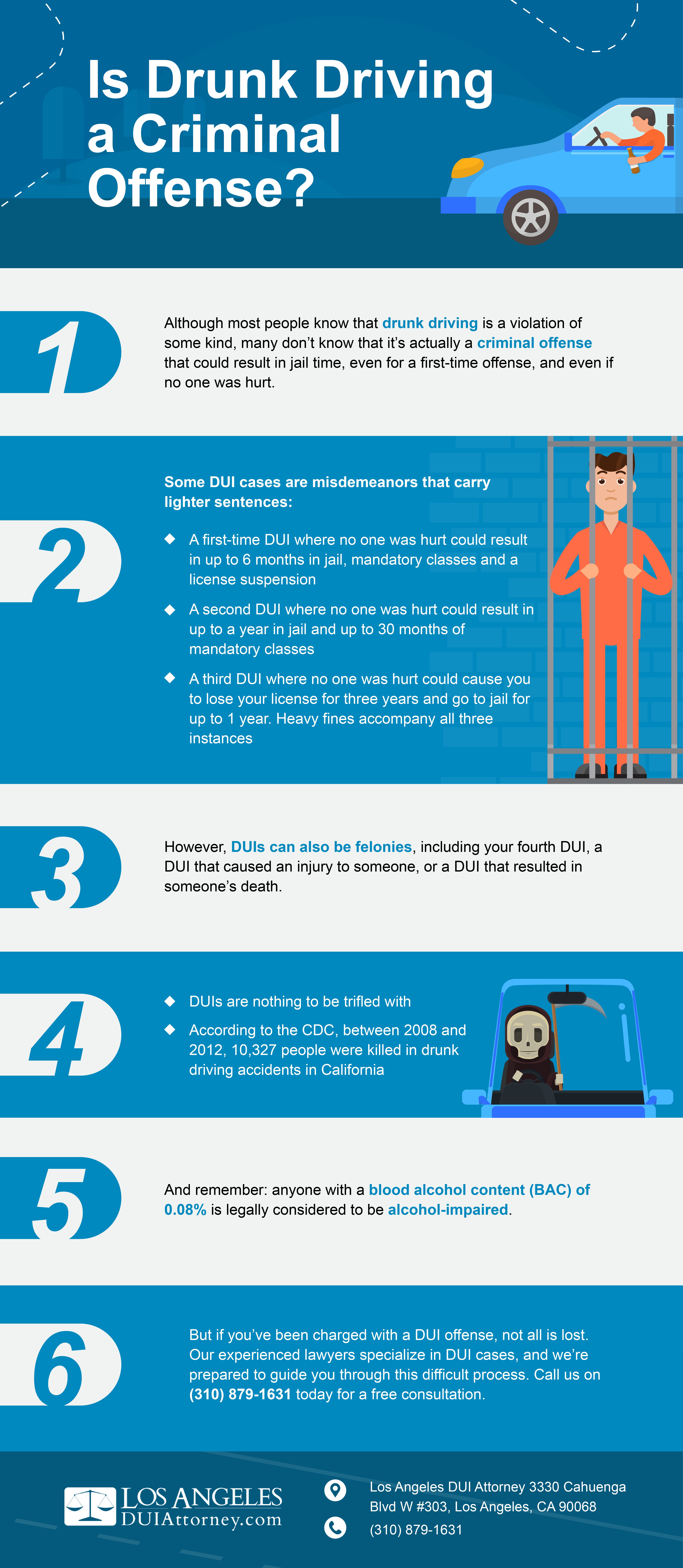
In California, a DUI is typically charged as a misdemeanor for first, second, and third offenses without aggravating factors. However, it’s crucial for anyone valuing their unrestricted lifestyle to understand that this baseline can quickly escalate. The state’s laws are stringent, reflecting a strong commitment to public safety, and ignorance of these laws is no defense, nor does it cushion the profound impact a conviction can have on your personal and professional life.
The Basic Definition of DUI and Misdemeanor Charges
A DUI in California generally occurs when a person operates a vehicle with a blood alcohol concentration (BAC) of 0.08% or higher. For commercial drivers, the limit is 0.04%, and for drivers under 21, any detectable amount of alcohol can lead to a DUI. Misdemeanor DUIs, while serious, typically result in fines, probation, mandatory DUI education programs, license suspension by the DMV, and potentially brief jail time. For someone whose lifestyle involves frequent travel, even a misdemeanor can disrupt plans, requiring appearances in court or limiting travel if their license is suspended. Imagine planning a road trip along the Pacific Coast Highway or a business trip to Silicon Valley, only to find your driving privileges curtailed. The inconvenience alone can be a major impediment to a chosen way of life.
When a DUI Escalates: Factors Leading to Felony Status
While many DUIs in California start as misdemeanors, several critical factors can elevate the charge to a felony, leading to consequences that irrevocably alter one’s lifestyle. These factors are not merely legal technicalities; they represent situations where the state deems the risk to public safety and individual well-being to be significantly higher, demanding more severe penalties.
The most common reasons for a DUI to be charged as a felony include:
- Fourth or Subsequent DUI within 10 Years: This is a key trigger. If an individual has accumulated three prior DUI convictions within a 10-year look-back period, a fourth offense will almost certainly be charged as a felony. This highlights the state’s intent to penalize habitual offenders who pose an ongoing threat. For someone accustomed to a mobile lifestyle, this represents a complete dismantling of their freedom.
- DUI Causing Injury: If a DUI incident results in injury to another person, it is automatically elevated to a felony. The severity of the injury can influence the potential penalties, but the felony status is a given. This scenario underscores the significant risk involved and the devastating impact it can have on both the victim and the accused’s future.
- DUI Causing Death (Gross Vehicular Manslaughter While Intoxicated or Murder): These are the most severe forms of DUI, resulting in the death of another person. Such cases are prosecuted as felonies, often leading to lengthy prison sentences. The lifestyle implications here are absolute, moving from personal freedom to incarceration for potentially decades.
- Prior Felony DUI Conviction: Even if the current DUI is a standard, non-injury offense, if the individual has a previous felony DUI on their record, the new offense will also be charged as a felony. This shows how past serious offenses cast a long shadow, permanently impacting one’s legal standing and capacity for a free lifestyle.
Understanding these aggravating factors is not just about legal knowledge; it’s about protecting one’s future and maintaining the freedom and flexibility that many cherish in their lifestyle. A felony conviction represents a fundamental shift in one’s legal identity and practical capabilities.
The Profound Lifestyle Impacts of a Felony DUI in California
The distinction between a misdemeanor and a felony DUI in California is not merely a legal classification; it’s a demarcation point between recoverable setbacks and life-altering consequences. A felony DUI can fundamentally reshape one’s entire existence, impacting everything from personal mobility to professional opportunities.
Freedom and Mobility: Travel Restrictions and Vehicle Limitations
A felony DUI conviction in California almost invariably results in a state prison sentence, potentially for several years. This immediately and severely curtails an individual’s freedom, replacing independent living with the confines of incarceration. Upon release, the challenges continue. Driving privileges are often revoked for extended periods, far longer than for misdemeanor offenses, sometimes permanently. This makes basic tasks incredibly difficult in a state like California, where car ownership is often synonymous with freedom and access to work, leisure, and essential services.
Furthermore, a felony conviction can impose significant restrictions on international travel. Many countries, including Canada and others in the European Union, may deny entry to individuals with felony records, particularly those involving violence or substance abuse. For someone whose lifestyle involves business travel to Europe or leisure trips to Mexico, a felony DUI can effectively close off these avenues, drastically altering their global mobility and personal experiences. The dream of exploring Paris, conducting business in London, or vacationing in Cabo San Lucas can become an unattainable fantasy.

Professional Life: Career Jeopardy and Business Travel Hurdles
The impact of a felony DUI on one’s professional life can be catastrophic. Many professions require licensing (e.g., medical, legal, financial, real estate), and a felony conviction can lead to the suspension or revocation of these licenses, ending a career overnight. Employers, particularly those in sensitive sectors or those requiring driving, may be reluctant to hire or retain individuals with a felony record. Background checks are standard practice, and a felony DUI will appear prominently, often creating an insurmountable barrier to employment or career advancement.
For business travelers, the challenges are even more acute. Companies are often hesitant to entrust employees with travel responsibilities if they have a felony record due to potential legal liabilities, insurance issues, and the aforementioned international travel restrictions. A career that once offered opportunities for relocation to cities like New York or assignments in Asia can become confined and stunted, severely limiting one’s professional lifestyle and earning potential. The ability to climb the corporate ladder or even maintain a stable job can be severely compromised.
Personal and Social Repercussions
Beyond the legal and professional, a felony DUI casts a long shadow over one’s personal and social lifestyle. The stigma associated with a felony conviction can strain relationships with family and friends. Personal freedom is also impacted by conditions of parole or probation, which can include strict curfews, mandatory counseling, and regular check-ins, further limiting spontaneity and social engagements. Access to housing can also become difficult, as landlords often conduct background checks. The ability to pursue higher education, volunteer, or even participate fully in community life can be diminished. The cumulative effect is often one of isolation and a forced shift away from the independent, active lifestyle many aspire to.
Navigating the Legal Complexities to Protect Your Future Lifestyle
Given the profound and enduring lifestyle impacts of a felony DUI, understanding how to navigate the legal process is critical. While prevention is always the best strategy, if you find yourself facing such charges, informed action is your next best defense.
The Importance of Legal Representation
Facing a felony DUI charge without experienced legal representation is akin to navigating a treacherous labyrinth blindfolded. A qualified attorney specializing in DUI defense in California can explain the charges, identify potential defenses, negotiate with prosecutors, and represent your interests in court. They can often work to reduce charges, mitigate penalties, or even secure an acquittal, thereby protecting your lifestyle from the most severe consequences. The complexities of California’s legal system, including specific statutes, precedents, and procedural rules, necessitate expert guidance to achieve the best possible outcome.
Potential Defenses and Mitigation Strategies
A skilled defense attorney can explore various avenues to challenge a felony DUI charge. These may include questioning the legality of the traffic stop, the accuracy of field sobriety tests, the calibration and maintenance of breathalyzers, or the chain of custody for blood samples. They might also investigate medical conditions that could mimic intoxication or procedural errors made by law enforcement. In cases where conviction seems likely, an attorney can work to highlight mitigating circumstances, such as a lack of prior criminal record, voluntary participation in rehabilitation programs, or compelling personal circumstances, to argue for a reduced sentence or alternative sentencing options that might lessen the impact on one’s freedom and future lifestyle.
Preventing a Felony DUI: Maintaining a Responsible Lifestyle in the Golden State
Ultimately, the most effective way to protect your lifestyle from the devastating effects of a felony DUI is through proactive prevention. California’s vibrant culture offers myriad opportunities for enjoyment, and responsible choices ensure these experiences remain positive and free from legal entanglements.
Planning Ahead: Designated Drivers and Ride-Sharing
The simplest and most effective prevention strategy is to never drive after consuming alcohol or impairing substances. If your lifestyle includes social events, dinners, or outings where alcohol is served, always plan for alternative transportation. Designate a sober driver among your group, utilize ride-sharing services like Uber or Lyft, or call a taxi. In popular destinations like Los Angeles, San Francisco, or San Diego, these options are readily available and far less costly than a DUI. Prioritizing safety and planning ahead allows you to fully enjoy California’s dynamic lifestyle without risking your future.

Understanding BAC Limits and Personal Responsibility
While 0.08% BAC is the legal limit for most drivers, impairment can begin at much lower levels. It’s crucial to understand how alcohol affects your body and judgment. Factors such as weight, gender, metabolism, and food consumption all play a role. The safest approach is to avoid driving after any alcohol consumption. Taking personal responsibility for your choices not only safeguards your own lifestyle but also contributes to the safety of everyone on California’s roads. A responsible lifestyle in the Golden State means enjoying its richness while adhering to its laws, ensuring your freedom, mobility, and professional aspirations remain intact and unhindered.
LifeOutOfTheBox is a participant in the Amazon Services LLC Associates Program, an affiliate advertising program designed to provide a means for sites to earn advertising fees by advertising and linking to Amazon.com. Amazon, the Amazon logo, AmazonSupply, and the AmazonSupply logo are trademarks of Amazon.com, Inc. or its affiliates. As an Amazon Associate we earn affiliate commissions from qualifying purchases.