
Understanding the duration of a flight from Boston to Puerto Rico is a crucial piece of information for any traveler planning their Caribbean escape. This route is a popular one, connecting the historic Northeast of the United States with the vibrant culture and stunning landscapes of the island. While the distance might seem straightforward, several factors influence the total travel time, extending beyond the mere airborne minutes. This guide aims to provide a comprehensive overview, from the average flight length to the considerations that can affect your journey.
Factors Influencing Flight Duration
The seemingly simple question of “How long is a flight?” can have a nuanced answer. Several variables at play determine the actual time you’ll spend in the air and, consequently, your overall travel experience. Understanding these elements will help you better manage your expectations and plan your itinerary accordingly.
Direct vs. Connecting Flights
The most significant determinant of flight time is whether you opt for a direct flight or one with layovers.
Direct Flights
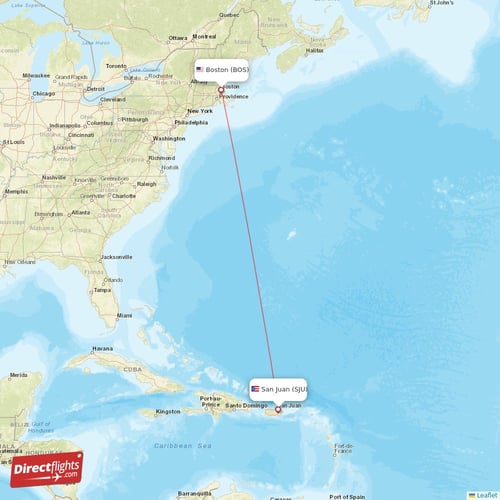
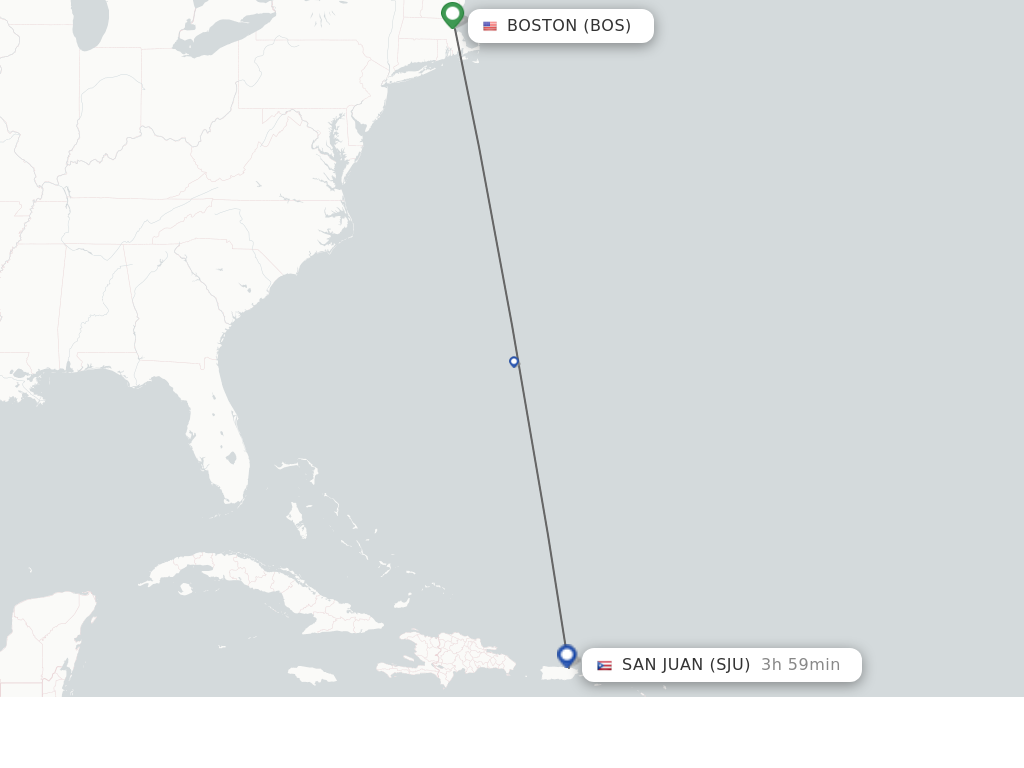
Direct flights from Logan International Airport in Boston to Luis Muñoz Marín International Airport in San Juan, Puerto Rico are the most efficient option. These flights typically have the shortest travel time. The average flight duration for a direct flight is usually between 3 hours and 45 minutes to 4 hours and 30 minutes. This is the time spent in the air, from takeoff to landing. Airlines like JetBlue and Spirit Airlines often operate direct routes on this popular corridor. The exact time can vary slightly based on factors such as wind speed, aircraft type, and the specific flight path chosen by the airline for that particular day.
Connecting Flights
Flights with one or more stops will, by definition, take considerably longer. The total travel time for a connecting flight can range from 6 hours to over 10 hours, depending on the layover duration and location. Layover cities can include hubs like Charlotte Douglas International Airport, Atlanta Hartsfield-Jackson International Airport, or even cities further north or west, depending on the airline’s network. When considering a connecting flight, it’s essential to factor in not only the flight segments but also the time spent in the airport waiting for your next plane, navigating through terminals, and potentially changing gates.
Airline and Aircraft Type
While the distance between Boston and San Juan remains constant, the type of aircraft used can subtly influence flight times. Newer, more fuel-efficient jets often fly at higher cruising altitudes and speeds, potentially shaving a few minutes off the journey. However, the difference is usually marginal for this specific route. The primary differentiator remains the airline’s chosen flight path and schedule, which is often influenced by operational efficiencies and air traffic control considerations.
Weather Conditions
Adverse weather conditions can significantly impact flight schedules and durations. Both in Boston and Puerto Rico, or along the flight path, storms, heavy winds, or fog can lead to delays in departure, air traffic control holding patterns, or altered flight paths to avoid turbulence. While airlines strive to maintain their schedules, Mother Nature can sometimes necessitate adjustments that extend travel time.
Time of Day and Day of Week
While not directly impacting airborne time, the time of day and day of the week can influence the overall travel experience and perceived duration. Flights departing during peak travel times (early mornings, late afternoons, or weekends) might experience longer queues at security checkpoints and gates in Boston. Conversely, choosing a mid-week, off-peak flight could result in a smoother, quicker process through the airport, making the journey feel less arduous.
Planning Your Travel to Puerto Rico
Once you have a clear understanding of flight durations, you can begin to meticulously plan your trip to Puerto Rico. This involves not just booking the right flight but also considering the practicalities of arrival and departure.
Booking Your Flight
When searching for flights, pay close attention to the advertised duration. Look for direct flights if your priority is minimizing travel time. If you’re on a budget or have more flexibility, connecting flights can sometimes offer significant savings, but always weigh this against the additional time and potential stress. Websites and apps that compare flights often provide estimated total travel times, including layovers, which is incredibly useful for making an informed decision.
Airport Procedures
Remember that the flight duration is only a part of your travel time. You need to account for:
- Arrival at the Airport: For domestic flights within the United States, it’s generally recommended to arrive at Logan International Airport at least 2 hours before departure. For international travel, this recommendation increases, but since Puerto Rico is a U.S. territory, it’s treated similarly to domestic travel in terms of documentation.
- Check-in and Security: The time spent in check-in lines and going through TSA security can vary greatly depending on the time of day and season.
- Boarding: Boarding usually begins 30-60 minutes before the scheduled departure time.
- Deplaning and Baggage Claim: Upon arrival in San Juan, you’ll need time to disembark and, if you checked luggage, wait at baggage claim. This can add another 15-45 minutes to your arrival process.
- Ground Transportation: Once you’ve collected your luggage, you’ll need to arrange transportation from Luis Muñoz Marín International Airport to your accommodation. This could involve taxis, ride-sharing services, or pre-booked shuttles.
Arrival in Puerto Rico
San Juan is your gateway to the island’s diverse attractions. From historical sites in Old San Juan to the bioluminescent bays and stunning beaches of the outer islands, the journey from the airport is just the beginning of your adventure. Understanding the flight time helps you optimize your first day on the island, allowing you to settle in and start exploring without feeling rushed.
Maximizing Your Puerto Rican Experience
Knowing the flight duration allows for better trip planning, ensuring you make the most of your time in Puerto Rico.
Itinerary Planning
If you have a short trip, opting for a direct flight is almost essential to maximize your time for activities. For example, a flight departing Boston in the morning could have you landing in San Juan in the afternoon, leaving you with ample time to check into your hotel, perhaps in areas like Condado or Isla Verde, and enjoy dinner. Conversely, a longer connecting flight might mean arriving in the evening, limiting your first day’s activities.
Choosing Your Accommodation
The time of your arrival can also influence your choice of accommodation. If you anticipate a late arrival, consider hotels near the airport like the InterContinental San Juan or the Courtyard by Marriott San Juan Airport for convenience. If your flight arrives earlier and you’re eager to explore, accommodations in the heart of Old San Juan or the lively districts of Santurce might be more appealing.
Budgeting for Travel Time
Don’t underestimate the impact of travel time on your overall vacation budget. Longer travel days mean less time for sightseeing and relaxation, potentially reducing the value you get from your trip. If a significantly cheaper connecting flight means an extra 6 hours of travel, consider if the savings are worth the lost vacation time.
In conclusion, the flight from Boston to Puerto Rico is a journey that, for direct flights, typically spans around 4 hours. However, this figure is a baseline, and travelers should always prepare for potential variations due to connecting flights, weather, and airport procedures. A well-informed traveler is a well-prepared traveler, and understanding these flight details is the first step towards an unforgettable Caribbean adventure.
LifeOutOfTheBox is a participant in the Amazon Services LLC Associates Program, an affiliate advertising program designed to provide a means for sites to earn advertising fees by advertising and linking to Amazon.com. Amazon, the Amazon logo, AmazonSupply, and the AmazonSupply logo are trademarks of Amazon.com, Inc. or its affiliates. As an Amazon Associate we earn affiliate commissions from qualifying purchases.