
Understanding California’s Avocado Landscape
California, a state synonymous with innovation, sunshine, and a vibrant culinary scene, is also the undisputed heartland of avocado production in the United States. For travelers and culinary enthusiasts, understanding the rhythm of California’s avocado season is key to experiencing the freshest, most flavorful fruit and engaging with the local culture it inspires. The state’s unique Mediterranean climate, characterized by warm, dry summers and mild, wet winters, provides ideal growing conditions, particularly in Southern California and along the Central Coast. While avocados can be found year-round in grocery stores, experiencing them at their peak, directly from the source, offers a distinct appreciation for this beloved fruit.
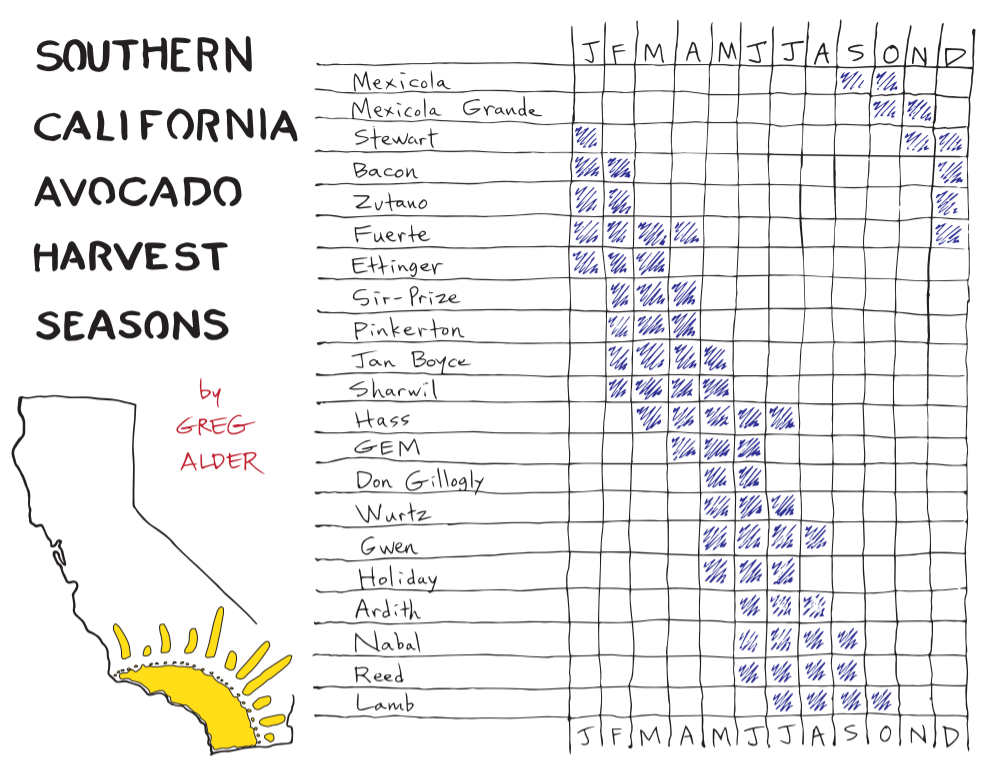
The vast majority of avocados grown in California are the Hass variety, recognizable by its dark, pebbly skin when ripe. This particular varietal dominates the market due to its rich, creamy texture, superior flavor, and longer shelf life. However, several other delightful varieties, each with its own unique characteristics and harvest windows, contribute to the state’s diverse avocado tapestry. For tourists looking to immerse themselves in local food culture, knowing when to visit to catch these different seasons can significantly enhance their travel itinerary.
Peak Season: A Culinary and Cultural Draw
The main season for California avocados, specifically the ubiquitous Hass variety, typically runs from late winter through fall, peaking significantly in the spring and summer months. This period, roughly from March to September, represents the optimal time to enjoy these creamy green gems, fresh off the tree. During these months, groves across key producing regions like San Diego County, Ventura County, and Santa Barbara County are buzzing with activity, and the fruit reaches its highest quality in terms of oil content, flavor, and texture.
For tourists, this peak season is an unparalleled opportunity to delve into the local food scene and participate in events centered around the avocado. From farm-to-table restaurants showcasing seasonal menus to vibrant farmers’ markets overflowing with freshly picked produce, the avocado’s presence is palpable.
Farmers’ Markets and Local Delights
Visiting a local farmers’ market during peak avocado season is an essential California experience. Markets in towns like Fallbrook, often dubbed the “Avocado Capital of the World,” or Carpinteria and Temecula, offer direct access to growers and their harvests. Here, visitors can not only purchase ripe avocados directly from the farmers but also discover artisanal products like avocado oil, avocado honey, avocado-infused salsas, and even avocado-based beauty products. Engaging with local farmers provides insights into the growing process and the agricultural heritage of the region, enriching the overall tourism experience. Many markets also feature food stalls where chefs creatively incorporate avocados into dishes ranging from gourmet toasts and salads to unique desserts and beverages.
Avocado Festivals and Culinary Events
The abundance of avocados during peak season gives rise to celebratory events that are a major draw for tourists. California hosts several well-known avocado festivals, most notably the Fallbrook Avocado Festival held annually in April. This event transforms the charming town into a vibrant celebration of all things avocado, featuring live music, art, cooking demonstrations, and an endless array of avocado-inspired foods. Similarly, the California Avocado Festival in Carpinteria, typically in October, brings together thousands of enthusiasts for a weekend of fun, food, and community spirit. These festivals are not just about tasting; they offer a deeper dive into the local culture, agricultural traditions, and community pride associated with California’s avocado industry. Attending one of these festivals can be a highlight for any food-focused traveler, providing a memorable blend of culinary exploration and local festivities.
Beyond Hass: Exploring Other Varieties and Their Seasons
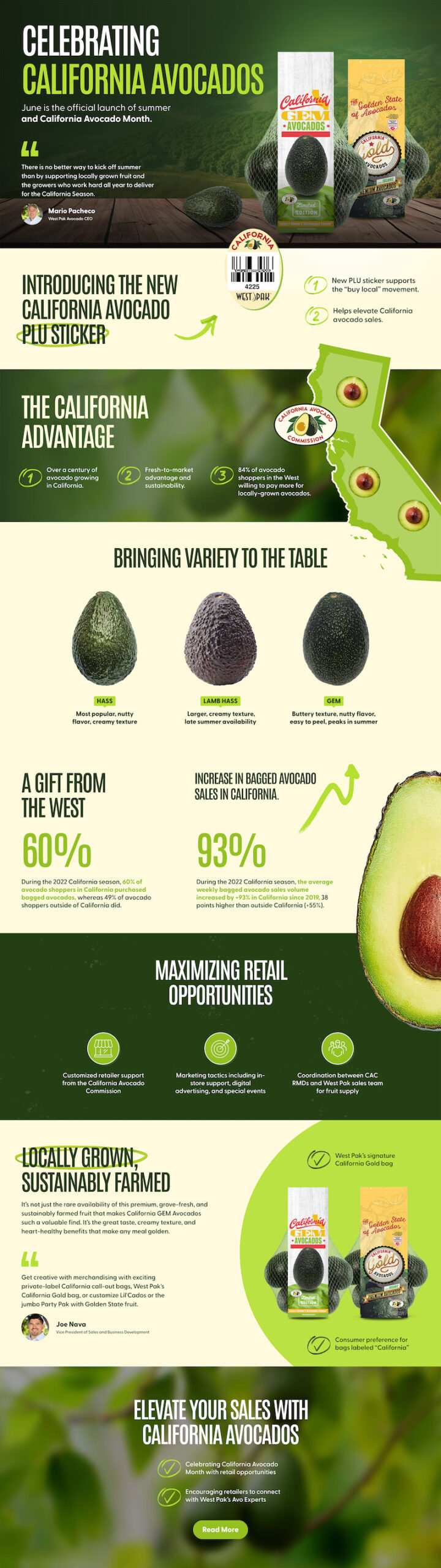
While Hass avocados dominate, California also cultivates a range of other interesting varieties, each with its own specific harvesting period, offering varied experiences throughout the year.
- Fuerte: An older, pear-shaped variety with thin, smooth, green skin that stays green even when ripe. It has a rich, nutty flavor. Its season typically runs from late fall through spring (November to May), overlapping with the start of the Hass season.
- Zutano: Known for its glossy, thin green skin and mild flavor, the Zutano is an early season variety, typically available from late fall to early winter (October to December).
- Reed: A large, round, green-skinned avocado with a creamy texture and nutty flavor, the Reed comes into season during the summer months (June to October), offering a delightful alternative to Hass later in the year.
- Bacon and Pinkerton: These varieties typically bridge the gap between late fall and early spring, offering milder flavors and different textures that can be found in specialty markets or directly from growers in winter.
Exploring these less common varieties can be a unique aspect of avocado tourism, especially for those visiting during the shoulder seasons. Many smaller farms might specialize in these distinct types, offering a chance to taste and appreciate the full spectrum of California’s avocado bounty.
The All-Year Availability Myth
While California’s avocado season provides fresh fruit for a significant portion of the year, it’s important to differentiate between locally grown, in-season fruit and avocados imported from other countries, particularly Mexico and Peru, which ensure year-round availability in stores. For the true tourism experience focused on local food culture, timing a visit to coincide with the California harvest is crucial. The flavor, texture, and overall quality of a locally picked, perfectly ripe California avocado are often distinct from those that have traveled long distances.
Planning Your California Avocado Tourism
For travelers keen on experiencing California’s avocado culture, strategic planning is essential. The prime window for the full avocado experience, encompassing festivals, farm visits, and the freshest Hass avocados, is from spring through early fall (April to September).
Farm Tours and Agritourism Experiences
Numerous avocado groves in regions like San Diego County, Ventura County, and Santa Barbara County offer agritourism experiences. These can range from guided tours through the groves, where visitors learn about cultivation techniques, harvesting, and the history of avocados in California, to “pick-your-own” opportunities during specific harvest times. Some farms also offer tasting sessions, allowing guests to sample various avocado varieties and products. Locations near cities like Oxnard, Temecula, and Fallbrook are excellent starting points for finding such immersive experiences. These tours provide not just delicious food but also an educational insight into sustainable farming practices and the dedication involved in bringing avocados to our tables.
Dining Experiences: From Groves to Tables
During avocado season, restaurants across California, particularly in regions close to the groves, elevate their menus to highlight the fresh fruit. From upscale dining establishments to casual cafes, chefs incorporate avocados into innovative dishes. Seek out eateries that proudly source ingredients locally. Many establishments will explicitly mention “local California avocados” on their menus during peak season, signaling a commitment to freshness and regional produce. Participating in cooking classes that focus on California cuisine, especially those offered in agricultural regions, can also be a fantastic way to learn how to prepare avocado-centric dishes, taking a piece of the culinary culture home with you.
The Economic and Cultural Impact of California Avocados
The avocado industry is not just a source of delicious fruit; it’s a significant economic driver and a deeply ingrained part of California’s agricultural identity. It supports thousands of jobs, contributes substantially to the state’s economy, and fosters a sense of community among growers and local residents. For tourists, engaging with this industry, whether through visiting a farm, attending a festival, or simply savoring a locally sourced avocado dish, means tapping into a rich vein of California’s heritage and lifestyle. The seasonal rhythm of the avocado harvest dictates not only what’s on the plate but also the calendar of many communities, making it a vibrant and integral component of the state’s tourism appeal.
LifeOutOfTheBox is a participant in the Amazon Services LLC Associates Program, an affiliate advertising program designed to provide a means for sites to earn advertising fees by advertising and linking to Amazon.com. Amazon, the Amazon logo, AmazonSupply, and the AmazonSupply logo are trademarks of Amazon.com, Inc. or its affiliates. As an Amazon Associate we earn affiliate commissions from qualifying purchases.