
The transcontinental journey from California to New York is one of the most frequently traveled domestic air routes in the United States. Spanning roughly 2,500 miles, this flight connects the vibrant West Coast with the bustling East Coast, bridging distinct lifestyles, cultures, and economic hubs. Whether you’re embarking on a business stay, a much-anticipated family trip, or simply exploring new destinations as part of your overall travel plans, understanding the duration of this flight is crucial for effective planning.
On average, a direct, non-stop flight from a major airport in California to one in New York typically ranges from 5 to 6 hours in the air. However, this is merely an average, and several factors can influence the actual time you spend in transit. From the specific departure and arrival airports to the type of aircraft, prevailing weather conditions, and whether you opt for a connecting flight, each element plays a significant role in determining your total journey time. This article will delve into these variables, providing a comprehensive guide to what you can expect when flying between these two iconic states, along with tips to make your journey as smooth and enjoyable as possible.
Understanding the Transcontinental Journey: Factors Influencing Flight Duration
Flying across a continent is a complex endeavor, and the time it takes is influenced by a multitude of factors beyond just the geographical distance. For travelers planning their trip from the Golden State to the Empire State, understanding these elements can help set realistic expectations and make informed choices.
Non-Stop vs. Connecting Flights
The most significant factor affecting your overall travel time is whether you choose a non-stop or connecting flight.
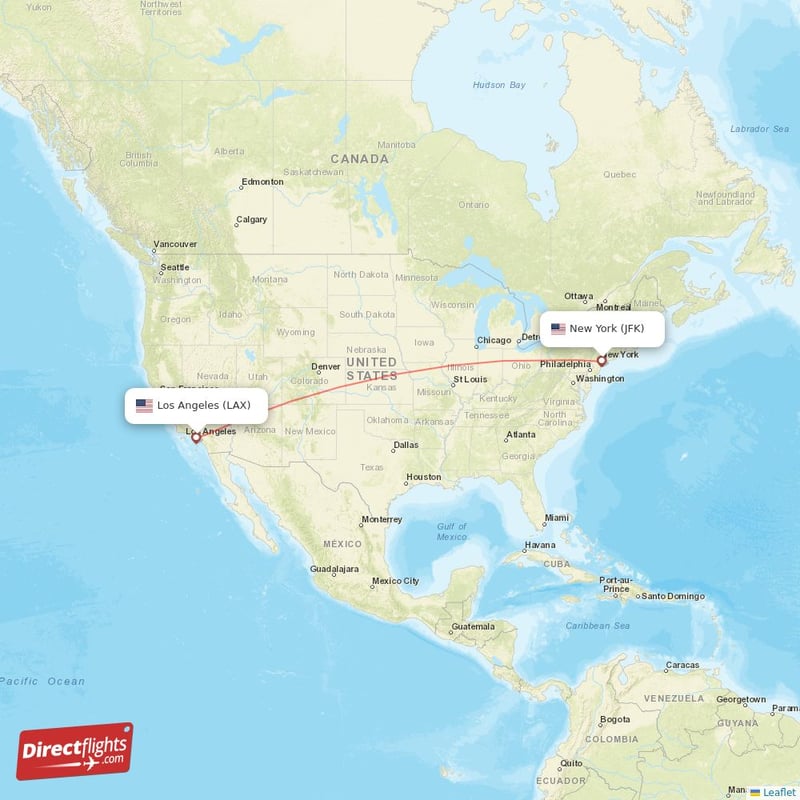
- Non-Stop Flights: These are the quickest option, as they fly directly from your departure airport to your destination without any intermediate stops. The typical duration for a non-stop flight is generally between 5 to 6 hours. For example, a flight from Los Angeles International Airport (LAX) to John F. Kennedy International Airport (JFK) will usually fall within this window. Major carriers like United Airlines, American Airlines, Delta Air Lines, and JetBlue Airways frequently offer non-stop services on this popular route.
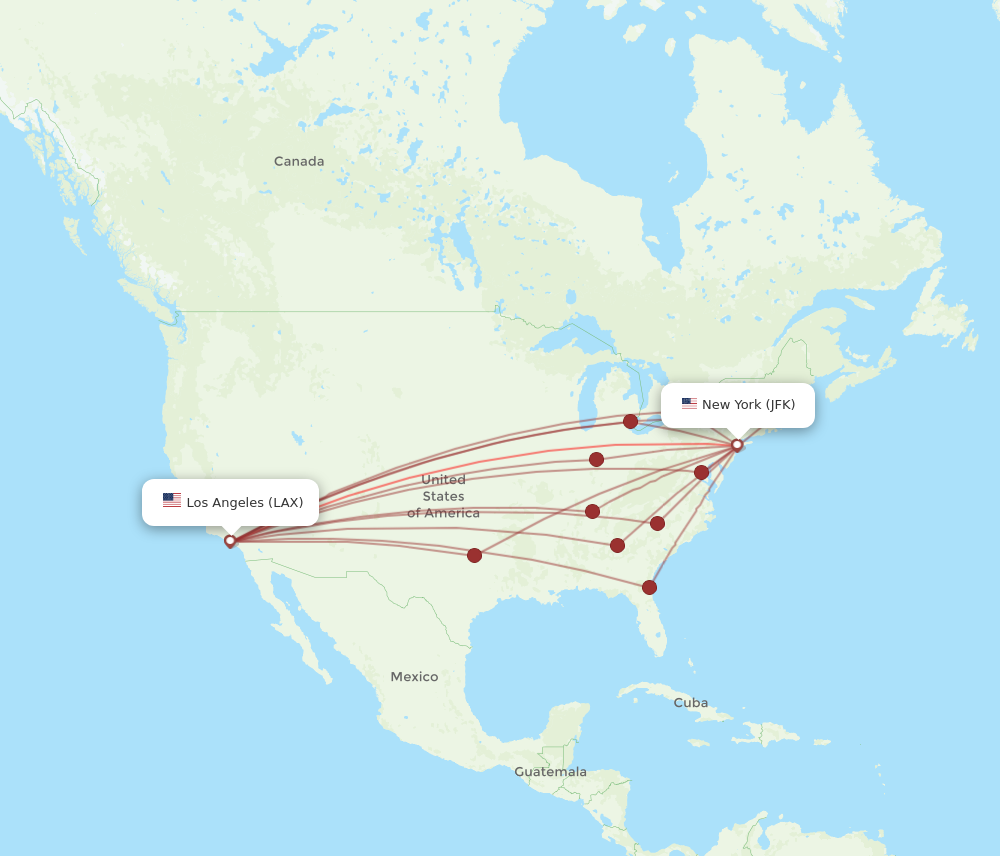
- Connecting Flights: Opting for a connecting flight will invariably extend your travel time. While the actual flight segments might be shorter, the layover period at an intermediate airport can add anywhere from 2 to 10+ hours to your journey. Common layover cities might include Chicago, Dallas, Denver, or Atlanta. While connecting flights can sometimes be more budget-friendly, the trade-off is often a significantly longer travel day. It’s crucial to factor in the total elapsed time, including layovers, when comparing options.
Aircraft Type and Speed
The specific type of aircraft used for your flight can also subtly influence flight duration. Larger, more modern planes such as the Boeing 787 Dreamliner, Boeing 777, or Airbus A330 are designed for long-haul routes and can typically cruise at higher altitudes and slightly faster speeds than older or smaller regional jets, contributing to a more efficient journey. While the difference might only be a matter of minutes, it’s still a factor in overall efficiency. For those interested in the intricacies of travel logistics, understanding the capabilities of different aircraft types adds another layer to flight planning.
Weather Conditions and Air Traffic Control
Nature and infrastructure play an unpredictable role in flight times.
- Wind Conditions: One of the most common influencers is wind. Flights traveling eastward, from California to New York, often benefit from tailwinds (winds blowing in the same direction as the aircraft), which can reduce flight time by 30 minutes or even more. Conversely, westbound flights frequently encounter headwinds, extending the journey. This is why a flight from New York to California often takes longer, typically 6-7 hours.
- Storms and Turbulence: Severe weather such as thunderstorms, snowstorms, or strong crosswinds can lead to delays, diversions, or rerouting, all of which extend flight time. Pilots may need to navigate around turbulent areas, adding miles and minutes to the journey.
- Air Traffic Control (ATC) Delays: High air traffic volume, especially around major hubs like New York airports (JFK, Newark Liberty International Airport (EWR), LaGuardia Airport (LGA)), can result in ground holds, delayed takeoffs, or holding patterns in the air. These can add significant time to your overall trip, sometimes pushing a 5.5-hour flight closer to 6 or even 7 hours.
Time Zone Differences and Scheduling
While not directly impacting “in-air” flight duration, the three-hour time difference between Pacific Time and Eastern Time is crucial for travelers to consider. When flying from California to New York, you’ll “lose” three hours on the clock. For instance, a 9:00 AM departure from Los Angeles arriving after 5.5 hours of flight time would land you in New York around 5:30 PM local time. This can significantly impact your arrival day plans and necessitate strategies for managing jet lag, a common aspect of transcontinental travel.
Navigating the Major Hubs: Your Gateway to the East Coast

The choice of departure and arrival airports can significantly streamline or complicate your travel experience. California and New York are home to some of the busiest airports in the world, each with its unique characteristics and connectivity. Understanding these hubs is key to planning an efficient journey.
Departing from California
California offers several major international airports from which to begin your transcontinental journey.
- Los Angeles International Airport (LAX): Located in Los Angeles, California, LAX is one of the busiest airports globally and a primary gateway from the West Coast. It offers the most frequent non-stop flights to New York, often with multiple daily departures to JFK, EWR, and LGA. LAX is conveniently located for those starting their journey from Los Angeles, Hollywood, or Santa Monica.
- San Francisco International Airport (SFO): Serving the San Francisco Bay Area, SFO is another major hub with extensive non-stop service to New York. Travelers from San Francisco, known for landmarks like the Golden Gate Bridge, will find SFO to be their most convenient option.
- Other Notable Airports: While LAX and SFO offer the most direct options, other airports like San Diego International Airport (SAN) and Oakland International Airport (OAK) also provide flights to New York, though they might have fewer direct routes or involve a connecting flight. When planning, consider your proximity to these airports and the trade-offs between travel to the airport and the number of direct flight options.
Arriving in New York
Upon arrival, the New York metropolitan area is served by three major airports, each catering to different types of travelers and offering varying levels of convenience to specific parts of the city.
- John F. Kennedy International Airport (JFK): Located in Queens, New York, JFK is the primary international gateway to the city. It offers the widest range of amenities and connections to public transportation, including the AirTrain, which connects to the subway and commuter rail lines, making it accessible to Manhattan and beyond. Due to its size and international status, flights to and from JFK are often abundant.
- Newark Liberty International Airport (EWR): Situated in Newark, New Jersey, EWR is another major hub serving the New York City area. It is particularly convenient for travelers heading to Midtown Manhattan or destinations in New Jersey, with direct train services like NJ Transit and Amtrak linking the airport to Penn Station in Manhattan. Many airlines, including United Airlines, use EWR as a significant hub.
- LaGuardia Airport (LGA): Also located in Queens, LGA is primarily focused on domestic flights. After extensive renovations, it offers a modern and efficient experience, particularly for travelers heading to Manhattan or other boroughs like Queens and Brooklyn. While it doesn’t have direct rail access, bus connections and ride-sharing services are plentiful. Flights from California often land here, especially if you are looking for slightly shorter travel times to Midtown.
When choosing your arrival airport, consider not just the flight duration, but also the ease of getting to your final accommodation or meeting point. Factors such as taxi costs, public transit options, and potential traffic congestion from each airport can add significant time and expense to your post-flight journey.
Enhancing Your Transcontinental Flight Experience
A journey across the country, even if just 5-6 hours in the air, requires a bit of preparation to ensure maximum comfort and minimize potential stressors. Integrating elements of lifestyle and smart travel choices can transform a mundane flight into a part of your overall experience.
Preparing for a Long Flight
Thoughtful preparation can make a world of difference on a transcontinental flight.
- Packing Essentials: Beyond your main luggage, a well-stocked carry-on is crucial. Include items like a neck pillow, eye mask, earplugs or noise-canceling headphones, and a light blanket or shawl for comfort. Hydration is key, so bring an empty water bottle to fill after security. Personal hygiene items such as a toothbrush, toothpaste, and moisturizer can also help you feel refreshed.
- Entertainment: While most airlines offer in-flight entertainment, having your own options—like downloaded movies, e-books, podcasts, or music—ensures you’re never bored, especially if screens aren’t working or you prefer your own content.
- Comfortable Attire: Dressing in loose, comfortable layers is advisable. Compression socks can help with circulation and prevent swelling, which is beneficial on longer flights.
- Dealing with Jet Lag: The three-hour time change can lead to jet lag. To mitigate this, try to adjust your sleep schedule a few days before your flight, hydrating well, and getting some light exercise upon arrival. Exposure to natural light at your destination can also help reset your internal clock.
Choosing the Right Airline and Cabin Class
The choice of airline and cabin class significantly impacts your comfort and overall flight experience.
- Airline Options: Many reputable airlines operate the California to New York route, including United Airlines, American Airlines, Delta Air Lines, JetBlue Airways, Alaska Airlines, and Southwest Airlines. Each offers different amenities, service levels, and pricing structures. It’s often worthwhile to check reviews and comparisons to find an airline that aligns with your preferences.
- Cabin Classes:
- Economy Class: The most common and budget-friendly option. While seats are standard, some airlines offer “Economy Plus” or “Main Cabin Extra” with extra legroom for a small fee, which can be a worthy upgrade for a 5-6 hour flight.
- Business Class / First Class: For those seeking a luxury travel experience, business and first-class cabins offer lie-flat seats, gourmet meals, premium entertainment, and dedicated service. While a significant investment, the added comfort can be invaluable, especially for business stays or special occasions.
- Budget Travel: If cost is the primary concern, consider basic economy fares, but be aware of restrictions on seat selection, baggage, and changes. Sometimes, connecting flights can also offer lower fares, though at the expense of time.
Post-Arrival: Accommodation and Exploration in New York
Once you land in New York, the excitement begins. The city is a world unto itself, offering unparalleled attractions, culture, and activities.
- Accommodation Options: New York boasts a vast array of hotels, from luxury resorts and boutique hotels to budget-friendly options, suites, and apartments for long-term stays. Iconic establishments like The Plaza Hotel or the JW Marriott Essex House New York offer a quintessential New York experience with excellent amenities. For those looking for competitive pricing and booking convenience, many platforms offer comparison tools.
- Exploring Landmarks and Attractions: Dive into the vibrant tourism scene. Visit famous places like Times Square, take a stroll through Central Park, or embark on a ferry to see the Statue of Liberty and Ellis Island. Explore diverse neighborhoods for their unique food, architecture, and history. From Broadway shows to world-class museums, the options for activities are endless. Don’t forget to check out local guides and tips to make the most of your visit.
In conclusion, a flight from California to New York is a relatively swift transcontinental journey, typically taking 5 to 6 hours on a non-stop service. However, factors like airport choice, aircraft type, weather, and air traffic control can influence the actual duration. By understanding these variables, preparing adequately for your flight, and planning your post-arrival logistics and accommodation, you can ensure a smooth and enjoyable travel experience as you bridge the distance between these two iconic American states. Whether for business or leisure, the journey is just the beginning of your New York adventure.
LifeOutOfTheBox is a participant in the Amazon Services LLC Associates Program, an affiliate advertising program designed to provide a means for sites to earn advertising fees by advertising and linking to Amazon.com. Amazon, the Amazon logo, AmazonSupply, and the AmazonSupply logo are trademarks of Amazon.com, Inc. or its affiliates. As an Amazon Associate we earn affiliate commissions from qualifying purchases.