
Embarking on a journey from the bustling heart of the Midwest, Chicago, to the sprawling metropolis of Houston in the heart of Texas is a common travel path for business professionals, tourists, and those visiting family alike. While the precise duration of a flight might seem like a straightforward question, the reality involves a myriad of factors that can influence the total time spent traveling. Understanding these variables is key to planning an efficient and enjoyable trip. This guide delves into the specifics of flight times, the entire travel experience, and tips for optimizing your journey between these two vibrant American cities.
The Core Flight Duration: What to Expect
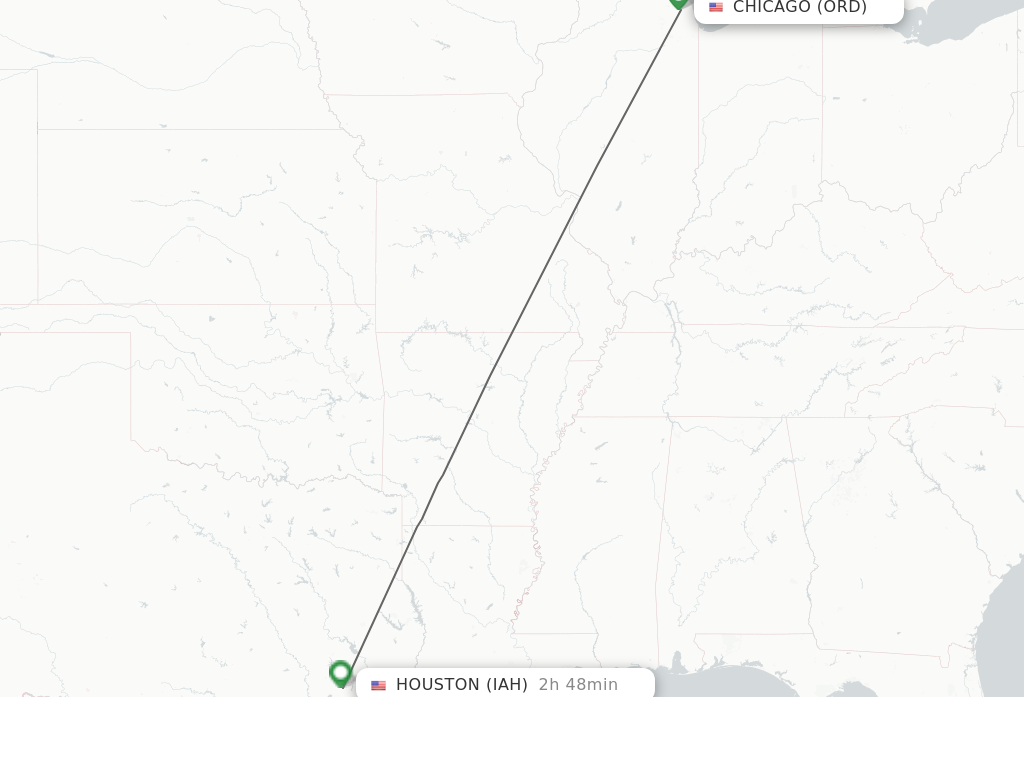
The actual time an aircraft spends in the air, often referred to as “block time” or “airtime,” is the most fundamental component of your flight duration. For a direct flight from Chicago to Houston, this typically falls within a consistent range, but slight variations are normal.
Direct Flights vs. Connecting Flights
When considering flight duration, the first and most significant distinction is between direct (or non-stop) and connecting flights.
A direct (non-stop) flight from Chicago to Houston usually clocks in at approximately 2 hours and 40 minutes to 3 hours and 15 minutes. This is the most efficient option for airtime, as it involves no layovers or plane changes. Major carriers like United Airlines, American Airlines, and Southwest Airlines frequently operate non-stop routes between these two cities.
Connecting flights, on the other hand, can significantly extend your travel time. While the individual flight segments might be shorter, the total journey time includes layovers, which can range from a quick 45-minute sprint through an airport to a multi-hour wait. A connecting flight from Chicago to Houston could easily span anywhere from 5 to 10 hours or more, depending on the number and length of layovers. While often cheaper, connecting flights demand more time and patience.
Factors Influencing Flight Time
Even for direct flights, the precise duration can fluctuate due to several dynamic factors:
- Aircraft Type: Larger, faster jets can sometimes shave a few minutes off the flight time compared to smaller, regional aircraft. However, for a popular route like Chicago to Houston, most airlines use similar medium-haul jets, so this factor often has a minimal impact.
- Headwinds and Tailwinds: Atmospheric conditions play a crucial role. Flying with a strong tailwind (wind blowing in the same direction as the aircraft) can shorten the journey, while flying against a strong headwind (wind blowing opposite to the aircraft’s direction) can extend it. This is a common variable that can add or subtract 10-20 minutes from the estimated flight time.
- Air Traffic Control (ATC) and Congestion: Both Chicago’s airports and Houston’s airports are major hubs, and air traffic can be dense, especially during peak travel times. Delays due to ground traffic, runway availability, or holding patterns in the air can add minutes to the total flight time.
- Flight Path Optimization: Air traffic controllers constantly adjust flight paths to avoid weather, minimize congestion, and find the most fuel-efficient routes, which can slightly alter the actual distance covered and thus the time taken.
Major Airports Serving the Route
Understanding which airports you’ll be flying from and to is essential for planning your ground transportation and overall logistics.
In Chicago, the primary airports are:
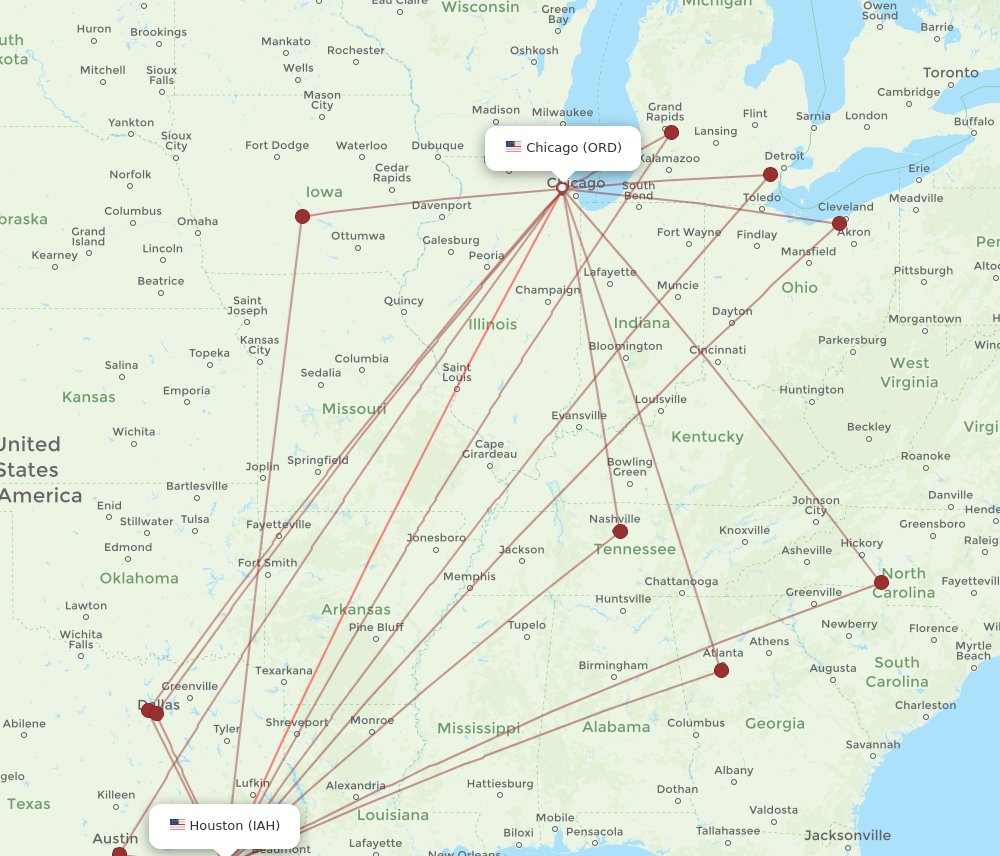
- O’Hare International Airport (ORD): One of the busiest airports in the world, O’Hare International Airport handles a vast number of domestic and international flights. Many major carriers operate non-stop flights to Houston from here.
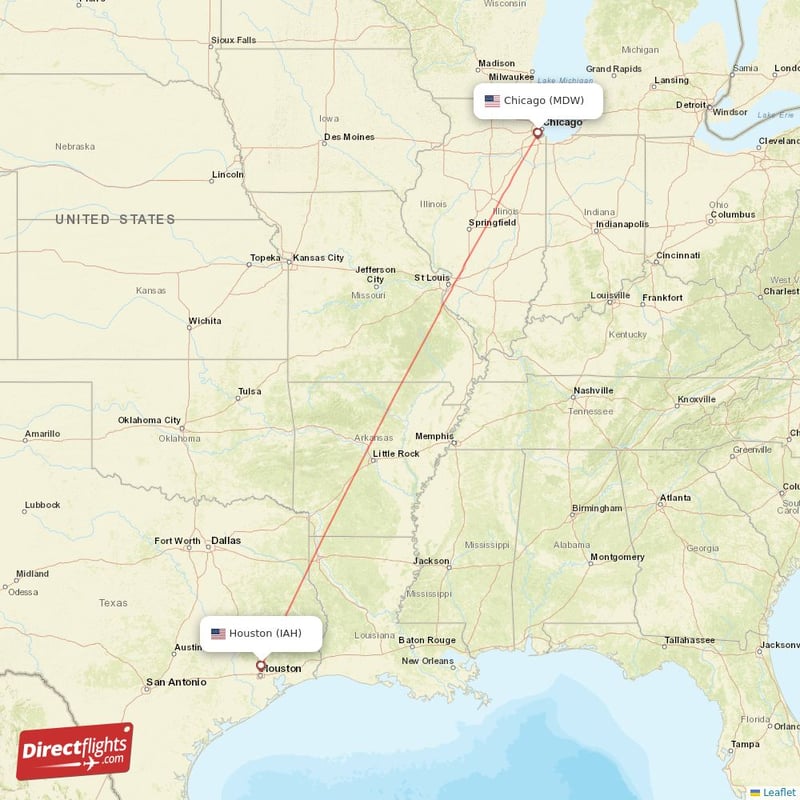
- Midway International Airport (MDW): A smaller, but still significant, airport primarily served by Southwest Airlines. Midway International Airport often offers direct flights to Houston as well, typically to William P. Hobby Airport.
In Houston, the main airports are:
- George Bush Intercontinental Airport (IAH): Houston’s largest airport and a major hub for United Airlines. Most non-stop flights from O’Hare International Airport will land here.
- William P. Hobby Airport (HOU): Closer to downtown Houston and primarily served by Southwest Airlines. Flights from Midway International Airport often arrive at William P. Hobby Airport.
Choosing your departure and arrival airports can impact not just the flight options but also your ground transportation time and cost, a crucial element of the overall travel experience.
Beyond Airtime: The Total Travel Experience
While the actual time spent airborne is important, it represents only a fraction of your overall travel commitment. The “door-to-door” travel time encompasses everything from leaving your home to arriving at your final destination in Houston.
Pre-Flight Considerations
Your journey begins long before the aircraft takes off.
- Travel to the Airport: Depending on your location within Chicago or its suburbs, getting to O’Hare International Airport or Midway International Airport can take anywhere from 30 minutes to 2 hours by car, public transit, or rideshare, especially during peak traffic.
- Check-in and Bag Drop: Even if you check-in online, dropping off luggage can take time. Allow at least 30-60 minutes for this, depending on the airline and airport congestion.
- Security Screening: This is often the most unpredictable part of pre-flight. While programs like TSA PreCheck or Clear can expedite the process, standard security lines can range from 15 minutes to over an hour during busy periods. Aim to be at the airport at least 2 hours before a domestic flight, or 3 hours if traveling during peak times or holidays.
- Boarding: Boarding typically begins 30-45 minutes before the scheduled departure time. Factoring in walking to your gate, making last-minute purchases, or simply relaxing, this adds to your total airport time.
Post-Arrival Logistics
Once your flight lands in Houston, the journey isn’t over.
- Deplaning: Depending on your seat location and the aircraft size, deplaning can take 10-20 minutes.
- Baggage Claim: If you checked luggage, waiting for it at the carousel can add another 15-45 minutes to your arrival time.
- Ground Transportation: From George Bush Intercontinental Airport or William P. Hobby Airport, getting to downtown Houston or specific neighborhoods can take anywhere from 30 minutes to over an hour, again depending on traffic, time of day, and your chosen mode of transport (taxi, rideshare, shuttle, public bus).
Considering all these elements, a non-stop flight that is 3 hours in the air can easily translate into a 6-8 hour door-to-door travel day. For connecting flights, this could extend to 10-15 hours or more.
Airport Experience and Amenities
Both Chicago and Houston offer impressive airport experiences with a wide array of amenities designed to make your wait more comfortable, or even enjoyable.
Chicago Airports: O’Hare International Airport is renowned for its diverse dining options, retail stores, and amenities like yoga rooms and art exhibits. Midway International Airport, while smaller, also provides a good selection of restaurants and shops.
Houston Airports: George Bush Intercontinental Airport boasts numerous dining establishments, shopping opportunities, and even a “Kids’ Zone.” William P. Hobby Airport offers a streamlined experience with various eateries and services. Utilizing these amenities can help pass the time during layovers or pre-flight waits.
Optimizing Your Journey: Tips for a Smoother Flight
Making your trip from Chicago to Houston as efficient and pleasant as possible involves some strategic planning.
Best Times to Fly
Timing your flight can significantly impact not just the price but also the overall travel experience:
- Time of Day: Early morning flights (before 8 AM) or late-night flights (after 8 PM) often face less air traffic and shorter security lines. Mid-day flights tend to be busier and potentially more susceptible to delays.
- Day of Week: Tuesdays, Wednesdays, and Saturdays are generally the cheapest and least crowded days to fly. Weekends, Mondays, and Fridays are typically peak travel days.
- Season: Summer and holiday periods see increased travel demand, higher prices, and more potential for delays. Traveling during shoulder seasons (spring and fall, excluding major holidays) can offer a more relaxed experience.
Choosing the Right Airline and Aircraft
While the flight duration is relatively constant for direct flights, the in-flight experience can vary:
- Airline Reputation: Consider airlines known for punctuality and good customer service. For the Chicago-Houston route, major carriers include United Airlines, American Airlines, Southwest Airlines, and Delta Air Lines.
- Aircraft Comfort: If you have a preference for seat pitch, legroom, or specific amenities (like in-flight Wi-Fi or entertainment systems), check the aircraft type assigned to your flight. While most flights on this route use similar narrow-body jets, slight differences exist.
- Budget vs. Comfort: Low-cost carriers might offer cheaper fares but often come with fewer amenities and stricter baggage rules. Full-service carriers may be pricier but include perks like complimentary drinks or entertainment.
Preparing for Your Flight
A well-prepared traveler is a happy traveler:
- Packing Smart: Pack essentials in your carry-on, including any medications, valuables, and a change of clothes in case your checked bag is delayed. Utilize packing cubes for efficient organization.
- In-flight Entertainment: While many airlines offer Wi-Fi or seat-back entertainment, it’s always wise to download movies, TV shows, podcasts, or e-books to your personal devices beforehand, especially for a ~3-hour flight where connectivity might be spotty.
- Comfort Items: A neck pillow, eye mask, earplugs, and a light blanket or sweater can make a significant difference in your comfort level, especially if you plan to nap.
- Hydration and Snacks: Airport food and drinks can be expensive. Bring an empty reusable water bottle to fill after security and pack some healthy snacks to avoid reliance on pricey airport or in-flight options.
What to Do on a Flight from Chicago to Houston (In-flight Experience)
A three-hour flight is long enough to get some things done, yet short enough not to feel like an arduous journey.
Entertainment Options
- Watch a Movie or TV Show: Many airlines now offer seat-back screens or allow streaming to personal devices. Otherwise, prepare your own downloaded content.
- Read a Book or Magazine: A perfect opportunity to catch up on your reading list.
- Listen to Music or Podcasts: Create a playlist beforehand to relax or stay energized.
Staying Comfortable and Productive
- Work: If you’re traveling for business, a three-hour flight offers a good block of uninterrupted time to work on a laptop (ensure it’s charged!) or review documents.
- Rest: For leisure travelers, a short nap can help you arrive refreshed.
- Stretch and Move: Periodically stretch in your seat or take a short walk to the lavatory to maintain circulation.
Maximizing Your Time
This flight duration is ideal for bridging the gap between work and leisure. You can use the first hour to clear some work, the second hour for entertainment, and the third hour to prepare for arrival, reviewing plans for your destination or simply relaxing.
Exploring the Destinations: A Glimpse of Chicago and Houston
While this article focuses on the journey, it’s worth briefly touching upon the vibrant destinations awaiting you.
Brief Overview of Chicago
As your departure city, Chicago, Illinois, is a global hub for finance, culture, industry, and education. Known for its stunning architecture, world-class museums like the Art Institute of Chicago, iconic landmarks like Millennium Park and the Loop skyline, and a legendary food scene (deep-dish pizza, anyone?), Chicago offers endless attractions before you even depart. Its airports are gateways to the nation, reflecting its status as a major Midwest hub.
Brief Overview of Houston
Upon arrival, Houston welcomes you with a different, yet equally captivating, charm. The largest city in Texas and the Southern United States, Houston is a diverse metropolis famed for its contributions to the energy industry, space exploration (home to Space Center Houston), and a thriving arts and culinary scene. Its expansive Museum District, lush green spaces, and a welcoming Southern hospitality make it a compelling destination for any traveler.
In conclusion, a direct flight from Chicago to Houston typically takes between 2 hours 40 minutes and 3 hours 15 minutes in the air. However, the complete travel experience, from your doorstep to your final destination, can easily stretch to 6-8 hours or more. By understanding the various components of your journey and employing smart travel strategies, you can ensure a smooth, efficient, and enjoyable transition between these two dynamic American cities.
LifeOutOfTheBox is a participant in the Amazon Services LLC Associates Program, an affiliate advertising program designed to provide a means for sites to earn advertising fees by advertising and linking to Amazon.com. Amazon, the Amazon logo, AmazonSupply, and the AmazonSupply logo are trademarks of Amazon.com, Inc. or its affiliates. As an Amazon Associate we earn affiliate commissions from qualifying purchases.