
For anyone considering a move, an extended stay, or even evaluating long-term career prospects within the Heart of Dixie, understanding the legal landscape of employment is as crucial as exploring its vibrant culture or scenic beauty. Alabama, much like the majority of U.S. states, operates under the principle of “at-will employment.” This legal doctrine significantly shapes the relationship between employers and employees, influencing career stability, personal planning, and overall lifestyle choices for residents and prospective newcomers alike. While the state boasts charming cities like Birmingham, Montgomery, and Huntsville, and offers a unique blend of history, hospitality, and economic opportunities, its employment laws are a fundamental consideration for anyone looking to establish roots or undertake significant professional endeavors here.
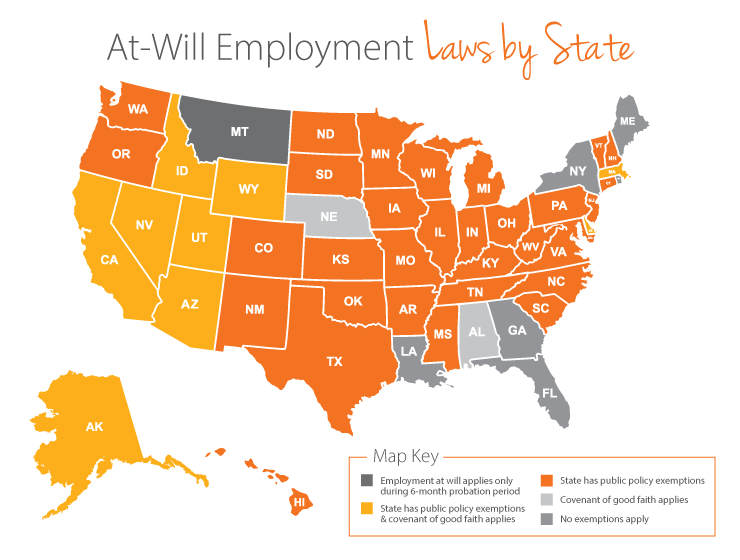
This article delves into what “at-will employment” truly means in Alabama, its implications for both the workforce and businesses, and how understanding these nuances can inform your lifestyle and career decisions when contemplating life in this Southern state. From the bustling tech corridors of Huntsville to the historic streets of Mobile, the at-will doctrine is a constant backdrop to the professional experience, impacting everything from job security to negotiation strategies. For those dreaming of a new chapter in Alabama, grasping this legal framework is an essential step toward informed and confident planning, ensuring your professional life aligns seamlessly with your personal aspirations.
Understanding At-Will Employment in Alabama
The core concept of at-will employment is often misunderstood, yet it is a cornerstone of the employment relationship in most American jurisdictions. In Alabama, this principle dictates the fundamental flexibility in the employer-employee dynamic, enabling either party to terminate the employment relationship under broad conditions.
Defining At-Will Employment
At its simplest, “at-will employment” means that an employer can terminate an employee for any reason, no reason, or even a morally objectionable reason, as long as it’s not an illegal reason. Conversely, an employee is also free to leave their job at any time, for any reason, without notice (though professional courtesy often dictates providing it). This mutual freedom defines the “at-will” nature of the relationship, contrasting sharply with employment contracts that often specify terms for termination.
In Alabama, the doctrine has been firmly upheld by state courts. This means that without a specific contract, union agreement, or legal exception, an employment relationship is presumed to be at-will. This broad interpretation offers considerable flexibility to businesses but places a significant onus on employees to understand their rights and the parameters of their employment. For individuals evaluating job offers or considering relocation, this foundational understanding is paramount to setting realistic expectations about job security and professional longevity.
What This Means for Employees and Employers
For employees, at-will employment can translate into less job security than might be found in countries or states with stricter labor laws. The absence of a “just cause” requirement for termination means that an employer does not need to provide a reason for letting an employee go, which can create an environment of uncertainty. This dynamic underscores the importance of maintaining a strong professional record, open communication, and potentially seeking roles that offer written employment agreements for greater security, if that is a personal priority. It also highlights the need for careful financial planning, given the potential for abrupt changes in employment status.
For employers, the at-will doctrine provides significant operational flexibility. It allows businesses to adapt quickly to changing economic conditions, adjust staffing levels, and manage performance issues without the burden of extensive legal processes to justify termination. This flexibility can be particularly attractive to companies considering establishing or expanding operations in Alabama, as it offers agility in workforce management. However, even with at-will employment, employers must remain vigilant about compliance with anti-discrimination laws and other federal and state regulations to avoid legal challenges.
Key Exceptions to At-Will Employment
While the at-will doctrine is broad, it is not absolute. Several crucial exceptions provide legal protections for employees in Alabama, mitigating the employer’s unfettered right to terminate. Understanding these exceptions is vital for both employees and employers.
The primary exceptions include:
- Public Policy Exception: An employer cannot fire an employee for reasons that violate a clear public policy mandate. This often includes firing an employee for refusing to commit an illegal act, reporting unlawful activities (whistleblowing), or exercising a legal right (such as filing a worker’s compensation claim or serving on a jury). Alabama recognizes a narrow public policy exception, primarily related to retaliatory discharge for filing worker’s compensation claims.
- Implied Contract Exception: While less common in Alabama due to its strong adherence to at-will principles, an implied contract can arise from employer handbooks, policies, or verbal assurances that suggest employment for a definite term or that termination will only occur for specific reasons. However, many Alabama employers explicitly include disclaimers in handbooks stating that employment is at-will to prevent such interpretations.
- Discrimination: Federal and state laws prohibit termination based on protected characteristics. The Civil Rights Act of 1964 prohibits discrimination based on race, color, religion, sex, or national origin. Other federal laws, such as the Americans with Disabilities Act (ADA) and the Age Discrimination in Employment Act (ADEA), protect against discrimination based on disability and age, respectively. Alabama also has its own state-level anti-discrimination statutes.
- Retaliation: It is illegal to terminate an employee in retaliation for engaging in protected activities, such as reporting workplace safety violations to the Occupational Safety and Health Administration (OSHA), participating in an investigation, or exercising rights under laws like the Family and Medical Leave Act (FMLA).
These exceptions provide crucial safeguards, illustrating that even in an at-will state, employer actions are not entirely unchecked.
Navigating the Work-Life Landscape in Alabama
Understanding at-will employment goes beyond just legal definitions; it directly impacts how individuals plan their careers, manage their finances, and navigate their professional lives in Alabama. For those considering relocating to cities like Tuscaloosa or Auburn, these factors are particularly pertinent.
Career Planning and Stability
In an at-will environment, strategic career planning becomes even more critical. Employees often find themselves needing to be proactive in managing their professional development and networking to ensure they remain valuable assets or have alternative opportunities. This proactive approach can involve continuous skill development, maintaining a strong professional network, and understanding the market demand for their skills in Alabama’s diverse industries, from automotive manufacturing to aerospace.
Job stability, while not guaranteed by law, can often be cultivated through strong performance, positive employer relationships, and seeking roles within companies known for fostering long-term employee engagement. For those accustomed to employment frameworks with stricter termination clauses, adapting to this aspect of the Alabama work culture may require a shift in perspective, focusing on personal resilience and continuous marketability.
Employee Protections and Rights
Despite the at-will nature, employees in Alabama are not without rights. Beyond the exceptions discussed (public policy, implied contract, discrimination, retaliation), federal laws like the National Labor Relations Act (NLRA) also protect employees’ rights to organize and engage in collective bargaining without fear of reprisal. Wage and hour laws, overseen by the U.S. Department of Labor, also set standards for minimum wage, overtime pay, and child labor, applicable to most employees in Alabama.
It is crucial for employees to educate themselves about these protections and understand where to seek assistance if they believe their rights have been violated. Resources from the Alabama Department of Labor and other state agencies are invaluable in this regard, offering guidance and support.

The Employer’s Perspective
For businesses operating in Alabama, the at-will doctrine, while offering flexibility, also comes with responsibilities. Smart employers understand that maintaining a positive work environment, providing clear communication, and implementing fair disciplinary practices are essential for talent retention and avoiding potential legal disputes. Even without a “for cause” requirement for termination, poorly handled employee exits can lead to claims of discrimination or retaliation, which can be costly and damaging to reputation.
Many Alabama companies invest in robust human resources practices, including detailed employee handbooks, performance management systems, and clear policies, not necessarily to create a “for cause” employment environment, but to ensure consistency, fairness, and compliance with all applicable laws. This thoughtful approach benefits both the employer by minimizing risk and the employees by fostering a more transparent and predictable workplace.
The Lifestyle Implications of At-Will Employment
The legal framework of at-will employment in Alabama extends beyond the workplace, subtly influencing broader lifestyle decisions for residents and those considering a move. From financial planning to community integration, understanding this aspect of the state’s legal environment is key to a well-rounded transition.
For Remote Workers and Digital Nomads
For the growing population of remote workers and digital nomads attracted to Alabama’s lower cost of living and appealing natural landscapes, the at-will status of employment might seem less directly relevant if their primary employer is based elsewhere. However, it becomes critical if they consider taking on local contracts, temporary assignments, or decide to seek traditional employment within the state. Understanding local labor laws helps in negotiating terms, setting expectations for project-based work, and understanding any state-specific nuances that might affect their professional engagements while residing in [Alabama](https://lifeoutofthebox.com/alabama].
Moreover, even for those employed remotely by out-of-state companies, the state where the employee physically resides often dictates certain aspects of employment law, particularly concerning worker’s compensation or unemployment benefits. Thus, local employment laws, including at-will principles, can still have indirect lifestyle implications regarding safety nets and legal recourse.
For Those Considering Relocation to Alabama
Individuals and families contemplating a move to Alabama for career opportunities must factor at-will employment into their decision-making. This includes:
- Financial Planning: Building a robust emergency fund is even more advisable in an at-will state, given the potential for unexpected job changes. This financial cushion provides a greater sense of security and stability.
- Job Search Strategy: Focusing on industries or companies known for strong employee relations, lower turnover, or those that offer employment contracts (common in higher-level positions or specialized fields) can be a strategic approach for those prioritizing job security.
- Networking: Establishing a strong professional and social network quickly upon arrival can be invaluable for career advancement and securing new opportunities if a job transition becomes necessary.
- Understanding Company Culture: Researching prospective employers’ cultures and policies thoroughly before accepting an offer can reveal how they manage the at-will principle in practice, offering insights into stability and employee treatment.
These considerations are integral to a smooth and successful transition, allowing individuals to integrate into Alabama’s professional and social fabric with confidence.
Economic Stability and Personal Planning
The at-will framework in Alabama contributes to a dynamic labor market, which can be a double-edged sword for economic stability. While it offers businesses flexibility, it requires individuals to be vigilant about their personal economic planning. This includes not just emergency savings but also investing in portable skills, maintaining robust insurance coverage, and possibly exploring multiple income streams to build a resilient personal economy.
For families, the implications extend to decisions about housing, schooling, and long-term community engagement. A clear understanding of the employment landscape helps families make informed choices that align with their desired lifestyle and security levels, whether they are settling in Dothan or Florence.
Legal Resources and Support in Alabama
Navigating the complexities of employment law, particularly in an at-will state, can be daunting. Fortunately, numerous resources are available in Alabama to provide guidance and support for both employees and employers.
Seeking Professional Counsel
For specific questions regarding employment rights, contract interpretation, or wrongful termination claims, consulting with an experienced employment law attorney in Alabama is highly recommended. Legal professionals can offer tailored advice based on individual circumstances, helping to clarify rights, obligations, and potential courses of action. They can assist with reviewing employment contracts, severance agreements, or representing individuals in disputes.
Moreover, many attorneys offer initial consultations, which can be an invaluable first step in understanding one’s position and options without immediate financial commitment. Websites like the Alabama State Bar can provide directories of qualified legal professionals specializing in employment law.

State and Federal Agencies
Several governmental agencies play a crucial role in upholding labor laws and providing resources to the public.
- Alabama Department of Labor: This state agency provides a wealth of information on unemployment compensation, worker’s compensation, and other state-specific labor laws. It serves as a primary point of contact for employees and employers seeking to understand their rights and responsibilities under Alabama law.
- U.S. Equal Employment Opportunity Commission (EEOC): This federal agency is responsible for enforcing federal laws that make it illegal to discriminate against a job applicant or an employee because of their race, color, religion, sex (including pregnancy, gender identity, and sexual orientation), national origin, age (40 or older), disability, or genetic information.
- U.S. Department of Labor (DOL): The DOL oversees and enforces a wide array of federal labor laws, including those pertaining to wages and hours, workplace safety (through OSHA), and family and medical leave (FMLA). Their website offers comprehensive guides and contact information for filing complaints or seeking clarification.
Leveraging these resources ensures that individuals and businesses alike can navigate the Alabama employment landscape with confidence and informed understanding.
In conclusion, Alabama is indeed an at-will employment state, a fact that carries significant implications for anyone living, working, or considering a move to this vibrant Southern locale. While it offers businesses considerable flexibility, it also places a premium on employees’ proactive career management and financial planning. By understanding the core principles of at-will employment, its exceptions, and the available legal resources, individuals can confidently navigate their professional journeys in Alabama, aligning their career aspirations with their broader lifestyle goals. Whether drawn by its burgeoning industries, rich history, or welcoming communities, an informed approach to Alabama’s employment landscape is essential for a fulfilling and stable life in the state.
LifeOutOfTheBox is a participant in the Amazon Services LLC Associates Program, an affiliate advertising program designed to provide a means for sites to earn advertising fees by advertising and linking to Amazon.com. Amazon, the Amazon logo, AmazonSupply, and the AmazonSupply logo are trademarks of Amazon.com, Inc. or its affiliates. As an Amazon Associate we earn affiliate commissions from qualifying purchases.