
Navigating the financial landscape of vehicle ownership is a fundamental aspect of establishing a comfortable and compliant lifestyle in any state, and Arizona is no exception. For both new residents planning a move to the Grand Canyon State or existing ones seeking to understand their annual expenses, deciphering the costs associated with car registration is an essential piece of the budgeting puzzle. Unlike a simple fixed fee, Arizona’s vehicle registration involves a combination of taxes and fees, influenced by several factors that can significantly alter the total amount you pay. Understanding these components is key to managing your lifestyle expenses effectively and avoiding any unexpected financial surprises.
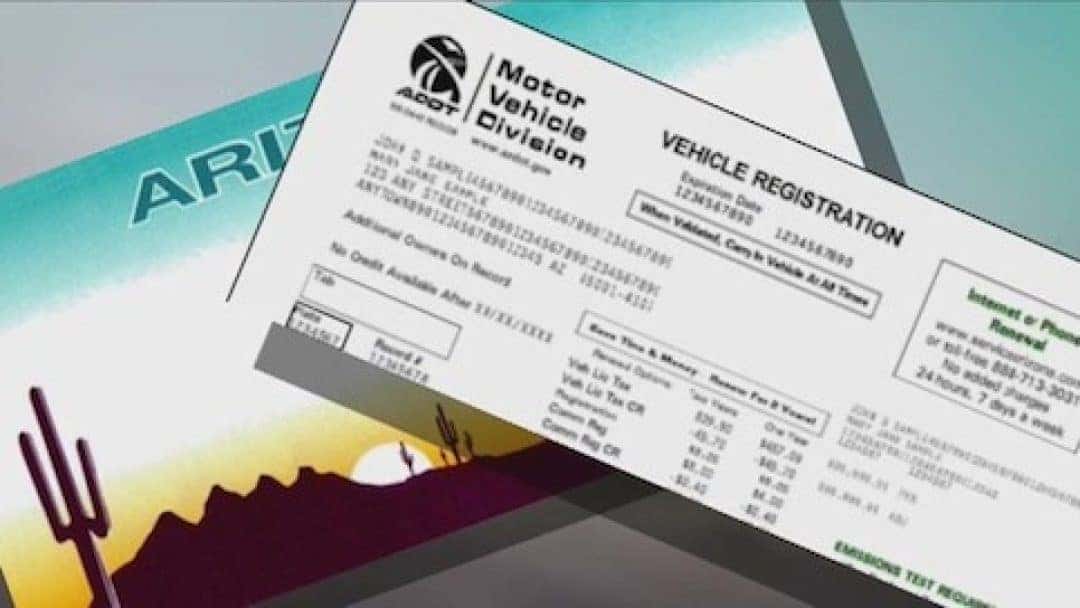
The process of registering a vehicle in Arizona is managed primarily by the Arizona Department of Transportation (ADOT), specifically through its Motor Vehicle Division (MVD). While the general framework is consistent statewide, specific fees, particularly those related to emissions, can vary based on your county of residence. This comprehensive guide will break down the costs, influencing factors, and the process itself, empowering you with the knowledge to accurately forecast your vehicle registration expenses and integrate them seamlessly into your Arizona lifestyle.
Understanding the Core Components of Arizona Car Registration Fees
When you register a car in Arizona, the total cost isn’t a single flat fee. Instead, it’s an aggregation of several distinct charges. The primary components include the Vehicle License Tax (VLT), various registration fees, and in certain areas, air quality fees. Each of these components plays a significant role in determining your overall registration expense, and understanding how they are calculated is crucial for informed financial planning.
Vehicle License Tax (VLT)
The Vehicle License Tax (VLT) is arguably the most significant portion of your annual registration cost in Arizona, and it’s often the component that causes the most confusion due to its calculation methodology. The VLT is not a sales tax, but rather an annual tax assessed on your vehicle in lieu of personal property tax. Its calculation is based on the manufacturer’s suggested retail price (MSRP) of the vehicle when it was new, rather than its current market value, and it depreciates over time.
For new vehicles, the VLT is assessed at 1.05% of 60% of the manufacturer’s suggested retail price (MSRP). This means if a car had an MSRP of $30,000 when new, the VLT for its first year would be calculated on $18,000 ($30,000 * 0.60), resulting in a tax of $189 ($18,000 * 0.0105).
As the vehicle ages, the VLT depreciates. For each subsequent year, the base value (the 60% of MSRP) is reduced by 16.25%. This depreciation continues for several years until it reaches a statutory minimum. For example, in the second year, the base value would be 16.25% less than the initial 60% of MSRP, and so on. This depreciation model means that older vehicles will generally incur a lower VLT than newer ones, reflecting a declining assessed value over time. It’s a key reason why your registration cost isn’t static year after year for the same vehicle.
Registration Fee
Beyond the VLT, there are several standard fees that contribute to the total registration cost. These fees are generally fixed and apply to most vehicles, irrespective of their value or age.
The basic registration fee is typically a relatively small, fixed amount, usually around $8 to $9. This covers the administrative costs associated with maintaining your vehicle’s record and issuing your registration documents. In addition to this, there is often a title fee (if a new title is being issued or transferred), a plate fee for new license plates, and potentially an air quality research fee that is a few dollars. These fees are much more straightforward than the VLT and contribute a predictable, albeit smaller, amount to your total. For example, a standard license plate fee is around $5, and the title fee, if applicable, is around $4. These cumulative fixed fees usually amount to under $20-$25, making them a minor but consistent part of your overall cost.
Air Quality Fees and Emissions Testing
A critical component of registration costs for residents in specific parts of Arizona relates to air quality initiatives, primarily through mandatory emissions testing and associated fees. These requirements are not statewide but are concentrated in the larger metropolitan areas where vehicle emissions pose a greater environmental concern.
Vehicles registered in parts of Maricopa County and northern Pima County (specifically the greater Tucson metropolitan area) are subject to mandatory emissions inspections. The cost for a standard emissions test is generally around $27. This fee is paid directly at the testing station, and you must pass the inspection before you can complete your vehicle registration or renewal. Certain vehicles are exempt from emissions testing, including newer vehicles (typically the most recent 5-6 model years), older vehicles (those manufactured before 1967), and some specialty vehicles. For vehicles that require testing, failure to pass will necessitate repairs and retesting, potentially adding further costs and delays to your registration process. This is a vital part of maintaining a responsible lifestyle in Arizona’s most populous regions, contributing to cleaner air.
Factors Influencing Your Total Arizona Car Registration Cost
While the core components of Arizona car registration provide a baseline, several variables can significantly adjust the final amount you pay. Understanding these influencing factors allows for more accurate budgeting and helps demystify why costs might differ from one vehicle owner to another, even within the same state.
Vehicle Type and Age
As discussed with the VLT, the age of your vehicle is a primary determinant of its registration cost. Newer vehicles, due to their higher assessed value based on MSRP, will incur a higher VLT. Conversely, older vehicles benefit from significant depreciation in their VLT calculation, leading to lower annual registration fees. For example, a car in its first year of registration might cost over $200, while the same car in its tenth year could be under $100.
Beyond age, the type of vehicle also plays a role. While the VLT calculation methodology is generally consistent, there are specific fees for different vehicle categories. Recreational vehicles (RVs), motorcycles, and commercial vehicles may have different baseline registration fees or additional taxes relevant to their class. For instance, an RV might have a different VLT schedule or additional fees for weight. This differentiation reflects the varying impact and usage patterns of different vehicle types on Arizona’s infrastructure and environmental initiatives.
County of Residence
Your geographical location within Arizona can impact your registration costs, primarily due to the localized requirement for emissions testing. As noted, residents of Maricopa County (which includes Phoenix and surrounding cities) and northern Pima County (including Tucson) are required to undergo annual or biennial emissions inspections. This adds an approximately $27 fee to their total annual vehicle expenses. If you reside in one of the many rural counties of Arizona, you are exempt from this requirement, thereby reducing your overall registration cost.
While the VLT and basic registration fees are standard statewide, certain local jurisdictions or special taxing districts could theoretically impose minor additional fees. However, the most significant county-level variation remains the emissions testing requirement. Therefore, for a lifestyle in Phoenix or Tucson, budgeting for emissions is a necessary consideration.
Specialty Plates and Other Add-ons
Arizona offers a vast array of specialty license plates, allowing vehicle owners to express their personality, support a cause, or showcase their affiliation. While visually appealing, these plates come with additional costs. Standard specialty plates typically cost an extra $25 per year, with $17 of that fee often going to the sponsoring charity or organization. Personalized plates, which allow for custom letter and number combinations, also incur an additional fee, usually around $25 for the initial issue and $25 for annual renewal, on top of the standard plate fees.
These optional add-ons, while not mandatory, can increase your annual registration expense. For those who prioritize personalization or charitable giving as part of their lifestyle, these fees are a small investment in making their vehicle truly their own while contributing to various good causes across the state.
New Registrants vs. Renewals
The initial registration process for a vehicle, especially for new residents moving to Arizona, can sometimes involve slightly different or additional costs compared to annual renewals. When first registering a vehicle from out of state, you will need to apply for an Arizona title, which incurs a title fee. You might also need a VIN inspection, which is usually performed by an MVD agent or authorized third party, and typically does not have a separate fee but is a required step.
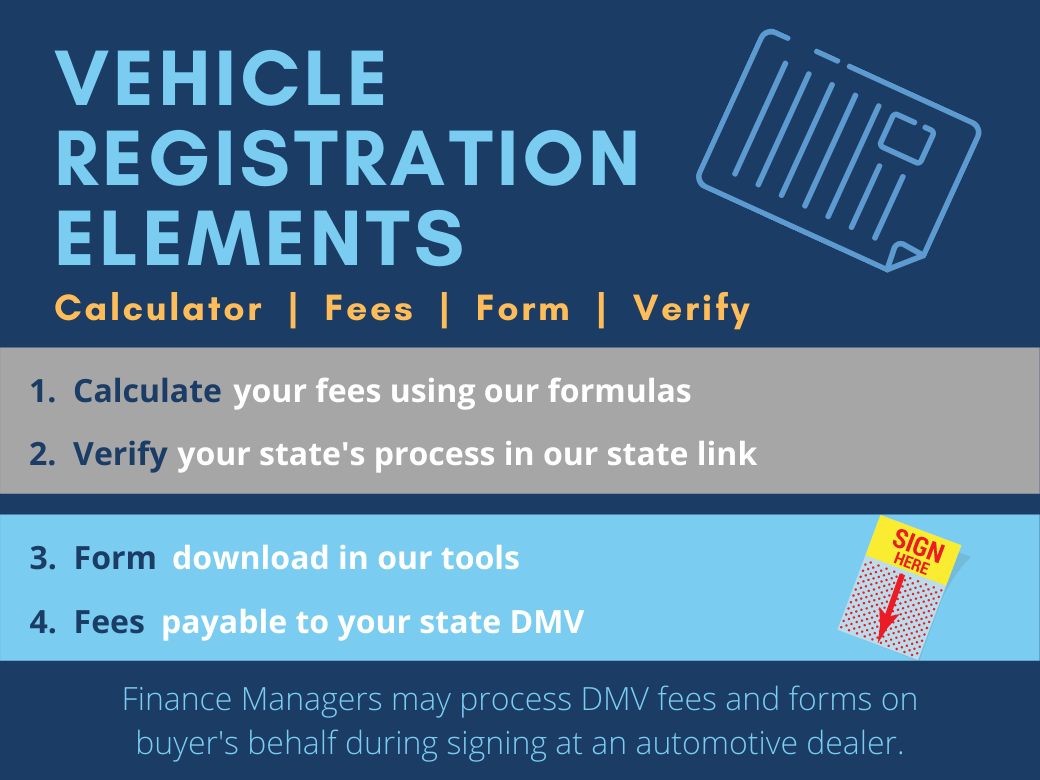
Renewals, on the other hand, are generally more streamlined and involve primarily the VLT, registration fee, and applicable emissions testing fees. The complexities of title transfers and initial inspections are typically one-time costs. Therefore, budgeting for your first year in Arizona with an out-of-state vehicle might mean a slightly higher initial outlay, but subsequent years will likely be more predictable for a stable Arizona lifestyle.
The Arizona Vehicle Registration Process: A Lifestyle Essential
Understanding the costs is only half the battle; knowing the process is equally vital for a seamless transition or continued compliance with Arizona vehicle laws. The MVD has made efforts to simplify the process, offering various channels for registration and renewal, but being prepared with the correct documentation and knowledge is always the best approach.
Initial Registration for New Residents
For individuals establishing a new lifestyle in Arizona, registering an out-of-state vehicle is one of the first critical tasks. Residents are generally required to register their vehicles within 15 days of establishing residency. The process typically involves:
- Obtain an Arizona Vehicle Title: You must apply for an Arizona title for your vehicle. This usually requires your out-of-state title, proof of identity, and an application form.
- VIN Inspection: For vehicles coming from out of state, a Vehicle Identification Number (VIN) inspection is often required to verify that the vehicle matches its documentation. This is typically done at an MVD office or an authorized third-party provider.
- Emissions Testing: If you reside in Maricopa County or northern Pima County, your vehicle will need to pass an emissions test. It’s advisable to do this before heading to the MVD office to avoid delays.
- Proof of Insurance: Arizona law requires all registered vehicles to have minimum liability insurance. You will need to provide proof of current Arizona insurance when registering.
- Payment of Fees: Once all documentation is in order, you will pay the VLT, registration fees, and any other applicable charges.
Many of these steps can be initiated online or with the assistance of authorized third-party providers, streamlining the process and reducing wait times at MVD offices.
Annual Renewal Process
Once your vehicle is initially registered, subsequent renewals are generally simpler. Arizona offers several convenient ways to renew your registration annually (or biennially for some vehicles):
- Online: The Arizona MVD website provides a user-friendly portal for online renewals. This is often the quickest and most preferred method.
- Mail: You can typically mail in your renewal notice and payment.
- In-Person: Renewals can be completed at MVD offices or authorized third-party service providers.
- Self-Service Kiosks: In some locations, MVD self-service kiosks allow for quick renewals, printing your new registration and plate tabs on the spot.
For vehicles requiring emissions testing, proof of a passing test must be on file with the MVD before your renewal can be completed. The MVD typically sends out renewal notices well in advance of your expiration date, providing ample time to complete the process.
Importance of Timely Registration
Maintaining current vehicle registration is not just a bureaucratic formality; it’s a critical aspect of responsible living in Arizona. Driving with expired registration can lead to significant penalties, including fines, potential towing of your vehicle, and even an increase in your vehicle insurance rates. The Arizona MVD levies late fees, which accrue the longer your registration is expired, further increasing your overall cost.
Furthermore, current registration ensures that your vehicle is legally compliant, reducing potential legal hassles during traffic stops or accidents. It’s a foundational element of a smooth and stress-free driving lifestyle in Arizona, demonstrating adherence to state laws and contributing to the maintenance of public roads and services. Setting reminders or opting for electronic renewal notices can help ensure you never miss a deadline.
Budgeting for Car Registration in Arizona: Practical Lifestyle Tips
Incorporating vehicle registration costs into your annual budget is a smart financial move for any Arizona resident. With the varying factors, a proactive approach can prevent surprises and ensure your lifestyle remains within your financial comfort zone.
Estimating Your Costs
The Arizona MVD provides an excellent resource for estimating your registration costs: an online fee calculator. By entering details about your vehicle (model year, make, previous state of registration, if applicable) and your county of residence, you can receive a fairly accurate estimate of your VLT and other associated fees. This tool is invaluable for new residents planning a move or for existing residents wanting to understand changes in their annual expenses, especially if they acquire a new vehicle.
It’s wise to use this calculator as part of your overall financial planning, whether you’re buying a new car, relocating, or simply doing your annual budget review. Remember to factor in potential emissions testing fees if you live in Maricopa County or northern Pima County, and consider the optional costs of specialty plates if those are part of your desired vehicle aesthetic.
Long-Term Financial Planning
Vehicle registration is an ongoing expense that should be factored into the long-term cost of vehicle ownership. Beyond registration, remember to budget for auto insurance, maintenance, fuel, and potential repair costs. For newer vehicles, the VLT will be higher in the initial years and then gradually decrease. Understanding this depreciation curve can help you anticipate how your registration costs will evolve over the lifespan of your vehicle.
For many Arizona residents, vehicles are essential for daily life, commuting, and enjoying the state’s vast recreational opportunities. Therefore, treating car registration as a recurring, predictable expense rather than an occasional burden is crucial for maintaining financial stability and enjoying your Arizona lifestyle without stress. Setting aside a small amount monthly towards this annual expense can make the lump sum payment much more manageable.
Common Pitfalls to Avoid
Staying on top of your vehicle registration responsibilities in Arizona means being aware of common mistakes that can lead to extra costs or inconveniences:
- Expired Insurance: Driving without minimum liability insurance is illegal in Arizona and will prevent you from completing your registration renewal. Ensure your insurance is always active and up-to-date.
- Missed Emissions Tests: If your vehicle requires an emissions test, forgetting to get it done or failing to pass it before your registration expires will halt your renewal process and can result in late fees. Plan to have your test completed well in advance.
- Incorrect Information: Providing inaccurate information on registration forms, whether intentionally or accidentally, can lead to delays, fines, or even legal issues. Double-check all details before submission.
- Ignoring Renewal Notices: While the MVD sends notices, it’s ultimately your responsibility to renew on time. Don’t rely solely on receiving a physical notice, especially if your address has changed. Utilize online tools and set personal reminders.
By avoiding these common pitfalls, you can ensure a smooth, cost-effective, and compliant vehicle registration experience in Arizona, allowing you to focus on enjoying all that the state has to offer as part of your everyday lifestyle.

Conclusion
Understanding “How Much Is Registration For A Car In Arizona?” is far more nuanced than a simple number; it’s about comprehending a system designed to fund state services while adapting to various individual circumstances. From the Vehicle License Tax (VLT) tied to your car’s depreciation to specific county-level emissions requirements in Maricopa County and Pima County, several factors converge to determine your final annual cost.
For anyone living or planning to live in Arizona, integrating these costs into your financial planning is an essential aspect of maintaining a seamless and compliant lifestyle. Utilizing resources like the Arizona MVD online calculator, understanding the renewal process, and being aware of potential pitfalls will empower you to manage your vehicle expenses effectively. With this knowledge, you can confidently navigate the roads of Arizona, knowing your vehicle is properly registered and your budget is well-prepared.
LifeOutOfTheBox is a participant in the Amazon Services LLC Associates Program, an affiliate advertising program designed to provide a means for sites to earn advertising fees by advertising and linking to Amazon.com. Amazon, the Amazon logo, AmazonSupply, and the AmazonSupply logo are trademarks of Amazon.com, Inc. or its affiliates. As an Amazon Associate we earn affiliate commissions from qualifying purchases.