
Alaska, often hailed as “The Last Frontier,” is a land of unparalleled natural beauty, expansive wilderness, and unique geographical phenomena. Among its most captivating — and often misunderstood — characteristics are its extreme variations in daylight hours throughout the year. For travelers planning an adventure to this magnificent state, understanding when and where darkness prevails is not just a matter of curiosity, but a crucial aspect of trip preparation. It dictates everything from optimal sightseeing times to the best opportunities for witnessing the mystical Northern Lights. This guide delves into the specifics of Alaska’s darker months, offering insights to help you navigate and fully appreciate its winter allure.
Unveiling Alaska’s Polar Night Phenomenon
The perception of Alaska being perpetually dark in winter is a common misconception, though rooted in a significant truth. Due to its high latitude, particularly its northern regions, Alaska experiences dramatic shifts in daylight. These shifts are far more pronounced than in most other parts of the world, leading to periods of extended daylight in summer and prolonged darkness in winter.
The Science Behind Alaska’s Unique Daylight Cycles
The Earth’s axial tilt is the primary driver behind seasonal changes and the varying lengths of day and night. As our planet orbits the sun, its axis remains tilted at approximately 23.5 degrees relative to its orbital plane. This tilt means that for half the year, the Northern Hemisphere is tilted towards the sun, resulting in longer days and summer; for the other half, it’s tilted away, leading to shorter days and winter.
In regions close to the Arctic Circle, like much of Alaska, this effect is amplified. During the winter solstice (around December 21st), the Arctic Circle and areas further north are tilted furthest away from the sun, causing the sun to remain below the horizon for extended periods, or even not rise at all for several weeks or months in the most extreme northern locations. Conversely, during the summer solstice, these regions experience 24 hours of daylight.
Defining “Darkness” in the Alaskan Context
It’s important to differentiate between complete darkness and merely very short days. When people talk about “darkness” in Alaska, they are often referring to two primary phenomena:
- Polar Night: This occurs in areas within the Arctic Circle where the sun does not rise above the horizon for more than 24 hours. The duration of the polar night increases as you travel further north.
- Extended Twilight/Short Days: For most of Alaska, even if the sun technically rises, the daylight hours are extremely limited. The sun often skirts low on the horizon, creating prolonged twilight periods that can last for hours around what would typically be sunrise and sunset. This means that while it might not be pitch black all day, the amount of effective daylight for outdoor activities is severely constrained. The light during these periods often takes on a beautiful, ethereal quality, with soft blues, purples, and oranges painting the sky.
Regional Variations in Alaskan Darkness
Alaska is immense, spanning diverse geographical zones. The experience of darkness varies significantly depending on your location within the state.
The Extreme North: Utqiagvik and Beyond
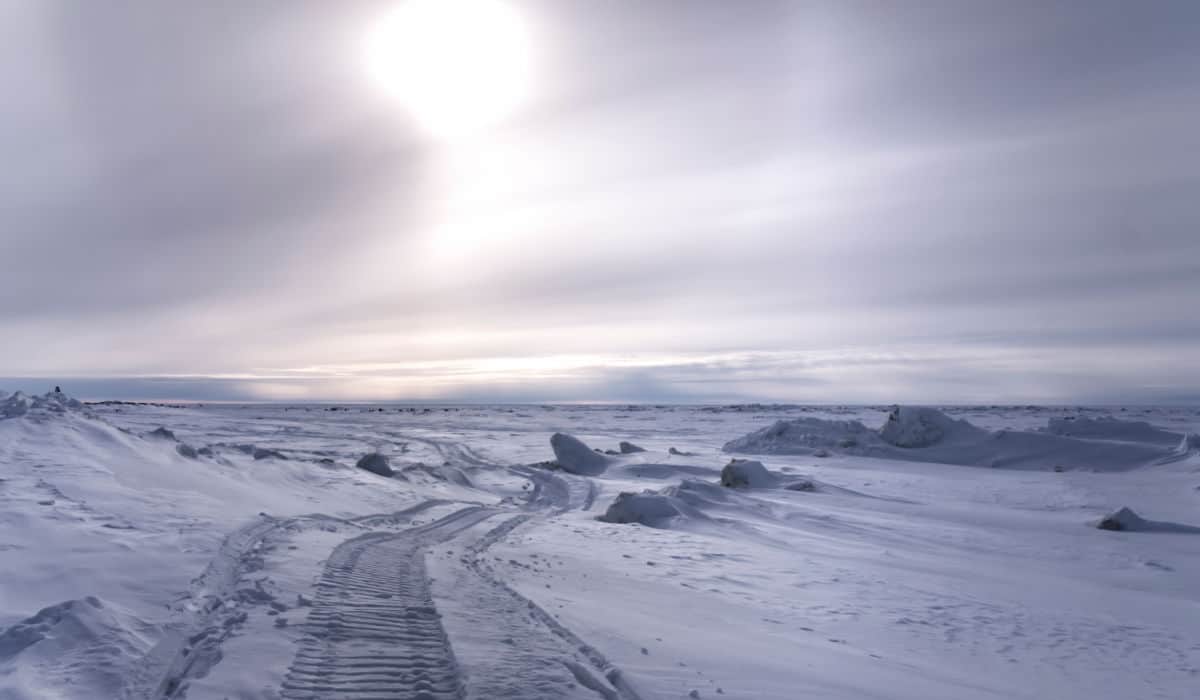
The most dramatic examples of polar night are found in Alaska’s Arctic Circle communities. Utqiagvik (formerly known as Barrow), the northernmost city in the United States, is the quintessential example. Here, the sun sets in mid-November (typically around November 18th or 19th) and does not officially rise again until late January (around January 22nd or 23rd). This period, lasting approximately 65-66 days, is true polar night. During this time, residents and visitors experience twilight for a few hours around what would be midday, but the sun itself remains below the horizon. The sky during these hours can be surprisingly luminous, especially when covered in snow, reflecting ambient light.
Other northern communities, such as Kaktovik and Anaktuvuk Pass, experience similar, though perhaps slightly shorter, periods of polar night. This intense darkness is a profound experience, offering unparalleled opportunities for Northern Lights viewing, provided the skies are clear.
Central Alaska: Fairbanks and the Interior
Moving south towards central Alaska, areas like Fairbanks (just below the Arctic Circle) do not experience polar night, meaning the sun always technically rises. However, daylight hours become incredibly short during the peak winter months.
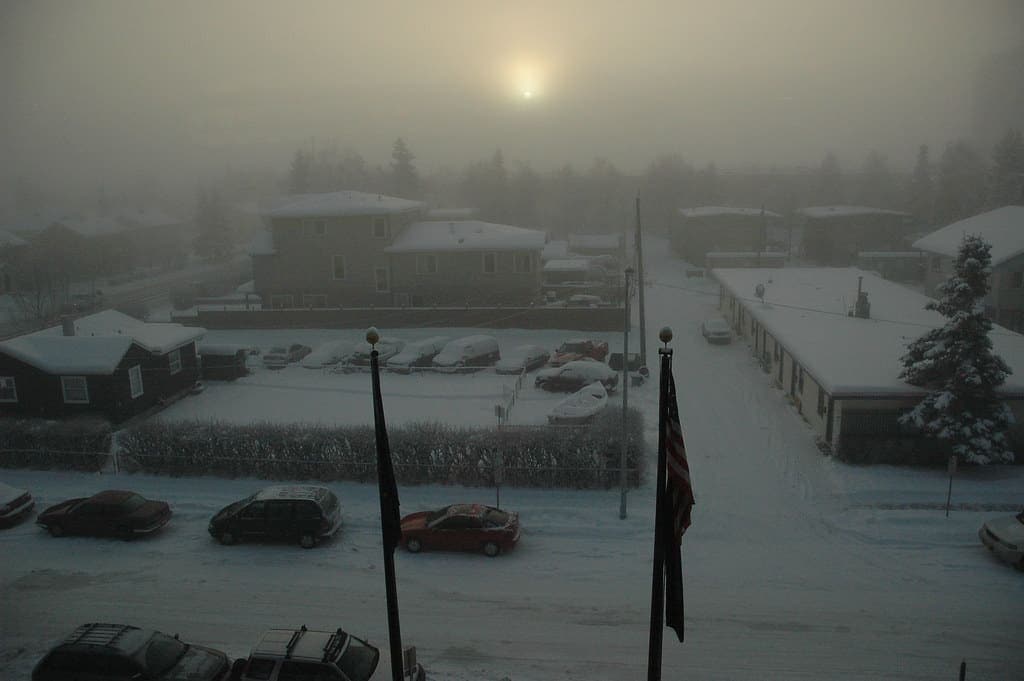
In December and January, Fairbanks sees as little as 3-4 hours of direct daylight. The sun rises very late in the morning and sets early in the afternoon. For example, in late December, sunrise might be around 10:00 AM and sunset around 2:30 PM. The rest of the day is characterized by long periods of civil twilight, where there’s enough natural light to see, but not direct sunlight. This extended twilight can be incredibly beautiful, casting long shadows and painting the snow-covered landscape in soft, shifting colors. This limited daylight, combined with often clear, cold skies, makes Fairbanks one of the best places on Earth to see the Aurora Borealis.
Southcentral and Southeast Alaska: Anchorage and Juneau
Further south, in more populous areas like Anchorage and the capital city of Juneau, the daylight hours are less extreme but still significantly reduced compared to lower latitudes.
In Anchorage, during the shortest days of December, there are typically about 5-6 hours of daylight. Sunrise occurs around 10:00 AM, and sunset is around 3:45 PM. While this is certainly shorter than what most people are accustomed to, it’s far from the continuous darkness of the Arctic Circle. The proximity to the coast often means more cloud cover, which can sometimes obscure the limited daylight and also the Northern Lights.
Juneau, located in Southeast Alaska’s panhandle, experiences similar patterns to Anchorage but with slightly more daylight due to its slightly more southerly latitude. Expect around 6-7 hours of daylight during the peak winter months. This region is known for its milder, wetter winters compared to the Interior, meaning snow often gives way to rain, and overcast skies are common.
A Month-by-Month Guide to Alaskan Darkness
Understanding the progression of daylight throughout the year can help travelers plan their visits to align with their desired experiences.
Deep Winter: November to January’s Extended Nights
This three-month span represents the peak of darkness across most of Alaska.
- November: The transition month. Daylight hours shorten dramatically, especially in the northern regions. Utqiagvik enters its polar night mid-month. In Fairbanks, daylight shrinks from about 8 hours at the start of November to around 5 hours by month’s end. Anchorage goes from about 9 hours to 7 hours.
- December: This is the darkest month of the year, culminating with the winter solstice. Most of Alaska experiences its shortest daylight hours. As mentioned, Utqiagvik is in full polar night, Fairbanks has 3-4 hours, and Anchorage sees 5-6 hours of dim sunlight. This is prime time for Northern Lights viewing due to the extensive dark skies.
- January: While still very dark, January begins to show a slow, gradual increase in daylight, especially towards the latter half of the month. Utqiagvik welcomes the sun back around the 22nd. Fairbanks gains about 2-3 hours of daylight by month’s end, and Anchorage also sees a noticeable increase, moving towards 7-8 hours. The cold temperatures and vast snowy landscapes persist, continuing to offer excellent winter activity opportunities.
Transition Periods: October and February’s Shifting Light
These months act as crucial bridges between the extremes of summer light and winter darkness.
- October: This month marks a significant decrease in daylight, heralding the arrival of winter. Fairbanks starts with around 10 hours of daylight but ends with closer to 8. Anchorage moves from 11 hours down to 9. The snow often begins to fall, and the nights become long enough for regular Northern Lights sightings.
- February: A month of noticeable gains in daylight. By the end of February, Fairbanks can enjoy 8-9 hours of daylight, and Anchorage reaches around 10-11 hours. The days are still short enough for fantastic Northern Lights viewing, especially in the early evening and late night, but the longer days allow for more daytime activities. This is a popular time for winter festivals and events, such as the Iditarod Trail Sled Dog Race, which starts in early March but preparations and related activities begin in February.
Spring and Autumn Equinoxes: Balancing Light and Dark
Around March 20th (spring equinox) and September 22nd (autumn equinox), day and night are roughly equal in length across Alaska, mirroring the rest of the world. These periods offer a balanced amount of light and dark, providing opportunities for both daytime exploration and nighttime aurora viewing. Beyond these points, the daylight hours rapidly either increase or decrease, depending on the season.
Embracing the Dark: Travel Experiences in Winter Alaska
Far from being a deterrent, Alaska’s winter darkness opens up a realm of unique and unforgettable travel experiences.
The Allure of the Northern Lights (Aurora Borealis)
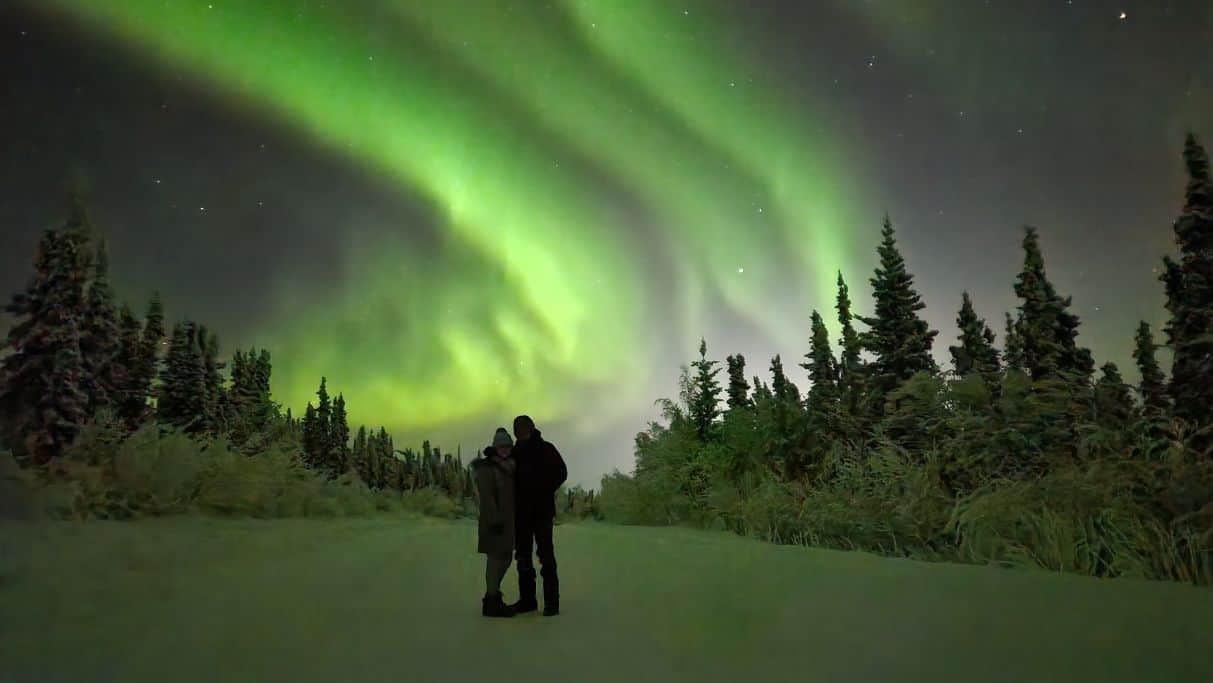
This is arguably the biggest draw for winter visitors to Alaska. The long, dark nights, especially in the Interior and northern parts of the state (Fairbanks being a prime location), provide the perfect canvas for the mesmerizing dance of the Aurora Borealis. To maximize your chances, plan your trip between late September and April, with December to March being the peak. Seek out locations away from city lights, consider joining guided aurora tours, and be prepared for late nights, as the best displays often occur between 10 PM and 3 AM.
Winter Sports and Activities Under Dim Skies
The snow-covered landscape of winter Alaska transforms into a playground for various activities, many of which can be enjoyed even with limited daylight.
- Dog Sledding: Experience this iconic Alaskan tradition, whether on a short tour or a multi-day expedition. Many operations run evening tours, adding to the magic under the stars or aurora.
- Cross-Country and Downhill Skiing: Resorts like Alyeska Resort near Anchorage and numerous trails around Fairbanks offer skiing opportunities. Some trails are lit, allowing for evening excursions.
- Snowmobiling (Snowmachining): Explore vast stretches of wilderness on a snow machine. Guided tours are available and can range from a few hours to full-day adventures.
- Ice Skating and Ice Fishing: Frozen lakes and ponds provide perfect venues for these classic winter pastimes.
- Wildlife Viewing: Even in winter, wildlife such as moose, caribou, and foxes can be spotted, often more easily against the snowy backdrop. Winter wildlife tours are specifically designed to find these animals in their natural habitats.
Cultural Immersion and Cozy Retreats
Alaska’s winter culture thrives amidst the darkness.
- Local Festivals and Events: Many communities host winter festivals celebrating their unique heritage, often featuring ice sculptures, winter sports competitions, and cultural performances.
- Hot Springs: Relax in natural hot springs, such as Chena Hot Springs Resort near Fairbanks, offering a warm refuge against the cold, dark nights – often with the chance to see the aurora overhead.
- Cozy Cabins and Lodges: Embrace the hygge of Alaska by staying in a remote cabin or a charming lodge, complete with fireplaces, warm drinks, and good company. It’s the perfect setting for unwinding after a day of winter exploration.
- Museums and Cultural Centers: Dive into Alaska’s rich history and indigenous cultures at places like the Anchorage Museum or the University of Alaska Museum of the North in Fairbanks.
Preparing for Your Winter Alaskan Adventure
Traveling to Alaska during its darker months requires thoughtful preparation to ensure a comfortable and enjoyable experience.
Essential Packing for Limited Daylight
- Warm Layers: Extreme cold is a given. Pack thermal base layers, fleece mid-layers, and a waterproof, insulated outer shell. Don’t forget insulated pants.
- Headlamp/Flashlight: Absolutely crucial for navigating in low light or darkness, especially when walking outdoors or around lodges.
- Footwear: Insulated, waterproof boots with good grip are essential for snow and ice.
- Accessories: Warm hats that cover your ears, thick gloves or mittens (especially for photography), and scarves or neck gaiters are vital. Hand and foot warmers can also be a lifesaver.
- Camera Gear: If planning to photograph the Northern Lights, bring a sturdy tripod, a wide-angle lens with a low aperture (f/2.8 or lower), extra batteries (cold drains them quickly), and remote shutter release.
Maximizing Your Time: Planning Activities Around Light
- Frontload Daytime Activities: Schedule any activities that require good visibility, such as scenic drives, certain wildlife viewing tours, or extensive outdoor exploration, during the few hours of available daylight.
- Embrace the Night: Reserve activities like Northern Lights hunting, dog sledding tours, or hot spring visits for the evening and night hours.
- Be Flexible: Weather in Alaska can be unpredictable. Have backup plans for cloudy days or severe cold snaps.
Health and Wellness in Alaska’s Darker Months
- Stay Hydrated and Nourished: The cold can be dehydrating, and staying warm requires energy. Drink plenty of water and eat regular, warm meals.
- Vitamin D: Consider taking Vitamin D supplements, especially if you’re sensitive to lack of sunlight.
- Manage Expectations: Understand that the days will be short. Embrace the unique beauty of the winter light and the magic of the long nights. Many Alaskans adapt by focusing on indoor hobbies, social gatherings, and enjoying the quiet solitude the season brings.
Visiting Alaska during its darker months is an extraordinary journey into a landscape transformed by snow, ice, and ethereal light. It’s a chance to witness natural wonders that few places on Earth can offer. By understanding the patterns of darkness and preparing accordingly, travelers can unlock a profound and unforgettable adventure in the heart of the Alaskan winter.
LifeOutOfTheBox is a participant in the Amazon Services LLC Associates Program, an affiliate advertising program designed to provide a means for sites to earn advertising fees by advertising and linking to Amazon.com. Amazon, the Amazon logo, AmazonSupply, and the AmazonSupply logo are trademarks of Amazon.com, Inc. or its affiliates. As an Amazon Associate we earn affiliate commissions from qualifying purchases.