
Embarking on a journey from the bustling metropolis of Chicago to the exotic landscapes of Thailand is a significant undertaking, one that often begins with a fundamental question: “How long is the flight?” This isn’t a simple inquiry with a single numerical answer, as the duration of this transpacific voyage is influenced by a confluence of factors, from the specific route and airline chosen to the intricacies of layovers. Understanding these variables is crucial for travelers meticulously planning their adventure to the Land of Smiles.
The Anatomy of a Transpacific Flight
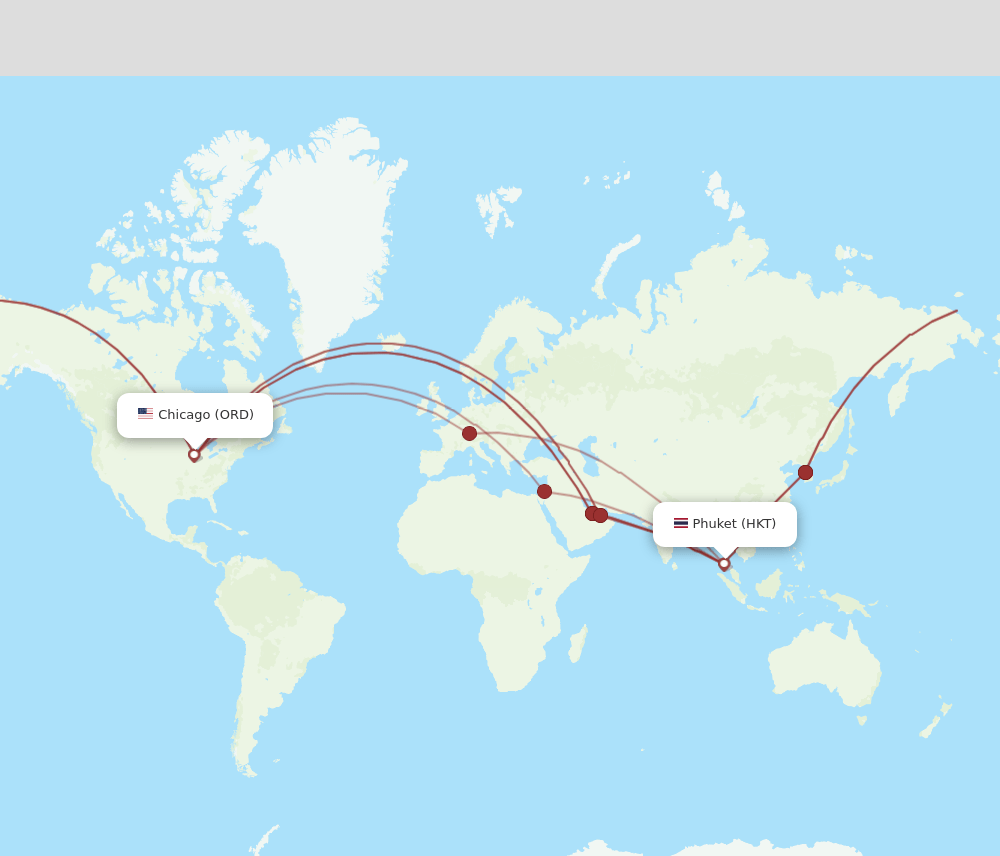
Flights from Chicago to Thailand are not direct. Due to the vast geographical distance and the curvature of the Earth, these routes invariably involve at least one stopover. This layover is a critical component in determining the overall travel time, transforming a direct flight’s hypothetical duration into a multi-leg journey.
Direct vs. Indirect Flights: The Fundamental Difference
While a true non-stop flight between Chicago and Thailand is currently non-existent, the concept of a “direct” flight in air travel can sometimes be misleading. A direct flight, in the industry sense, may land at an intermediate airport to pick up or drop off passengers, or to refuel, but you remain on the same aircraft. However, for intercontinental journeys of this magnitude, even these are rare. Most flights from Chicago to Thailand are considered “connecting” flights, meaning passengers must disembark and re-board a different aircraft at a transit hub.
The Role of Layover Airports
The choice of layover airport significantly impacts flight duration. Major international hubs such as Tokyo (Narita or Haneda), Seoul (Incheon), Taipei (Taoyuan), and occasionally cities in the Middle East like Dubai or Doha, serve as common connection points. Each of these locations adds its own segment to the journey, and the duration of the layover itself can range from a brief few hours to an extended period, sometimes necessitating an overnight stay.
Strategic Layover Selection
When booking, travelers often have the option to choose between shorter, potentially more rushed layovers, or longer, more relaxed breaks. A shorter layover might shave hours off the total travel time but carries a higher risk of missing a connection if the initial flight is delayed. Conversely, a longer layover offers a buffer against delays and can even present an opportunity to briefly explore the transit city, provided visa regulations and time constraints permit. For a destination as far-flung as Thailand, opting for a slightly longer layover can often contribute to a less stressful overall travel experience.
Typical Flight Durations: A Range of Possibilities
Given that all flights are indirect, the total time spent traveling from Chicago to Thailand can vary considerably. This includes the time spent in the air for each segment and the time spent on the ground during layovers.
The Shortest Possible Itineraries
The most efficient itineraries, typically involving a single, well-timed layover in a major Asian hub, can bring the total travel time down. For these optimized routes, one might expect the journey to last anywhere from 20 to 25 hours. This generally includes two flight segments and a layover of around 3 to 6 hours. Airlines that frequently operate these streamlined services often position themselves as premium carriers, investing in efficient hub operations and well-coordinated flight schedules.
Average Travel Times
A more common scenario for travelers will see the total journey extend to between 24 and 30 hours. This broader range accounts for a wider variety of airlines, layover durations, and potentially slightly less optimal routing. A layover in this bracket might be anywhere from 5 to 10 hours, allowing for a more comfortable transition between flights, or it could involve a slightly longer flight path to reach the transit city. This is the most frequently encountered duration for many booking platforms.
Extended Journeys
It is not uncommon for a flight from Chicago to Thailand to stretch beyond 30 hours, and in some cases, even up to 36 hours or more. These longer durations are typically the result of:
- Multiple Layovers: Some itineraries involve two or even three connection points, often dictated by budget airlines or less direct routing.
- Extended Layover Durations: A layover of 12 hours or more, or an overnight stop, will naturally push the total travel time significantly higher. This can be due to flight schedule availability or sometimes a deliberate choice to break up the long journey.
- Less Direct Routes: Flights that route through Europe or the Middle East before heading east towards Asia will inherently be longer than those routing directly through East Asia.

These extended journeys, while less appealing for those on a tight schedule, can sometimes offer substantial cost savings, making them a viable option for budget-conscious travelers.
Factors Influencing Flight Duration
Beyond the basic route, several other elements can subtly or significantly alter the time it takes to reach Thailand from Chicago.
Airline and Aircraft Choice
Different airlines have different operational efficiencies and hub strategies. Carriers that focus on transpacific routes often have more optimized flight paths and faster ground operations. The type of aircraft can also play a minor role, though the primary determinants remain the route and layover.
Day of the Week and Time of Year
While less impactful than route selection, the day of the week and the season can marginally influence flight schedules and, by extension, potential layover times. Peak travel seasons, such as holidays or school breaks, might see airlines adjust their schedules, and connections may be less flexible.
Baggage and Check-in Procedures
While not part of the “flight time” itself, the time spent at airports for check-in, security, and baggage claim can add to the overall travel burden. Travelers who pack light and utilize online check-in can streamline this aspect of their journey.
Time Zone Changes and Jet Lag
It’s important to distinguish between the actual travel time and the subjective experience of arrival. The significant time difference between Chicago (Central Time) and Thailand (Indochina Time) means that a 24-hour flight will result in arriving at a different calendar day and time than when departing. This vast time zone shift is a key component of managing jet lag upon arrival.
Planning Your Journey to Thailand
The question of flight duration is intrinsically linked to the broader planning of a trip to Thailand. Understanding the potential travel times allows for more informed decisions regarding:
Booking Strategies
When searching for flights, it is advisable to compare total travel times, not just the duration of the flight segments. Pay close attention to the length of layovers and the number of connections. Many flight booking websites provide options to filter by total duration or number of stops, which can be incredibly useful.
Packing and Preparation
For journeys exceeding 20 hours, comfortable clothing, entertainment options, travel pillows, and essential toiletries become paramount. Staying hydrated and moving around during layovers can help mitigate the physical strain of long-haul travel.

Arrival and First Impressions
Knowing your estimated arrival time can help you plan your first day in Thailand. Whether you are arriving in Bangkok, Phuket, or another popular destination, having a plan for airport transfers and your initial accommodation is essential after such a long journey.
In conclusion, a flight from Chicago to Thailand is a substantial travel commitment, typically ranging from 20 to 36 hours or more, due to the necessity of layovers. By understanding the factors that influence this duration, travelers can make informed choices to ensure a smoother, more comfortable, and ultimately more enjoyable journey to their dream Thai destination.
LifeOutOfTheBox is a participant in the Amazon Services LLC Associates Program, an affiliate advertising program designed to provide a means for sites to earn advertising fees by advertising and linking to Amazon.com. Amazon, the Amazon logo, AmazonSupply, and the AmazonSupply logo are trademarks of Amazon.com, Inc. or its affiliates. As an Amazon Associate we earn affiliate commissions from qualifying purchases.