
While often perceived as a beacon of freedom and progress, the history of California is more complex and nuanced than many realize, particularly when examining the institution of slavery. The question “Did California Have Slavery?” prompts a deep dive into its territorial and early statehood periods, revealing a system of forced labor that, while distinct from the chattel slavery of the American South, undeniably exploited and oppressed specific populations. This exploration is crucial for understanding the state’s foundational narrative and its ongoing struggle with issues of race and inequality.
The Shadow of Forced Labor: Beyond Chattel Slavery
When most people consider slavery in the United States, they immediately picture the brutal, hereditary, and race-based chattel slavery that defined the antebellum South. California, however, developed its own unique and insidious forms of involuntary servitude. These systems, while not always fitting the precise legal definition of chattel slavery as practiced elsewhere, resulted in the systematic dehumanization, exploitation, and economic bondage of various groups. Understanding these distinctions is vital to appreciating the full historical context.
Indentured Servitude and Debt Peonage
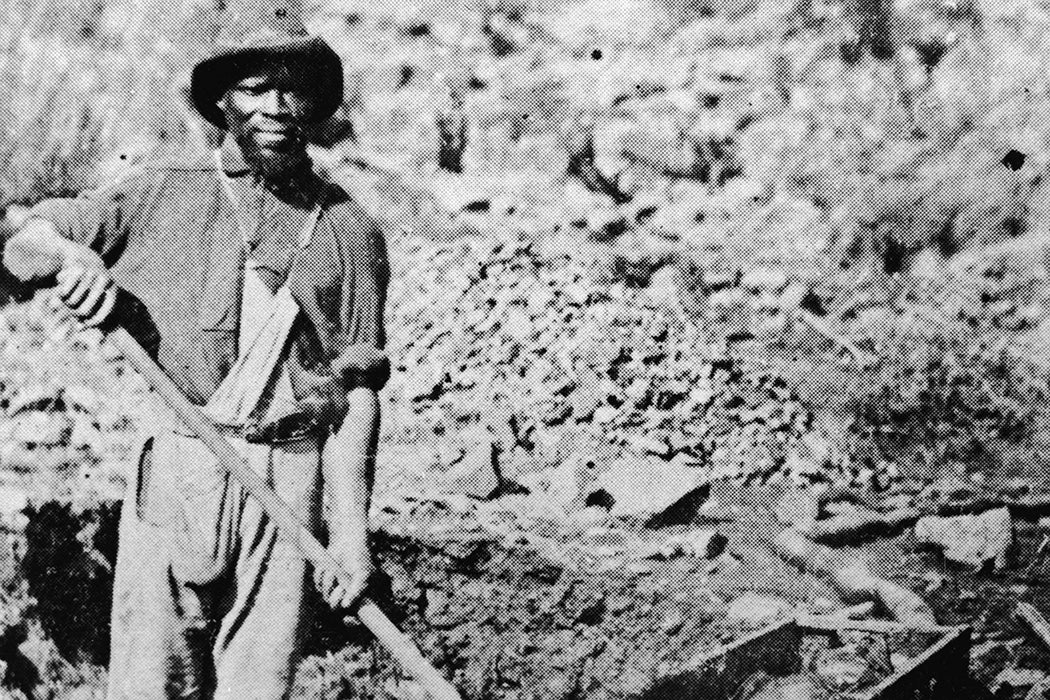
One of the primary mechanisms that approximated slavery in California was through various forms of indentured servitude and debt peonage. This often targeted:California Native Americans. Following the Spanish and Mexican periods, and continuing into American rule, indigenous populations were often coerced into labor.
Coercion and Exploitation of Native Americans
Under Spanish and Mexican rule, native peoples were often compelled to work on missions, ranches, and in households under conditions that closely resembled slavery. The Mexican government, though it formally abolished slavery in 1829, allowed for a system of “peonage” where indigenous individuals could be bound to work off debts, often created through exorbitant charges for goods or services. When California became a U.S. territory in 1848, these practices did not vanish.
Instead, American settlers and authorities often perpetuated and adapted these systems. Laws were enacted that allowed for the apprehension and “apprenticeship” of Native American children and adults, ostensibly to protect them or to prevent vagrancy. In reality, these laws provided a legal framework for forced labor, particularly in households and on agricultural estates. These individuals were often stripped of their freedom, denied wages, and subjected to harsh working conditions. The Gold Rush era, in particular, saw a significant increase in the exploitation of Native Americans, as their labor was deemed necessary for mining and supporting the burgeoning economy. The tragic irony is that while many sought fortune in the Gold Rush, the indigenous people of the land often found only further subjugation.
The Peculiar Institution of Mexican Slavery
While Mexico had officially abolished slavery, its practical application and the remnants of forced labor systems persisted into the American era. Spanish and Mexican land grants, or “ranchos,” often relied heavily on the labor of indigenous peoples. When California transitioned to U.S. control, existing labor arrangements were often reinterpreted or maintained under new legal guises.
Legal Loopholes and Continued Bondage
The U.S. legal system, in its early days in California, did not always draw a clear line between legitimate labor contracts and outright forced servitude. Laws regarding vagrancy and debt could be used to compel individuals, particularly those without strong legal protections, into labor. This created a climate where de facto slavery could thrive, even in the absence of explicit chattel slavery statutes. The transition of power from Mexico to the United States was a period of legal ambiguity, and those in positions of power often exploited this ambiguity to their economic advantage.
The Question of African Slavery in California
The presence and legality of African slavery in California is a more direct, albeit complex, question. California entered the Union in 1850 as a free state, a crucial compromise that helped assuage Southern fears about the expansion of abolitionist sentiment. However, this designation did not erase the presence of enslaved Africans or the efforts to maintain slavery within its borders.
Antebellum Debates and Enslaved People in the Territory
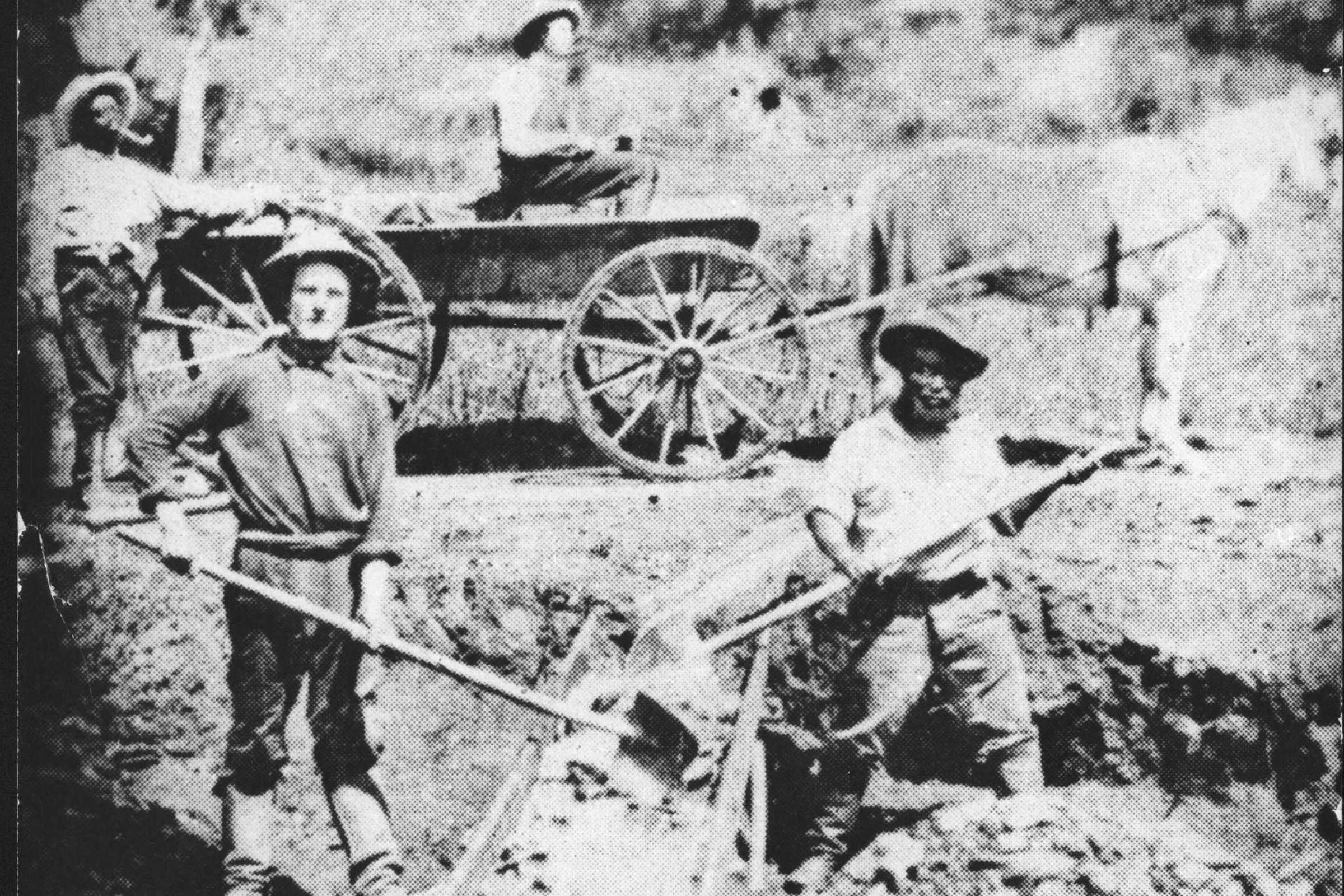
Even before California achieved statehood, there were enslaved African Americans within its territory. These individuals were often brought west by their enslavers from slaveholding states, particularly during the Gold Rush, as a form of personal property that could be taken anywhere.
The Legal Gray Areas of 1848-1850
During the territorial period following the Mexican-American War (1846-1848) and before statehood in 1850, the legal status of slavery was in flux. The U.S. military government struggled to impose federal law, and local customs, including the continuation of Mexican-era labor practices, often prevailed. This allowed for the continued, albeit legally contested, presence of enslaved individuals. Slaveholders argued that their property rights were protected under the Constitution, even in territories. This led to contentious debates and occasional legal battles over the status of enslaved people who sought freedom in California. Abolitionists and pro-slavery factions clashed repeatedly, highlighting the national divisions over slavery that were playing out on the western frontier.
Statehood and the Fugitive Slave Act
The admission of California as a free state was a pivotal moment in the lead-up to the Civil War. The Compromise of 1850, which facilitated this admission, included several provisions, one of the most controversial being the strengthened Fugitive Slave Act.
The Impact of the Fugitive Slave Act on Free California
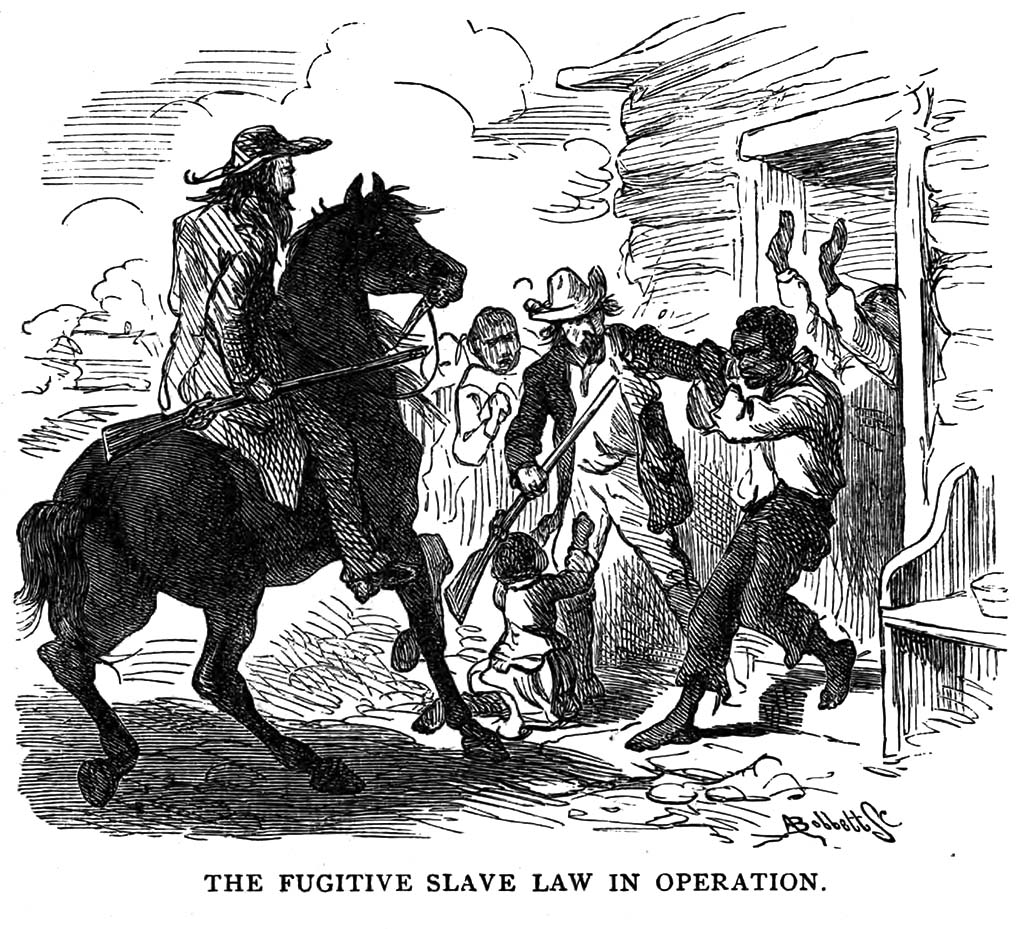
While California was admitted as a free state, the Fugitive Slave Act meant that enslavers from other states could recapture their escaped enslaved people within California’s borders, with the aid of federal law enforcement. This effectively meant that freedom was not absolute for African Americans in California. Slave catchers operated with impunity, and cases of individuals being kidnapped and returned to slavery in the South were not uncommon.
The existence of the Fugitive Slave Act created a chilling effect and undermined the idea of California as a sanctuary. Abolitionist efforts in California were significant, with many citizens actively working to help those escaping bondage and to resist the enforcement of the Act. Despite its free state status, California became a battleground for the enforcement of slavery-related laws. The legal and social landscape was far from simple, and the pursuit of freedom for enslaved people often involved navigating a complex and dangerous system.
Legal Evasions and Continued Forms of Bondage
Even after the Civil War and the official abolition of slavery, vestiges of forced labor persisted in California through various legal and extralegal means. These often targeted vulnerable populations and demonstrated the deep-rooted nature of exploitation.
Chinese Labor and the “Coolie Trade”
The late 19th century saw the rise of exploitative labor practices targeting Chinese immigrants, often referred to as the “coolie trade.” While not technically slavery in the same vein as African chattel slavery, these arrangements involved coercive contracts, debt bondage, and deplorable working conditions that stripped individuals of their autonomy.
Debt Bondage and Contract Labor
Chinese laborers, many of whom came to California seeking economic opportunity, were often lured by labor contractors who would advance them passage money. These debts were then to be repaid through labor, but the terms were frequently impossible to meet, trapping workers in perpetual servitude. They were often housed in substandard conditions, paid meager wages if any, and subjected to harsh discipline. While some scholars distinguish this from chattel slavery due to the contractual element and the possibility (however remote) of eventual freedom, the practical reality for many was a life of involuntary servitude. The discriminatory laws and social prejudices of the time further compounded their vulnerability, making them easy targets for exploitation. The perception of Chinese laborers as cheap, disposable labor fueled this system, which ran parallel to the broader narrative of freedom in America.
Other Forms of Exploitation
Beyond the primary examples of Native American and African enslavement, and the “coolie trade,” other forms of labor exploitation existed, often targeting marginalized groups. These could include forms of debt peonage among various immigrant groups and the exploitation of convict labor, which often disproportionately affected minority populations. The history of California is a testament to the fact that the struggle for true freedom and equality has been a long and arduous one, marked by the constant negotiation between ideals of liberty and the enduring realities of economic and racial oppression. Understanding these historical undercurrents is essential for appreciating the state’s rich and often challenging past.
LifeOutOfTheBox is a participant in the Amazon Services LLC Associates Program, an affiliate advertising program designed to provide a means for sites to earn advertising fees by advertising and linking to Amazon.com. Amazon, the Amazon logo, AmazonSupply, and the AmazonSupply logo are trademarks of Amazon.com, Inc. or its affiliates. As an Amazon Associate we earn affiliate commissions from qualifying purchases.