
Planning a journey from the sun-drenched coast of Los Angeles to the bustling metropolis of Chicago invariably begins with understanding the logistics of air travel. One of the most common questions travelers pose is regarding the duration of the flight. While seemingly straightforward, the answer can vary based on a multitude of factors, each contributing to the overall travel time from wheels up at Los Angeles International Airport (LAX) to touchdown at either O’Hare International Airport (ORD) or Midway International Airport (MDW). This guide delves into the specifics, helping you anticipate your travel time and plan your itinerary effectively.
Understanding Flight Duration Variables
The time it takes to fly between two major cities like Los Angeles and Chicago is rarely a fixed number. Several dynamic elements influence the actual duration of your journey, making it crucial for travelers to be aware of these variables.
Direct vs. Connecting Flights
The most significant factor affecting flight duration is whether your flight is direct or involves one or more layovers. A direct or non-stop flight will always be the fastest option. These flights follow the most direct air route, with no intermediate landings. Conversely, connecting flights introduce additional flight segments, ground time during layovers, and the potential for delays at transfer airports. A flight with a single connection could easily add several hours to your total travel time, sometimes even doubling it depending on the layover duration. For instance, a flight from LAX to Chicago might route through a hub like Denver or Dallas, extending the journey considerably.
Aircraft Type and Speed
The type of aircraft used by airlines can also subtly influence flight duration. Larger, more modern jets often have more efficient cruising speeds and better fuel efficiency, potentially shaving a few minutes off a long-haul flight. While these differences are usually minor for a route of this distance, they contribute to the airline’s published flight schedules. For example, a Boeing 737 or Airbus A320 series, commonly used on domestic routes, will have similar but not identical performance characteristics.
Air Traffic Control and Weather Conditions
Air traffic control (ATC) plays a critical role in managing the flow of aircraft. During peak travel times or in busy airspaces, ATC may implement delays, reroute planes, or assign holding patterns, all of which extend flight duration. Similarly, weather conditions at the departure airport, arrival airport, or along the flight path can significantly impact travel time. Headwinds, for example, can slow down an aircraft, requiring more time to cover the same distance, while tailwinds can provide a boost, shortening the flight. Storms, fog, or heavy rain can cause delays for departure or landing, adding to the overall journey.
Time Zones and Headwinds/Tailwinds
When flying eastward from LAX to Chicago, you’ll cross two time zones (Pacific to Central). This means that while the flight itself takes a certain number of hours, your arrival time will appear later on the clock than if you were flying westward. More significantly, prevailing winds, particularly the jet stream, can have a substantial effect. Flights traveling eastward often encounter headwinds, which push against the aircraft and increase flight duration. Conversely, westward flights often benefit from tailwinds, making the journey shorter. This is why a flight from Chicago to Los Angeles typically takes less time than the reverse route.
Typical Flight Times from LAX to Chicago
Knowing the variables, let’s explore the typical flight durations travelers can expect when flying from Los Angeles to Chicago.
Non-Stop Flights
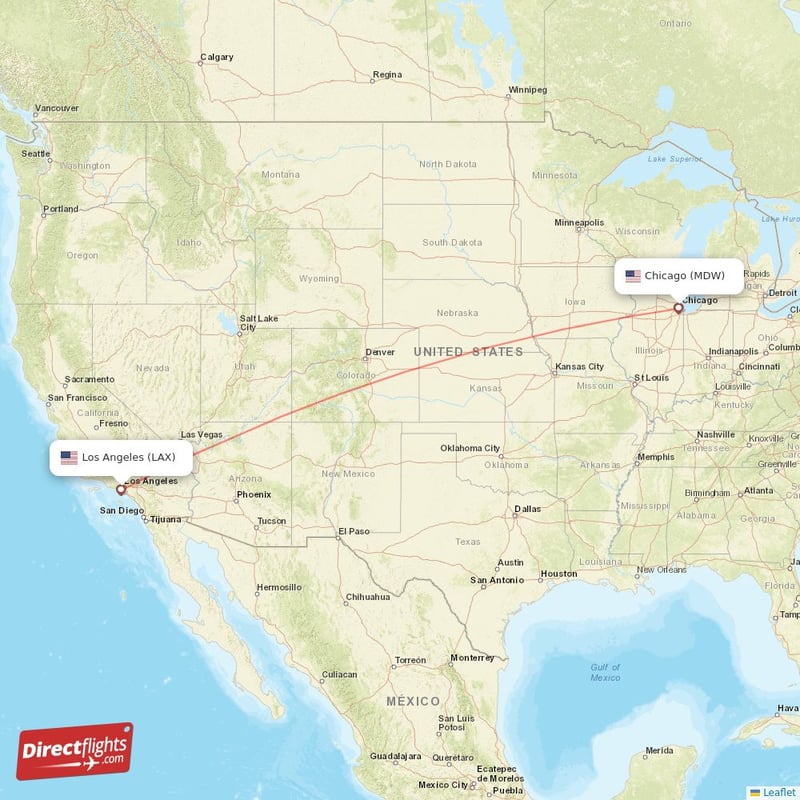
For those prioritizing speed and convenience, non-stop flights are the optimal choice. The average non-stop flight duration from LAX to Chicago is typically between 4 hours and 5 minutes to 4 hours and 45 minutes. This variation accounts for factors like specific routing, air traffic, and wind conditions on any given day. Airlines such as United Airlines, American Airlines, Southwest Airlines, Delta Air Lines, and Spirit Airlines all offer direct services on this popular transcontinental route. Travelers should note that while the scheduled flight time aims for the lower end of this spectrum, real-world conditions might extend it slightly.
Flights with One Stop
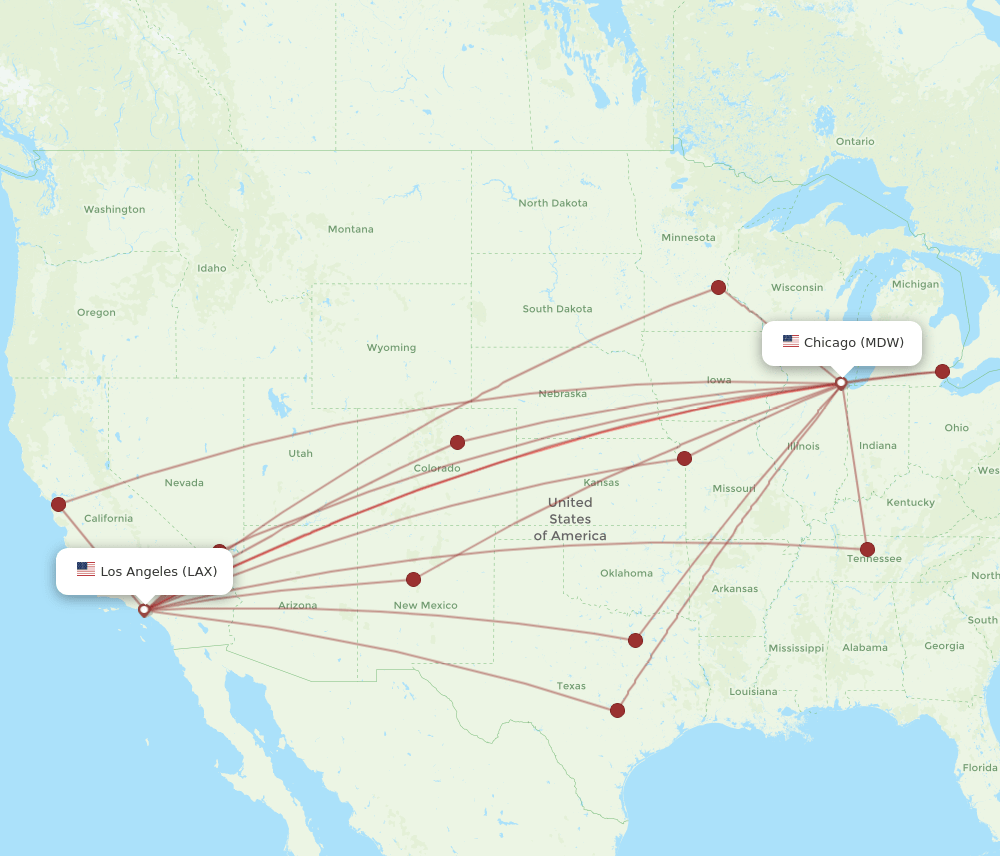
If a non-stop option isn’t available or if you’re seeking a more budget-friendly fare, flights with one stop are common. The total travel time for a one-stop flight can range significantly, usually starting from 6 hours and extending to 9 hours or more. This includes the actual flight time for two segments and the layover duration. Layovers can be as short as 45 minutes (though this is a tight connection) or as long as several hours. Common connecting cities include Phoenix, Las Vegas, Dallas, Denver, Salt Lake City, or Houston. When booking, always check the layover duration carefully to ensure you have enough time to navigate the connecting airport, especially if you have mobility challenges or prefer a more relaxed transfer.
Major Airports Involved
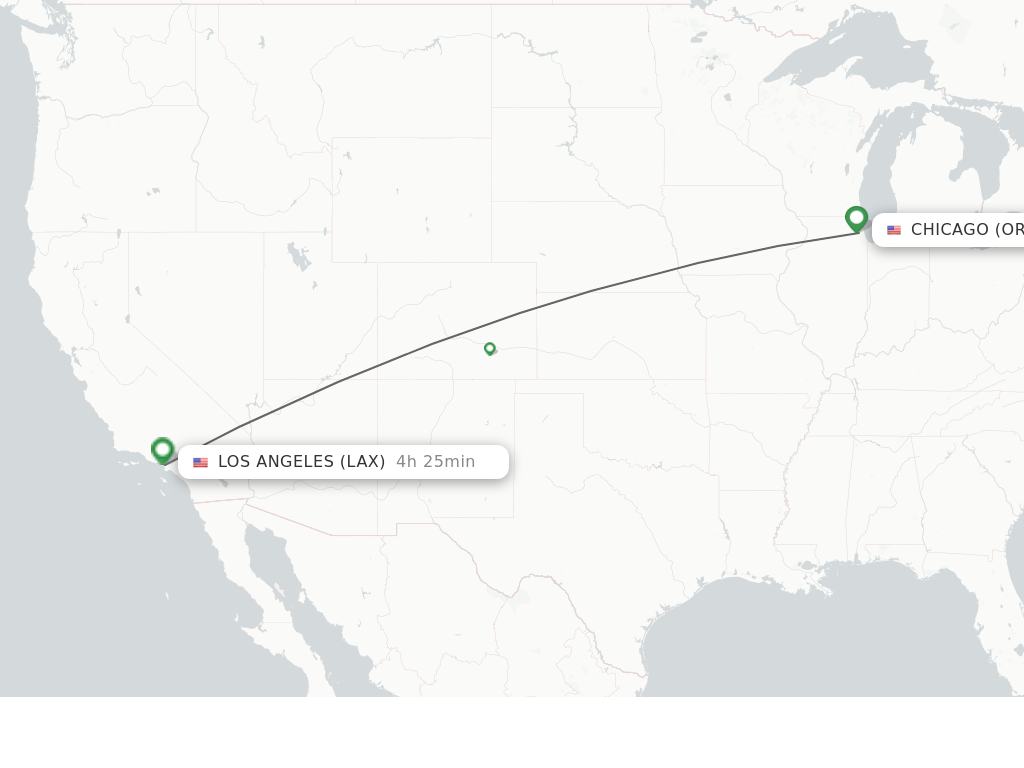
Your journey will begin at LAX and conclude at one of Chicago’s two primary airports. Understanding these hubs can streamline your travel experience.
Los Angeles International Airport (LAX)
LAX is one of the busiest airports in the world, serving as a major gateway to the United States and a critical hub for domestic flights. Located in Los Angeles, California, it features nine passenger terminals connected by shuttle buses and walkways. Navigating LAX can be time-consuming due to its size and traffic, so arriving with ample time before your scheduled departure is always recommended. For flights to Chicago, you will typically depart from one of the domestic terminals, which host carriers like United Airlines, American Airlines, Southwest Airlines, and Delta Air Lines.
O’Hare International Airport (ORD)
O’Hare International Airport is Chicago’s primary international and domestic hub, located approximately 17 miles northwest of the Loop district. ORD is renowned for its extensive flight network and serves as a major hub for United Airlines and American Airlines. It features four passenger terminals, with Terminals 1, 2, and 3 handling most domestic arrivals from LAX. Travelers arriving at ORD can easily access downtown Chicago via the CTA Blue Line train, taxis, ride-shares, or shuttle services.
Midway International Airport (MDW)
Midway International Airport is Chicago’s secondary airport, located much closer to downtown, about 10 miles southwest of the Loop. MDW is a significant operating base for Southwest Airlines and is generally considered easier to navigate than O’Hare. Flights from LAX to MDW are often offered by budget carriers. Public transportation from MDW to downtown Chicago is convenient via the CTA Orange Line train, offering a faster and often more affordable option than from ORD. When booking your flight, consider which Chicago airport best suits your final destination within the city.
Optimizing Your Travel Experience
Beyond just knowing the flight duration, there are strategies to enhance your overall travel from LAX to Chicago.
Best Time to Book
Flight prices and availability often correlate with booking lead times. Generally, booking 1 to 3 months in advance for domestic flights tends to yield better fares. Prices can fluctuate based on demand, season, and major events in either city. For example, flights during holidays or popular Chicago events like Lollapalooza will be more expensive and book up faster. Using flight comparison websites and setting price alerts can help you secure the best deal. Weekday flights are often cheaper than weekend flights, and early morning or late-night departures can also offer savings.
Choosing the Right Airline
Several major airlines operate the LAX to Chicago route. United Airlines and American Airlines offer extensive services to ORD, often with multiple daily non-stop options. Southwest Airlines is a popular choice for MDW, known for its flexible baggage policy. Delta Air Lines, Spirit Airlines, and Frontier Airlines also provide services, sometimes with competitive fares, but it’s crucial to review their policies regarding baggage, seat selection, and in-flight amenities to ensure they align with your preferences. Consider factors like loyalty programs, comfort, and service when making your decision.
What to Do During Your Flight
A flight of 4 to 5 hours is long enough to require some planning for entertainment and comfort. Many airlines now offer in-flight Wi-Fi, allowing you to work or stream content, though it often comes at an additional cost. Personal entertainment systems with movies, TV shows, and games are common on major carriers. Don’t forget essentials like a good book, downloaded podcasts or music, noise-canceling headphones, and a portable charger. Staying hydrated by drinking water and moving around periodically (when permitted) can also make the journey more comfortable. Dress in layers, as cabin temperatures can vary.
Planning for Arrival in Chicago
Upon landing in Chicago, whether at ORD or MDW, have your onward transportation plan ready. The CTA Blue Line serves O’Hare, and the Orange Line serves Midway, both offering direct and affordable access to downtown Chicago. Taxis, ride-sharing services, and airport shuttles are also readily available. Be mindful of Chicago traffic, especially during peak hours, which can significantly impact your travel time from the airport to your final destination. Factor in the time difference; Chicago is two hours ahead of Los Angeles, so adjust your internal clock accordingly to minimize jet lag.
Exploring Chicago Beyond the Flight
Once you’ve successfully navigated your flight and arrived in Chicago, a world of experiences awaits. This vibrant city on the shores of Lake Michigan boasts an impressive array of attractions. From the architectural marvels of the Willis Tower and the stunning public art in Millennium Park (home to “The Bean”) to world-class museums like The Art Institute of Chicago and the lively entertainment at Navy Pier, there’s something for every interest. Indulge in the city’s famous deep-dish pizza, explore the upscale shops along the Magnificent Mile, or catch a game at Wrigleyville. Your flight is merely the gateway to discovering the rich culture and dynamic energy of the “Windy City.”
LifeOutOfTheBox is a participant in the Amazon Services LLC Associates Program, an affiliate advertising program designed to provide a means for sites to earn advertising fees by advertising and linking to Amazon.com. Amazon, the Amazon logo, AmazonSupply, and the AmazonSupply logo are trademarks of Amazon.com, Inc. or its affiliates. As an Amazon Associate we earn affiliate commissions from qualifying purchases.