
Navigating the vast distances of the United States can often feel like an endeavor in itself, and understanding travel times is paramount for efficient planning. The route between Seattle and Los Angeles is a particularly common and vital corridor, connecting the Pacific Northwest with the bustling Southern California metropolis. While the geographical distance between these two major cities might seem straightforward, the actual flight duration is influenced by a confluence of factors, ranging from the aircraft’s speed and wind conditions to air traffic control and the specific airline’s operational efficiency. This exploration delves into the typical flight times, the variables that affect them, and what travelers can generally expect when embarking on this popular journey.
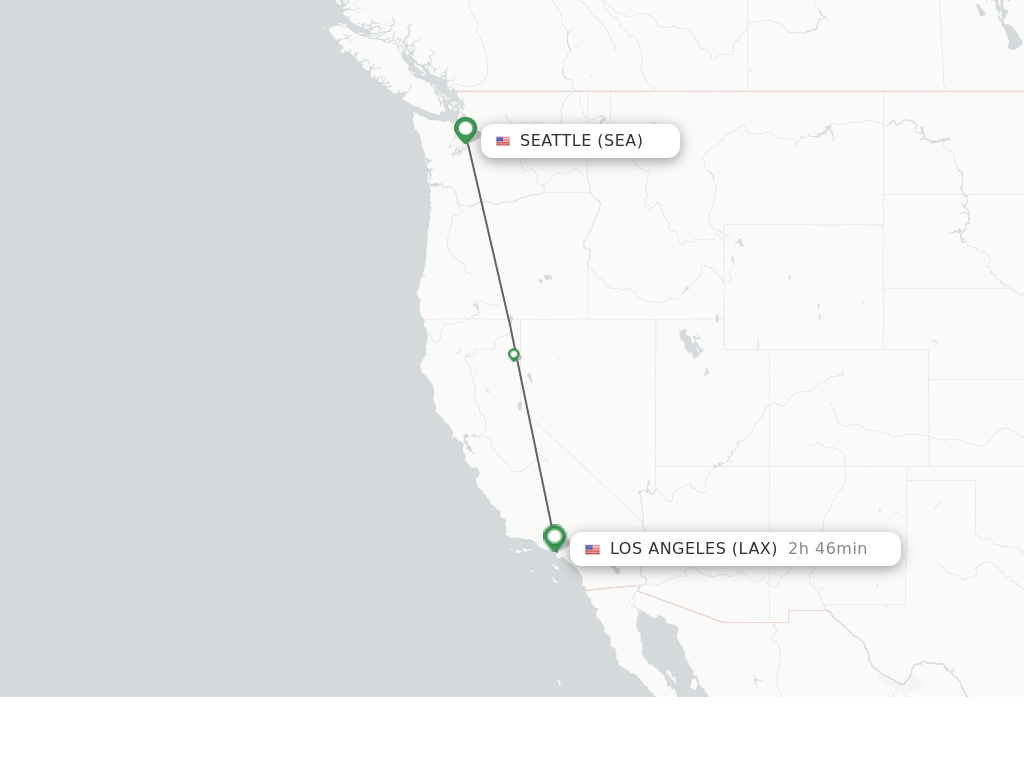
Understanding Direct Flight Durations
When considering a flight from Seattle-Tacoma International Airport (SEA) to one of the primary Los Angeles area airports, such as Los Angeles International Airport (LAX), Hollywood Burbank Airport (BUR), or John Wayne Airport (SNA), the direct flight time is generally quite consistent.
Average Flight Times
On average, a direct flight from Seattle to Los Angeles typically spans between 2 hours and 30 minutes to 3 hours. This figure represents the time spent airborne from takeoff to landing. It’s crucial to distinguish this from the total travel time, which includes getting to the airport, check-in, security, boarding, taxiing on the runway, and disembarking.
Aircraft and Airline Variations
Different aircraft types can have minor impacts on flight duration. Larger, faster jets might shave off a few minutes, while smaller regional aircraft might take slightly longer. Major airlines operating this route, such as Delta Air Lines, American Airlines, United Airlines, and Southwest Airlines, generally aim for similar flight schedules. However, subtle differences in their operational procedures, such as taxi times at both airports and the specific flight paths approved by air traffic control, can lead to minor variations in advertised flight times. For instance, a flight marketed as 2 hours and 45 minutes might actually be 2 hours and 55 minutes in practice on any given day.
Factors Influencing Flight Duration
While the direct flight time offers a baseline, several dynamic factors can cause actual flight durations to deviate from the average. Understanding these elements can help set realistic expectations for your journey.
Jet Streams and Tailwinds/Headwinds
The most significant environmental factor influencing flight duration is the presence of jet streams. These fast-flowing currents of air in the upper atmosphere can either significantly speed up or slow down an aircraft.
- Tailwinds: When a jet stream flows in the same direction as the aircraft’s travel, it acts as a tailwind, pushing the plane forward and reducing flight time. A strong tailwind on a Seattle to Los Angeles flight can potentially shorten the journey by 15-30 minutes or even more.
- Headwinds: Conversely, if the jet stream flows against the aircraft’s direction of travel, it creates a headwind, impeding progress and increasing flight time. A strong headwind can add a similar amount of time to the flight. Pilots and flight planners constantly monitor jet stream activity to optimize routes and flight times.
Air Traffic Control and Airport Operations
The intricacies of air traffic management and airport operations play a vital role in the overall time an aircraft spends in the air and on the ground.
- Air Traffic Congestion: Both Seattle-Tacoma International Airport and the Los Angeles area airports are among the busiest in the United States. High volumes of air traffic can lead to delays in takeoff and landing, as well as the need for aircraft to circle while awaiting clearance, all of which add to the flight’s total duration.
- Runway Availability and Weather: Temporary runway closures due to maintenance, adverse weather conditions at either airport (though less common for this route compared to flights to the East Coast), or aircraft incidents can cause significant delays. Air traffic control meticulously manages these situations to ensure safety, which sometimes necessitates longer flight times or holding patterns.
Flight Path and Altitude
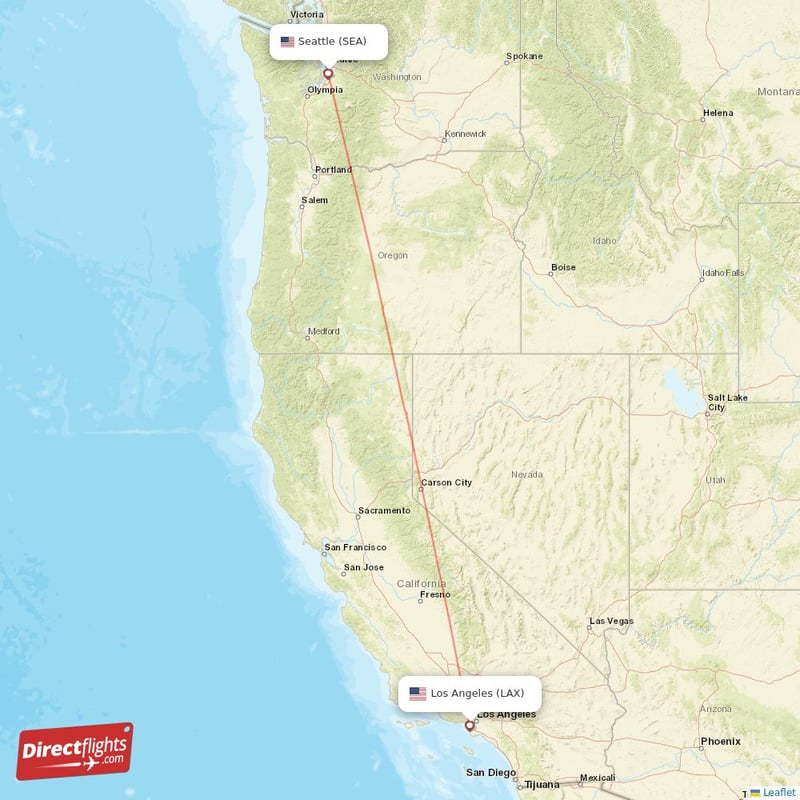
The specific route an aircraft takes and its cruising altitude can also subtly affect flight duration.
- Optimized Routes: Airlines and air traffic control collaborate to determine the most efficient flight paths. These routes are not always a straight line between two points due to airspace restrictions, weather patterns, and the desire to utilize favorable jet streams.
- Cruising Altitude: Aircraft typically fly at high altitudes where the air is thinner, allowing for greater fuel efficiency and speed. The assigned cruising altitude can influence the aircraft’s speed and, consequently, the flight time.
Beyond the Airborne: Total Travel Considerations
While the flight duration is a key metric, a comprehensive understanding of travel time involves accounting for the entire journey from departure to arrival at your final destination in Los Angeles.
Pre-Flight Preparations
The time spent before boarding the aircraft is often as significant as the flight itself.
- Airport Arrival: For domestic flights, it is generally recommended to arrive at Seattle-Tacoma International Airport at least 2 hours before your scheduled departure. This allows ample time for parking or drop-off, checking baggage, and proceeding through security.
- Security and Boarding: Security screening can vary in length depending on the time of day and day of the week. Once through security, navigating to your gate and the boarding process itself can consume an additional 30-45 minutes. Boarding typically begins 30-40 minutes before the scheduled departure.
Post-Flight Procedures
Upon arrival in Los Angeles, there are further steps before you can exit the airport and commence your activities.
- Deplaning and Taxiing: Even after landing, the aircraft will taxi to the gate, which can take several minutes. Deplaning passengers also requires time, especially on larger aircraft.
- Baggage Claim: If you have checked luggage, you will need to wait for it at the baggage claim carousel, which can add another 15-30 minutes to your arrival time.
- Ground Transportation: Upon exiting the terminal, you will need to arrange for your onward journey. This could involve picking up a rental car, meeting a ride-share service, or finding a taxi. The time this takes will depend on the demand and efficiency of these services at the particular Los Angeles area airport.
Preparing for Your [Seattle] to [Los Angeles] Journey
To ensure a smooth and efficient travel experience between Seattle and Los Angeles, proactive planning is essential.
Booking Strategies
- Flexibility: If your schedule allows, booking flights mid-week (Tuesday or Wednesday) or during off-peak hours often results in lower fares and potentially less congested airports.
- Airline Choice: While direct flight times are similar, consider airlines that offer more convenient schedules or better loyalty programs for frequent travelers.
- Airport Selection in Los Angeles: Depending on your final destination within the greater Los Angeles area, flying into Hollywood Burbank Airport (BUR) or Long Beach Airport (LGB) might be more convenient than Los Angeles International Airport (LAX), potentially reducing your ground transportation time.

During the Flight
- Stay Informed: Many airlines provide real-time flight tracking through their mobile apps, allowing you to monitor your progress and estimated arrival time.
- Prepare for Landing: Ensure you have gathered all your belongings and are ready to disembark promptly upon arrival to help expedite the process for yourself and others.
Ultimately, a flight from Seattle to Los Angeles is a relatively short hop along the West Coast. By understanding the average flight duration and the various factors that can influence it, travelers can better manage their expectations and plan a seamless journey between these two dynamic cities. Whether for business or leisure, this popular route offers a gateway to a wealth of experiences on either end of the Pacific Northwest-California corridor.
LifeOutOfTheBox is a participant in the Amazon Services LLC Associates Program, an affiliate advertising program designed to provide a means for sites to earn advertising fees by advertising and linking to Amazon.com. Amazon, the Amazon logo, AmazonSupply, and the AmazonSupply logo are trademarks of Amazon.com, Inc. or its affiliates. As an Amazon Associate we earn affiliate commissions from qualifying purchases.