
Embarking on a journey from the historic streets of Philadelphia to the sun-drenched beaches of Hawaii is a dream for many. The allure of volcanic landscapes, pristine waters, and a vibrant culture beckons travelers from across the United States. However, transforming this dream into reality requires understanding one crucial element: the journey itself. Given the vast distance spanning the continental United States and a significant portion of the Pacific Ocean, a flight from Philadelphia to Hawaii is not a short hop. It’s a long-haul adventure that demands preparation and an informed perspective on travel times. This guide delves into the realities of this extensive aerial voyage, providing a comprehensive breakdown of what to expect, how to plan, and how to make the most of your travel day to paradise.
Understanding the Flight Duration: The Non-Stop Dream vs. Realities
When planning any long-distance trip, the first question that invariably arises is, “How long will it take?” For a journey from the East Coast to the mid-Pacific Ocean, the answer is multifaceted, influenced by a variety of logistical and aeronautical factors. While the idea of a direct flight is appealing, it’s essential to set realistic expectations for this specific route.
The Ideal Scenario: Non-Stop Flights (and their rarity)
A truly non-stop flight from Philadelphia to Hawaii would represent a monumental feat of endurance for both aircraft and passengers, covering approximately 4,800 to 5,000 miles, depending on the specific Hawaiian island. Such a flight would likely clock in at around 9 to 11 hours in the air. While technically feasible for some long-range aircraft, direct flights from Philadelphia (PHL) to Hawaii are exceedingly rare, if they exist at all, on commercial passenger schedules. The demand typically doesn’t warrant such a direct route, and airlines prefer to consolidate passengers through major hub airports. Therefore, if you’re holding out for a direct flight, you’ll likely be waiting indefinitely. The reality for most travelers will involve at least one, if not two, layovers.
The More Common Reality: Flights with Layover(s)
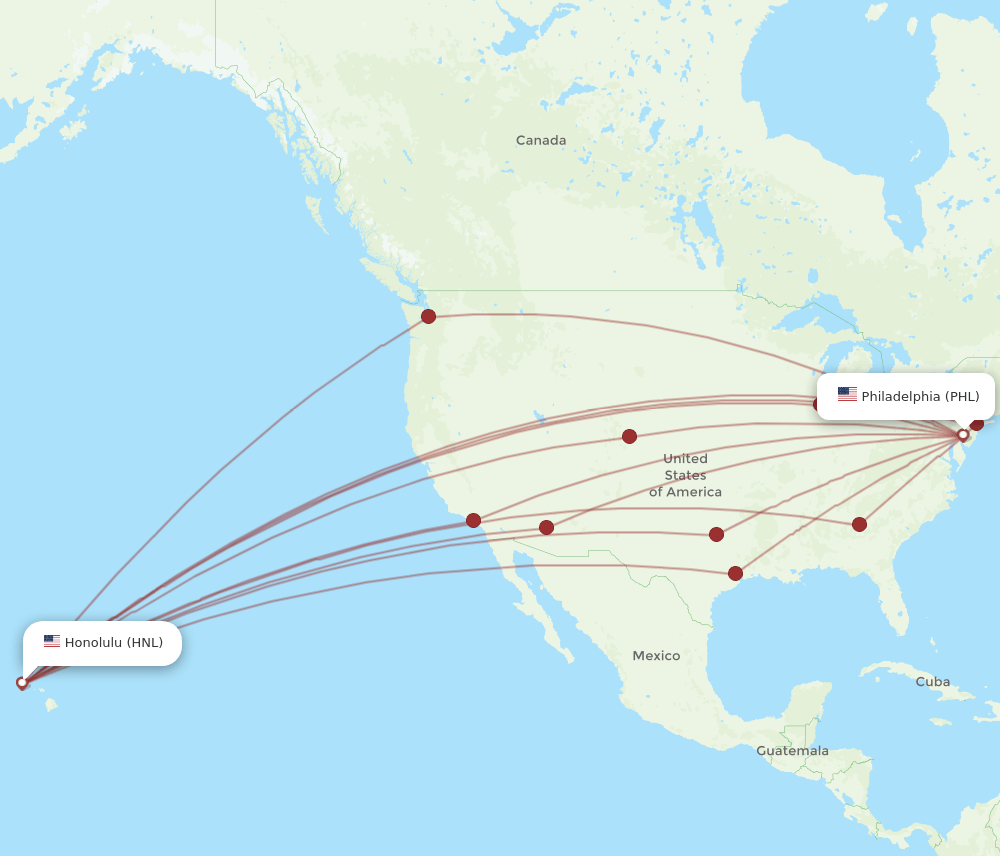
For the vast majority of travelers from Philadelphia to Hawaii, the journey will involve at least one layover, almost always on the West Coast of the United States. This significantly extends the total travel time, transforming what might be a 10-hour flight into an all-day or even multi-day affair. A typical itinerary will involve two distinct flight segments: the first from Philadelphia to a West Coast hub, followed by a second flight from that hub across the Pacific Ocean to your chosen Hawaiian island, such as Oahu (Honolulu), Maui, or the Big Island (Kona or Hilo). The cumulative effect of these flights, combined with layover times, can push total travel durations anywhere from 12 to 20 hours or even more, depending on the efficiency of your connections.
Factors Influencing Flight Time
Beyond the presence of layovers, several other variables play a crucial role in determining the actual time you spend in the air:
- Aircraft Type and Speed: Different aircraft models have varying cruising speeds and ranges. Newer, more efficient planes might shave off some time compared to older models.
- Wind Currents (Jet Stream): The powerful jet stream winds across the United States and the Pacific Ocean can significantly affect flight times. Flights heading west (e.g., to Hawaii) often fly against the jet stream, which can add time, while eastbound flights benefit from a tailwind, reducing duration.
- Route Optimization: Airlines constantly optimize their flight paths based on weather, air traffic, and fuel efficiency. A slightly longer but more direct path might be chosen over a shorter route that encounters headwinds or congestion.
- Air Traffic Control (ATC): Delays due to air traffic control directives, whether for departure slots, en-route spacing, or landing queues, can add minutes or even hours to your journey, particularly around busy hub airports.
Deconstructing the Journey: Typical Routes and Layover Cities
Given that a direct flight is almost certainly off the table, understanding the common routes and layover points becomes paramount for travelers from Philadelphia. The journey essentially breaks down into two main legs.
West Coast Hubs as Primary Connecting Points
The vast majority of flights from the East Coast to Hawaii funnel through major West Coast airport hubs. These cities serve as crucial gateways, facilitating seamless connections for trans-Pacific flights. Common layover cities include:
- Los Angeles (LAX): Often the busiest gateway to Hawaii, offering numerous daily flights to multiple Hawaiian islands.
- San Francisco (SFO): Another popular hub with a strong network of flights across the Pacific Ocean.
- Seattle (SEA): A convenient northern gateway, especially for those who might prefer a slightly different route or airline.
- Phoenix (PHX): A growing hub for connections to Hawaii, particularly with airlines like American Airlines.
- Denver (DEN): While not strictly on the West Coast, Denver serves as a significant central United States hub, sometimes offering competitive connections to Hawaii that bypass the busiest West Coast airports.
Airlines such as American Airlines, United Airlines, Delta Air Lines, and Southwest Airlines all operate extensive networks that can get you from Philadelphia to these West Coast cities and then onwards to Hawaii.
From East Coast to West Coast Leg
The initial segment of your journey, from Philadelphia International Airport (PHL) to a West Coast hub like Los Angeles or San Francisco, typically takes between 5.5 to 7 hours of flight time. This is a substantial cross-country flight in itself, covering a significant portion of the continental United States.
The Trans-Pacific Leg
Once you’ve arrived at your West Coast connecting airport, the next flight carries you over the vast expanse of the Pacific Ocean to Hawaii. This segment is generally shorter than the cross-country flight, typically lasting between 5 to 6 hours, depending on the specific Hawaiian island. Flights to Kauai or Oahu might be slightly shorter than those heading further south to the Big Island.
Accounting for Layover Time
It’s crucial to remember that the total travel time isn’t just the sum of the flight durations. Layover time adds significantly to the overall journey. A well-planned itinerary will typically have a layover of 1.5 to 3 hours, allowing enough time to deplane, navigate the airport, and board your next flight without excessive stress. However, some itineraries might have much longer layovers, sometimes stretching to 6-8 hours or even overnight, which can push your total travel time well beyond the typical range. When booking, always pay close attention to the layover duration to manage your expectations and comfort.
Averages and Expectations: What to Budget for Your Travel Day
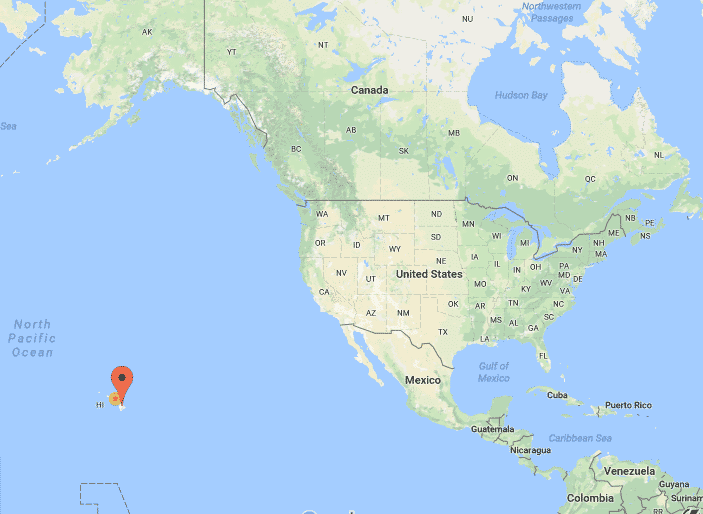
Combining the flight segments with layover periods, the total duration for a trip from Philadelphia to Hawaii can be quite extensive. It’s truly an “all-day” commitment.
Total Travel Time Ranges
For a typical itinerary with one efficient layover on the West Coast, you can expect your total travel time from departure at Philadelphia International Airport to arrival at your chosen Hawaiian island to range from 12 to 18 hours. This estimate includes check-in, boarding, flight time, and the layover. Flights with longer layovers or less optimal connections could easily push this into the 20+ hour range. It’s not uncommon for travelers to leave Philadelphia in the early morning and arrive in Hawaii late in the evening, local time.
Time Zones and Jet Lag
The journey to Hawaii also involves a significant time zone change. Hawaii observes Hawaiian Standard Time (HST), which is 6 hours behind Philadelphia during Standard Time and 5 hours behind during Daylight Saving Time (since Hawaii does not observe DST). This means that if you depart Philadelphia at 8:00 AM EST, and after 15 hours of travel, arrive in Hawaii at 11:00 PM EST, it will only be 5:00 PM HST. While arriving in the afternoon allows for some daylight to adjust, the significant time difference almost guarantees some degree of jet lag upon arrival. Managing this transition is crucial for enjoying your initial days in paradise.
Best Times to Fly
Considering the length and time change, many travelers opt for red-eye flights from the West Coast to Hawaii to arrive in the morning, maximizing their first day. However, combining an East Coast early morning departure with a West Coast red-eye can make for an exceptionally long day. Some prefer to break up the journey with an overnight layover on the West Coast, although this adds to the overall cost and time. Ultimately, the “best” time depends on your personal tolerance for long travel days and your strategy for tackling jet lag.
Optimizing Your Journey: Tips for a Smoother Flight to Paradise
A long flight to Hawaii doesn’t have to be a daunting experience. With proper planning and a few smart strategies, you can make the journey as comfortable and stress-free as possible.
Booking Smart
- Check Layover Durations: Aim for layovers between 1.5 to 3 hours. Too short, and you risk missing your connection; too long, and you’re stuck waiting unnecessarily.
- Consider Airline Reliability: Opt for airlines with good on-time performance records, especially for the connecting segments.
- Explore Alternative Airports: While Philadelphia International Airport is your local hub, sometimes better connections or prices can be found from nearby major airports like Newark Liberty International Airport (EWR) or John F. Kennedy International Airport (JFK) in New York. Weigh the added travel time to these airports against the potential benefits.
- Book a Single Ticket: Always try to book both flight segments on a single ticket (even if operated by partner airlines). This provides greater protection if a delay causes you to miss a connection.
Preparing for Long-Haul Travel
- Comfortable Attire: Dress in loose, comfortable clothing and layers, as cabin temperatures can vary.
- Stay Hydrated: Drink plenty of water throughout your journey and avoid excessive alcohol or caffeine, which can contribute to dehydration and jet lag.
- Movement is Key: Get up and walk around the cabin periodically to promote circulation and prevent stiffness. Perform simple stretches in your seat.
- Entertainment Galore: Load up your devices with movies, TV shows, podcasts, and e-books. Don’t rely solely on in-flight entertainment, as it can be limited or glitchy.
- Healthy Snacks: Pack some healthy snacks to avoid reliance on airplane food, which can be inconsistent in quality and availability.
Beating Jet Lag
- Adjust Before You Go: A few days before departure, try to gradually shift your sleep schedule closer to Hawaii time.
- Embrace the New Time Zone: Once you land, immediately adjust to local time. Eat meals at appropriate local times and try to stay awake until evening.
- Seek Sunlight: Natural light helps reset your circadian rhythm. Spend time outdoors in the Hawaiian sun upon arrival.
- Prioritize Sleep: While challenging, try to get a good night’s sleep on your first night to aid in recovery.
What to Pack for the Flight
Beyond the essentials in your carry-on, consider items specifically for long-haul comfort:
- Neck Pillow and Eye Mask: Essential for attempting to sleep on the plane.
- Noise-Canceling Headphones: Block out engine noise and chatter.
- Empty Water Bottle: Fill it up after security.
- Moisturizer/Lip Balm: Cabin air is dry.
- Portable Charger: Keep your devices powered.
- Comfortable Socks/Compression Socks: For warmth and circulation.
The Reward at the End: Why the Journey is Worth It
While the journey from Philadelphia to Hawaii is undeniably long, every hour spent in transit melts away the moment you step off the plane and breathe in the warm, tropical air. The extensive travel is a small price to pay for the unparalleled beauty and unique experiences that await.
Hawaii’s Unparalleled Beauty
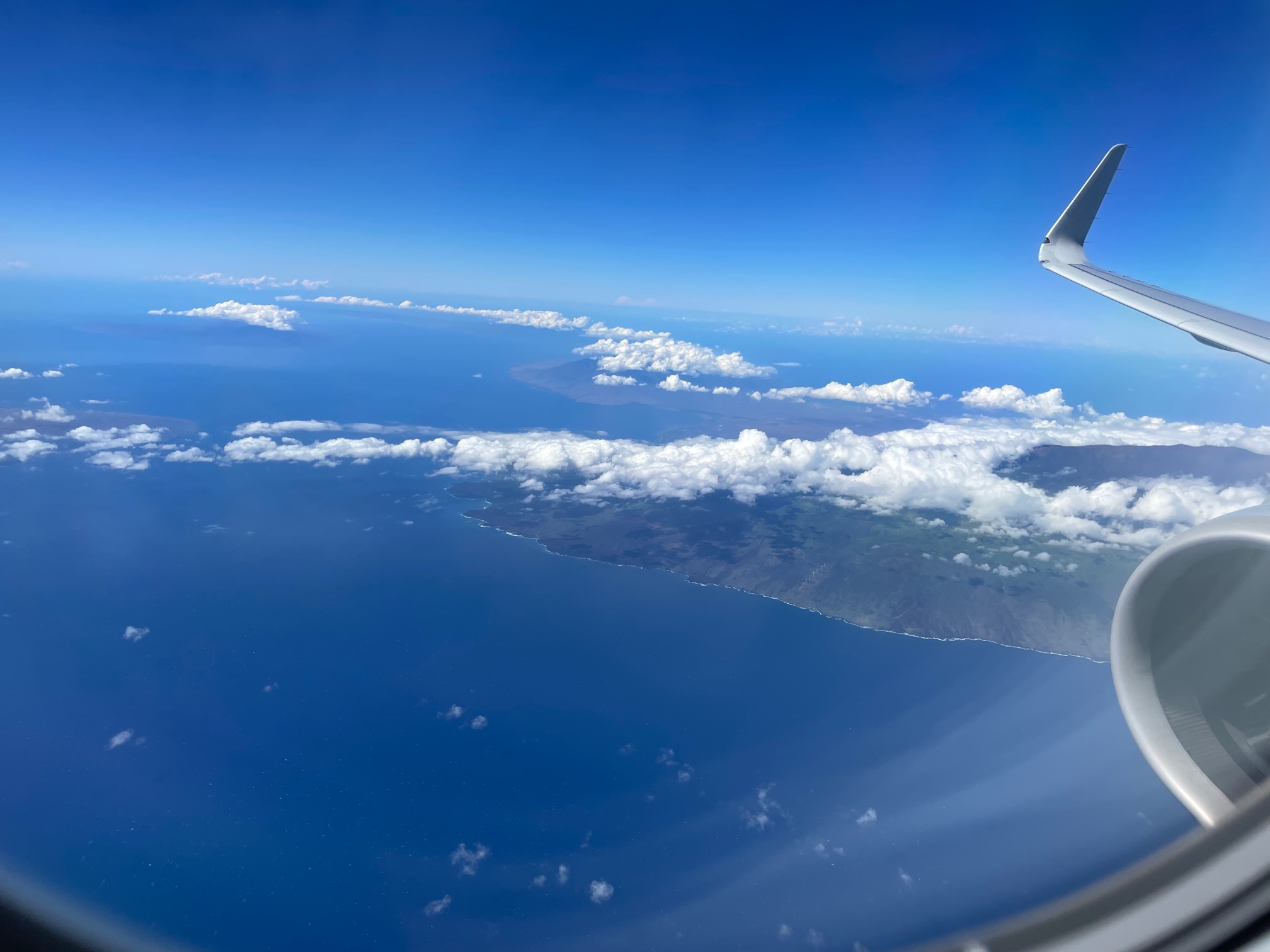
From the dramatic cliffs of Napali Coast on Kauai to the vibrant marine life of Molokini Crater off Maui, and the iconic surfing beaches of Oahu’s North Shore, Hawaii offers a kaleidoscope of natural wonders. The diverse landscapes, rich cultural heritage, and the aloha spirit of its people create an atmosphere of pure enchantment. Imagine watching a sunset over the Pacific Ocean, hiking through lush rainforests to cascading waterfalls, or simply relaxing on a black sand beach. These are the moments that make the long flight fade into a distant memory.
Planning Your Hawaii Itinerary
Once you’ve made it through the long flight, the real adventure begins. Start planning your activities and excursions in advance to make the most of your precious time. Whether you’re interested in snorkeling, hiking, exploring volcanoes, or simply unwinding by the pool, Hawaii offers an endless array of possibilities. Each island has its distinct charm and attractions, so consider what kind of experience you’re seeking to choose your perfect Hawaiian escape.
In conclusion, flying from Philadelphia to Hawaii is a significant undertaking, typically requiring 12 to 18 hours of total travel time due to necessary layovers, primarily on the West Coast. However, with careful planning, smart booking strategies, and a focus on comfort and wellness during the journey, you can mitigate the challenges of long-haul travel. The reward—the unparalleled beauty and serenity of Hawaii—makes every moment of the journey unequivocally worth it. Prepare well, embrace the adventure, and soon you’ll be saying “Aloha” to your unforgettable Hawaiian vacation.
LifeOutOfTheBox is a participant in the Amazon Services LLC Associates Program, an affiliate advertising program designed to provide a means for sites to earn advertising fees by advertising and linking to Amazon.com. Amazon, the Amazon logo, AmazonSupply, and the AmazonSupply logo are trademarks of Amazon.com, Inc. or its affiliates. As an Amazon Associate we earn affiliate commissions from qualifying purchases.