
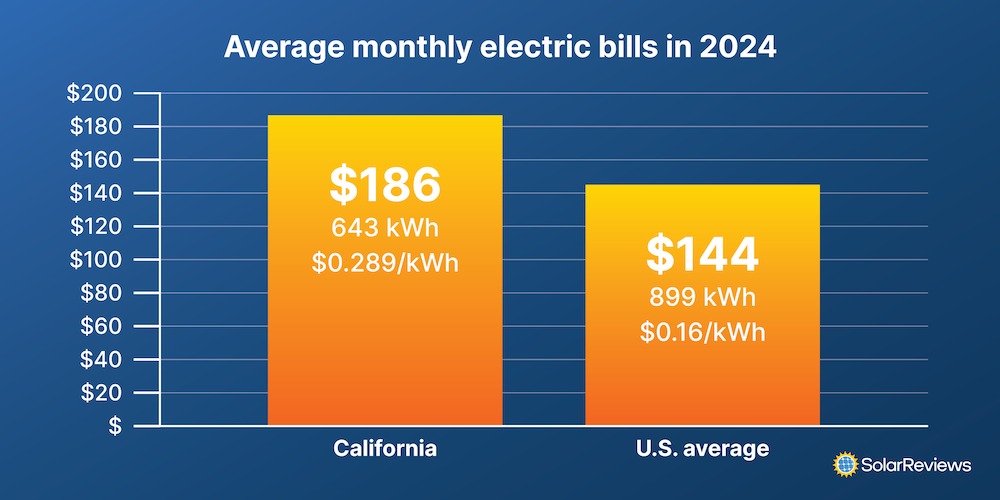
California, often lauded as the Golden State, is a land of innovation, stunning natural beauty, and a coveted lifestyle. Yet, beneath the veneer of sun-drenched beaches and booming tech hubs lies a less glamorous reality: some of the highest electricity costs in the United States. For residents and businesses alike, these elevated utility bills significantly impact the cost of living, budgeting strategies, and the overall economic landscape, fundamentally shaping the Californian lifestyle. Understanding why your electricity bill in California might induce sticker shock requires delving into a complex web of regulatory policies, infrastructure challenges, ambitious environmental goals, and the escalating threat of climate change. This article will unravel the multifaceted reasons behind California’s expensive electricity, exploring how these factors converge to define an integral aspect of life in the state.
The Golden State’s Energy Tapestry: A Legacy of Complexity
California’s journey to its current energy pricing structure is marked by distinct historical and infrastructural elements. The foundational layers of its energy system contribute significantly to today’s high costs, directly influencing the financial “lifestyle” burden on its inhabitants.
A Legacy of Deregulation and Market Complexity
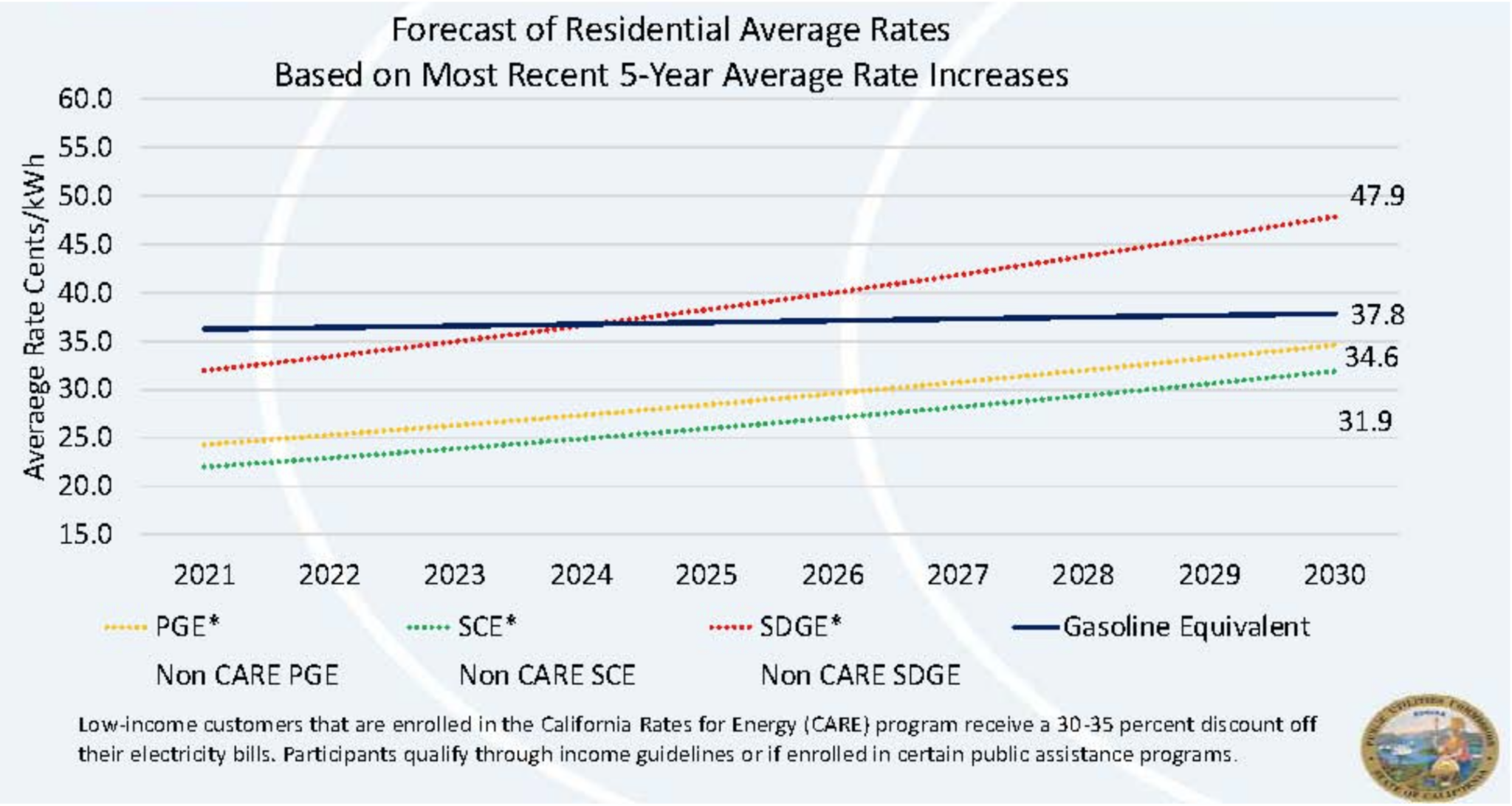
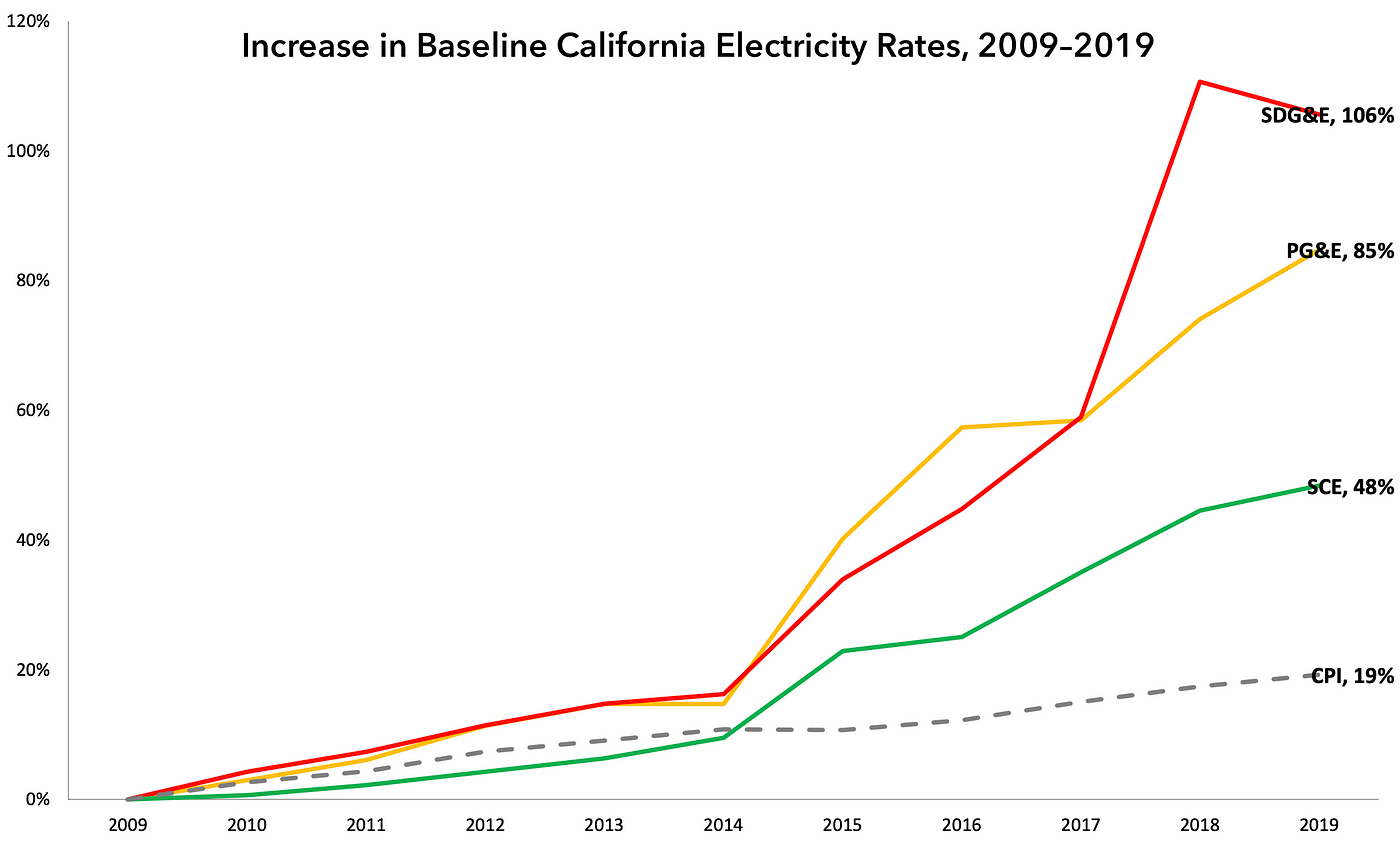
A pivotal moment in California’s energy history was the deregulation of its electricity market in the late 1990s. Intended to foster competition and lower prices, the policy instead contributed to the infamous 2000-2001 energy crisis, marked by rolling blackouts and exorbitant wholesale prices. While the market has since been re-regulated to a degree, the legacy of this period includes an intricate mix of long-term contracts for energy procurement and a complex market structure that adds layers of administrative and operational costs. Utility companies like Pacific Gas and Electric (PG&E), Southern California Edison (SCE), and San Diego Gas & Electric (SDG&E) operate within this framework, facing unique challenges in balancing supply, demand, and price stability. The complexity inherently drives up costs associated with managing diverse generation sources, transmission networks, and distribution systems, all of which are ultimately passed on to consumers. This translates into higher monthly expenses, compelling residents to budget more carefully for essential services, thereby altering their discretionary spending and overall lifestyle.
Infrastructure Investment and Maintenance Demands
California’s vast and diverse geography, from densely populated urban centers like Los Angeles and San Francisco to sprawling rural areas, necessitates an extensive and robust electrical grid. Maintaining and upgrading this aging infrastructure is a continuous and incredibly costly endeavor. Billions are invested annually in repairing power lines, transformers, and substations, and in building new transmission capacity to meet growing demand and integrate new energy sources. These infrastructure costs, including the expense of protecting equipment from natural elements and general wear and tear, are folded into customer rates. For the average Californian, this means a portion of their monthly bill is dedicated to ensuring the reliability and modernization of the grid. This recurring charge is a non-negotiable part of living in a state committed to maintaining high-quality infrastructure, impacting how much disposable income families have for other lifestyle choices.
Greener Living, Higher Costs: The Impact of Renewable Energy Mandates
California has long been a global leader in environmental policy, setting aggressive targets for renewable energy adoption. While these initiatives are crucial for combating climate change and promoting a sustainable future, they come with substantial financial implications that directly affect electricity prices and, consequently, the cost of a “green” lifestyle.
The Push for Solar and Wind: Initial Investment Hurdles
The state’s Renewable Portfolio Standard (RPS) mandates that a significant percentage of electricity must come from renewable sources. This ambition has driven massive investments in solar farms, wind turbines, and other green technologies. Building new utility-scale renewable energy projects, while increasingly cost-effective over their lifespan, requires substantial upfront capital. Furthermore, integrating intermittent sources like solar and wind into the grid demands sophisticated energy storage solutions and advanced grid management systems. These initial capital expenditures, along with ongoing operational costs for renewable facilities, contribute to higher generation costs compared to traditional fossil fuel plants, especially during the transition phase. While the long-term environmental benefits are clear, the short-term financial impact means that residents and businesses pay a premium for living in a state dedicated to leading the charge in clean energy. This commitment to sustainability is a core part of the California identity, but it’s a lifestyle choice with a clear price tag.
Grid Modernization for a Sustainable Future
Beyond just building renewable generation, California is also investing heavily in modernizing its grid to be “smarter” and more resilient. This includes deploying smart meters, advanced sensor technologies, and automation systems that can better manage fluctuating energy supplies from renewables and respond more effectively to outages. These technological upgrades enhance reliability and efficiency but are costly. Furthermore, the construction of new transmission lines is often required to bring renewable energy from remote generation sites (like solar fields in the desert or wind farms in windy passes) to urban load centers. All these investments in a future-ready, greener grid are passed through to consumers via their utility bills. The effort to future-proof the state’s energy supply against climate change and promote sustainable living is a collective endeavor, funded by the collective contributions of every electricity user, embedding the cost of environmental stewardship into the Californian lifestyle.
Wildfire Woes and Risk Mitigation: A Costly Imperative
Perhaps one of the most unexpected yet significant drivers of California’s electricity costs in recent years has been the escalating threat of wildfires. Climate change has exacerbated fire seasons, leading to devastating consequences and placing immense financial burdens on utility companies, which are then passed on to consumers.
PG&E and the Burden of Fire Prevention
Utility companies, particularly PG&E in Northern California, have faced massive liabilities due to their equipment being implicated in starting catastrophic wildfires. The Camp Fire in 2018, which devastated the town of Paradise, led to PG&E’s bankruptcy and an unprecedented financial restructuring. In response, utilities are now undertaking massive wildfire mitigation efforts. These include extensive vegetation management (trimming trees near power lines), hardening infrastructure (replacing wooden poles with more resilient ones), increasing inspections, and even implementing Public Safety Power Shutoffs (PSPS) during high-risk weather conditions. These preventative measures, while essential for public safety and protecting communities, are astronomically expensive. Billions of dollars are being spent annually on these programs, a cost that is largely borne by ratepayers. This not only increases electricity bills but also impacts the lifestyle in fire-prone areas, where residents face the dual burden of higher costs and potential power outages as a safety measure.
Insurance Premiums and Their Ripple Effect
The increased risk of wildfires has also dramatically driven up insurance premiums for utility companies. Insurers view operating in California’s fire-prone areas as a high-risk venture, leading to higher rates for liability coverage. These elevated insurance costs are another significant expense that utilities must recoup, and they do so by incorporating them into customer rates. Beyond the utilities, residents themselves face higher home insurance premiums, and businesses experience increased operational costs due to wildfire risks. This ripple effect permeates the entire economy, raising the cost of living and doing business across the state. The constant threat and the measures taken to combat it have become an inherent, expensive part of the Californian lifestyle, making basic utilities a more significant line item in household budgets.
Beyond the Meter: Taxes, Fees, and Utility Structure
The costs associated with generation, transmission, and risk mitigation are further compounded by a complex system of taxes, fees, and unique rate structures that characterize California’s energy market.
The Intricacies of California’s Rate Structures
California’s utility rates are not just a simple per-kilowatt-hour charge. They often involve complex tiered structures, time-of-use (TOU) pricing, and various fixed charges. Tiered rates mean that the more electricity you consume, the higher the price per kilowatt-hour you pay, designed to incentivize conservation. TOU rates charge different prices depending on the time of day, with peak hours (typically late afternoon and early evening) being the most expensive. While intended to encourage energy conservation and shift demand away from peak times, these complex structures can be difficult for consumers to navigate, leading to unexpectedly high bills if usage isn’t carefully managed. For a family running air conditioning during a hot California evening or a business operating during peak hours, these rates significantly inflate their energy expenses, impacting their ability to live or operate within a predictable budget. Adapting one’s daily routine to minimize energy use during peak hours becomes a necessary lifestyle adjustment for many.
Administrative Overheads and Regulatory Compliance
Operating in California’s heavily regulated energy environment comes with substantial administrative and compliance costs. The California Public Utilities Commission (CPUC) sets and oversees utility rates and policies, requiring extensive reporting, audits, and legal processes. These regulatory activities, while ensuring consumer protection and policy adherence, add overhead expenses for utilities. Furthermore, various state and local taxes, surcharges, and public purpose program costs (funding low-income assistance, energy efficiency programs, and renewable energy incentives) are all bundled into the electricity bill. These seemingly small charges accumulate, contributing to the overall high cost. Every month, a portion of the bill goes towards funding these societal programs and regulatory oversight, making electricity not just a commodity but a vehicle for various state objectives that shape the collective Californian lifestyle.
Navigating the High Cost of Living: Lifestyle Adjustments and Future Outlook
The confluence of these factors makes electricity in California exceptionally expensive, directly impacting the lifestyle of its residents and the viability of its businesses.
How High Bills Impact Daily Life
For many Californians, high electricity bills are a significant drain on household budgets, often ranking among the highest fixed expenses after housing. This financial pressure can influence everything from thermostat settings and appliance usage to decisions about where to live and work. Families might forgo certain luxuries or defer other essential spending to cover utility costs. Businesses, particularly those with high energy demands like manufacturing or data centers, face increased operational costs, potentially affecting their competitiveness or leading to higher prices for consumers. The sheer cost of powering a home or business in California means that energy efficiency is not merely an environmental ideal but a financial necessity, driving a lifestyle of conscious consumption.
Strategies for Energy Efficiency and Budgeting
In response to these high costs, many Californians have adopted strategies to mitigate their energy expenses. Investing in solar panels (often supported by state incentives), upgrading to energy-efficient appliances, sealing drafts, and optimizing thermostat settings are common practices. For those unable to make significant upfront investments, simply being mindful of peak hours and reducing overall consumption becomes a critical budgeting tool. The state also offers various programs to assist low-income households with utility bills and promote energy-saving measures. The proactive pursuit of energy efficiency has become an ingrained part of the Californian lifestyle, driven by both environmental consciousness and economic pragmatism. While the future of electricity costs in California remains subject to evolving policies, technological advancements, and climate challenges, understanding the underlying drivers empowers residents and businesses to better manage their energy footprint and navigate the complexities of life in the Golden State.
LifeOutOfTheBox is a participant in the Amazon Services LLC Associates Program, an affiliate advertising program designed to provide a means for sites to earn advertising fees by advertising and linking to Amazon.com. Amazon, the Amazon logo, AmazonSupply, and the AmazonSupply logo are trademarks of Amazon.com, Inc. or its affiliates. As an Amazon Associate we earn affiliate commissions from qualifying purchases.