
Embarking on a journey from the vibrant metropolis of Chicago, Illinois, to the dazzling desert oasis of Las Vegas, Nevada, is a popular endeavor for countless travelers seeking adventure, entertainment, and a vibrant escape. One of the most common questions travelers ask when planning this trip is, “How long is the flight?” While seemingly straightforward, the answer involves several nuanced factors that can significantly influence your travel time. Understanding these elements is key to planning a seamless and enjoyable experience, ensuring you arrive in Sin City ready to explore its endless possibilities.
Understanding Flight Durations: Factors at Play
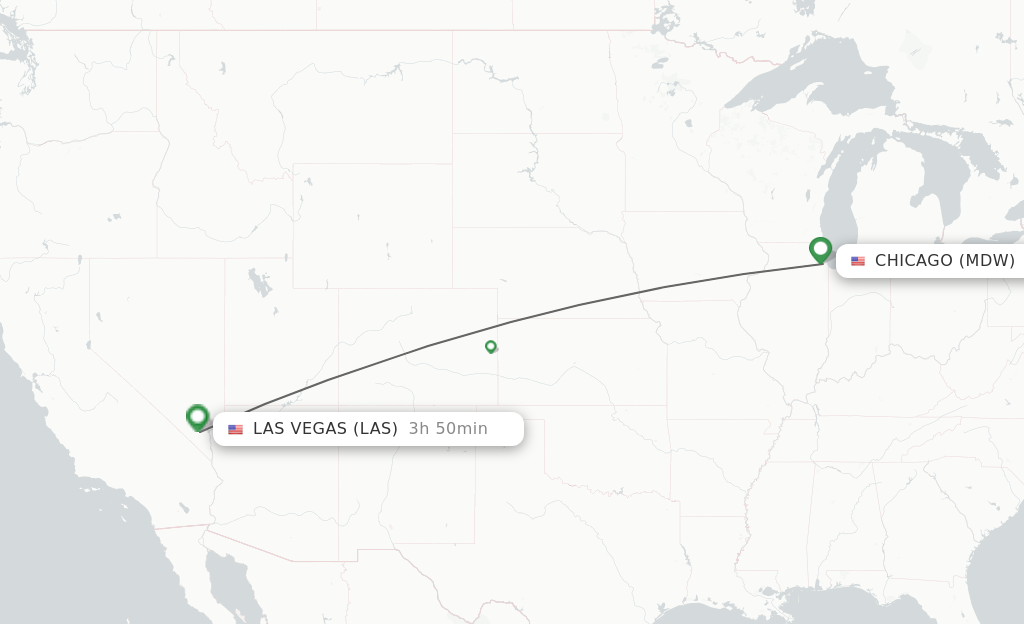
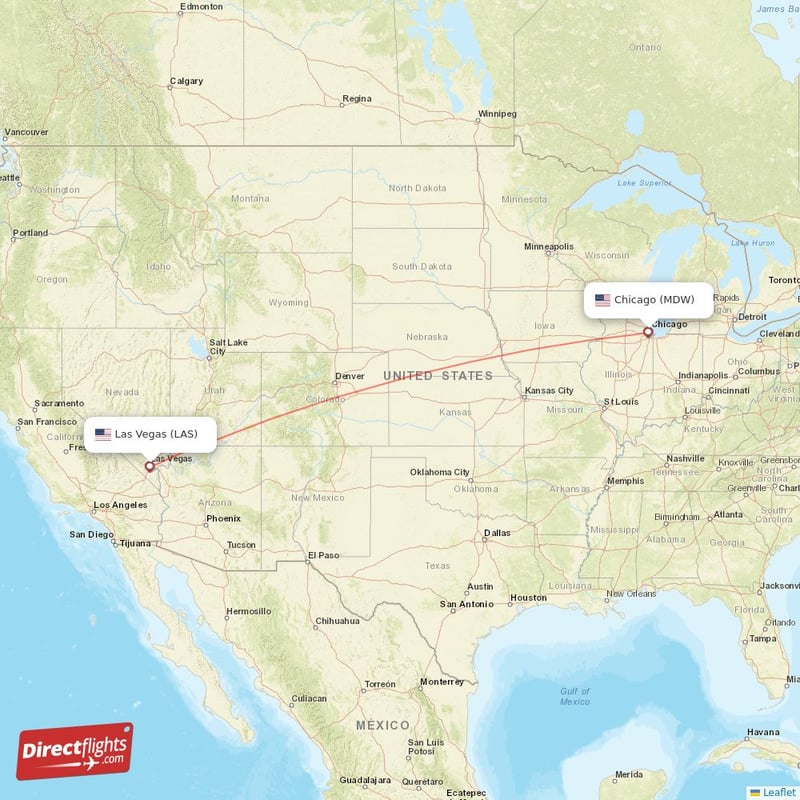
The direct flight path between Chicago and Las Vegas covers an aerial distance of approximately 1,500 to 1,515 miles (2,414 to 2,438 kilometers). However, the time it takes to traverse this distance is not static. Various operational and environmental factors contribute to the overall flight duration, making it a dynamic rather than a fixed number.
Direct vs. Connecting Flights
The most significant determinant of your total travel time is whether you opt for a direct (non-stop) flight or one with layovers.
A direct flight from Chicago to Las Vegas typically ranges from 3 hours and 30 minutes to 4 hours and 15 minutes. This variation accounts for factors like specific flight paths, cruising speed, and minor air traffic adjustments. For travelers prioritizing speed and convenience, non-stop options are almost always the preferred choice, minimizing time spent in transit and maximizing time at your destination.
Connecting flights, on the other hand, can extend your journey considerably. Depending on the number of layovers, the duration of each stop, and the efficiency of connecting airports, a flight with one or more connections could range from 6 hours to 10+ hours. While often more budget-friendly, these flights require careful planning to ensure sufficient layover time for transfers without excessive waiting. Common layover cities for this route might include Denver, Phoenix, or Dallas, adding significant time to the overall trip.
Aircraft Type and Speed
The type of aircraft used for the flight also plays a subtle role in determining speed. Modern passenger jets, such as the Boeing 737 or Airbus A320 series, which are commonly used for domestic routes of this distance, cruise at similar speeds, generally between 500-600 miles per hour (800-965 km/h). While there might be marginal differences in top speed, these are usually offset by air traffic control directives and flight path optimizations rather than making a noticeable impact on the passenger’s perceived flight time. The efficiency and range of the aircraft ensure a comfortable and swift journey across the continental United States.
Weather Conditions and Air Traffic Control
Two external factors that frequently influence flight times are weather and air traffic control (ATC). Adverse weather conditions, whether at the departure airport in Chicago, en route, or at Harry Reid International Airport in Las Vegas, can necessitate longer flight paths to avoid turbulence, holding patterns to await better conditions, or even rerouting. Headwinds, for instance, can slow an aircraft down, increasing flight time, while tailwinds can provide a boost, shortening the journey.
Air traffic control also plays a critical role in managing the skies. Busy air corridors, particularly over major hubs, might lead to delays in takeoff or require aircraft to follow specific, sometimes longer, flight paths to manage congestion. These directives are essential for safety and efficiency, but they can add a few minutes, or in some cases, more, to the anticipated flight duration.
The Typical Flight Experience from Chicago to Las Vegas
Understanding the average flight time is just one piece of the puzzle. The entire travel experience, from stepping into the airport to arriving at your Las Vegas resort, encompasses several stages, each with its own time considerations.
Departure Points: Chicago’s O’Hare and Midway
Chicago is served by two major airports: O’Hare International Airport (ORD) and Midway International Airport (MDW). Both offer numerous flights to Las Vegas, providing travelers with flexibility based on their location within the Chicago metropolitan area and airline preference.
O’Hare International Airport, one of the busiest airports in the world, offers a vast array of domestic and international flights. While it boasts more options, its size can sometimes mean longer taxi times for aircraft before takeoff and after landing. Midway International Airport, though smaller, is known for its efficiency and is often preferred by those living closer to downtown Chicago or seeking a more streamlined airport experience. Regardless of the departure airport, passengers should factor in ample time for check-in, security, and getting to their gate.
Arrival Point: Harry Reid International Airport
Upon arrival in Las Vegas, you’ll land at Harry Reid International Airport (LAS), formerly known as McCarran International Airport. This bustling airport is conveniently located just a few miles from the Las Vegas Strip, making ground transportation to most major hotels quick and accessible. Harry Reid International Airport is well-equipped with amenities, including rental car services, taxis, ride-sharing options, and shuttle buses, all designed to whisk travelers away to their accommodations.
In-Flight Comfort and Amenities
For a journey of 3.5 to 4 hours, airlines typically provide a comfortable flying experience. Passengers can expect standard seating arrangements, and many modern aircraft now offer in-flight Wi-Fi, entertainment systems, and power outlets for personal devices. While complimentary meal services are increasingly rare on domestic flights of this length, snacks and beverages are usually available for purchase. Preparing for your flight with a good book, downloaded movies, or comfortable headphones can significantly enhance the travel experience, turning transit time into leisure time.
Beyond the Flight: Travel Time Considerations
The duration of the flight itself is only one component of your overall journey. A realistic travel plan must account for time spent before and after the flight.
Airport Arrival and Security
It’s universally recommended to arrive at the airport well in advance of your scheduled departure. For domestic flights from O’Hare International Airport or Midway International Airport to Las Vegas, this typically means 1.5 to 2 hours for standard check-in and security procedures. During peak travel times, holidays, or if you’re checking luggage, adding an extra 30 minutes is a wise precaution. Expedited security programs like TSA PreCheck or CLEAR can significantly reduce wait times, but even with these, it’s always better to have extra time than to rush.
Boarding and Deplaning
The boarding process usually begins 30 to 45 minutes before departure and can take 20-30 minutes to complete. Similarly, once your flight lands in Las Vegas, deplaning can take another 10-20 minutes, depending on your seat location. These periods, while seemingly minor, contribute to the total time from gate to gate.
Ground Transportation in Las Vegas
Once you’ve collected any checked luggage and exited Harry Reid International Airport, your final leg of the journey begins: getting to your hotel. The proximity of the airport to the Las Vegas Strip means this is often a quick trip. A taxi or ride-share to a central Strip hotel can take as little as 10-20 minutes, depending on traffic. Shuttles may take longer due to multiple stops. If you’re heading downtown to the Fremont Street Experience area, expect an additional 5-10 minutes. Factoring in this final segment, your door-to-door travel time from Chicago to a Las Vegas hotel will typically be around 5.5 to 6.5 hours for a direct flight.
Maximizing Your Journey: Tips for a Smooth Flight
A successful trip begins with thoughtful preparation. Optimizing your flight experience from Chicago to Las Vegas involves more than just knowing the flight duration.
Booking Strategies for Optimal Flight Times
When booking, consider what time of day works best for your energy levels and schedule. Early morning flights often experience fewer delays but require an early start. Mid-day flights can be convenient but sometimes coincide with peak airport traffic. Late-night flights might be cheaper but mean arriving in Las Vegas late, potentially impacting your first night’s activities. Use flight comparison websites and be flexible with your travel dates to find the best deals and most convenient schedules. Booking in advance, especially for popular routes like Chicago to Las Vegas, can also yield better prices and a wider selection of flight times.
Packing Smart and Staying Comfortable
For a 3.5 to 4-hour flight, light packing and dressing in layers are advisable. Bring essential comfort items in your carry-on, such as a neck pillow, eye mask, and noise-canceling headphones. Don’t forget your chargers and any medication. Hydration is key during air travel, so carry a reusable water bottle to fill after security. Staying comfortable and well-prepared helps the flight duration feel shorter and more manageable.
Navigating Airport Layover
If you choose a connecting flight, make sure your layover is long enough to comfortably transfer but not so long that it becomes tedious. A 1.5- to 2-hour layover is generally ideal for domestic connections, allowing time for potential delays of the first flight and navigating to your next gate. If you have a significantly longer layover, consider exploring the airport amenities, grabbing a meal, or finding a quiet lounge to relax. Checking the layout of your connecting airport beforehand can also save time and reduce stress.
Why Choose Las Vegas? A Glimpse into the Destination
Beyond the practicalities of travel, Las Vegas remains an enduringly popular destination for a multitude of reasons, attracting millions from Chicago and worldwide.
Entertainment and Nightlife
Las Vegas is synonymous with world-class entertainment. From captivating Cirque du Soleil shows and residencies by global music superstars to dazzling magic acts and intimate comedy clubs, there’s always a performance to suit every taste. The city truly comes alive after dark, with countless nightclubs, vibrant bars, and unique themed venues offering endless opportunities for revelry. Iconic casinos like Caesars Palace and the Venetian Resort offer gambling alongside their entertainment options.
Dining and Shopping
The culinary scene in Las Vegas is a gastronomic paradise, boasting an incredible array of celebrity chef restaurants, gourmet buffets, and diverse international cuisines. Whether you’re seeking a Michelin-starred experience or a casual, delicious bite, Las Vegas delivers. Shopping enthusiasts will also find their haven here, with luxury boutiques at the Forum Shops at Caesars and Grand Canal Shoppes at the Venetian, alongside expansive outlet malls.
Day Trips and Outdoor Adventures
While the glitz of the Las Vegas Strip is undeniably alluring, the surrounding Nevada landscape offers breathtaking natural beauty and adventure opportunities. Popular day trips include the awe-inspiring Grand Canyon, the architectural marvel of the Hoover Dam, and the striking red rock formations of Red Rock Canyon National Conservation Area. These excursions provide a stunning contrast to the city lights and are easily accessible from Las Vegas, adding another dimension to your travel experience.
In conclusion, a direct flight from Chicago to Las Vegas typically takes between 3 hours 30 minutes and 4 hours 15 minutes. However, a comprehensive understanding of airport procedures, ground transportation, and the various factors influencing flight times will ensure a smooth and enjoyable journey from start to finish, setting the stage for an unforgettable visit to the Entertainment Capital of the World.
LifeOutOfTheBox is a participant in the Amazon Services LLC Associates Program, an affiliate advertising program designed to provide a means for sites to earn advertising fees by advertising and linking to Amazon.com. Amazon, the Amazon logo, AmazonSupply, and the AmazonSupply logo are trademarks of Amazon.com, Inc. or its affiliates. As an Amazon Associate we earn affiliate commissions from qualifying purchases.