
Understanding the typical duration of a flight from New York to London is a fundamental piece of information for any traveler planning an transatlantic adventure. This journey, connecting two of the world’s most iconic cities, is a staple for both leisure and business travelers. While the sheer distance might suggest a lengthy ordeal, modern aviation has significantly streamlined this route. However, numerous factors can influence the precise time it takes to traverse the Atlantic. From the type of aircraft to prevailing wind conditions, each element plays a role in determining your arrival time. This guide aims to demystify the flight duration, offering insights into the average times, the variables that affect them, and what you can expect from your journey.
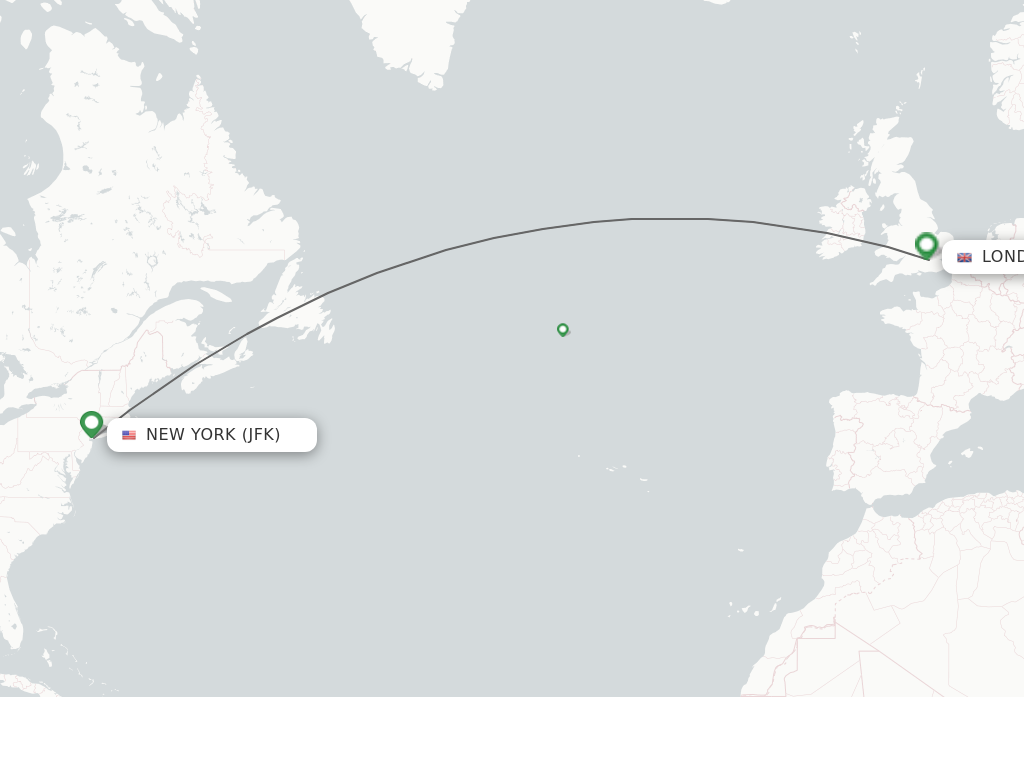
Average Flight Duration: The Baseline Expectation
The most common answer to “how long is a flight to London from New York?” hovers around the 7 to 8-hour mark. This figure represents the typical scheduled flight time for a direct, non-stop service operated by major airlines. These flights are designed for efficiency, utilizing aircraft capable of sustained high speeds over long distances.
Direct vs. Indirect Flights
When considering flight times, it’s crucial to distinguish between direct and indirect services.
Direct Flights
Direct flights, as mentioned, are the most time-efficient option. They depart from a New York area airport (such as John F. Kennedy International Airport – JFK, Newark Liberty International Airport – EWR, or LaGuardia Airport – LGA, though LGA primarily serves domestic routes) and arrive at a London airport (most commonly Heathrow Airport – LHR, but also Gatwick Airport – LGW, or London Stansted Airport – STN) without any stops. For this route, a typical direct flight will take approximately:
- Westbound (London to New York): Around 7 hours 30 minutes to 8 hours 30 minutes.
- Eastbound (New York to London): Around 6 hours 30 minutes to 7 hours 30 minutes.
The eastbound journey is consistently shorter due to the influence of the jet stream, a high-altitude, fast-flowing air current that generally moves from west to east.
Indirect Flights
Indirect flights involve at least one stopover. These can significantly increase your total travel time. The layover airport could be in another city in the United States, Canada, or even in Europe. The total duration for an indirect flight can range anywhere from 10 hours to over 20 hours, depending on the length of the layover and the location of the connecting airport. While sometimes chosen for cost savings or to visit an additional destination, they demand more patience and planning.
Factors Influencing Flight Duration
The seemingly simple question of flight time is influenced by a complex interplay of natural phenomena and operational decisions. Understanding these factors can help manage expectations and even inform booking choices.
The Jet Stream: Nature’s Tailwind
As alluded to, the jet stream is perhaps the most significant natural factor affecting transatlantic flight times. This fast-flowing, narrow air current, located at high altitudes (typically 30,000-40,000 feet), moves eastward across the Northern Hemisphere.
- Eastbound Flights (New York to London): Aircraft flying east benefit from the jet stream, essentially getting a powerful tailwind. This “push” significantly reduces the travel time, making the journey to London noticeably shorter than the return trip.
- Westbound Flights (London to New York): Flights traveling west encounter the jet stream as a headwind. This resistance slows the aircraft down, making the journey back to New York longer.
The strength and position of the jet stream vary seasonally and even daily, leading to fluctuations in flight durations even for the same route on different days.
Aircraft Type and Speed
The specific aircraft model operated by an airline plays a role in flight duration. Modern commercial jets, such as the Boeing 777, 787 Dreamliner, or the Airbus A350 and A380, are designed for long-haul efficiency and speed. Different aircraft have slightly different cruising speeds, and while this difference might only be a few miles per hour, over thousands of miles, it can accumulate to a measurable impact on flight time. Newer, more aerodynamic aircraft often achieve slightly faster flight times.
Weather Conditions and Air Traffic Control
Beyond the upper-level jet stream, localized weather patterns can also influence flight paths and speeds.
- Turbulence: Severe turbulence might require pilots to alter their altitude, which can affect ground speed and thus flight time.
- Storms: Major weather systems, like thunderstorms or hurricanes, can necessitate detours, adding miles and minutes to the journey.
- Air Traffic Control (ATC): Congestion at departure or arrival airports, or in busy airspace corridors, can lead to holding patterns or slower taxiing. While ATC aims for efficiency, these systems can introduce minor delays.
Flight Path and Route Optimization
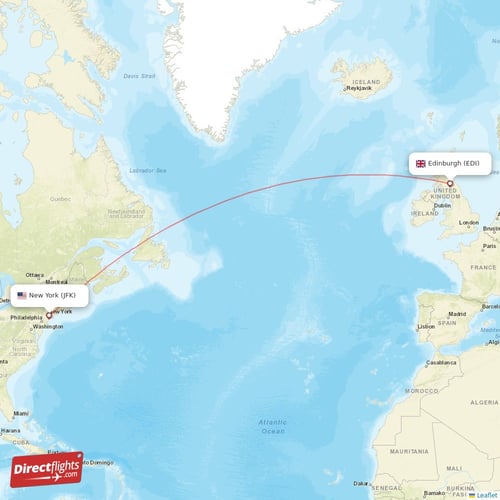
Airlines constantly optimize flight paths for efficiency, safety, and fuel economy. While a direct line (a great-circle route) between New York and London is the shortest geographical distance, factors like weather, jet stream position, and airspace restrictions can lead to slightly curved or adjusted routes. Pilots and flight dispatchers continuously monitor conditions to select the most favorable path at any given time.
Planning Your Journey: Practical Considerations
Knowing the average flight time is just the first step. To ensure a smooth and well-prepared journey, consider these practical aspects.
Booking Your Flight
When booking, always check the scheduled flight time provided by the airline. This figure typically includes taxiing to and from the gate and is a good indication of the total time you’ll spend on the aircraft. Be aware of the difference between scheduled time and actual flight time, as the latter can vary.
- Direct Flights: Prioritize direct flights for the shortest travel time. Airlines like British Airways, Virgin Atlantic, Delta Air Lines, and United Airlines frequently operate this route.
- Indirect Flights: If opting for an indirect flight, meticulously review the total duration, including layover times. Ensure the layover is sufficient to make your connection comfortably, but not excessively long.
Preparing for Departure and Arrival
The total travel time extends beyond the airborne hours. Factor in the time required to get to the airport, go through security, and reach your gate.
- Airport Arrival: For international flights, especially from major hubs like JFK or Heathrow, arriving at the airport at least three hours prior to departure is recommended. This allows ample time for check-in, baggage drop, and security procedures.
- Disembarking and Immigration: Upon arrival in London, the time taken to deplane, navigate immigration and customs, and collect your luggage can add another 30 minutes to over an hour, depending on the airport’s busyness and your nationality.
Time Zone Differences
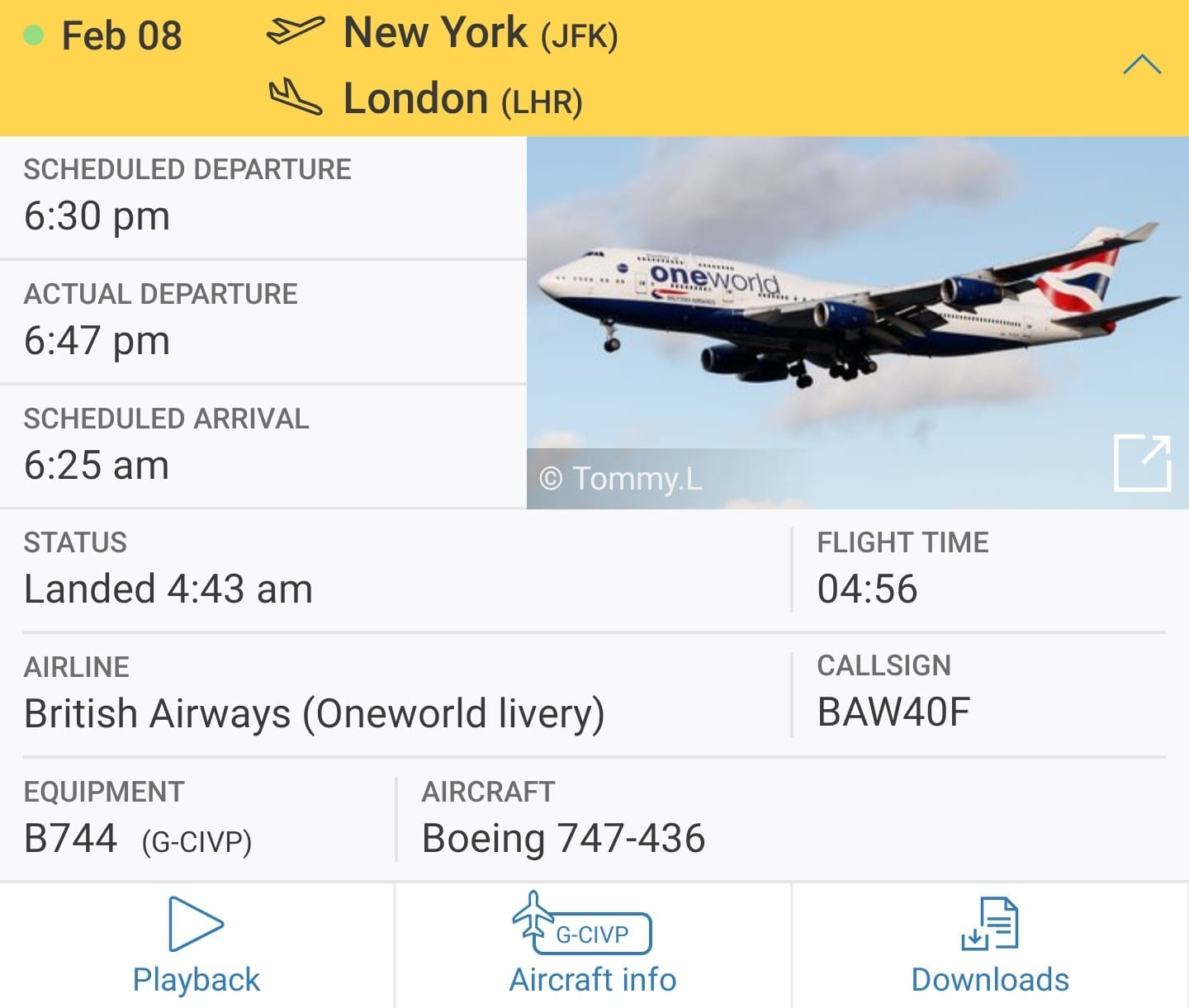
A crucial aspect of transatlantic travel is the time zone difference. New York operates on Eastern Time (ET), which is typically 5 hours behind Coordinated Universal Time (UTC-5). London operates on Greenwich Mean Time (GMT) or British Summer Time (BST), which is UTC+0 or UTC+1 respectively. This means when you depart New York in the evening, you will likely arrive in London the following morning, despite the relatively short flight duration. This time difference also means you’ll need to adjust your watch upon arrival to avoid disorientation.
Estimating Your Total Travel Time
To get a realistic picture of your journey’s length, consider these components:
- Travel to Departure Airport: Varies depending on your location within New York (e.g., Manhattan, Brooklyn). Allow at least 1-2 hours by taxi, AirTrain, or public transport.
- Airport Procedures: 3 hours before departure for check-in, security, and reaching the gate.
- In-Flight Time: Approximately 7 to 8 hours for a direct flight from New York to London.
- Disembarking & Airport Procedures in London: 30 minutes to 1.5 hours for deplaning, immigration, baggage claim, and customs.
- Travel from Arrival Airport to London City: Depending on the airport (Heathrow, Gatwick, etc.) and your final destination within London, this can take 45 minutes to over 1.5 hours by Heathrow Express, Gatwick Express, the Tube, or a taxi.
Summing these components, a typical door-to-door journey from New York to London can easily span 12 to 15 hours, even with a direct flight. Understanding this comprehensive timeframe is key to managing expectations and planning your day effectively upon arrival. For those seeking the ultimate efficiency, booking a direct flight remains the paramount strategy.
LifeOutOfTheBox is a participant in the Amazon Services LLC Associates Program, an affiliate advertising program designed to provide a means for sites to earn advertising fees by advertising and linking to Amazon.com. Amazon, the Amazon logo, AmazonSupply, and the AmazonSupply logo are trademarks of Amazon.com, Inc. or its affiliates. As an Amazon Associate we earn affiliate commissions from qualifying purchases.