
The question of whether Kaiser Permanente, a prominent integrated healthcare provider, has a presence in the state of Texas is a common one, particularly for individuals considering relocation or seeking healthcare options across different regions of the United States. While Kaiser Permanente is a well-established name in healthcare, its operational footprint is geographically concentrated. Understanding where Kaiser Permanente operates is crucial for anyone evaluating their healthcare choices, especially when planning to move to or travel within the vast expanse of Texas.
The Geographic Reach of Kaiser Permanente
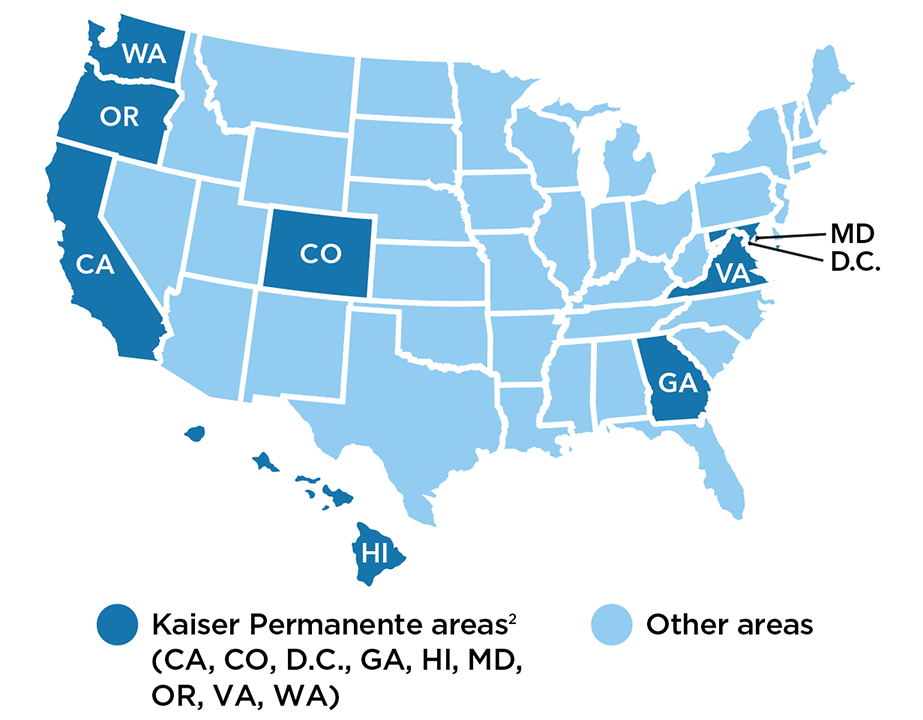
Kaiser Permanente’s operational model is distinct. It is an integrated managed care consortium, meaning it encompasses not only health insurance plans but also hospitals and medical facilities. This model allows for a coordinated approach to patient care. However, this integration means that Kaiser Permanente’s services are not available in every state. The organization operates primarily on the West Coast and in select other regions where it has established its comprehensive network.

Key Operational Regions
Kaiser Permanente’s core service areas include:
- California: This is by far the largest and most established market for Kaiser Permanente, covering nearly the entire state with its extensive network of doctors, hospitals, and clinics.
- Oregon and Southwest Washington: Kaiser Permanente has a significant presence in the Portland metropolitan area and surrounding regions.
- Hawaii: The island state is another area where Kaiser Permanente provides comprehensive healthcare services.
- Colorado: In Colorado, Kaiser Permanente offers health plans and a network of providers, including hospitals and medical offices.
- Georgia: Kaiser Permanente operates in the Atlanta metropolitan area, providing health plans and care facilities.
- Mid-Atlantic States: This region includes parts of Maryland, Virginia, and Washington, D.C., where Kaiser Permanente offers its integrated healthcare services.
Absence in Texas
Based on its current operational structure, Kaiser Permanente does not have a direct presence in Texas. This means that you cannot enroll in a Kaiser Permanente health plan, nor can you receive direct care from Kaiser Permanente hospitals or clinics within the state of Texas. For residents or visitors in Texas, seeking healthcare services through Kaiser Permanente is not an option. This absence is a critical piece of information for anyone accustomed to Kaiser Permanente’s services or considering it for future healthcare needs in the Lone Star State.
Navigating Healthcare in Texas
For individuals in Texas, the healthcare landscape is diverse, featuring a multitude of insurance providers, hospital systems, and independent medical practices. Understanding these alternatives is essential for ensuring access to quality care. Texas has a robust network of healthcare facilities and professionals, but accessing them will depend on your chosen health insurance plan.
Major Health Insurance Providers in Texas
Texas has a competitive health insurance market with many national and regional players. Some of the prominent health insurance providers operating in Texas include:
- Blue Cross Blue Shield of Texas: A widely recognized insurer offering a broad range of plans.
- UnitedHealthcare: Another major national provider with a substantial presence in Texas.
- Aetna: Offers various health insurance products and networks across the state.
- Cigna: Provides health insurance and related services to Texans.
- Humana: Another significant insurer with a presence in the Texas market.
- Local and Regional Plans: In addition to these national companies, Texas also has numerous smaller, regional, or specialized health plans that may cater to specific communities or needs.
When selecting a health plan in Texas, it is crucial to consider not only the premium and deductible but also the network of doctors, hospitals, and specialists available to you. Ensure that your preferred healthcare providers are in-network to maximize your benefits and minimize out-of-pocket expenses.
Prominent Texas Healthcare Systems
Texas is home to several large and reputable healthcare systems that operate numerous hospitals, clinics, and specialized centers. These systems form the backbone of healthcare delivery in the state. Some of the most notable include:
- HCA Healthcare: With a significant number of hospitals across Texas, including in major cities like Houston and Dallas, HCA offers a wide spectrum of medical services.
- Texas Health Resources: A major faith-based health system serving North Texas, with a strong presence in the Dallas-Fort Worth metroplex, featuring numerous hospitals and care facilities.
- Memorial Hermann Health System: A leading not-for-profit healthcare system in the Greater Houston area, known for its comprehensive network of hospitals, specialized centers, and outpatient facilities.
- Baylor Scott & White Health: The largest not-for-profit healthcare system in Texas, offering a wide range of services from primary care to highly specialized treatments across its network of hospitals and clinics.
- Seton Healthcare Family: Part of Ascension, this system serves Central Texas, particularly the Austin area, and is committed to providing compassionate care.
- Methodist Healthcare System: A prominent network of hospitals and care facilities in San Antonio, offering a comprehensive range of medical services.
These healthcare systems often have their own affiliated insurance products or preferred provider networks, which can influence the cost and accessibility of care.
Considerations for Individuals Relocating to Texas
For those planning to move to Texas, understanding the healthcare options available is a vital part of the relocation process. Without Kaiser Permanente, you will need to research and select a new health insurance plan and identify healthcare providers that fit your needs.
Researching Health Insurance Plans
The first step is to thoroughly research health insurance plans available in the specific area of Texas you plan to reside in. The Affordable Care Act (ACA) Marketplace is a valuable resource for comparing plans, understanding subsidies, and enrolling. Key factors to consider when choosing a plan include:
- Network Coverage: Ensure the plan’s network includes doctors, hospitals, and specialists in your desired location.
- Cost: Evaluate monthly premiums, deductibles, co-payments, and out-of-pocket maximums.
- Prescription Drug Coverage: Check if your necessary medications are covered and at what tier.
- Specialty Care: If you have specific health needs, verify coverage for specialists and treatments.
Finding New Healthcare Providers
Once you have selected a health insurance plan, the next step is to find healthcare providers who accept your insurance. This might involve:
- Using Insurance Provider Directories: Most insurance companies provide online directories of their in-network providers.
- Seeking Referrals: If you have friends, family, or colleagues in Texas, ask for recommendations for doctors and hospitals.
- Consulting Online Reviews: Websites and platforms that offer patient reviews can provide insights into the quality of care and patient experiences.
For those who previously relied on Kaiser Permanente’s integrated model, the transition to a different system in Texas will require a more proactive approach to managing your healthcare. This involves coordinating your care between different providers and ensuring seamless communication between your primary care physician and any specialists you see.
Understanding Different Healthcare Models
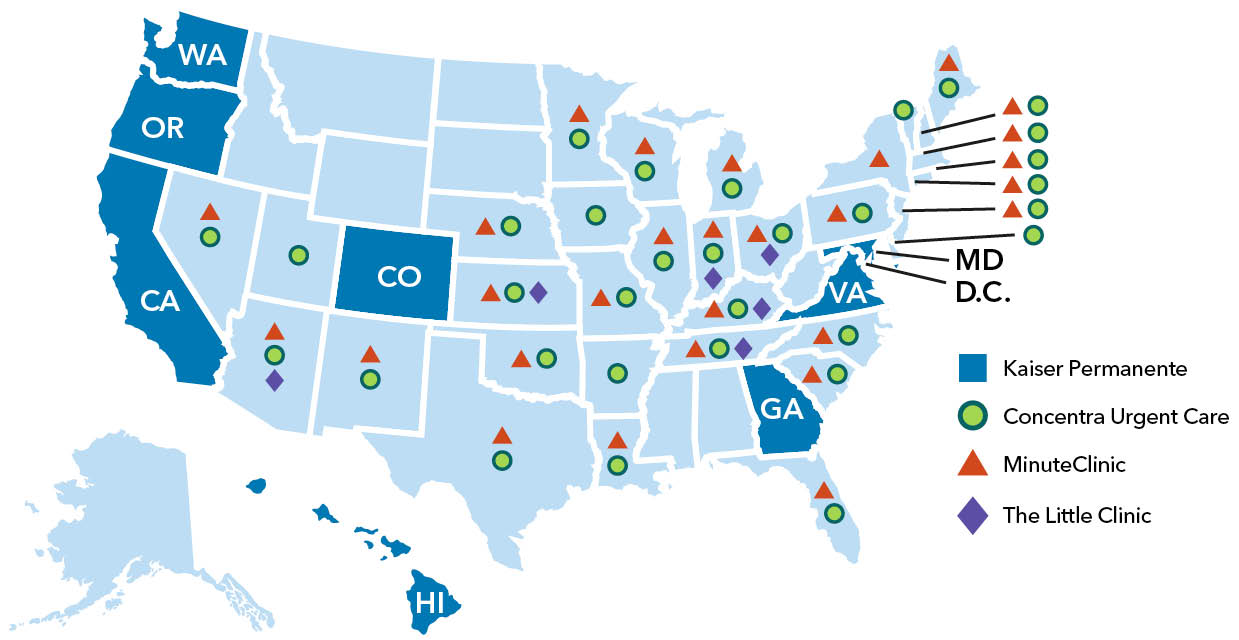
The absence of Kaiser Permanente in Texas highlights the diversity of healthcare delivery models across the United States. Kaiser Permanente’s integrated system offers a unique, coordinated approach that can be very appealing to its members. In states where it does not operate, individuals typically interact with a fragmented system where health insurance is separate from healthcare providers.
The Integrated Model (Kaiser Permanente)
Kaiser Permanente’s strength lies in its ability to integrate insurance, hospitals, and clinics under one roof. This means that when you have a Kaiser Permanente plan, your doctor, hospital, and pharmacy are all part of the same organization. This integration can lead to:
- Seamless Care Coordination: Easy transfer of medical records and communication between providers.
- Focus on Preventive Care: A vested interest in keeping members healthy to reduce long-term costs.
- Potentially Lower Costs: By controlling the entire care continuum, they can sometimes offer more predictable pricing.
The Fee-for-Service / PPO / HMO Model (Common in Texas)
In Texas, like in many other states, the dominant healthcare model involves a separation of insurance carriers and healthcare providers.
- Health Insurance Companies: These companies (like Blue Cross Blue Shield of Texas, UnitedHealthcare, etc.) offer various health plans.
- Healthcare Providers: This includes independent physician groups, hospital systems (like HCA Healthcare, Texas Health Resources, etc.), and individual practitioners.
When you have a plan like a Preferred Provider Organization (PPO) or Health Maintenance Organization (HMO) in Texas, you select a plan from an insurer, and then you choose doctors and hospitals that are “in-network” with that insurer. While this model offers more choice in providers, it often requires more effort from the patient to coordinate their care and ensure that all providers are communicating effectively. Understanding the terms of your specific insurance plan, such as referral requirements for specialist visits, is crucial for navigating this system effectively.
Conclusion: Planning Your Healthcare in Texas
In summary, the answer to “Is There Kaiser In Texas?” is a definitive no. Kaiser Permanente does not operate its integrated healthcare system within the state of Texas. For individuals who are current Kaiser Permanente members and are considering a move to Texas, or for those in Texas seeking healthcare solutions, it is essential to understand the healthcare landscape of the state.
Texas offers a wide array of healthcare choices through numerous insurance providers and extensive networks of hospitals and medical facilities. The key to successful healthcare management in Texas lies in diligent research, careful selection of a health insurance plan that aligns with your needs and location, and proactive engagement with healthcare providers. By understanding the available options and the nuances of the Texan healthcare system, individuals can ensure they receive the quality care they require.
LifeOutOfTheBox is a participant in the Amazon Services LLC Associates Program, an affiliate advertising program designed to provide a means for sites to earn advertising fees by advertising and linking to Amazon.com. Amazon, the Amazon logo, AmazonSupply, and the AmazonSupply logo are trademarks of Amazon.com, Inc. or its affiliates. As an Amazon Associate we earn affiliate commissions from qualifying purchases.