
The allure of New York City beckons from across the Atlantic, and for many, the journey begins with a flight from London. But precisely how long will this transatlantic voyage take? The answer, like many aspects of travel, isn’t a simple one-size-fits-all figure. Several factors influence the duration of your flight from the bustling metropolis of London to the iconic skyline of New York. Understanding these variables can help you better plan your trip, pack accordingly, and mentally prepare for your arrival in the city that never sleeps.
The Average Flight Duration: Setting a Baseline
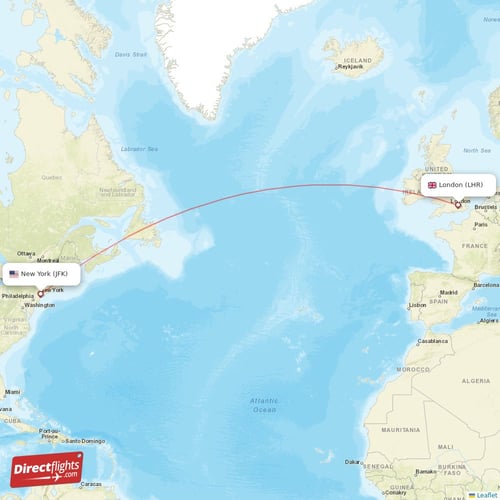
On average, a direct flight from London to New York typically spans between 7 to 8.5 hours. This is the most common timeframe you’ll encounter when searching for flights between these two major global hubs. This figure represents the time spent in the air, from the moment the aircraft leaves the runway at a London airport, such as Heathrow Airport or Gatwick Airport, to its touchdown at one of New York’s airports, most commonly John F. Kennedy International Airport (JFK), Newark Liberty International Airport (EWR), or LaGuardia Airport (LGA).
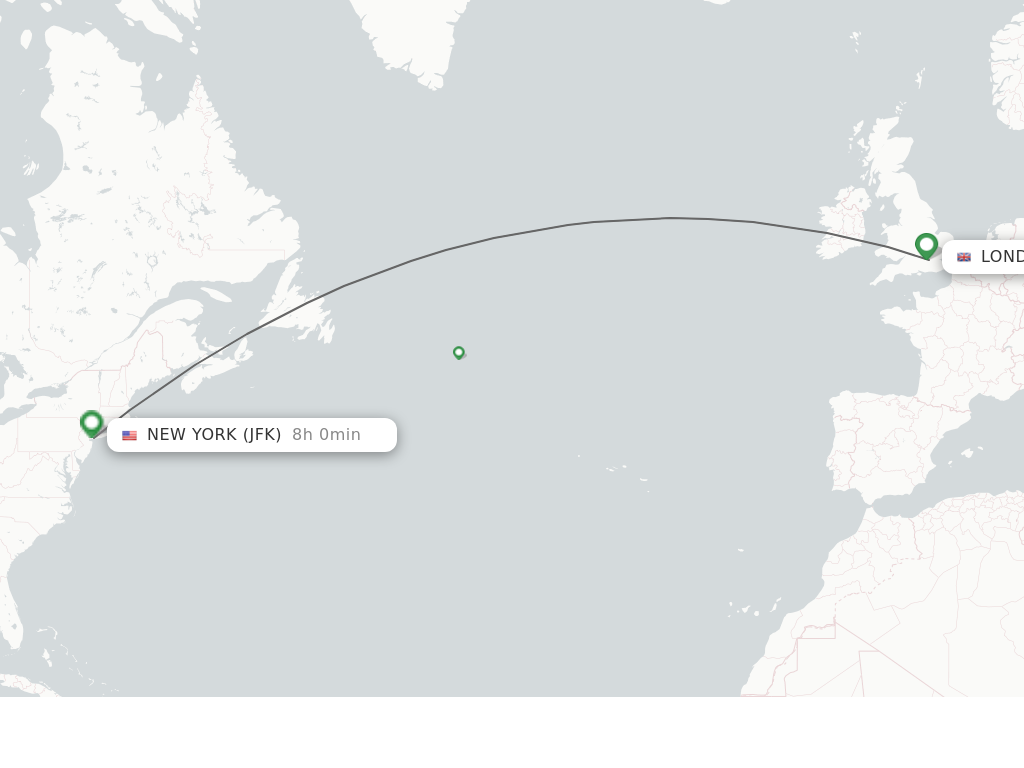
Several airlines operate this popular route, including British Airways, Virgin Atlantic, American Airlines, Delta Air Lines, and United Airlines. Each of these carriers may have slightly different flight times due to their specific aircraft types, flight paths, and operational procedures. When booking, always pay close attention to the estimated flight duration provided by the airline, as this will be the most accurate reflection of your travel time.
Factors Influencing Flight Time
While the average provides a good estimate, several dynamic factors can influence the actual duration of your flight from London to New York. These include:
1. Jet Streams: The Invisible Tailwinds
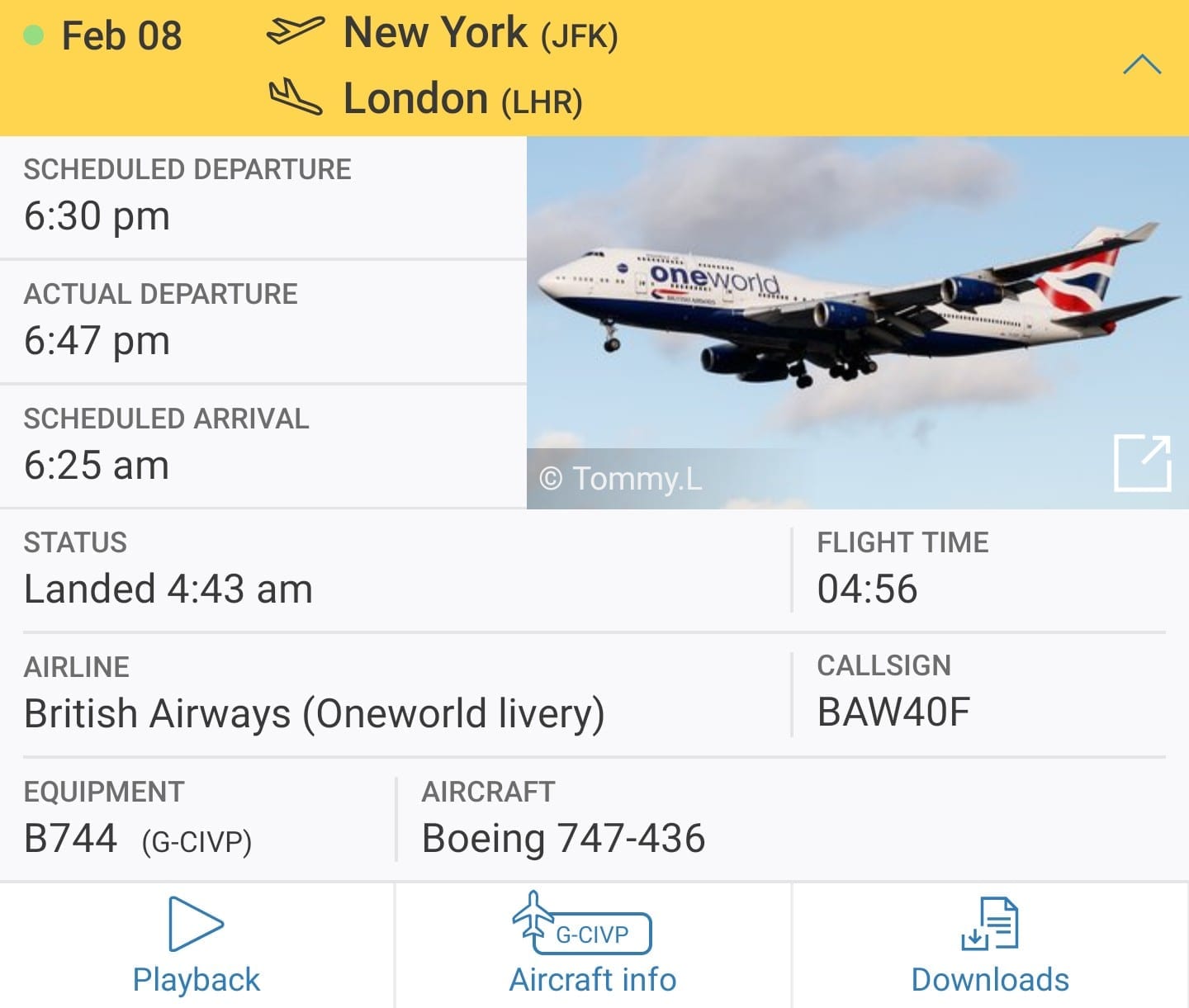
One of the most significant factors affecting transatlantic flight times is the presence and strength of jet streams. These are fast-flowing, narrow air currents found in the Earth’s atmosphere. For westbound flights, like those from London to New York, pilots often aim to fly within or slightly below the jet stream. This allows the plane to be “pushed” along by the wind, significantly reducing travel time. Conversely, if the jet stream is weak or unfavorable, the flight may take longer.
The strength and direction of the jet stream are influenced by atmospheric conditions and the time of year. During winter months in the Northern Hemisphere, jet streams are typically stronger and more southerly, which can often lead to faster westbound flights. In summer, they tend to be weaker and further north, potentially resulting in longer flight durations. Pilots and air traffic control constantly monitor these atmospheric conditions to optimize flight paths for efficiency.
2. Wind Speed and Direction: More Than Just a Breeze
Beyond the powerful jet streams, general wind speed and direction at various altitudes also play a crucial role. Even without a strong jet stream, prevailing winds can either assist or impede the progress of an aircraft. A direct headwind will slow the plane down, increasing flight time, while a tailwind will have the opposite effect. Air traffic control and flight planning departments meticulously analyze meteorological data to select the most favorable routes, but unforeseen shifts in wind patterns can still cause minor variations in flight duration.
3. Aircraft Type and Speed: The Machine Matters
The type of aircraft used for a particular flight can also contribute to slight differences in travel time. Modern commercial airliners, such as the Boeing 777 or Airbus A350, are designed for long-haul flights and have similar cruising speeds. However, there can be marginal differences in their optimal cruising speeds and fuel efficiency. Airlines choose aircraft based on demand, route economics, and fleet availability, and this choice can subtly impact the overall flight duration.
4. Air Traffic Control and Flight Path Optimization: Navigating the Skies
The skies are a highly regulated environment, and air traffic control plays a vital role in managing the flow of aircraft. While pilots have a planned route, they may occasionally be directed by air traffic controllers to alter their path to maintain safe separation from other aircraft, avoid turbulent weather, or accommodate airport traffic. These deviations, though usually minor, can add a few minutes to the flight time. Furthermore, airlines constantly work on optimizing flight paths to be as direct and efficient as possible, taking into account wind, weather, and air traffic.
Beyond the Flight: Total Travel Time
It’s essential to remember that the flight duration is only one part of your total travel time to New York. Before you even board, you’ll need to factor in:
- Getting to the Airport: Depending on your location in London and your chosen airport (Heathrow Airport, Gatwick Airport, London City Airport, etc.), travel time can range from 30 minutes to over an hour.
- Airport Procedures: Arriving at the airport well in advance is crucial. You’ll need time for check-in, security screening, and getting to your departure gate. For international flights, airlines typically recommend arriving at least 3 hours before departure.
- Deplaning and Immigration: Upon arrival in New York, you’ll disembark the aircraft and then proceed through immigration and customs. This process can vary greatly depending on the airport, the time of day, and the number of flights arriving simultaneously. It could take anywhere from 30 minutes to a couple of hours.
- Baggage Claim: After clearing immigration, you’ll need to collect your checked luggage from baggage claim.
- Travel to Your Accommodation: Finally, you’ll need to get from the airport to your hotel or accommodation. Whether you opt for a taxi, ride-sharing service, public transport, or a pre-booked shuttle, this can add another hour or more to your journey, depending on traffic in New York.
Considering all these elements, your total door-to-door travel time from London to your final destination in New York can easily extend to 12-16 hours or even more, especially when accounting for potential delays.
Making the Most of Your Flight
While a flight of 7-8.5 hours might seem long, there are plenty of ways to make the experience more enjoyable and productive. Many airlines offer extensive in-flight entertainment systems with a wide selection of movies, TV shows, music, and games. This is an excellent opportunity to catch up on your favorite series or discover new films.
For those who prefer to be productive, bring a laptop or tablet and use the time to work on projects, answer emails, or plan your itinerary for New York. Don’t forget to pack a good book or download podcasts and audiobooks for a more relaxed experience.
Staying hydrated and moving around periodically is essential for comfort on long flights. Consider bringing a neck pillow, eye mask, and comfortable clothing to ensure a more restful journey. Many passengers also find it helpful to adjust their watch to New York time shortly after boarding to begin acclimatizing to the new time zone.
Preparing for Your Arrival in New York
New York City offers an unparalleled range of experiences, from world-renowned landmarks like the Empire State Building and Times Square to vibrant neighborhoods, diverse culinary scenes, and Broadway shows. Whether you’re planning a luxurious lifestyle escape, a budget-friendly adventure, or a family trip, booking your accommodation in advance is highly recommended. Options range from chic boutique hotels in Manhattan to comfortable apartments in Brooklyn or sprawling resorts outside the immediate city center.
Understanding the flight duration from London to New York is a fundamental part of planning your transatlantic adventure. While the average direct flight is around 7 to 8.5 hours, remember to account for the various factors that can influence this time, as well as the overall travel process from your doorstep in London to your final destination in the energetic landscape of New York. With proper planning and a little patience, your journey across the Atlantic will be a smooth prelude to the unforgettable experiences awaiting you.
LifeOutOfTheBox is a participant in the Amazon Services LLC Associates Program, an affiliate advertising program designed to provide a means for sites to earn advertising fees by advertising and linking to Amazon.com. Amazon, the Amazon logo, AmazonSupply, and the AmazonSupply logo are trademarks of Amazon.com, Inc. or its affiliates. As an Amazon Associate we earn affiliate commissions from qualifying purchases.