
Florida, a state synonymous with sun-drenched beaches, vibrant theme parks, and a unique blend of cultural influences, continues to capture the imagination of people worldwide. Its allure as a premier tourist destination is undeniable, drawing millions of visitors annually to experience its diverse attractions. As this Sunshine State evolves, understanding its demographic landscape, particularly its population, offers a deeper appreciation of the forces shaping its present and future. While a precise, real-time census figure for the entirety of 2024 is not yet available, official estimates and projections provide a clear picture of Florida’s robust and growing populace.
Florida’s Ever-Expanding Demographic Horizon
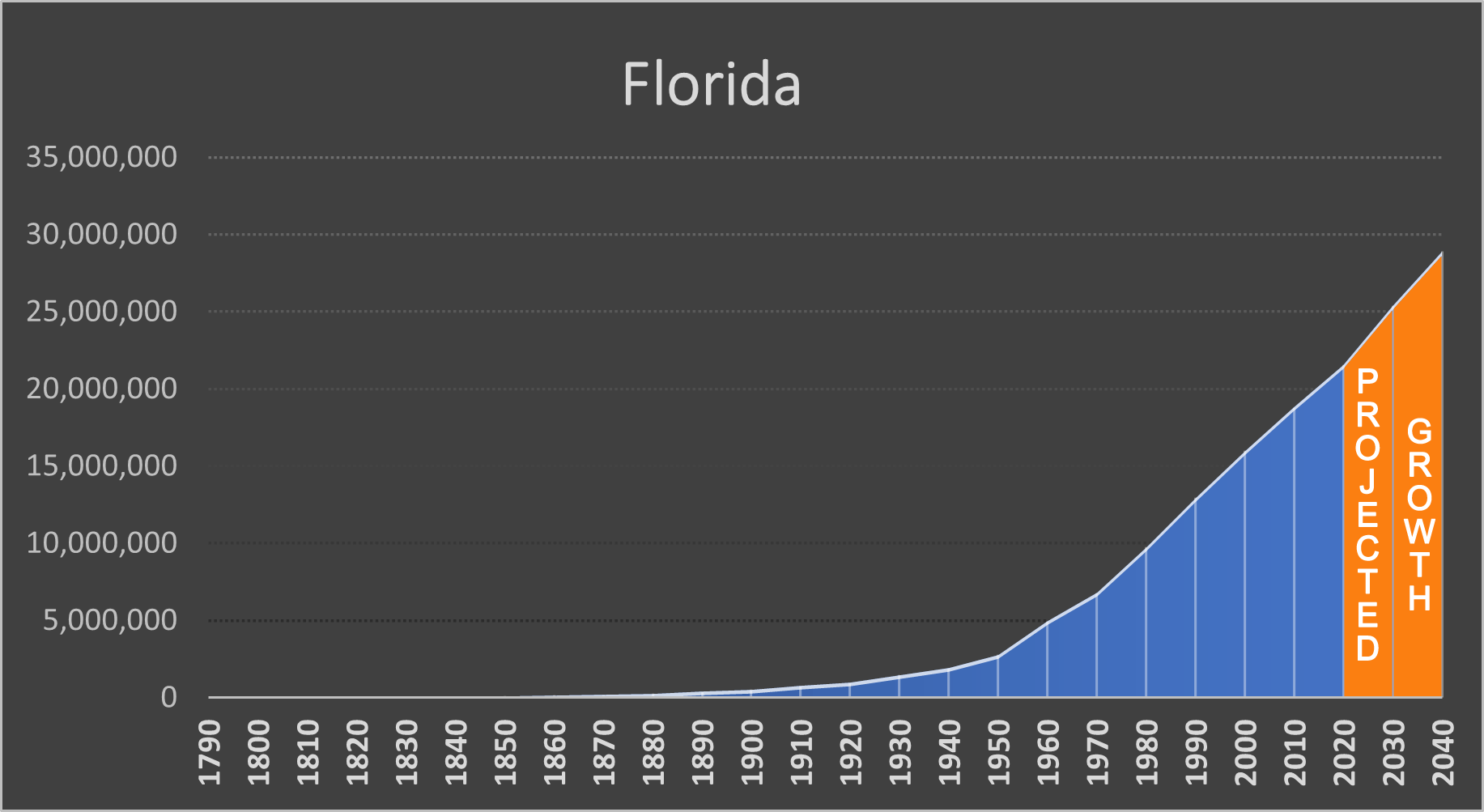
The state of Florida has consistently ranked among the fastest-growing states in the United States for decades. This sustained growth is a testament to its favorable climate, robust economy, and the high quality of life it offers to both permanent residents and seasonal visitors. The influx of new residents, combined with a healthy birth rate and increasing life expectancy, contributes to a dynamic and expanding population.
Population Projections and Estimates for 2024
As of the latest available data and projections, the population of Florida in 2024 is estimated to be in the range of 22.8 to 23.2 million people. These figures are derived from the U.S. Census Bureau’s most recent estimates and state-level demographic analyses. The U.S. Census Bureau provides annual population estimates that are based on births, deaths, and net migration. For 2024, these estimates indicate continued growth, pushing the state further into its position as the third most populous state in the nation, trailing only California and Texas.
Several factors contribute to this remarkable demographic expansion:
- Retirement Migration: Florida has long been a favored destination for retirees seeking warmer weather and a relaxed lifestyle. The affordability of certain regions, combined with access to healthcare and recreational activities, continues to attract older adults from across the country and internationally.
- Economic Opportunities: Beyond retirement, Florida’s economy has diversified significantly, offering burgeoning opportunities in sectors such as technology, aerospace, healthcare, and international trade. This economic dynamism attracts working-age individuals and families seeking career advancement.
- Quality of Life: The state boasts a desirable lifestyle characterized by its extensive coastline, abundant sunshine, and a wealth of recreational pursuits, from world-class theme parks like Walt Disney World Resort and Universal Orlando Resort to pristine natural landscapes like the Everglades National Park.
Key Demographics and Trends
Beyond the sheer numbers, understanding the composition of Florida’s population reveals further insights:
- Age Distribution: While Florida has a significant population of retirees, its demographic profile is increasingly diversifying with a growing younger and working-age population. This trend is influenced by job growth and the increasing appeal of its cities as hubs for innovation and culture.
- Racial and Ethnic Diversity: Florida is a melting pot of cultures, reflecting a rich tapestry of racial and ethnic backgrounds. The Hispanic and Latino population, in particular, has seen substantial growth, contributing to the state’s vibrant cultural landscape and influencing its cuisine, music, and traditions.
- Urbanization: Like many states, Florida is experiencing a trend of urbanization. Major metropolitan areas such as Miami, Orlando, Tampa, and Jacksonville are experiencing significant population booms, driven by job markets and access to amenities. Smaller towns and coastal communities also attract residents, drawn by their unique charm and lifestyle offerings.
The Impact of Population Growth on Tourism
Florida’s burgeoning population has a direct and profound impact on its thriving tourism industry. A larger resident population often translates to a stronger domestic tourism base, as Floridians themselves explore their own state. Furthermore, the growth fuels the demand for the very attractions that make Florida a global destination.
Supplying the Demand for Experiences
The sheer volume of people, both residents and visitors, necessitates a robust infrastructure to support the state’s renowned tourist offerings. This includes:
- Theme Parks and Attractions: Destinations like Walt Disney World Resort, Universal Orlando Resort, SeaWorld Orlando, and Busch Gardens Tampa Bay are not only catering to international tourists but also to the growing local and domestic market. The development of new rides, shows, and themed areas is a constant endeavor to meet and exceed visitor expectations.
- Beaches and Natural Wonders: Florida’s extensive coastline, stretching from the Panhandle to the Keys, is a primary draw. Parks like Myakka River State Park and Oleta River State Park also see increased activity. Maintaining these natural resources while managing high visitor numbers is a critical aspect of sustainable tourism.
- Cruise Industry: Miami and Port Canaveral are among the busiest cruise ports in the world. The growth in population contributes to a larger pool of potential cruisers within the state and the surrounding regions.
Infrastructure and Development to Accommodate Growth

The demographic shifts in Florida necessitate continuous development and expansion of infrastructure to support its population and its tourism sector. This includes:
- Transportation Networks: The state’s airports, such as Miami International Airport and Orlando International Airport, are undergoing expansions to handle increased passenger traffic. Roadways, including major arteries like I-4 and the Florida Turnpike, are being upgraded and widened to ease congestion. Public transportation options, particularly in urban centers, are also being enhanced.
- Accommodation and Hospitality: The demand for lodging, from luxury resorts like the Ritz-Carlton Orlando, Grande Lakes to vacation rentals and budget-friendly hotels, is continually growing. This fuels new construction and renovation projects across the state, ensuring ample options for visitors and new residents alike.
- Dining and Entertainment: The culinary scene in Florida is booming, reflecting its diverse population. From authentic Cuban cuisine in Miami to fresh seafood along the coast and innovative farm-to-table restaurants in cities like St. Petersburg, the growth in population supports a vibrant and expanding array of dining experiences.
Regional Population Distribution: Hotspots and Emerging Areas
Florida’s population is not uniformly distributed. Certain regions are experiencing more rapid growth than others, creating distinct demographic landscapes and influencing local economies and tourism patterns.
Major Metropolitan Growth Centers
The largest metropolitan areas continue to be the primary magnets for population growth.
- South Florida: The tri-county area of Miami-Dade, Broward, and Palm Beach counties remains a powerhouse of population and economic activity. Its international flavor, business opportunities, and cultural attractions draw people from across the globe and within the United States.
- Central Florida: The Orlando metropolitan area, with its world-renowned theme parks, is a major hub for both tourism and residential growth. The proximity to the attractions, coupled with a growing job market in sectors beyond hospitality, has spurred significant expansion.
- Tampa Bay Area: Tampa, St. Petersburg, and the surrounding communities are experiencing substantial growth, driven by a mix of economic diversification, a desirable coastal lifestyle, and relative affordability compared to South Florida.
Emerging Growth Corridors
Beyond the established metropolises, several other regions are seeing notable population increases, often driven by lower costs of living, new development, and a desire for a less congested lifestyle.
- Southwest Florida: Cities like Fort Myers, Naples, and Cape Coral are attracting a significant number of retirees and individuals seeking a coastal lifestyle, contributing to their rapid expansion.
- The Panhandle: While historically less densely populated, the Florida Panhandle, particularly areas around Pensacola, Tallahassee, and Destin, is experiencing increased interest and development, appealing to those seeking a different pace of life and beautiful Gulf Coast scenery.
The Future Outlook: A Continuously Evolving Florida
The population of Florida in 2024, estimated to be over 23 million, is not a static figure but rather a snapshot of a state in perpetual motion. The trends of growth, diversification, and development are expected to continue, shaping the experiences offered to visitors and the daily lives of its residents.
Sustaining Growth Responsibly
As Florida’s population continues to climb, the state faces the ongoing challenge of balancing growth with sustainability. This involves:
- Environmental Stewardship: Protecting the state’s unique natural resources, from its coral reefs and wetlands to its diverse wildlife, is paramount. Managing the impact of a larger population on these fragile ecosystems is a critical concern for both residents and the tourism industry, which relies heavily on the state’s natural beauty.
- Infrastructure Planning: Proactive and forward-thinking infrastructure development is essential to accommodate continued growth without compromising quality of life or the visitor experience. This includes investments in transportation, utilities, and public services.
- Economic Diversification: While tourism remains a cornerstone, fostering a diverse and resilient economy that offers a wide range of employment opportunities will be key to attracting and retaining a dynamic population.
The Enduring Appeal of the Sunshine State
Ultimately, Florida’s population growth is a testament to its enduring appeal. The combination of a welcoming climate, diverse attractions, economic opportunities, and a vibrant cultural tapestry ensures that the Sunshine State will remain a top destination for travelers and a sought-after place to call home for years to come. As the numbers for 2024 solidify, they paint a picture of a state that is not only growing in size but also in its richness and complexity, offering a compelling experience for all who visit or reside within its borders.
LifeOutOfTheBox is a participant in the Amazon Services LLC Associates Program, an affiliate advertising program designed to provide a means for sites to earn advertising fees by advertising and linking to Amazon.com. Amazon, the Amazon logo, AmazonSupply, and the AmazonSupply logo are trademarks of Amazon.com, Inc. or its affiliates. As an Amazon Associate we earn affiliate commissions from qualifying purchases.